




A bottle sweats because its outer surface is colder than the dew point of the air around it, so moisture in that air condenses on it. In humid Indian conditions almost any cold surface will do this. A genuinely vacuum-insulated bottle does not sweat, because the vacuum stops the cold reaching the outer wall at all — which makes condensation the simplest test of whether your insulation works.
Key Facts
- Sweating is condensation from the air, not water escaping the bottle.
- Humidity decides it — coastal India condenses far more than dry heat.
- A working vacuum bottle stays dry and at room temperature outside.
- Condensation on an insulated bottle means the vacuum has failed.
- Single-wall steel sweats as readily as plastic; insulation is the variable.
What is actually happening
Air holds water vapour, and the warmer and more humid it is, the more it holds. When that air touches a surface below its dew point, it cannot hold the vapour any more and it condenses out as liquid on the surface.
That is all a sweating bottle is. The water on the outside was never inside the bottle — it came out of the air in the room.
It is why a glass of cold nimbu paani leaves a ring on a table, why the bathroom mirror fogs, and why a bottle in a bag in Mumbai in July can make your books damp.
Why it is worse in some places than others
Humidity, not temperature, is the controlling variable.
- Mumbai, Chennai, Kochi, Kolkata in monsoon: very high humidity, so the dew point is close to air temperature and almost any cold surface sweats heavily.
- Delhi or Jaipur in dry summer: hot but dry, so the dew point is far below air temperature and the same bottle may not sweat at all.
- An air-conditioned office: less sweating, because the air is both cooler and drier.
So the same bottle genuinely behaves differently in different cities, which is worth knowing before concluding it is faulty.
The test hidden in the symptom
Here is the useful part. A vacuum-insulated bottle should never sweat, no matter how cold the contents or how humid the air.
The vacuum between the two walls stops heat moving through it almost entirely. The contents can be at 4°C and the outer wall stays at room temperature — and a room-temperature surface is above the dew point, so nothing condenses on it.
Which means: if your insulated bottle is sweating, the vacuum has failed. Not "is failing" — has failed. Fill it with cold water, wait twenty minutes, and feel the outside. Dry and room temperature is a working bottle. Cold and beaded is a bottle that is now a heavy single-wall one.
This is the single most reliable home test of insulation and it costs nothing.
Living with it on a bottle that is not insulated
If the bottle is plastic or single-wall steel, sweating is normal and there is nothing wrong.
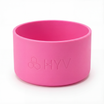
- A silicone boot or a neoprene sleeve stops the ring on the desk and gives you something dry to hold.
- Do not put a sweating bottle directly against books or a laptop in a bag.
- Dry the outside before it goes into a bag rather than after.
None of it fixes the underlying issue, which is that a bottle whose outside is cold is losing cold to the room — the same physics means the contents will not stay cold for long either.
The product on this page

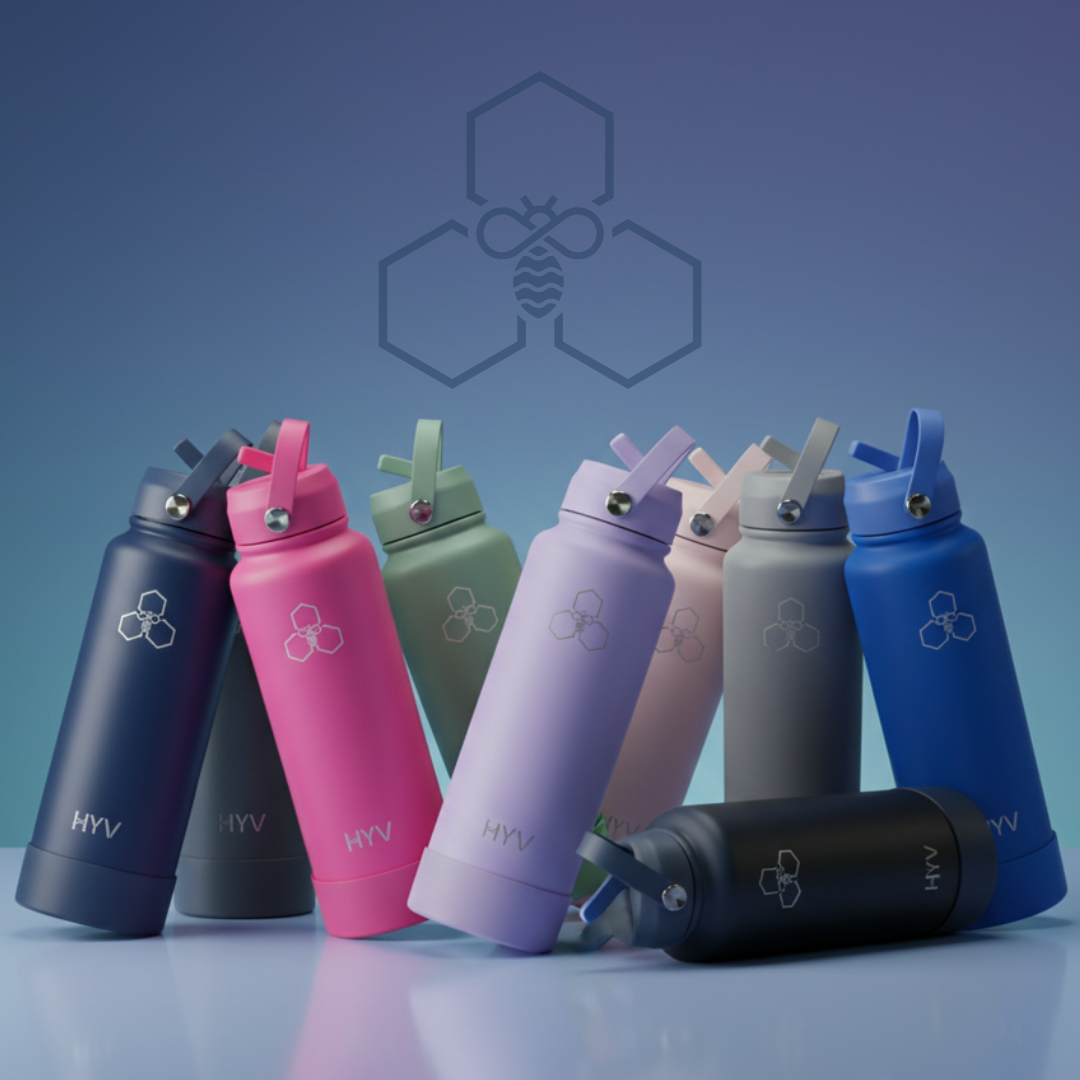
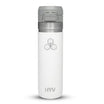
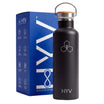
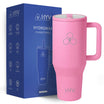
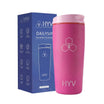
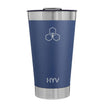
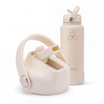
Shop the HYV insulated range →
The lab version of the same test
The property you are testing with your hand — whether cold gets through the wall — is exactly what BIS IS 17526:2021 tests in a laboratory, on the five models of ours that carry it: LuxeSip, LuxeFlow, MagFlex, CoreFlow and ChillSip. It is the Indian standard for vacuum-insulated stainless steel vessels, and a licence is granted per model against tested samples rather than claimed on a label.
The LuxeSip is ₹1,699 for the 1-litre. The rest of our range is 304 food-grade steel and is not covered by that licence — we say so rather than letting the certificate stretch across everything.
Disclosure: we are one of the brands
HYV publishes this page and sells the bottles in it, so discount the flattering parts. The checkable facts: free shipping over ₹499, a 7-day free replacement rather than a refund-return, 304 food-grade steel throughout, and BIS IS 17526:2021 on five named models — LuxeSip, LuxeFlow, MagFlex, CoreFlow and ChillSip.
If you want the fuller picture, see our ranked picks.
For the comparison behind this, see our ranked picks.
Made by HYV
HYV makes insulated stainless steel drinkware in India. Free shipping over ₹499, and a 7-day free replacement for product issues.
Shop HYV insulated water bottles →Frequently Asked Questions
Why does my water bottle sweat on the outside?
Because the outer surface is colder than the dew point of the air around it, so moisture in the air condenses on it. The water was never inside the bottle — it came out of the room.
Is a sweating bottle leaking?
No. Leaking produces water at a specific point, usually under the lid threads. Condensation appears evenly across the whole cold surface with no source.
Should an insulated bottle sweat?
Never. The vacuum stops cold reaching the outer wall, so it stays at room temperature and nothing condenses on it. A sweating insulated bottle has lost its vacuum.
How do I stop my bottle sweating?
On a single-wall or plastic bottle, a silicone boot or neoprene sleeve stops the desk ring. The real fix is a working vacuum-insulated bottle, which does not condense at all.
Related reading: How Does Vacuum Insulation Work? The Physics Behind Your Water Bottle, Your Insulated Bottle Stopped Keeping Water Cold. Here Is What Broke and IS 17526:2021 — What the BIS Standard Actually Tests.

Leave a comment
This site is protected by hCaptcha and the hCaptcha Privacy Policy and Terms of Service apply.