






Use bicarbonate of soda for smell and vinegar for scale — they solve different problems. A teaspoon of bicarbonate in warm water, left an hour, neutralises odour. Two tablespoons of white vinegar in warm water, left an hour, dissolves the chalky white film hard Indian water leaves behind. Mixing the two neutralises both into salty water and does nothing useful.
Key Facts
- Bicarbonate of soda is alkaline and works on odour compounds.
- Vinegar is acidic and works on mineral scale and hard-water film.
- Mixed together they neutralise each other — the fizz is the reaction ending.
- Neither should be left standing in a bottle overnight.
- Both need the lid taken apart, or the smell comes straight back.
They are opposites, which is the whole point
The internet treats bicarbonate and vinegar as one household cleaning trick. Chemically they are an acid and a base, and putting them in the same bottle produces carbon dioxide, water and sodium acetate — a fizzing show that leaves you with faintly salty water and neither cleaning agent intact.
Use one or the other, chosen by the problem.
Bicarbonate, for smell
A bottle that smells sour, musty, or faintly of whatever was in it last is carrying odour compounds on the surface — many of them acidic. Bicarbonate is alkaline, so it neutralises rather than masks them.
- One heaped teaspoon in a bottle of warm water.
- Cap, shake to dissolve, leave one hour.
- For a bad case, make a paste with a little water instead, smear it around the inside with a cloth or a brush, and leave it thirty minutes before rinsing.
Rinse until the water runs clear — residue tastes chalky.
Vinegar, for scale
Much of urban India runs hard water. What it leaves behind is calcium and magnesium carbonate: a dull white or greyish film, sometimes chalky to the touch, most obvious around the neck and under the lid.
Bicarbonate does nothing to it — scale is already a carbonate. Acid dissolves it.
- Two tablespoons of plain white vinegar, topped up with warm water.
- Leave up to an hour, no longer.
- Rinse thoroughly, twice.
Lemon juice works on the same principle if that is what is in the kitchen, though it is weaker and adds sugar you then have to rinse out.
The time limits, and why they are not fussiness
Stainless steel is corrosion-resistant, not corrosion-proof. Its resistance comes from a thin chromium oxide layer that re-forms in air. Prolonged contact with acid in a sealed, oxygen-starved bottle is one of the few household conditions that genuinely works against that layer.
An hour is harmless. Overnight, repeatedly, is how people end up with a pitted interior and then write to a brand about a "defective" bottle. The same caution applies double to bleach, which should never go near stainless steel at any concentration for any length of time.
The product on this page

Shop HYV bottles with replaceable gaskets →
Why it comes back within a week
Because the lid was never part of the routine. Bicarbonate in the body does not touch the gasket seated in the cap, and the gasket is the single most common reservoir for a returning smell.
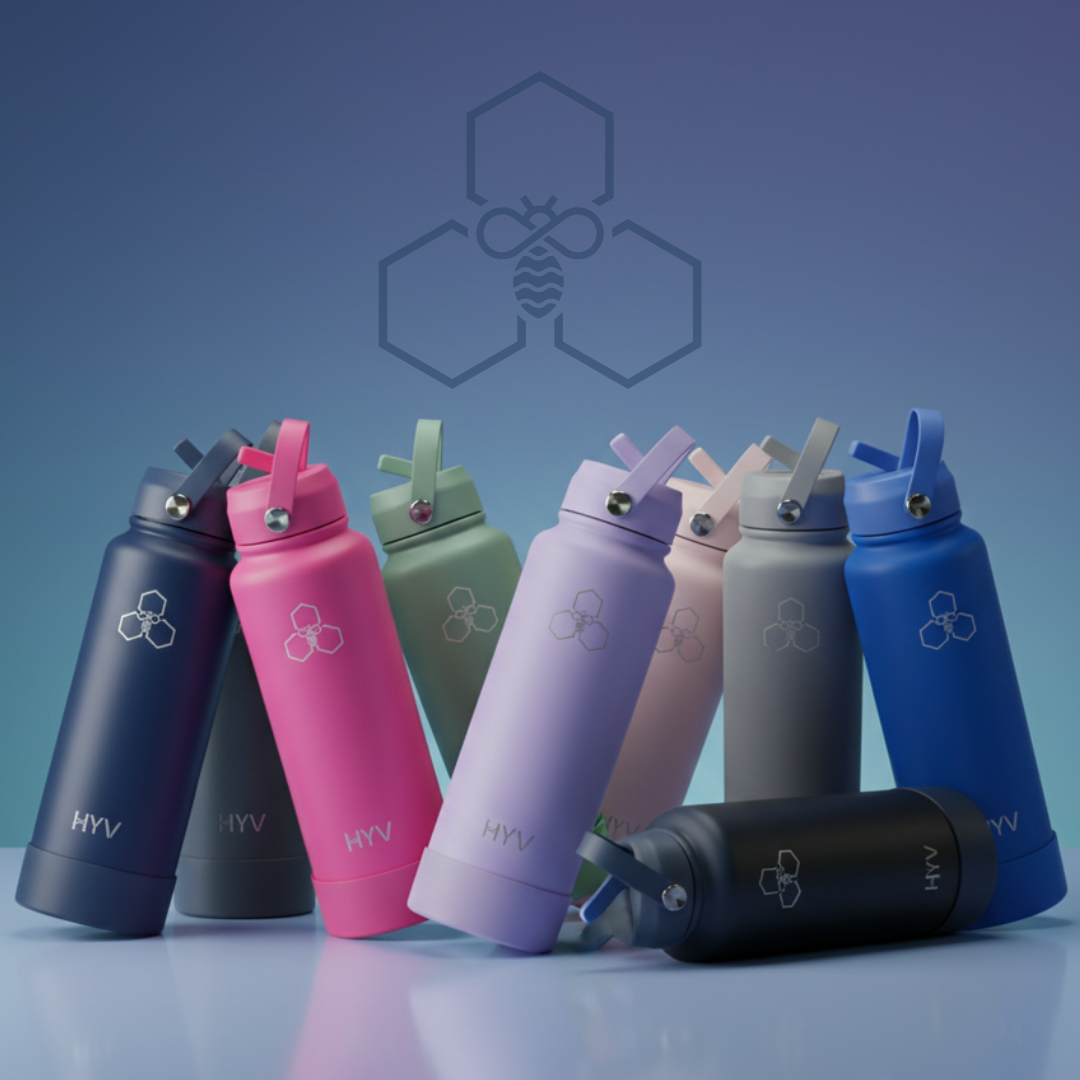
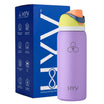
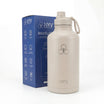
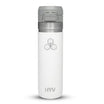
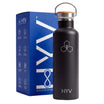
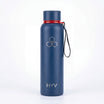
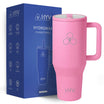
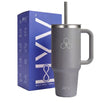
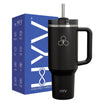
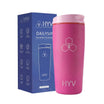
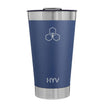
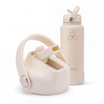
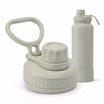
Every HYV lid gasket lifts out of its groove by hand and goes back the same way, and we sell replacements separately — a gasket that has gone permanently sour costs a fraction of a bottle. The LuxeSip is ₹1,699 for the 1-litre with a sipper cap; the gasket inside it is a part, not a permanent feature of the product.
Disclosure: we are one of the brands
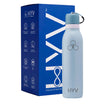
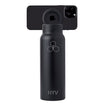
HYV publishes this page and sells the bottles in it, so discount the flattering parts. The checkable facts: BIS IS 17526:2021 on five named models — LuxeSip, LuxeFlow, MagFlex, CoreFlow and ChillSip — 304 food-grade steel throughout, and lids, gaskets and boots sold as separate parts so a worn one does not end the bottle.
Related: ORS and Electrolyte Powder in a Steel Bottle: What It Does to the Bott.
We go into this properly in Does a Magnet Tell You Whether a Bottle Is Real 304 Steel?.
Related: our ranked picks.
Related: ReHYV vs Flexnest: What Each One Publishes.
Frequently Asked Questions
Should I mix baking soda and vinegar to clean my bottle?
No. They neutralise each other. You get fizz, then salty water with neither the alkali nor the acid left to do anything. Use bicarbonate for smell or vinegar for scale, one at a time.
How much baking soda for a one-litre bottle?
One heaped teaspoon dissolved in warm water, left for an hour. For a persistent smell, make a paste instead, spread it around the interior, and leave it thirty minutes before rinsing.
Can I leave vinegar in a steel bottle overnight?
Better not to. An hour dissolves hard-water scale perfectly well. Prolonged acid contact in a sealed bottle works against the chromium oxide layer that makes stainless steel corrosion-resistant in the first place.
What is the white film inside my steel bottle?
Hard-water scale — calcium and magnesium carbonate left behind as water evaporates. It is harmless and cosmetic, and white vinegar dissolves it in under an hour.
Related reading: How to Remove Smell from a Steel Water Bottle, How to Remove Bad Taste from a Stainless Steel Water Bottle India 2026 and The Water Bottle Rubber Seal: Why It Fails and How to Replace It.

Leave a comment
This site is protected by hCaptcha and the hCaptcha Privacy Policy and Terms of Service apply.