






Partly, and it is usually misread. Pure 304 is non-magnetic in its annealed state, but drawing and pressing a bottle body makes it weakly magnetic — so a magnet showing slight attraction on a genuine 304 bottle is completely normal. A magnet that grips firmly, the way it would on a steel almirah, suggests a ferritic or 400-series steel rather than 304. The test rules things out; it does not confirm.
Key Facts
- 304 is austenitic and non-magnetic when annealed.
- Cold-working a bottle body induces weak magnetism in genuine 304.
- Weak attraction is normal and proves nothing either way.
- Strong, firm grip suggests a 400-series or ferritic steel, not 304.
- 201 grade — the common substitute — is also weakly magnetic, so it passes.
Why 304 is supposed to be non-magnetic
Stainless steels fall into families. 304 belongs to the austenitic family — its crystal structure, produced by its nickel content, is not ferromagnetic. In a flat annealed sheet, a magnet will not stick to 304 at all.
That is where the popular test comes from, and in a laboratory on flat stock it works.
Why it stops working on a bottle
A bottle is not flat annealed sheet. It is deep-drawn, pressed, spun and welded — every one of which is cold-working the metal. Cold-working austenitic steel transforms some of the austenite into martensite, which is ferromagnetic.
So a genuine 304 bottle routinely shows weak magnetic attraction, most strongly at the base and around the neck where the forming was hardest. People test a bottle they own, find the magnet sticks a little, and conclude they have been sold fake steel. They usually have not.
What the test can still tell you
- No attraction at all: consistent with 304 or 316. Good sign, not proof.
- Weak attraction, magnet falls off when tilted: completely normal for a formed 304 bottle. Tells you nothing.
- Firm grip, magnet holds like it would on a steel cupboard: this is worth noticing. 400-series and ferritic steels behave this way and are not what a drinking vessel should be made of.
The gap in the test is the one that matters commercially. 201-grade steel — the usual substitute for 304 in cheap bottles — is also austenitic and also weakly magnetic after forming. It passes the magnet test exactly as 304 does, while having less chromium and nickel and genuinely worse corrosion resistance. The single most common substitution is the one the test cannot catch.
What actually tells you
- Third-party certification. A BIS licence is granted per model against tested samples, which is a materially different claim from a sticker on a bottle.
- Behaviour over months. 201 steel corrodes in normal use. A bottle that develops interior rust within months without bleach or scouring is showing you its grade.
- Price sanity. Steel is a commodity. A vacuum-insulated 1-litre bottle at a price that could not cover the steel and the vacuum process is telling you where the saving came from.
- A seller who answers the question. Ask which grade and which standard. An evasive answer is itself information.
The product on this page

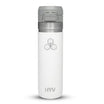
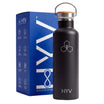
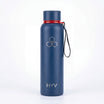
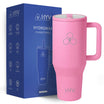
Shop HYV 304 food-grade steel bottles →
The check that is actually available to you
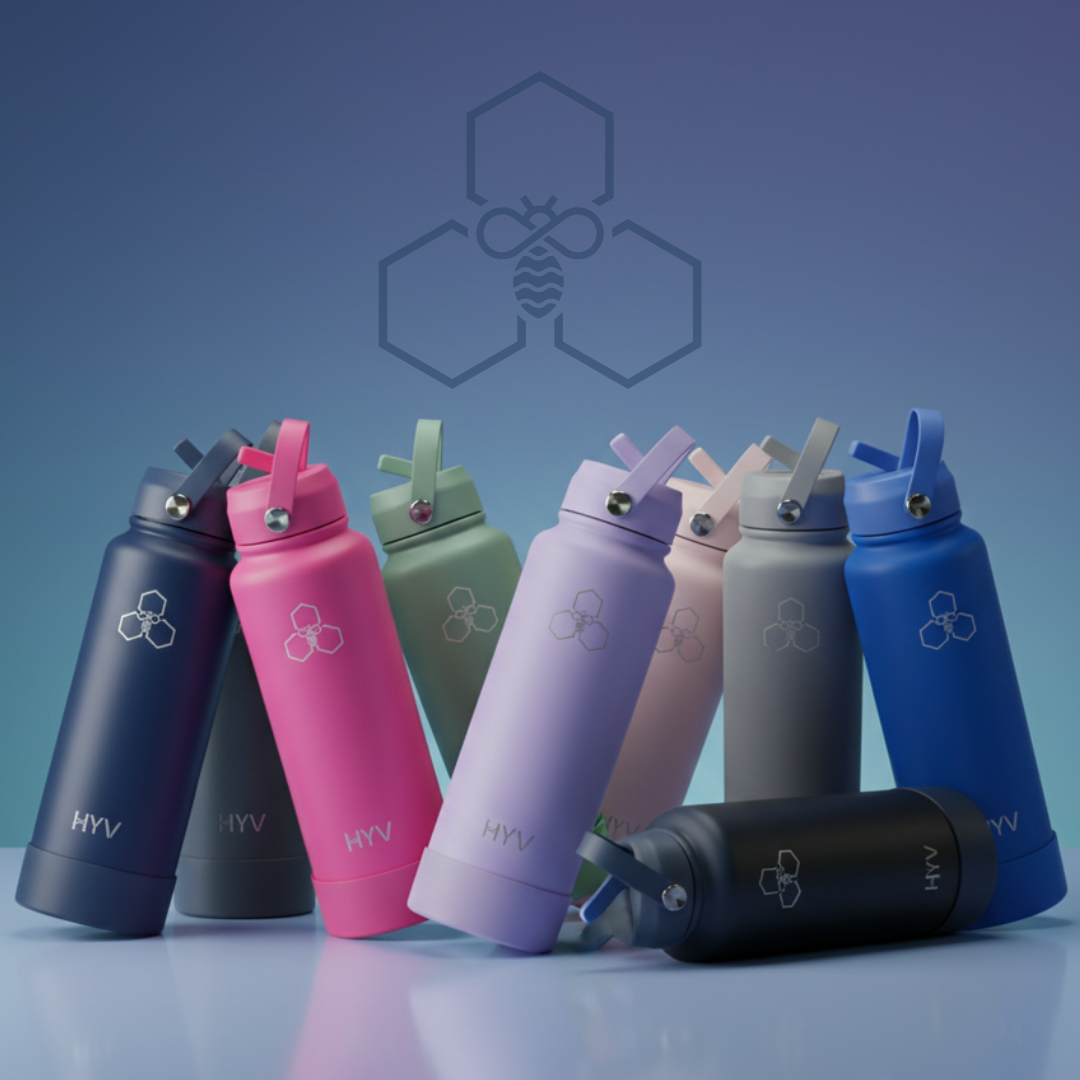
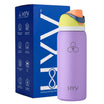
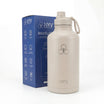
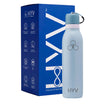
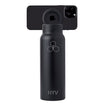
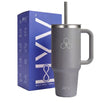
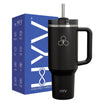
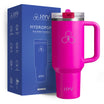
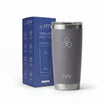
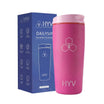
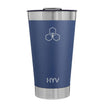
Five HYV models carry BIS IS 17526:2021 — LuxeSip, LuxeFlow, MagFlex, CoreFlow and ChillSip. That standard covers vacuum-insulated stainless steel vessels, and a licence is issued against samples that have been tested rather than against a claim. The LuxeSip is ₹1,699 for the 1-litre.
The rest of our range is 304 food-grade steel and is not covered by that licence. We say that rather than letting the certification on five models read as a claim about everything, because that stretch is exactly what makes the magnet test feel necessary in the first place.
Disclosure: we are one of the brands
HYV publishes this page and sells the bottles in it, so discount the flattering parts. The checkable facts: BIS IS 17526:2021 on five named models — LuxeSip, LuxeFlow, MagFlex, CoreFlow and ChillSip — 304 food-grade steel throughout, and lids, gaskets and boots sold as separate parts so a worn one does not end the bottle.
We go into this properly in our ranked picks.
We go into this properly in our ranked picks.
Related: how they compare.
If you want the fuller picture, see what we actually recommend.
Frequently Asked Questions
Should a 304 stainless steel bottle be magnetic?
Slightly, yes. 304 is non-magnetic as annealed sheet, but the drawing and pressing that forms a bottle induces weak magnetism. Mild attraction on a genuine 304 bottle is normal.
Does the magnet test prove a bottle is fake?
No. Weak attraction is normal on formed 304. A firm grip like a magnet on a steel cupboard suggests a 400-series steel, which is worth acting on — but 201-grade steel, the usual substitute, passes the test exactly as 304 does.
How can I check what grade my bottle really is?
Third-party certification is the only check available to a buyer. A BIS licence is granted per model against tested samples, unlike a grade printed on a label. Behaviour over months is the other tell — 201 steel corrodes in normal use.
What is the difference between 304 and 201 steel?
201 contains less chromium and nickel, substituting manganese. It is cheaper and noticeably less corrosion-resistant, which shows up as interior rust within months of ordinary use.
Related reading: What Is 304 Stainless Steel? The Water-Bottle Explainer, How to Check If Your Water Bottle Is BIS Certified India 2026 and IS 17526:2021 — What the BIS Standard Actually Tests.

Leave a comment
This site is protected by hCaptcha and the hCaptcha Privacy Policy and Terms of Service apply.