




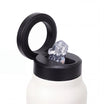


The bottle will not harm the milk and the milk will not harm 304 steel. The problem is spoilage: a sealed bottle in Indian ambient temperature is a warm dark chamber, and milk in one has a few hours at most. A vacuum-insulated bottle filled with cold milk extends that considerably — but the smell gets into the lid gasket, and that part is what you end up replacing.
Key Facts
- Milk does not react with 304 stainless steel in any meaningful way.
- Spoilage time, not the metal, is the entire question.
- Cold milk in a vacuum bottle lasts a working day; warm milk does not.
- Hot milk is fine in a chug or screw lid, not in a sipper or straw lid.
- The lid gasket absorbs dairy smell permanently and is a replaceable part.
The metal is not the problem
304 food-grade stainless steel is what dairies, commercial kitchens and milk cans are made of. Milk in steel is the normal industrial case, not an exception, and there is no reaction to be concerned about.
What changes when you put it in a personal bottle is everything around the milk: it is sealed, it is insulated from nothing if the bottle is single-wall, and it is in a bag in a hot country.
Cold milk: how long you actually have
Milk left at Indian ambient temperature spoils within a few hours, and faster in summer. Two things extend that.
- Starting cold. Milk straight from the fridge into a pre-chilled vacuum bottle starts the clock at the right end. Room-temperature milk in an insulated bottle stays room temperature, which is the worst case.
- A vacuum wall. A working insulated bottle filled cold and kept closed holds a usable temperature through a working day. A single-wall steel bottle does almost nothing — it is at ambient within an hour, like plastic.
Even so, treat it as a same-day proposition. A bottle of milk carried to work and forgotten until the next morning is not salvageable, whatever it is made of.
Hot milk, and the lid question
Hot milk is fine for the steel and is one of the things vacuum bottles are genuinely good at — that is what a thermos has always been for.
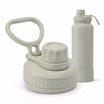
What matters is the lid. A sipper cap or a straw lid is not designed for hot liquid, and there is a second issue: hot contents in a sealed bottle create pressure as they cool, and pressure plus a narrow spout means a spray when it is opened. Use a chug lid or a plain screw lid for anything hot.
Hot milk also skins and sticks to the wall as it cools, which is a cleaning consideration — another argument for a mouth wide enough to get a hand into.
The smell, which is the real cost
This is what actually happens to people who carry milk regularly. The bottle body washes clean. The silicone gasket in the lid does not — dairy smell is absorbed into silicone and stays there, and after a few months the bottle smells faintly of milk with plain water in it.
Nothing removes it. Bicarbonate helps for a while. The answer is to replace the gasket, which is why buying a bottle whose gasket is sold as a part is the practical protection against this.
If you carry milk daily — for coffee at the office, for a child, for tea — consider keeping one bottle for it rather than rotating whichever is clean.
The product on this page

Shop HYV bottles with chug lids →
What to use
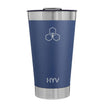
Vacuum-insulated 304 steel, a chug or screw lid rather than a sipper or straw, a wide enough mouth to wash by hand, and a replaceable gasket.
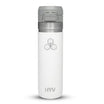
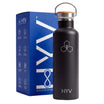
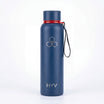
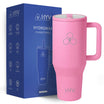
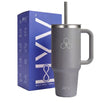
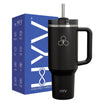
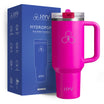
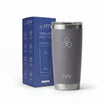
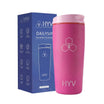
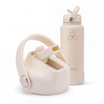
The HYV DualFlow Slim is ₹1,299 for 750 ml with a two-in-one chug and sipper lid — use the chug side for dairy. The CoreFlow at ₹899 has a plain wide screw-sip mouth and is the easiest to wash out. Gaskets are sold separately either way, which with milk is not a detail.
Disclosure: we are one of the brands
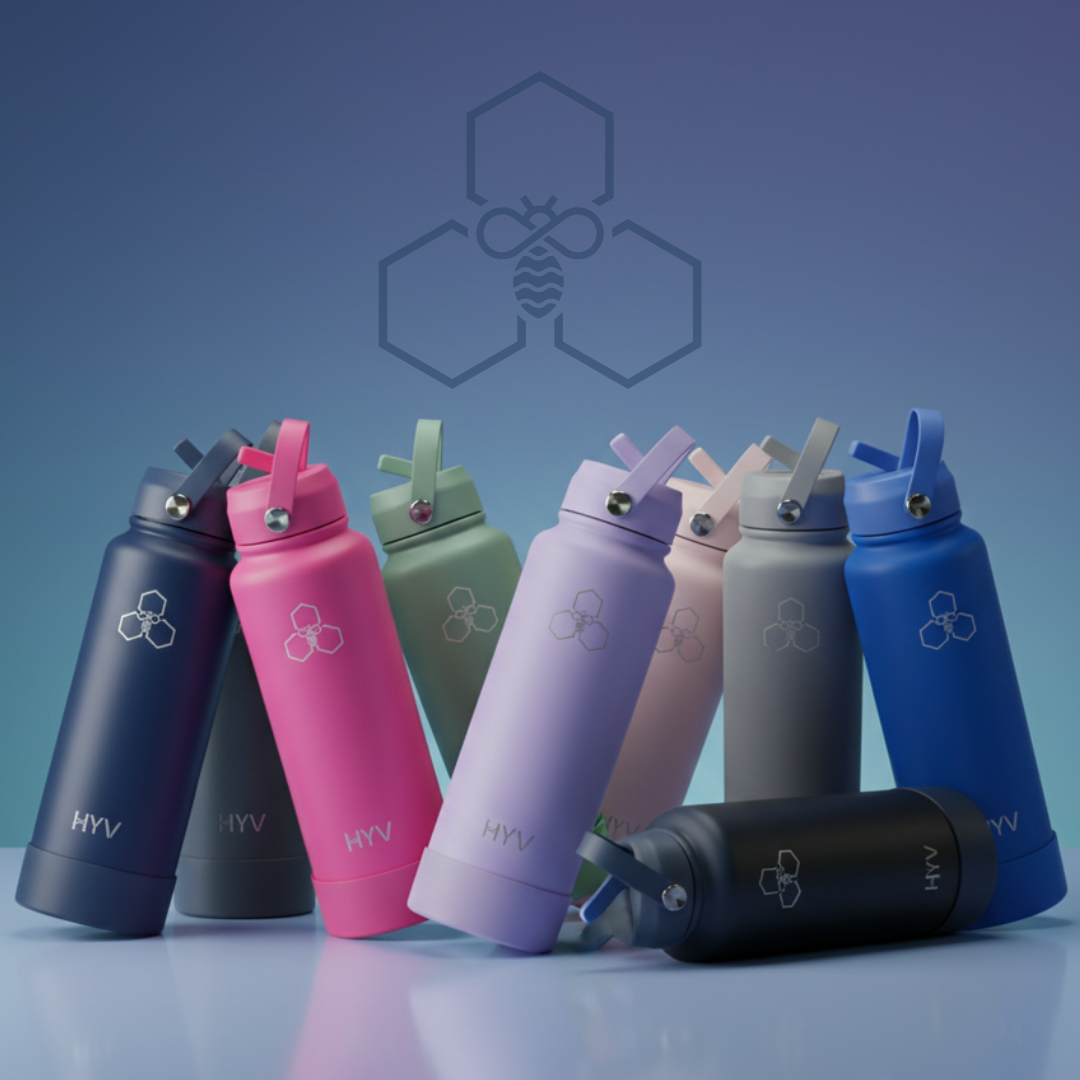
HYV publishes this page and sells the bottles in it, so discount the flattering parts. The checkable facts: BIS IS 17526:2021 on five named models — LuxeSip, LuxeFlow, MagFlex, CoreFlow and ChillSip — 304 food-grade steel throughout, and lids, gaskets and boots sold as separate parts so a worn one does not end the bottle.
Related: the honest ranking.
For the comparison behind this, see Can You Make a Protein Shake in a Steel Bottle?.
If that is the question you actually came with, see carrying chaas and buttermilk.
Frequently Asked Questions
Is it safe to carry milk in a stainless steel bottle?
The steel is fine — dairies and milk cans are made of it. The question is spoilage: fill a vacuum-insulated bottle with cold milk and drink it within the working day.
How long does milk last in an insulated bottle?
A working day if it went in cold and the bottle stays closed. Room-temperature milk in an insulated bottle stays at room temperature, which is the worst case rather than a saving one.
Can I put hot milk in a steel bottle?
Yes, with a chug or screw lid. Sipper and straw lids are not made for hot liquid, and pressure builds inside a sealed bottle as hot contents cool, which causes a spray on opening.
Why does my bottle smell of milk permanently?
Silicone absorbs dairy odour and holds it. The body washes clean but the lid gasket does not. Replace the gasket rather than the bottle.
Related reading: Best Coffee Bottle in India 2026: Hot for 12 Hours, Best Chug Lid Water Bottle in India 2026 and The Water Bottle Rubber Seal: Why It Fails and How to Replace It.

Leave a comment
This site is protected by hCaptcha and the hCaptcha Privacy Policy and Terms of Service apply.