





Varicose veins form when the one-way valves inside leg veins stop sealing, so blood pools and the vein stretches. Risk rises with family history, age, pregnancy, prolonged standing and higher body weight. Treatment that works is medical: graduated compression stockings for symptoms, and sclerotherapy, endovenous laser or radiofrequency ablation, or surgery for the failing vein. Creams, oils and massagers do not close a failed valve. Sudden swelling in one leg with warmth or redness is a possible clot and needs same-day care.
Key Facts
- Varicose veins are caused by failure of the one-way valves in superficial leg veins, allowing blood to pool and the vein to distend.
- Recognised risk factors include family history, increasing age, pregnancy, occupations involving long periods standing, and higher body weight.
- Duplex ultrasound is the standard investigation; it maps which veins are refluxing and determines treatment.
- Endovenous laser ablation and radiofrequency ablation are minimally invasive, done under local anaesthetic, and have largely replaced open vein stripping.
- Sclerotherapy injects a solution that closes smaller veins and spider veins.
- No topical cream, oil or consumer massager has been shown to close a failed vein valve.
- Complications of untreated advanced disease can include skin changes, bleeding and venous ulceration, which is why persistent symptoms warrant assessment.
Varicose veins are extremely common and mostly not dangerous, which is exactly why the market around them is full of products that do nothing. This page sets out what the condition is, what genuinely treats it, and what to be sceptical of. We sell a leg recovery device and it is not on the list of things that treat this.
Why veins become varicose
Leg veins carry blood upward against gravity. They do it with help: every time your calf muscle contracts it squeezes the deep veins and pushes blood along, and a series of one-way valves stops it falling back between contractions. The system is called the calf muscle pump, and it is the reason walking is good for your legs.
When a valve stops sealing, blood refluxes downward and pools in the vein below it. The extra volume stretches the vein wall, which pulls neighbouring valves further apart, which makes them leak too. That cascade is why varicose veins tend to progress slowly rather than appear overnight.
Who gets them
- Family history is the strongest single predictor.
- Age — vein walls and valves lose elasticity over time.
- Pregnancy, through increased blood volume, hormonal effects on vein walls, and pressure from the uterus. Veins that appear during pregnancy often improve in the months afterwards.
- Prolonged standing, which is why the condition is common among teachers, surgeons, retail and hospitality staff, and anyone doing long shifts on their feet.
- Higher body weight, which increases the load on the venous system.
- Being female, though men get them too and often present later.
Symptoms worth taking seriously
Many varicose veins are purely cosmetic. Get them assessed if you have aching or heaviness that worsens through the day, swelling around the ankle, night cramps, itching or eczema over a vein, darkening or hardening of the skin near the ankle, or any break in the skin. Skin changes at the ankle in particular are a signal that the venous pressure has been high for a long time, and they precede ulceration.
Separately and urgently: sudden swelling of one leg, with warmth, redness or calf pain, is not varicose veins. It may be a deep vein thrombosis, which is a clot in the deep system and a medical emergency. Do not massage it, do not compress it, and do not wait.
What actually treats varicose veins
Everything below is a clinical decision made after a duplex ultrasound, which shows which veins are refluxing and how far. That scan is the reason a specialist consultation is the real first step.
- Graduated compression stockings. Continuous pressure, highest at the ankle and decreasing upward, at a class chosen for you. They manage aching and swelling well. They do not close the vein — they compensate for it — so they are ongoing management rather than a cure.
- Sclerotherapy. A solution injected into the vein irritates the lining so it seals shut and is absorbed. Used mainly for spider veins and smaller varicosities; foam sclerotherapy extends it to larger ones.
- Endovenous laser ablation (EVLA) or radiofrequency ablation (RFA). A thin catheter is passed inside the vein and heat seals it closed from within. Local anaesthetic, day case, quick return to normal activity. These have largely replaced open surgery for the main trunk veins.
- Surgery (ligation and stripping). Still used in some anatomies, though far less than it once was.
Blood is simply rerouted through healthy veins once a diseased one is closed — the leg does not lose its drainage. That surprises people and is worth knowing before a consultation.
What does not work, and what to be careful with
- Creams, oils, gels and "vein" ointments. A topical preparation cannot reach a valve inside a vein, let alone repair it. Some may soothe skin; none change the disease.
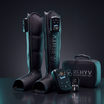
- Leg massagers and air compression devices. These do relieve symptoms — the aching, heaviness and ankle swelling — by assisting venous return, which is worth having and is why compression in general is part of managing the condition. What they do not do is close a failing valve or remove a vein, so they belong under symptom relief rather than treatment. Read the fuller answer on leg massagers and varicose veins for the safety detail, because there are situations where using one is genuinely a bad idea.
- Vigorous manual massage over a varicose vein, which is uncomfortable at best and unwise if a clot has not been excluded.
What helps day to day
None of this treats the veins, but it reliably helps how legs feel, and it is free:
- Walk. The calf pump is the mechanism, and using it is the single most useful habit.
- Break up long standing or sitting. Ankle pumps and calf raises at the desk or the counter do more than they look like they should.
- Elevate above hip level for a spell in the evening.
- Wear the stockings you were prescribed, in the morning before swelling builds, which is when they are easiest to get on and most effective.
Not medical advice. This page is general information, not a diagnosis or a treatment plan. Air compression massagers are recovery aids, not medical devices. If you have deep vein thrombosis or suspect it, a severe circulatory or arterial condition, uncontrolled heart failure, an active infection or open wound on the leg, a recent injury or fracture, or you are pregnant, do not use one without clearance from a doctor. Leg pain that comes on suddenly in one leg with swelling, warmth or redness needs same-day medical attention.
Frequently Asked Questions
What causes varicose veins in the legs?
The one-way valves inside superficial leg veins stop sealing, so blood refluxes downward and pools. The vein stretches under the extra volume, which pulls neighbouring valves apart and lets the process spread. Family history, age, pregnancy, prolonged standing and higher body weight all raise the risk.
Can varicose veins go away on their own?
Generally no, though veins that appear during pregnancy often improve substantially in the months after delivery. A stretched vein with a failed valve does not usually recover by itself.
Do creams or oils work for varicose veins?
No. A topical preparation cannot reach a valve inside a vein or repair it. Some may soothe irritated skin, which is not the same as treating the condition.
Are varicose veins dangerous?
Most are not, and many are purely cosmetic. Persistent aching, ankle swelling, itching, and especially darkening or hardening of the skin near the ankle should be assessed, because long-standing high venous pressure can progress to skin breakdown and ulceration. Sudden one-sided swelling with warmth or redness is a different problem — a possible clot — and needs same-day care.
What is the best treatment for varicose veins?
It depends on which veins are refluxing, which is what a duplex ultrasound establishes. Endovenous laser or radiofrequency ablation is the usual choice for a failing trunk vein, sclerotherapy for smaller veins and spider veins, and graduated compression stockings for symptom management. A vascular specialist decides between them.

Leave a comment
This site is protected by hCaptcha and the hCaptcha Privacy Policy and Terms of Service apply.