





⚡ Quick Answer
A vacuum-insulated bottle works by creating a near-perfect vacuum between two steel walls, eliminating the three main paths by which heat moves: conduction, convection, and radiation. Without these pathways, heat transfer between the contents and the environment slows to near zero — keeping cold drinks cold and hot drinks hot for hours.
The Three Heat Transfer Mechanisms Blocked
The Physics, Step by Step
Step 1 — Two steel walls: The bottle is constructed with two concentric steel shells. The inner shell holds your liquid. The outer shell is what you hold. In a single-wall bottle, heat moves directly through the one wall by conduction.
Step 2 — The vacuum gap: The space between the two walls is evacuated to near-vacuum using industrial pumps during manufacturing. This step is why vacuum-insulated bottles cost more than single-wall alternatives — maintaining a true vacuum requires precise engineering and sealing.
Step 3 — Eliminating convection: Convection moves heat through fluids (including air). With no air in the inter-wall space, convective heat transfer is eliminated. This is why a vacuum bottle performs dramatically better than an air-gap bottle.
Step 4 — Reducing radiation: Even in a vacuum, heat can transfer through electromagnetic radiation. The reflective inner coating on the outer wall reflects radiant heat back, reducing this final pathway significantly.
Why BIS Certification Matters for Insulation Claims
Any brand can claim 24-hour cold retention. BIS IS 17526:2021 certification means an independent laboratory has verified this claim under standardised conditions — including thermal performance testing, leakproofness under pressure, and material safety checks. Without certification, insulation claims are marketing, not engineering.

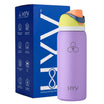
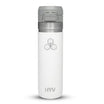
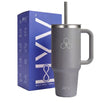
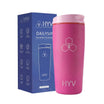
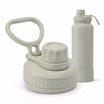
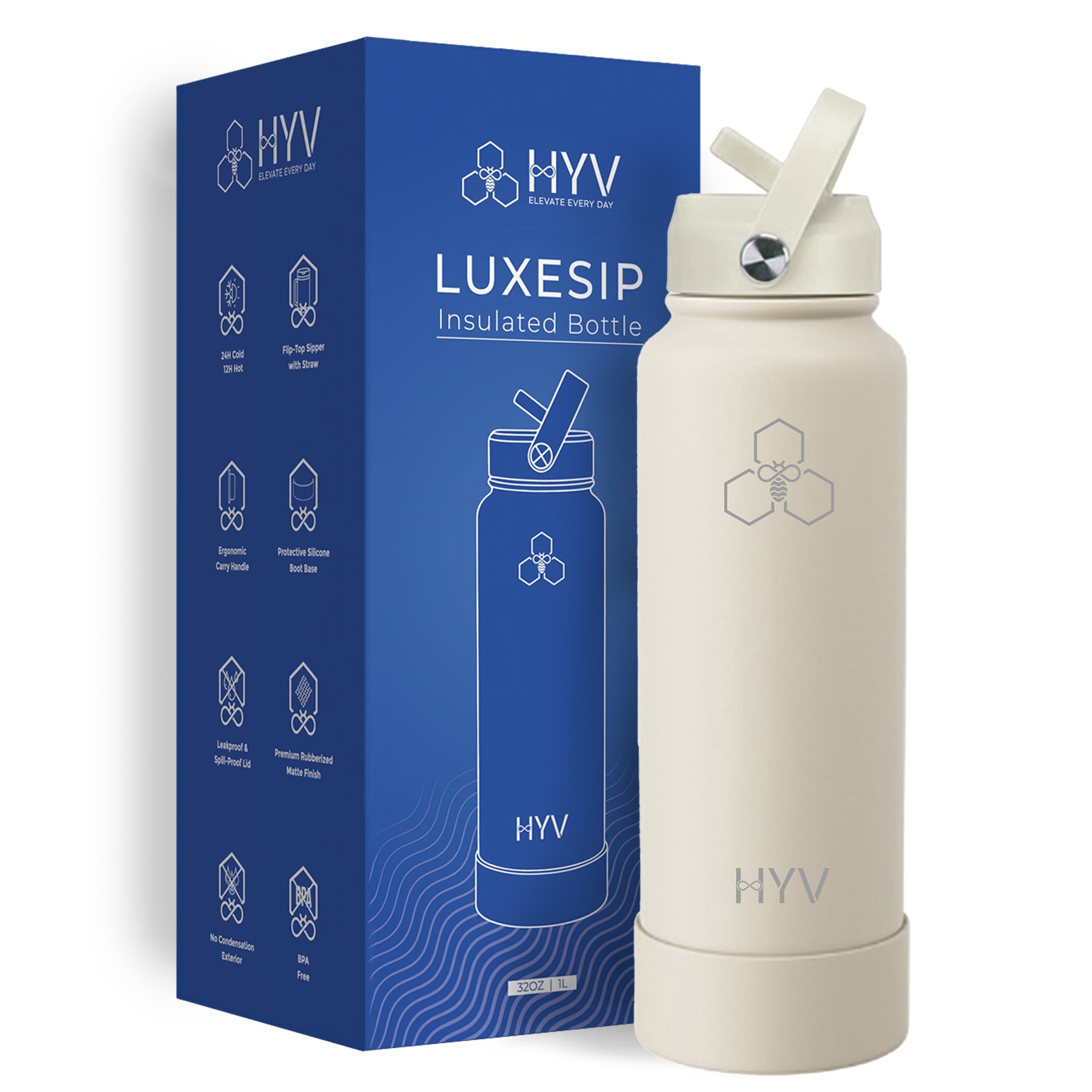
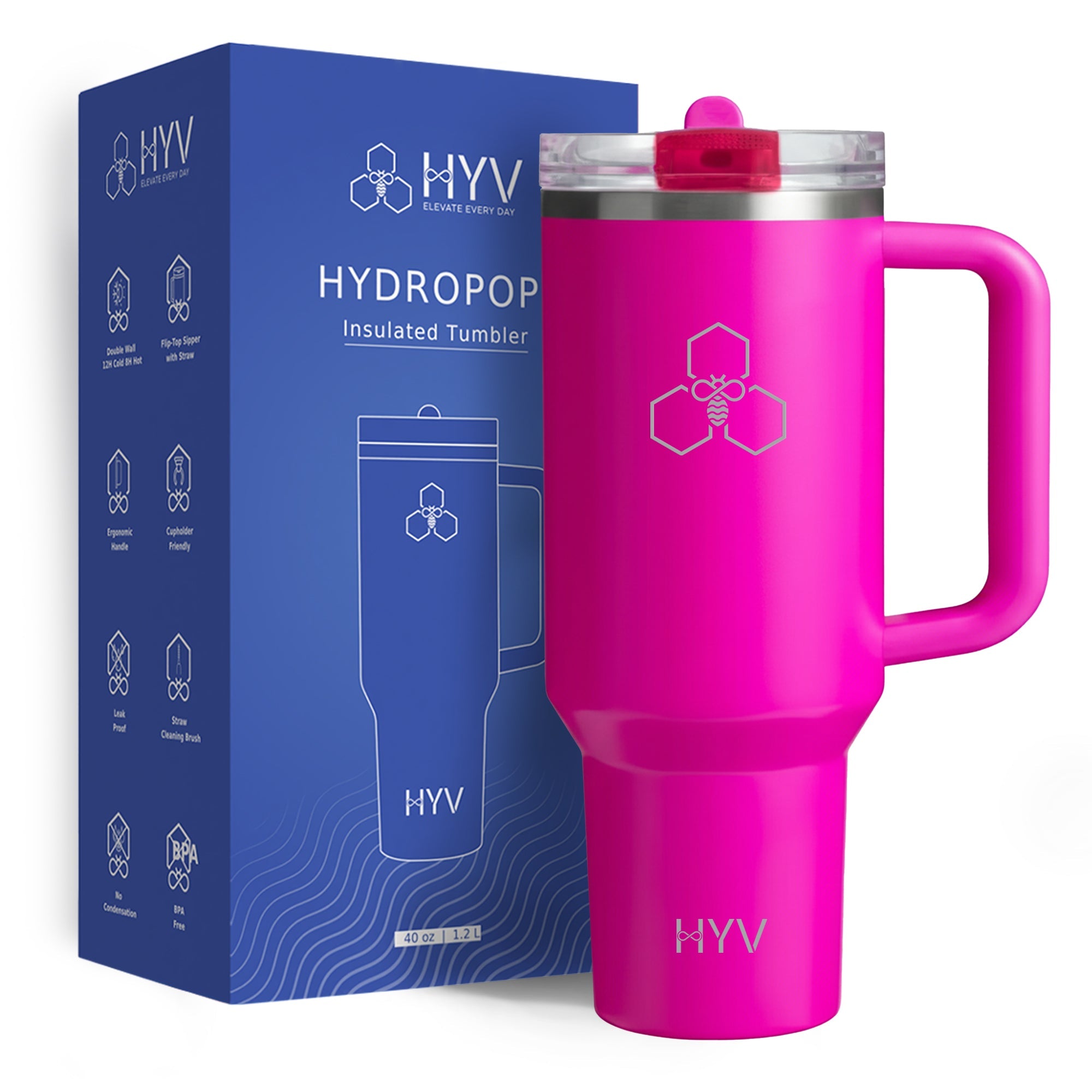
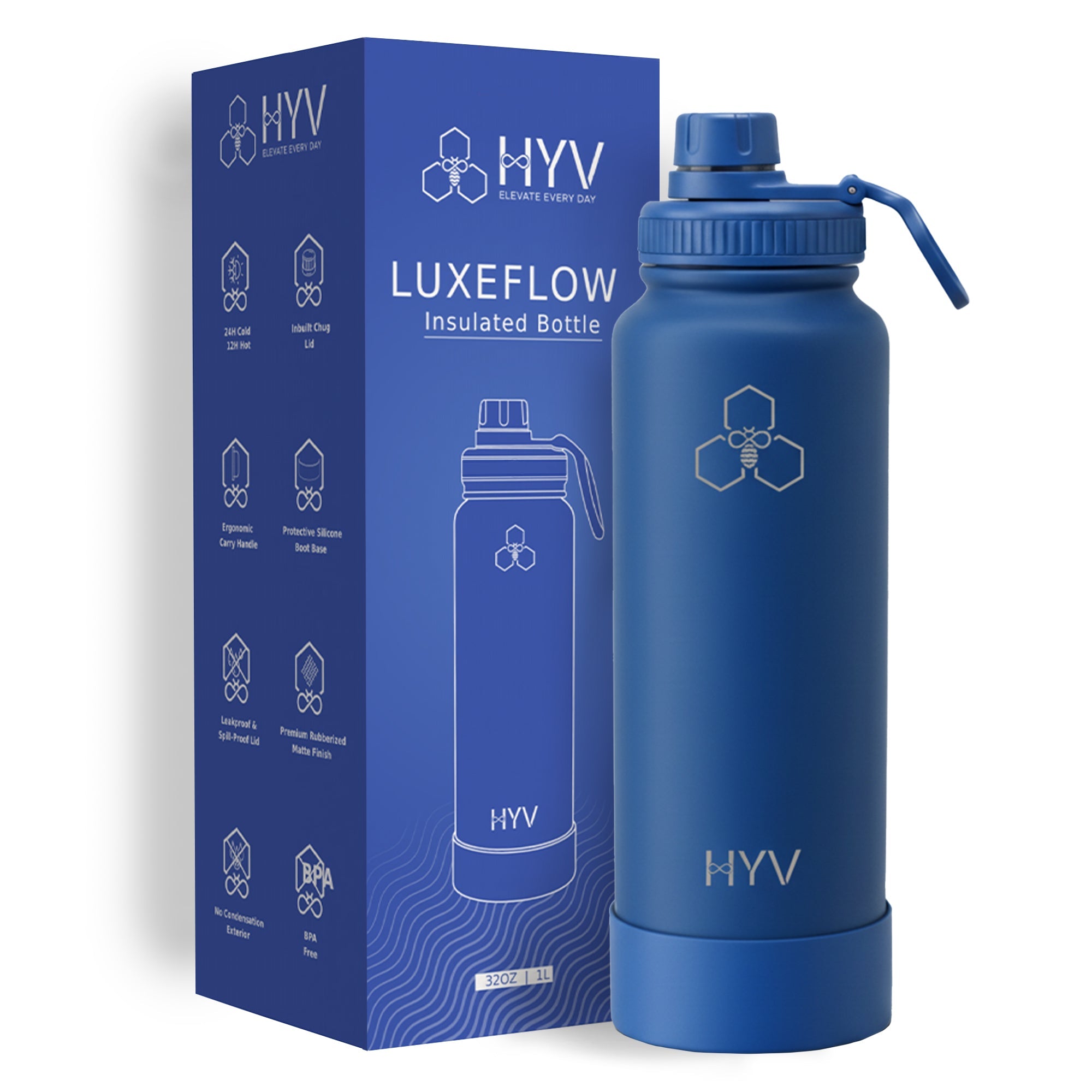
HYV LuxeFlow — vacuum-sealed walls

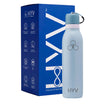
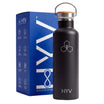
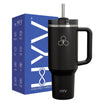
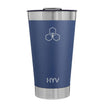
HYV DualFlow 1L — 24hr

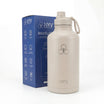
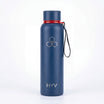
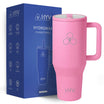
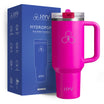
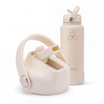
HYV MaxFlow 2L — same tech, 2L
💡 How to Test Your Bottle's Vacuum
Fill with boiling water, seal, touch the exterior after 2 minutes. A properly vacuum-insulated bottle stays room temperature outside regardless of the hot contents. If the exterior feels warm, the vacuum has been compromised or the bottle was never truly vacuum-insulated.
What Destroys a Vacuum Seal
- Denting: A significant dent can crack the inner vacuum wall, allowing air to re-enter. Once the vacuum is gone, the bottle will never insulate properly again — not repairable.
- Dishwasher: High heat cycling can compromise the vacuum seal over time. Always hand wash the bottle body.
- Age: All vacuum seals degrade. A bottle that achieved 24-hour cold when new may only reach 16–18 hours after 4–5 years of daily use.
Made by HYV
HYV makes insulated stainless steel drinkware in India. Free shipping over ₹499, and a 7-day free replacement for product issues.
Shop HYV insulated water bottles →Related: what a dent does to the vacuum.
If you want the fuller picture, see how they compare.
We go into this properly in the honest ranking.
Frequently Asked Questions
BIS-Certified Vacuum Insulation. 24 Hours Cold. From ₹899.
HYV makes BIS-certified bottles. Free shipping above ₹499.
Shop Now →


Leave a comment
This site is protected by hCaptcha and the hCaptcha Privacy Policy and Terms of Service apply.