


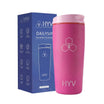
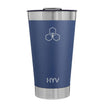
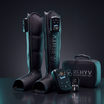
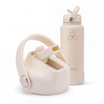



PET (polyethylene terephthalate) water bottle HSN code in India is 3923.30 — "Carboys, bottles, flasks and similar articles of plastics." GST rate: 18% under Chapter 39. This covers all PET water bottles used for packaged drinking water (Bisleri, Kinley, Aquafina), single-serve mineral water bottles, and bulk PET water containers. For imports, add Basic Customs Duty (~10%) + IGST (18%). PET bottles are BPA-free by chemistry but should be single-use — reuse is not recommended.
Key Facts
- PET bottle HSN code: 3923.30 (subheading 3923).
- GST rate: 18%.
- Chapter: 39 (Plastics and articles).
- PET is BPA-free by chemistry but recommended single-use.
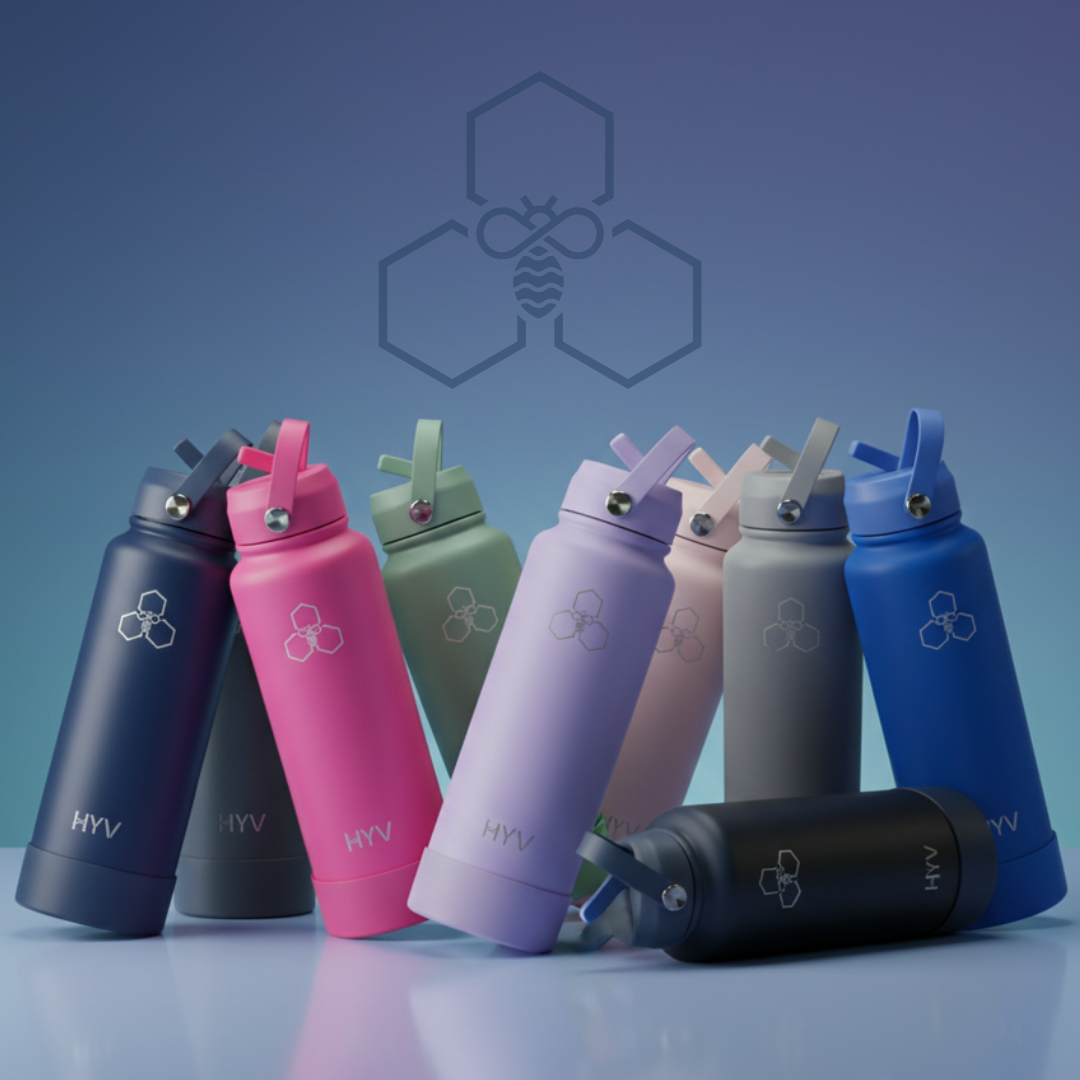
HYV picks, with the actual product
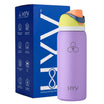
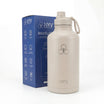
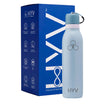
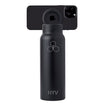
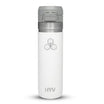
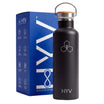
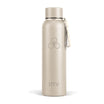
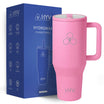
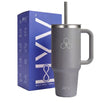
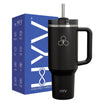
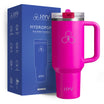
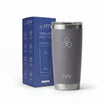
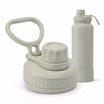
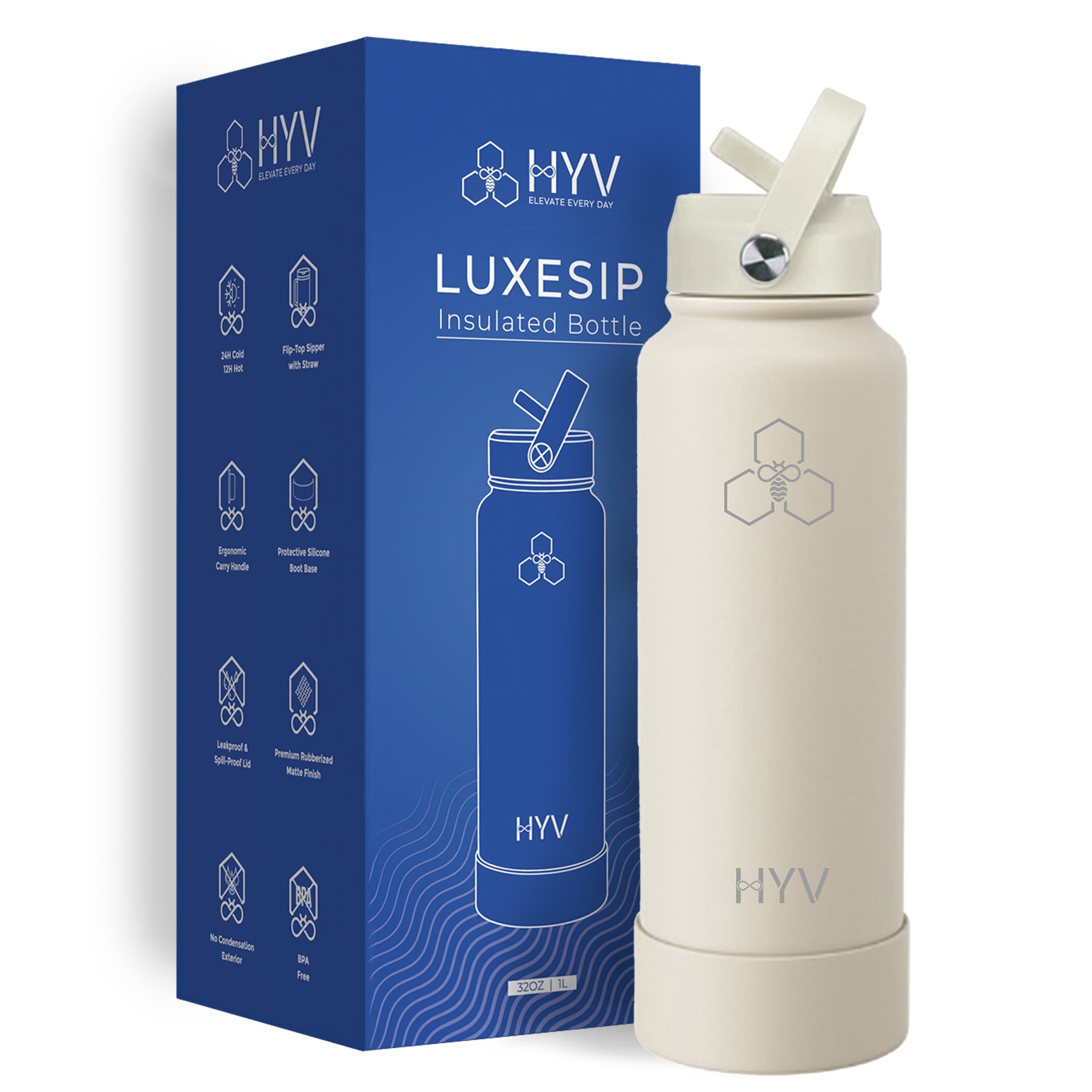
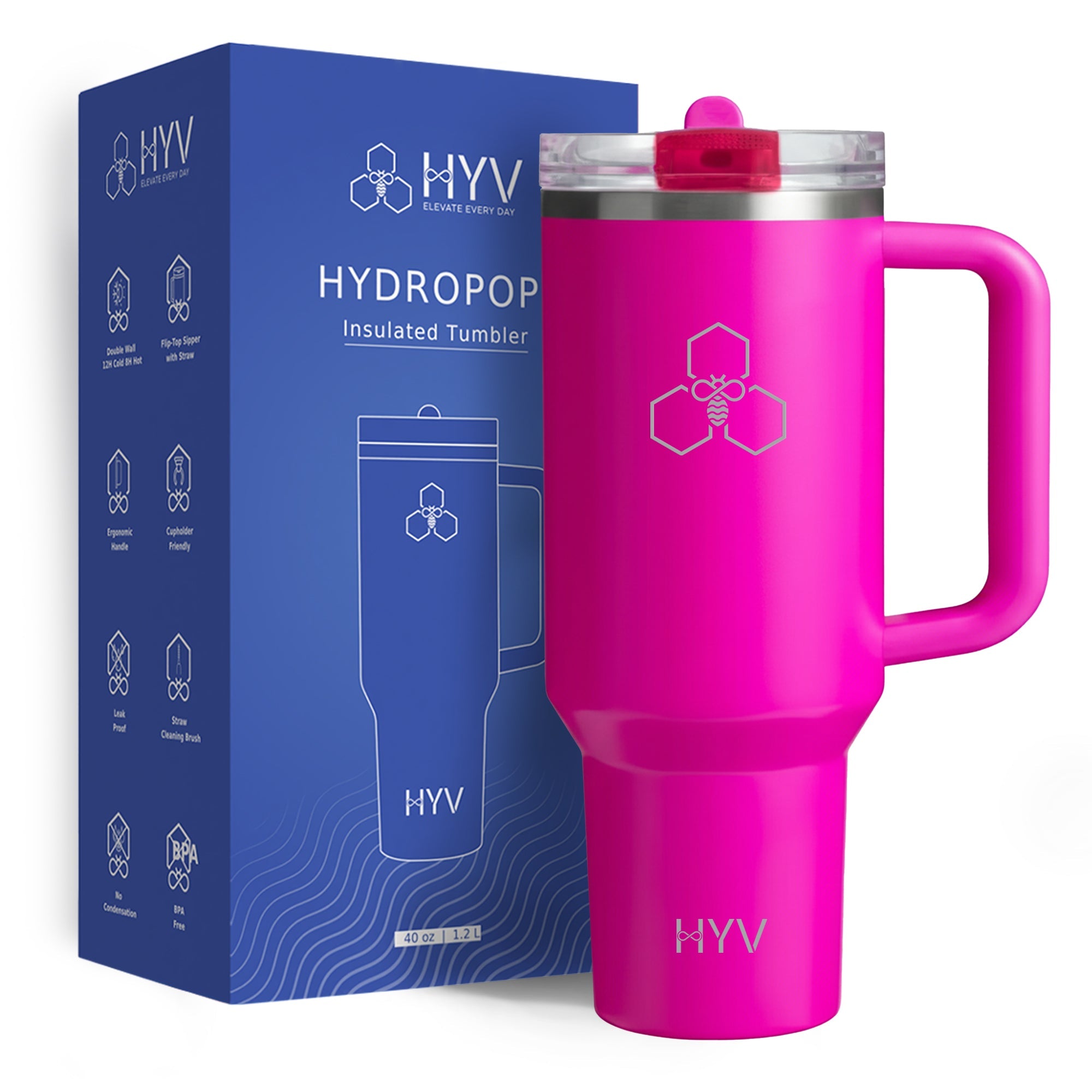
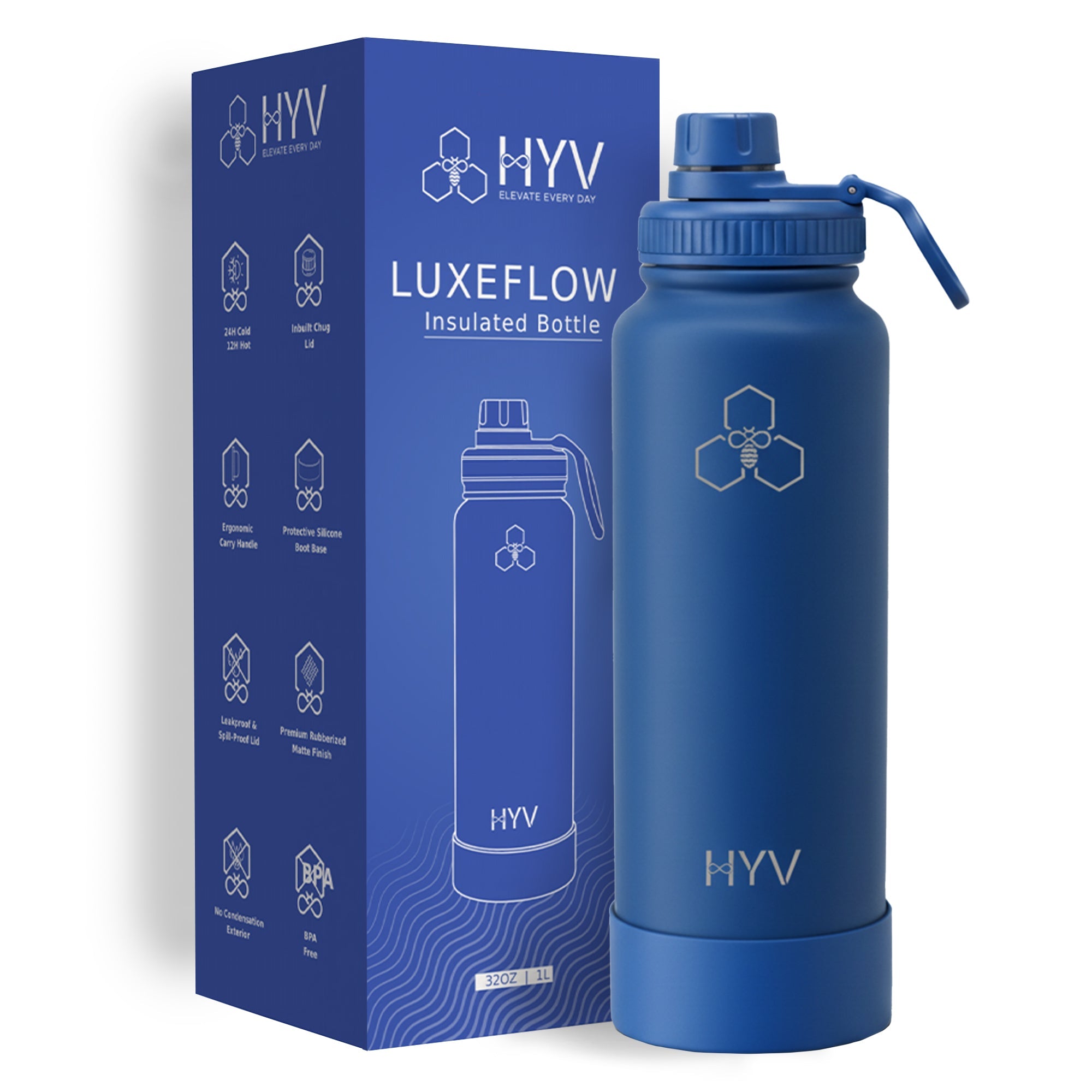
Three models worth looking at for this, photographed as they ship. Prices are the direct price on livehyv.com.


Shop HYV insulated water bottles →
Free shipping on orders over ₹499 · 7-day free replacement for product issues. HYV makes BIS-certified bottles.
HSN 3923 explained
HSN 3923: "Articles for the conveyance or packing of goods, of plastics; stoppers, lids, caps and other closures, of plastics." Sub-heading 3923.30 covers carboys, bottles, flasks — the category that includes all PET water bottles.
GST rate structure
GST on HSN 3923: 18% (CGST 9% + SGST 9% for intra-state; IGST 18% for inter-state). Applies to all plastic bottles regardless of size or content type.
PET vs other plastics
- PET (Polyethylene terephthalate): HSN 3923. Water bottles, food packaging. BPA-free by chemistry.
- HDPE (High-density polyethylene): HSN 3923. Milk jugs, some water containers.
- Polycarbonate: HSN 3923. Sometimes used for reusable bottles — historically had BPA concerns (now largely BPA-free).
PET safety and reuse
PET is BPA-free by chemistry — the plastic doesn't contain BPA. However, reusing single-use PET bottles is not recommended: (1) they weren't designed for repeated washing, (2) micro-cracks can harbor bacteria, (3) prolonged reuse in heat can cause antimony leaching. For daily reuse, switch to BIS-certified stainless steel — see best insulated bottles India 2026.
Frequently Asked Questions
What is the HSN code for PET bottle?
HSN 3923.30 (sub-heading of 3923), GST 18%.
What is GST on PET water bottle?
18% under Chapter 39.
Rates verified 7 September 2026. HSN classification is stable, but GST rates change by notification — the 22 September 2025 rationalisation removed the 12% and 28% slabs, and any reference still quoting 12% on these goods is out of date. Confirm the current rate against the CBIC rate finder before invoicing, and treat this page as general information rather than tax advice. Classification of a specific product is your CA's call, not ours.
Testing whether insulation actually works
Fill with ice water, leave four hours in a warm room, then touch the outside. A working vacuum bottle stays at room temperature and never sweats. Cold or condensation on the outside means the vacuum has failed.
This matters because vacuum failure is silent: the bottle still holds water and looks perfect, but retention drops from about 24 hours to four or six. Worth running inside the return window on anything new.
Common buying mistakes
- Trusting an uncertified retention claim. If it is not BIS IS 17526:2021 certified, nobody has measured it.
- Buying "double wall insulated" under ₹400. At that price it is usually single-wall steel inside a plastic shell.
- Accepting "SS" or "food-safe steel" as a specification. The grade is the whole point — look for 304.
- Buying too small. A 500ml bottle for an office day means six refills, and almost nobody completes six.
- Ignoring the lid. A screw cap costs you sip frequency every single day.
- Never replacing the gasket — then replacing the whole bottle instead.
How the insulation actually works
Heat moves three ways, and a vacuum bottle blocks each differently. Conduction and convection both need molecules to carry heat — removing the air between the two steel walls eliminates both. Radiation needs no medium, so a reflective copper coating on the outer face of the inner wall bounces it back.
What remains is a slow leak at the neck, where the walls must physically join, and through the lid, which contains no vacuum at all. That is why two bottles with identical vacuum quality can differ by hours: the lid is usually the weakest thermal link.
It also explains three habits that measurably change results: pre-chill or pre-heat the empty bottle for a minute before filling, fill to the top so there is less air inside to convect heat, and keep the lid closed — most heat gain happens at the open neck.


Leave a comment
This site is protected by hCaptcha and the hCaptcha Privacy Policy and Terms of Service apply.