





A BPA-free plastic bottle is safe to drink from as sold. The case for switching away is not acute toxicity — it is lifespan, heat, and microplastics. Plastic develops micro-scratches that harbour bacteria, degrades within two to three years, should never be left in a hot car, and sheds microplastics as it ages. It also insulates nothing. Single-use PET bottles are worse again: they are designed for one use, and repeated washing plus heat is genuinely not advisable. For daily long-term use, insulated 304 stainless steel costs more up front and less over a decade. Plastic still wins for weight, price, and pure drop resistance, which is why Tritan dominates serious outdoor bottles.
- BPA-free plastic is safe as sold — the problems are lifespan, heat exposure, and microplastic shedding.
- Plastic bottles degrade in 2–3 years; insulated steel lasts 5–10.
- Never leave a plastic bottle in a hot car — heat accelerates chemical migration.
- Single-use PET should not be reused: micro-cracks harbour bacteria and prolonged reuse in heat can leach antimony.
- Tritan plastic is close to unbreakable and remains the right choice for outdoor and rough use.
HYV picks, with the actual product
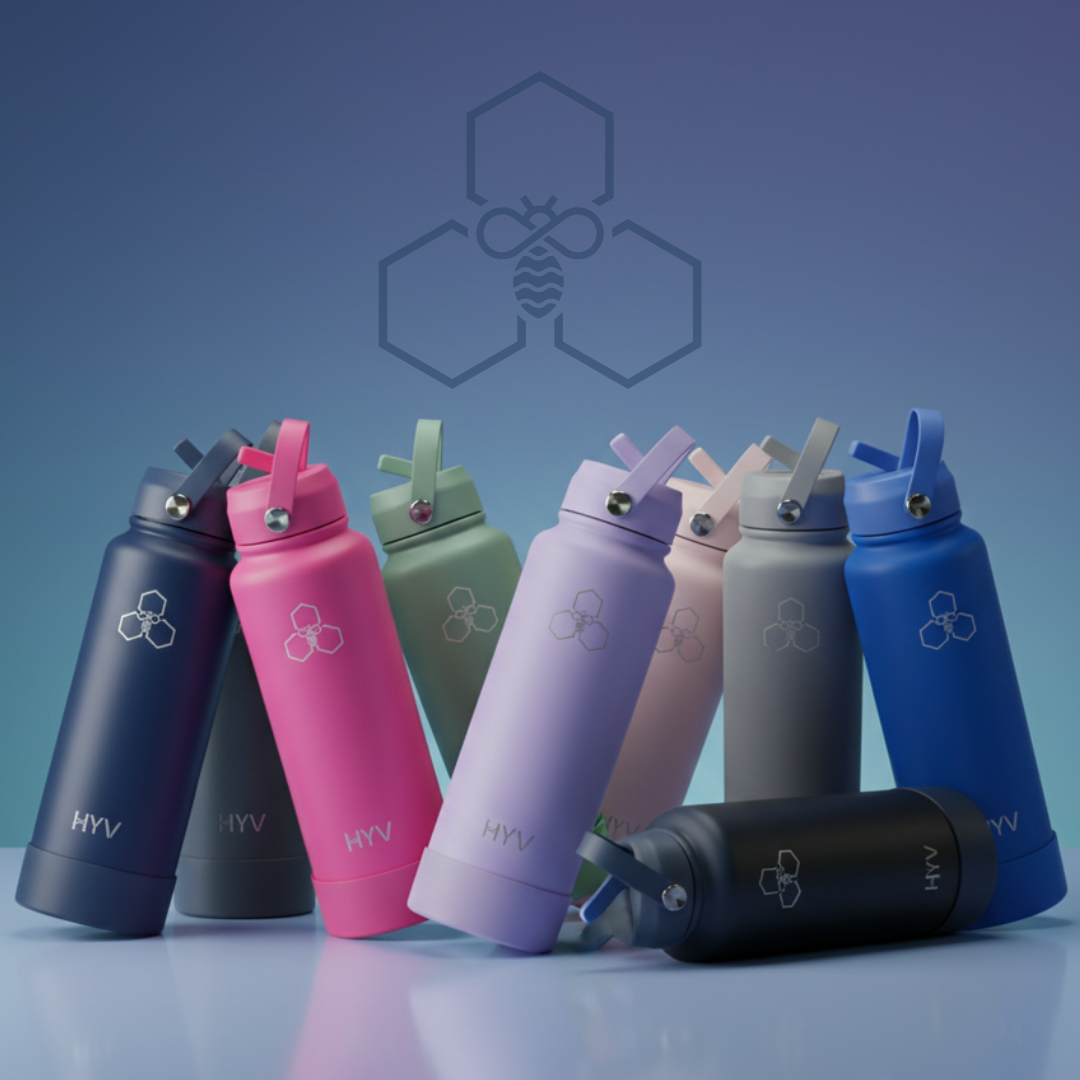
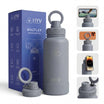
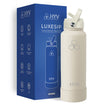
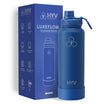
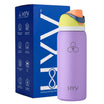
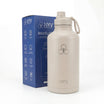
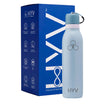
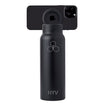
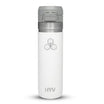
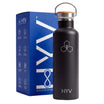
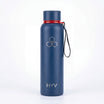
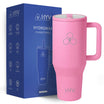
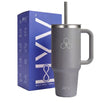
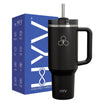
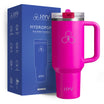
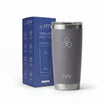
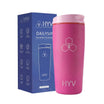
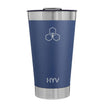
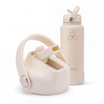
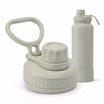
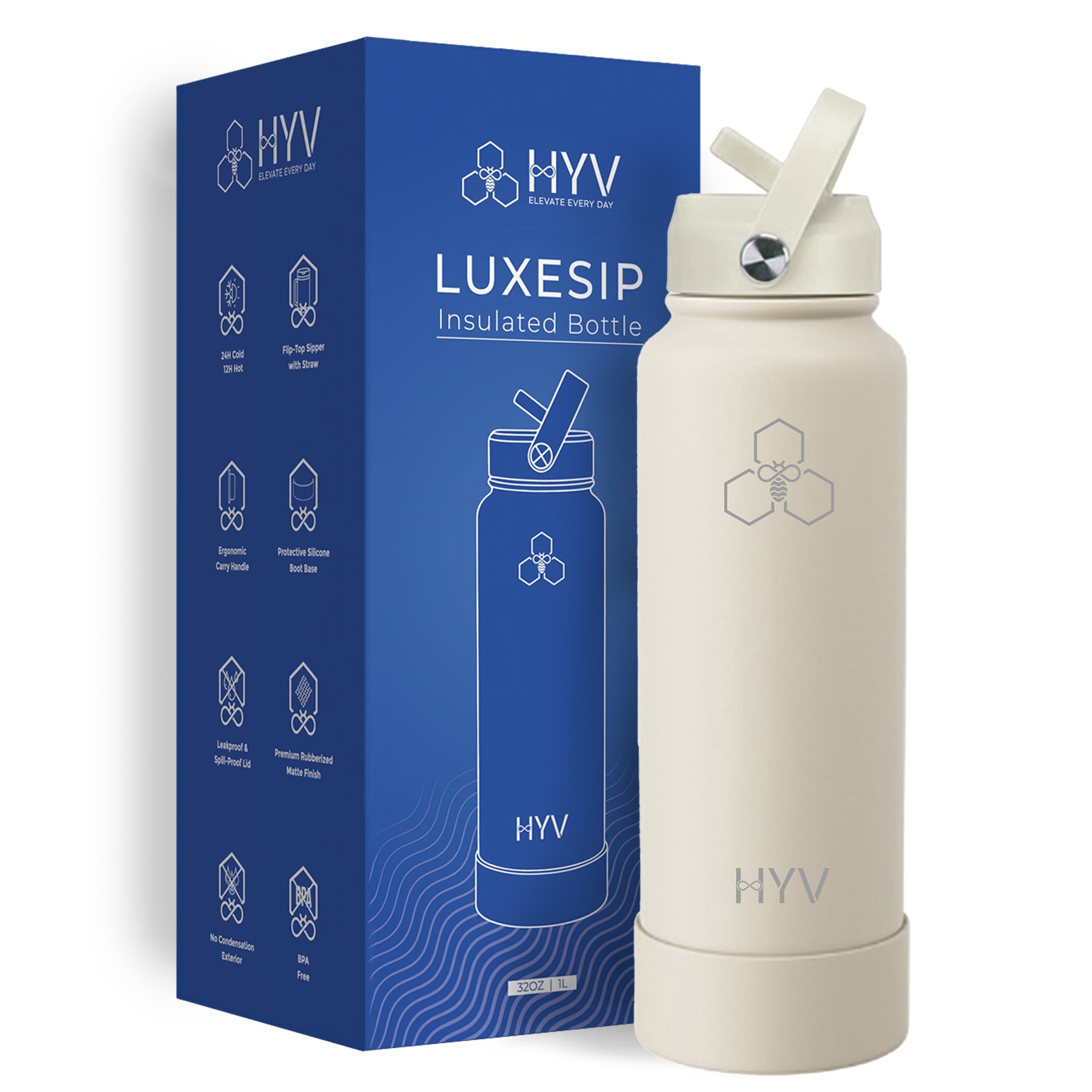
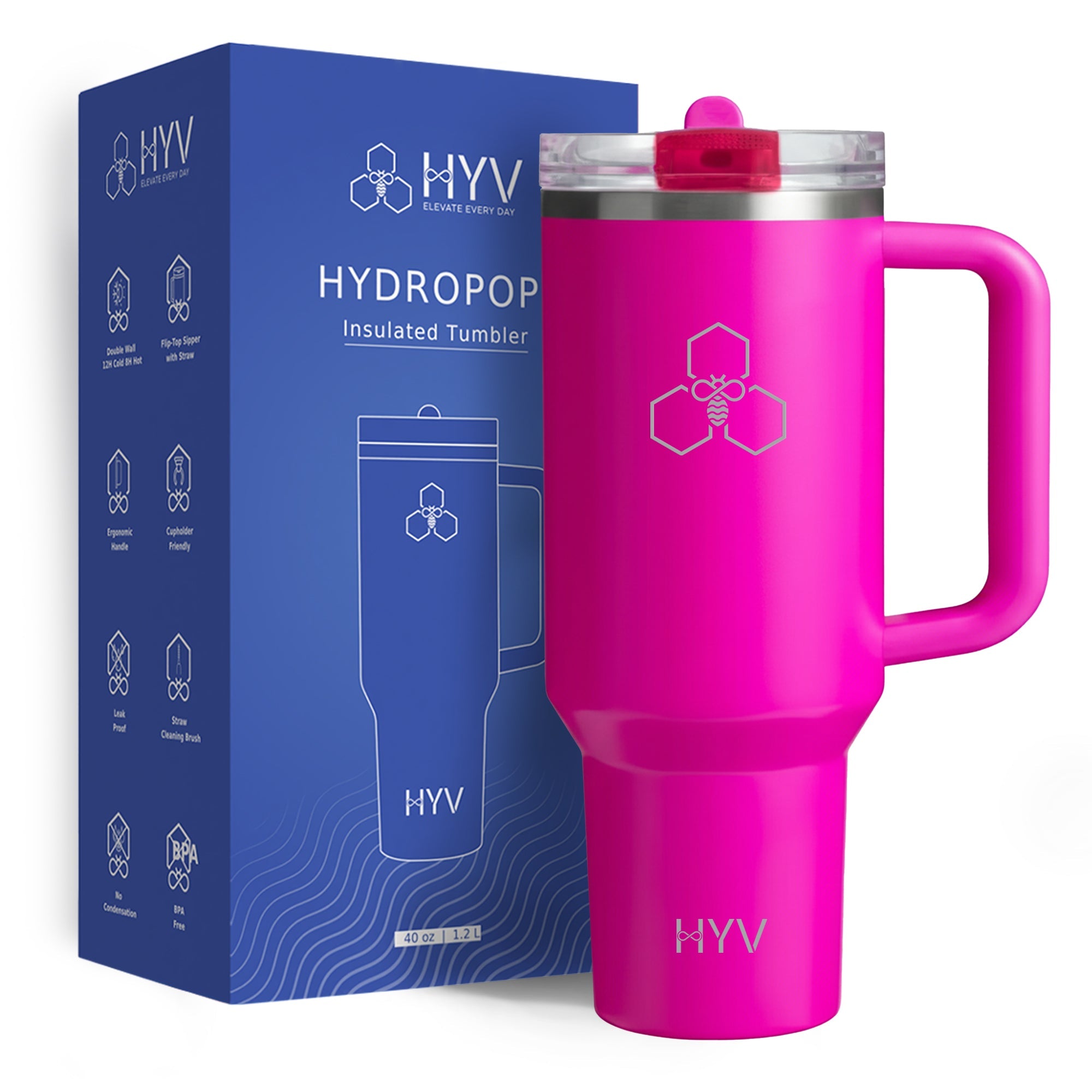
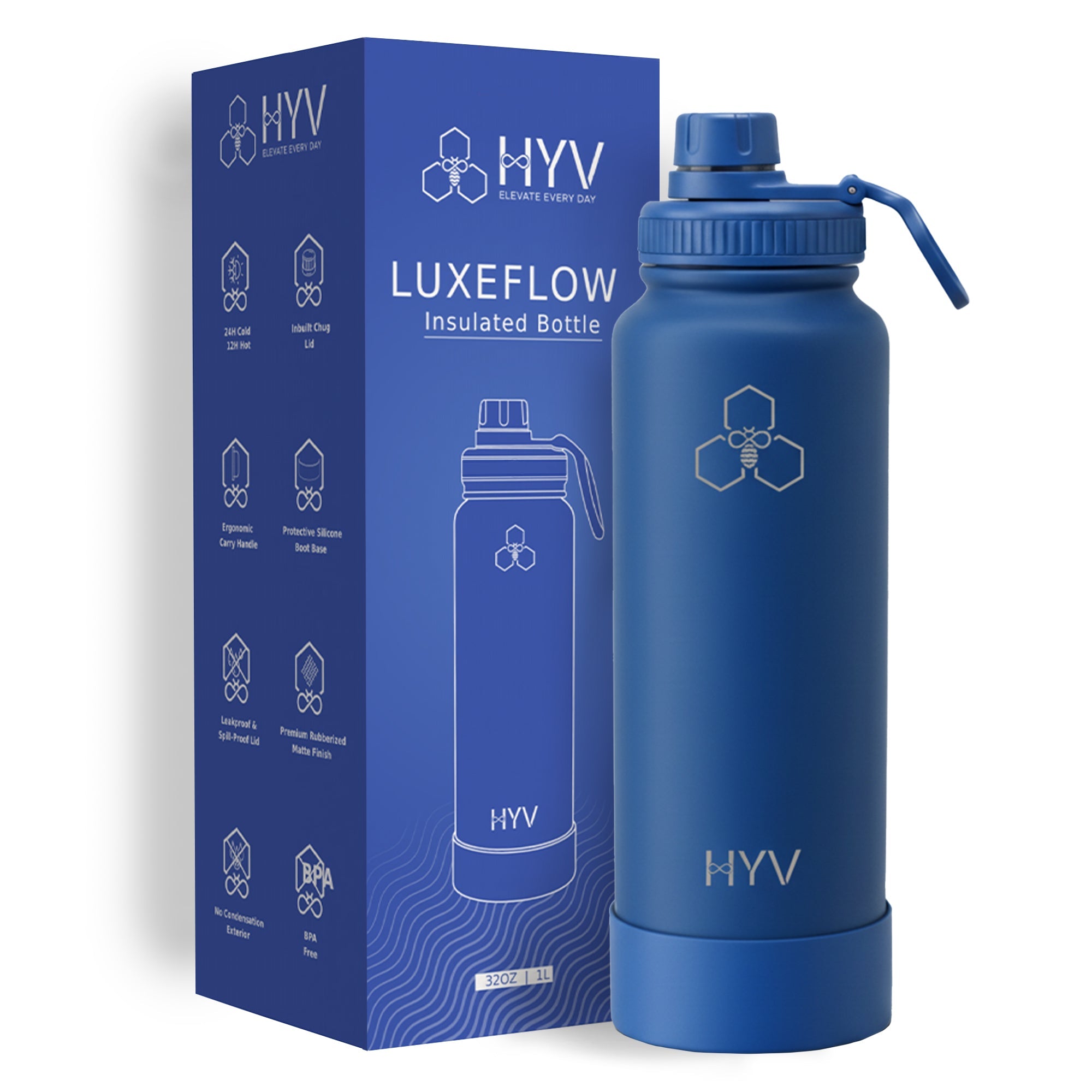
Three models worth looking at for this, photographed as they ship. Prices are the direct price on livehyv.com.


Shop HYV insulated water bottles →
Free shipping on orders over ₹499 · 7-day free replacement for product issues. HYV makes BIS-certified bottles.
What is actually wrong with plastic, honestly
It is worth being precise here, because the topic attracts a lot of overstatement.
BPA is largely a solved problem. Bisphenol A was used in polycarbonate bottles and was linked to endocrine effects. It has been phased out of drinkware, and virtually all plastic bottles sold in India today are BPA-free. If you are drinking from a modern BPA-free bottle, you are not consuming BPA.
The real issues are three:
- Degradation over time. Plastic surfaces develop micro-scratches from washing and daily handling. Those scratches harbour bacteria that a rinse does not reach, and the material itself becomes more brittle and more prone to shedding.
- Heat. Chemical migration from plastic into liquid accelerates sharply with temperature. A bottle left in a parked car in an Indian summer — where interiors reach 45–50°C — is a genuinely different situation from the same bottle at room temperature.
- Microplastics. Research on plastic drinkware consistently finds microplastic particles in the water, increasing with bottle age and wear. Long-term health effects are not well characterised, which is precisely the reason for caution rather than reassurance.
Single-use PET should not be reused
Refilling a Bisleri or Kinley bottle is common practice and worth stopping.
Single-use PET is engineered for one fill. It is thin, and repeated washing creates micro-cracks along the ribs and base that are effectively impossible to clean. Prolonged reuse, particularly with heat, is also associated with antimony leaching — antimony trioxide is used as a catalyst in PET manufacture.
None of this makes a single refill dangerous. It makes six months of daily refilling a bad idea. If you want a refillable bottle, buy a refillable bottle and recycle the PET.
The plastics you will encounter
| Plastic | Where it appears | Verdict |
|---|---|---|
| PET / PETE (1) | Single-use packaged water | Safe once; do not reuse long-term |
| HDPE (2) | Milk jugs, some containers | Stable, low risk |
| Tritan copolyester (7) | Nalgene and premium sports bottles | BPA-free, near-unbreakable, the best plastic for bottles |
| Polypropylene / PP (5) | Kids bottles, lids | Heat-tolerant, generally fine |
| Polycarbonate (7, older) | Legacy hard bottles | The original BPA concern — avoid old ones |
Note that resin code 7 is a catch-all. Tritan and old polycarbonate can both carry a 7, which is why "BPA-free" stated explicitly matters more than the number in the triangle.
Where plastic still wins
Switching away wholesale is not the right conclusion. Plastic genuinely beats steel in three situations:
- Weight. 120g for a 1L against 340g for insulated steel. For trail running, cycling, and ultralight hiking that difference is real.
- Drop resistance. Tritan does not dent or shatter. It is the outdoor standard for a reason.
- Price and replaceability. For a child who loses a bottle every term, ₹350 replaced twice a year beats ₹1,899 lost once.
Plastic also has one under-appreciated advantage: you can see through it. Cleanliness is verifiable in a way it is not inside steel.
What switching actually costs and saves
A ₹400 plastic bottle replaced every two years costs ₹2,000 across a decade and gives you warm water throughout. A ₹1,899 BIS-certified insulated steel bottle covers the same decade for less, and holds cold for about 24 hours the entire time.
Against packaged water the gap is much larger. A household buying 3 litres a day at ₹20 per litre spends roughly ₹21,900 a year and puts about 1,100 PET bottles into circulation. A home RO system at ₹15,000–25,000 plus an insulated bottle pays for itself inside a year.
Steel is also genuinely recyclable at end of life, which plastic effectively is not at Indian collection rates.
If you keep using plastic, do this
- Confirm BPA-free stated explicitly on the product — not inferred from the resin code.
- Never leave it in a parked car. This is the single highest-exposure scenario in Indian conditions.
- Do not use it for hot liquids unless it is specifically rated for them.
- Replace it every two years, or sooner if the interior is scratched, cloudy, or holds a smell.
- Hand wash rather than dishwash — dishwasher heat accelerates degradation.
- Do not reuse single-use PET beyond a day or two.
What to switch to
- Daily use: BIS-certified insulated 304 stainless, 750ml–1L, ₹850–1,900. See best insulated water bottles India.
- Desk and infused water: borosilicate glass, ₹450–1,200. See glass — when to buy and when to skip.
- Outdoor and ultralight: keep Tritan. It is the right tool.
- School children: insulated steel with a spill-proof lid — unbreakable, and no plastic degradation over the years it gets used.
Frequently Asked Questions
Are plastic water bottles safe to drink from?
BPA-free plastic is safe as sold. The concerns are cumulative rather than acute — degradation over 2–3 years, chemical migration accelerated by heat, and microplastic shedding that increases as the bottle ages.
Can I reuse a Bisleri or packaged water bottle?
Not for long. Single-use PET is engineered for one fill; repeated washing creates micro-cracks that harbour bacteria, and prolonged reuse in heat is associated with antimony leaching. Recycle it and buy a refillable bottle.
Is Tritan plastic safe?
Yes. Tritan is BPA-free, does not shatter, and is the standard for serious outdoor bottles. It still does not insulate and still degrades eventually, but it is the best plastic available for drinkware.
Why should I switch from plastic to steel?
Lifespan and temperature. Steel lasts 5–10 years against 2–3 for plastic, is chemically inert so it does not degrade or shed microplastics, and when double-walled holds cold for about 24 hours — which plastic cannot do at all.


Leave a comment
This site is protected by hCaptcha and the hCaptcha Privacy Policy and Terms of Service apply.