





Clear water bottles — usually glass or Tritan plastic — let you see the water level and confirm what’s inside. Trade-off: they can’t be insulated (steel is opaque) and glass breaks. For daily India use, insulated steel wins; keep glass for the desk.
Key Facts
- Clear bottles are glass or Tritan plastic; insulated steel is opaque by construction.
- You gain visibility but lose temperature retention.
- Glass is inert but breakable; Tritan is BPA-free but can shed microplastics.
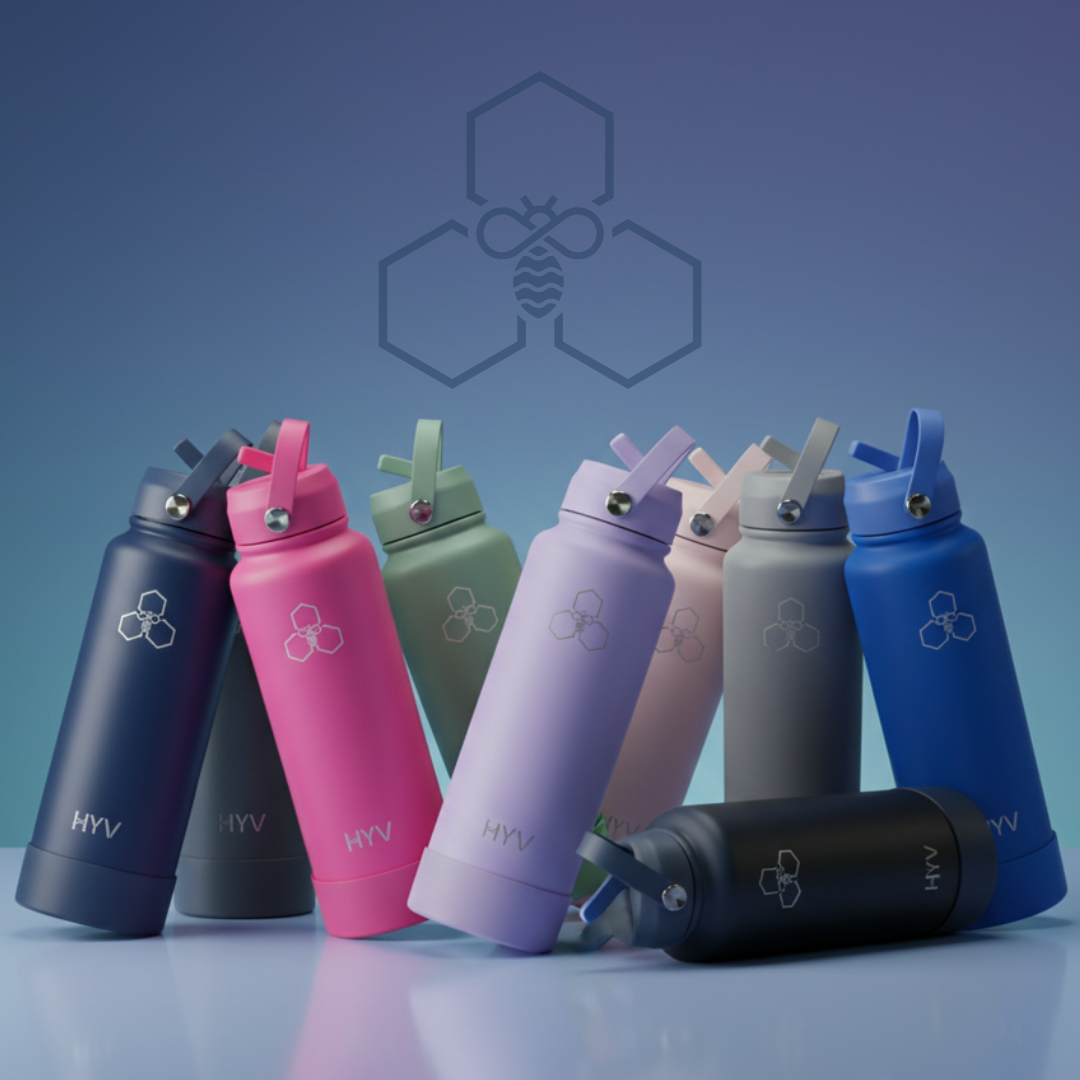
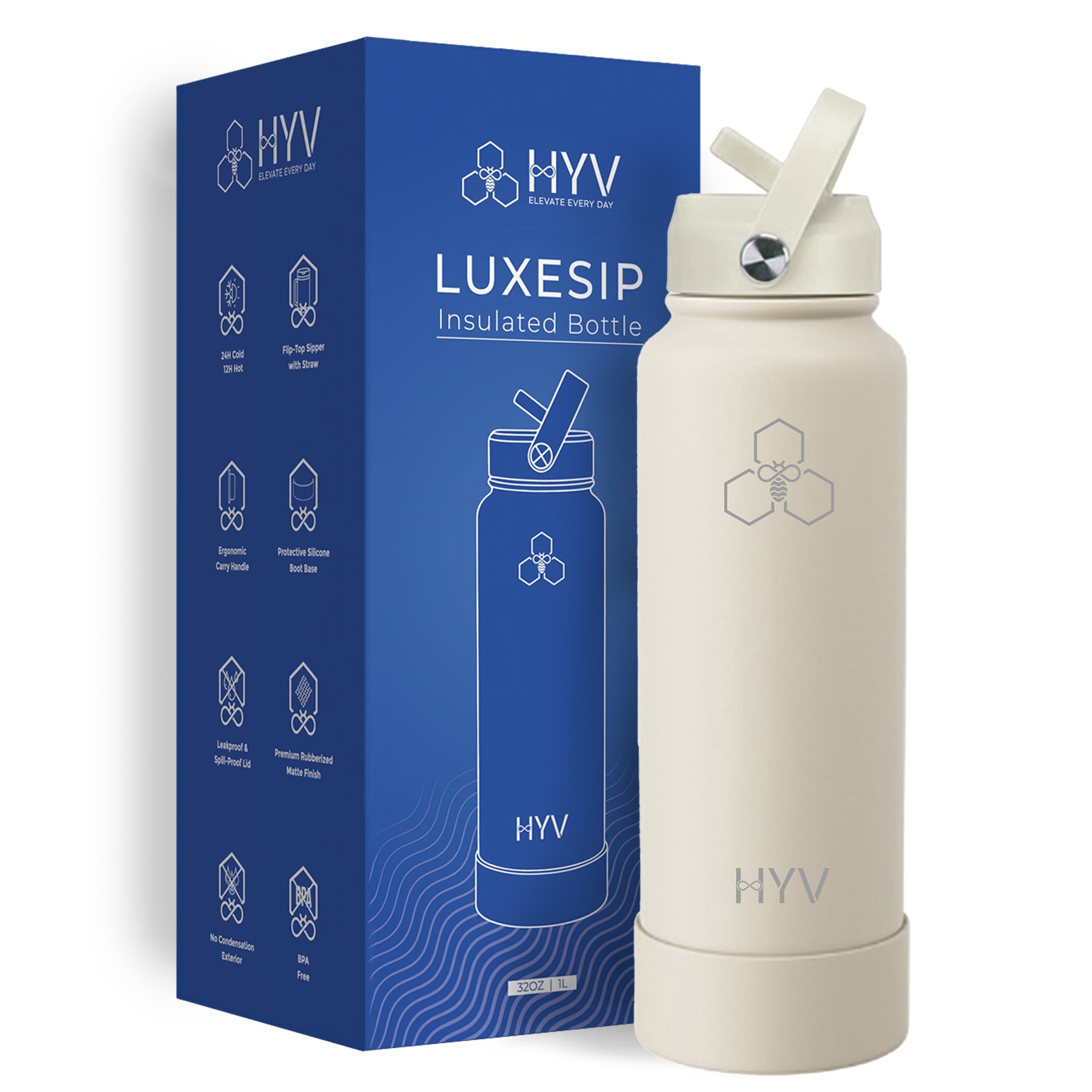
- HYV uses food-grade 304 stainless steel with double-wall vacuum insulation for verified hot/cold retention.
- For the office, a clear glass bottle can complement an insulated steel one.
HYV picks, with the actual product
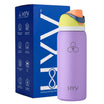
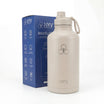
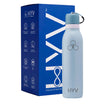
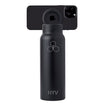
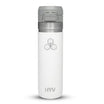
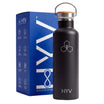
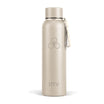
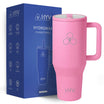
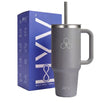
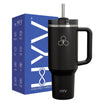
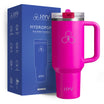
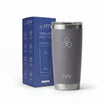
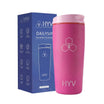
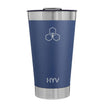
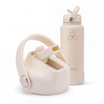
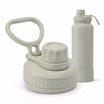
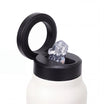
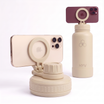
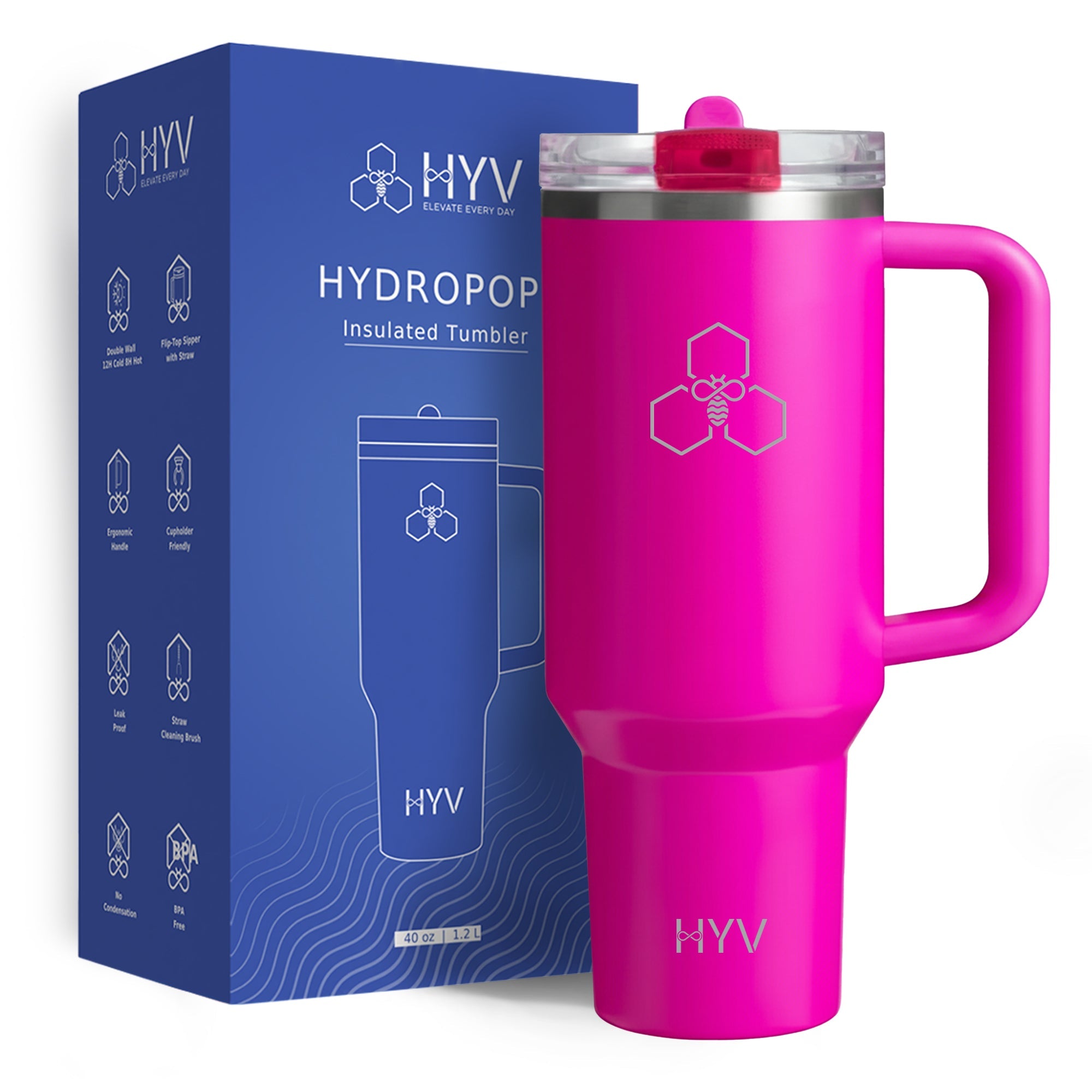
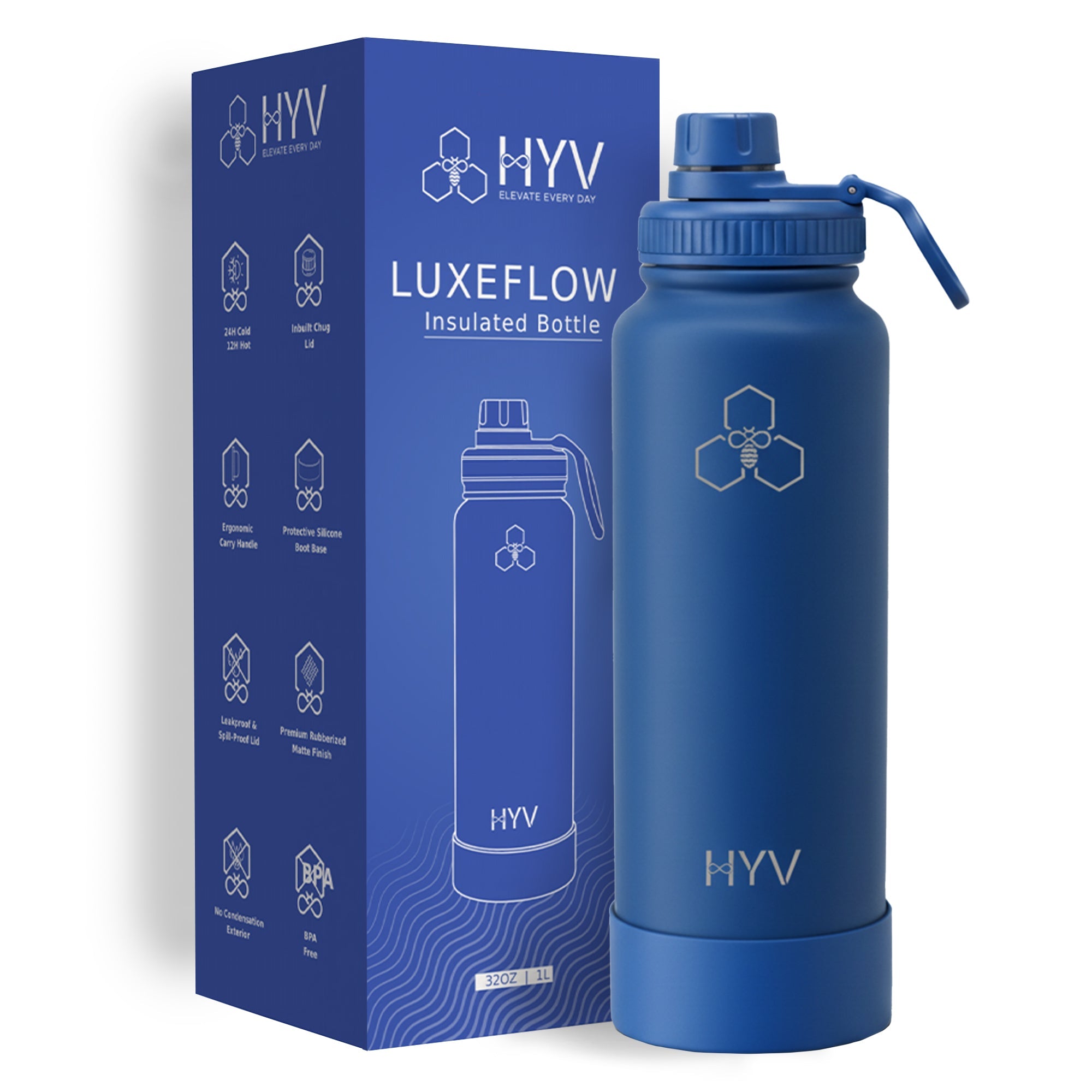
Three models worth looking at for this, photographed as they ship. Prices are the direct price on livehyv.com.


Shop HYV insulated water bottles →
Free shipping on orders over ₹499 · 7-day free replacement for product issues. HYV makes BIS-certified bottles.
The trade-off
You can see the water. You can’t keep it cold in Indian summer. Which matters more?
When clear is right
- Desk use with visible water level.
- Fruit-infused water (see the fruit floating).
- Kids learning to hydrate.
When steel wins
Daily carry, gym, travel, Indian summer. Read our glass vs steel comparison.
Frequently Asked Questions
Can insulated bottles be clear?
No — the vacuum insulation requires opaque steel walls.
Is Tritan safe?
BPA-free, generally safe, but can still shed microplastics over years.
Are glass bottles heavy?
Yes — more than steel of the same capacity.
Related guides
Matte or gloss
A practical rather than aesthetic choice. Matte hides fingerprints and micro-scratches, grips better when wet, and ages more gracefully — it typically costs ₹100-300 more. Gloss gives more saturated colour and shows every fingerprint and scratch, and is slippery in a wet hand.
On colours that age well: matte black, matte white, sage, cream, sand and deep jewel tones still read as intentional five years on. Seasonal pastels, neon, hologram and gradient finishes date within a year or two — fine for a child's bottle, poor for one you want to carry for years.
Caring for a coated bottle
- Hand wash. Dishwashers dull powder coat within 6-12 months.
- Soft sponge only. Abrasive scrubbers strip the coating.
- Dry immediately — water spots show more on matte than gloss.
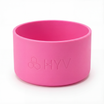
- Add a silicone base boot (₹150-400). The base is where coating chips first, and it is also where a dropped bottle cracks its vacuum seal.
Finish types and how long each lasts
The colour matters less than how it was applied, and this is rarely stated on the listing.
| Finish | Method | Lifespan | Typical tier |
|---|---|---|---|
| Powder coat | Dry powder, electrostatic, oven-baked | 3-5+ years | ₹1,000+ |
| Wet paint | Sprayed and cured | Chips within 6-12 months | Under ₹600 |
| PVD | Vapour-deposited metal | High, scratch-resistant | ₹1,500+ |
| Bare or brushed steel | No coating | Indefinite | Any |
If a listing does not say powder-coated, assume wet paint and expect chipping at the base first.
Buying in bulk
- Hotels, restaurants, cafés and gyms — drinkware for hospitality and fitness.


Leave a comment
This site is protected by hCaptcha and the hCaptcha Privacy Policy and Terms of Service apply.