





Bacteria in reusable bottles grow in biofilm — a slimy layer that forms wherever water sits undisturbed, overwhelmingly in the lid threads, gaskets and straws rather than the smooth body. The fix is not sterilising; it is drying. A bottle stored open and dry cannot form biofilm, because biofilm needs standing moisture.
Key Facts
- The lid, gasket and straw hold far more bacteria than the bottle body.
- Biofilm needs standing moisture — storing a bottle dry and open prevents it.
- Smell is the practical warning sign, and it comes from the lid almost every time.
- Sugary drinks and milk accelerate growth dramatically compared with plain water.
HYV picks, with the actual product
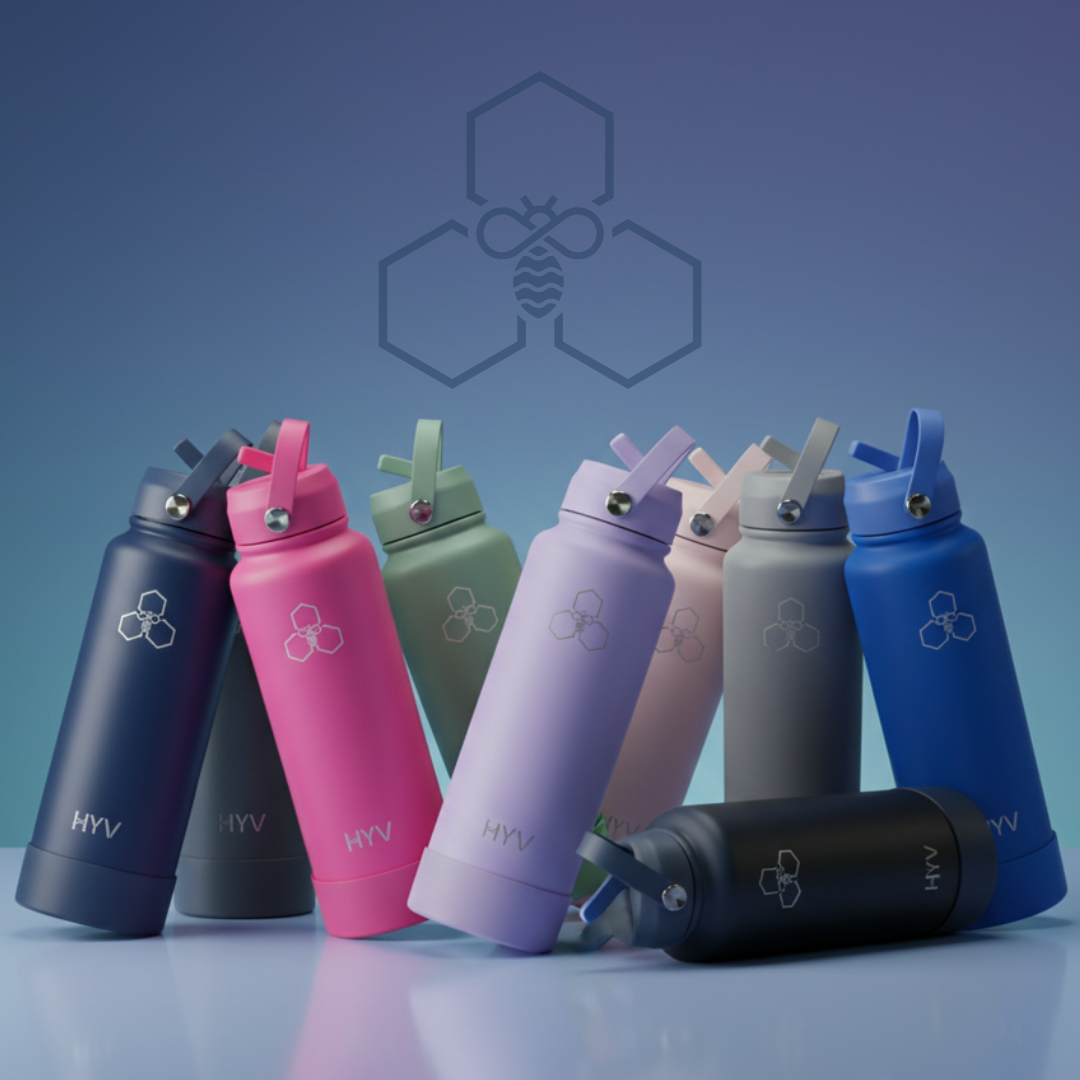
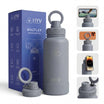
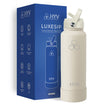
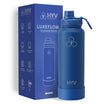
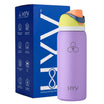
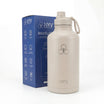
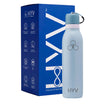
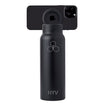
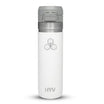
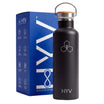
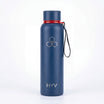
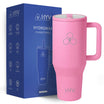
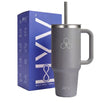
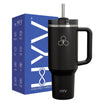
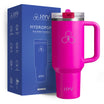
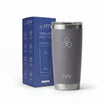
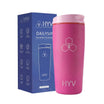
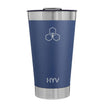
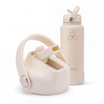
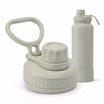
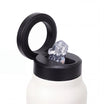
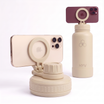
Three models worth looking at for this, photographed as they ship. Prices are the direct price on livehyv.com.


Shop HYV insulated water bottles →
Free shipping on orders over ₹499 · 7-day free replacement for product issues. BIS IS 17526:2021 is granted per product. LuxeSip, LuxeFlow and MagFlex carry it; the other models do not.
Where bacteria actually grow
Alarming headlines about bottles being "dirtier than a toilet seat" mostly measure total bacterial counts, which is not the same as a health risk — but the underlying point about location is correct and useful.
Growth happens where water sits still and air does not reach:
- Lid threads — the single worst spot. Water gets in, never dries, and a sponge does not reach.
- Silicone gaskets — the seal ring traps water underneath it and is rarely removed.
- Straws and bite valves — long, narrow, permanently damp, and impossible to clean without a dedicated brush.
- Scratches in plastic — biofilm anchors in scratches, which is a real advantage of steel over worn plastic.
The smooth inner wall of a steel bottle is the least of your problems.
Why drying matters more than scrubbing
Biofilm is a community of bacteria in a self-produced matrix that sticks to surfaces. It requires standing moisture to establish. Remove the moisture and the problem does not start — which is why the single most effective habit is also the easiest.
Store the bottle empty, unscrewed and upside down. A bottle sealed damp overnight is doing the one thing that reliably grows a smell; a bottle left open and dry is essentially inert.
A routine that actually works
- Daily: rinse, then leave open to dry. That is genuinely most of the benefit.
- Weekly: brush the neck threads and the lid with warm soapy water. Remove the gasket if it comes out. Brush the straw with a straw brush.
- Monthly, or after anything but water: soak in warm water with a spoon of bicarbonate of soda, then rinse thoroughly.
- Never: bleach or steel wool. Bleach is unnecessary and hard to rinse out of gaskets; abrasives scratch the passive layer on steel and give biofilm somewhere to anchor.
What raises the risk, and what lowers it
Higher risk: sugary drinks, juice, milk and protein shakes, all of which supply food as well as moisture. Warmth. Multi-part lids with hidden channels. Scratched plastic. Refilling without ever emptying and drying.
Lower risk: plain water only. Smooth food-grade 304 steel, which does not scratch the way plastic does. A single-piece lid you can fully take apart. And — the practical one — the ability to buy a replacement lid, so that a gasket that has perished can be replaced rather than lived with.
If your bottle already smells, the lid is the culprit far more often than the body. The full cleaning method is here.
Frequently Asked Questions
Are reusable water bottles unhygienic?
Not inherently — a bottle used for water and stored dry and open carries very little. The problems come from storing it sealed while damp, using it for sugary drinks, and never cleaning the lid.
How often should you wash a water bottle?
Rinse and air-dry daily, clean the lid and threads properly once a week, and deep-clean monthly. If you use it for anything other than water, clean it fully the same day.
Why does my water bottle smell even after washing?
Because the smell is in the lid, not the body. Threads and gasket channels hold water that a sponge never reaches. Brush the threads, remove and wash the gasket separately, and store the lid off.
Is steel more hygienic than plastic?
In practice yes, mainly because plastic scratches with use and biofilm anchors in the scratches. Smooth food-grade 304 steel gives bacteria far less to hold on to and does not retain flavours.
Shop the shortlist
- See the reusable bottles — HYV bottles and tumblers in one shortlist — 470 ml to 2 L, double-wall vacuum steel.

Leave a comment
This site is protected by hCaptcha and the hCaptcha Privacy Policy and Terms of Service apply.