




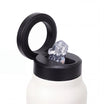


Glass is the best material for taste and the worst for durability. A 1 litre glass bottle suits home, desk and table use where it will not be dropped, and is a poor choice for bags, gyms, travel and children. It also cannot be vacuum insulated in the way steel can, so it will not keep water cold.
Key Facts
- Glass is chemically inert — no leaching, no flavour retention of any kind.
- It cannot be vacuum insulated like steel, so temperature retention is minimal.
- A full 1 L glass bottle is heavy and breaks on hard floors.
- Borosilicate resists thermal shock; ordinary glass can crack with sudden temperature change.
HYV picks, with the actual product
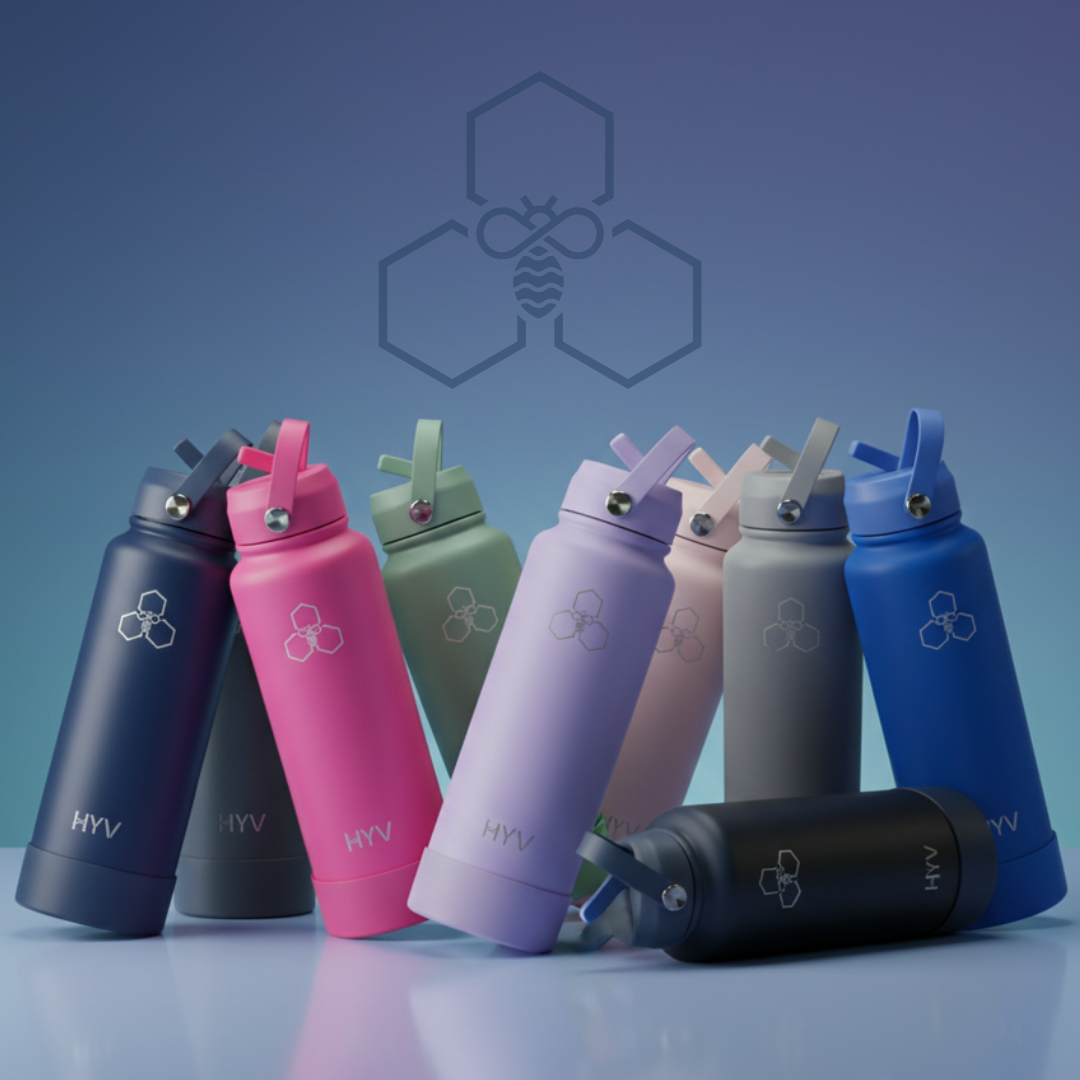
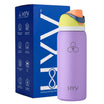
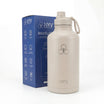
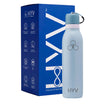
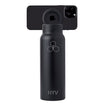
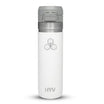
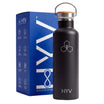
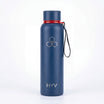
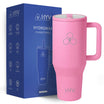
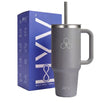
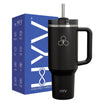
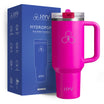
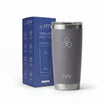
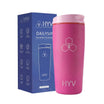
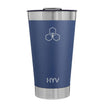
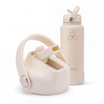
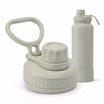
Three models worth looking at for this, photographed as they ship. Prices are the direct price on livehyv.com.


Free shipping on orders over ₹499 · 7-day free replacement for product issues. BIS IS 17526:2021 is granted per product. LuxeSip, LuxeFlow and MagFlex carry it; the other models do not.
What glass is genuinely better at
- Taste. Glass is completely inert. There is no metallic note, no plastic note, and no carry-over from yesterday's drink — this is the one area where nothing beats it.
- Visible cleanliness. You can see exactly how clean the inside is, which no steel bottle allows.
- Infusions and citrus. Acidic drinks that can react with poorly finished metal are a non-issue in glass.
- Longevity, if it survives. Glass does not scratch, stain or degrade with age.
What it is bad at
- Being dropped. The obvious one, and it rules out gyms, school bags, cycling and children.
- Temperature. Glass bottles are single-wall or lightly double-walled; they cannot hold a vacuum the way two steel walls can. Ice will not survive a day.
- Weight. A 1 L glass bottle plus a protective sleeve is heavier than the steel equivalent.
- Thermal shock. Ordinary glass can crack if you pour boiling water into a cold bottle. Borosilicate handles this; check which you are buying.
What to check before buying
- Borosilicate, not soda-lime. Borosilicate tolerates temperature change and is the standard worth paying for.
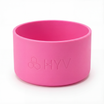
- A silicone sleeve. It is the difference between a bottle that survives a knock and one that does not, and it also stops the bottle sliding on a desk.
- A wide neck. The main practical advantage of glass is that you can see and reach the inside — a narrow neck throws that away.
- Lid material. Many glass bottles pair beautiful glass with a cheap plastic lid, which reintroduces exactly the taste problem you bought glass to avoid.
Glass or insulated steel?
We make insulated steel and not glass, so read this with that in mind — but the distinction is genuinely clear-cut and does not need spin.
- Choose glass if the bottle lives on a desk or table, you care most about taste, and cold retention is irrelevant.
- Choose insulated steel if the bottle moves with you, or if you want water still cold six hours later in an Indian summer.
Plenty of people sensibly own both: glass at home, steel in the bag. If you want the steel side, here is what to look for.
Frequently Asked Questions
Is a glass water bottle better than steel?
Better for taste and visible cleanliness, worse for durability and temperature. Glass suits stationary use; insulated steel suits anything that moves or needs to stay cold.
Do glass bottles keep water cold?
Barely. Glass cannot hold a vacuum between two walls the way steel can, so a glass bottle is essentially at room temperature within a couple of hours regardless of how it started.
Is borosilicate glass necessary?
It is worth it if hot drinks or sudden temperature changes are involved, because ordinary soda-lime glass can crack under thermal shock. For cold water only, it matters less.
Are glass bottles safe to carry daily?
With a silicone sleeve and a padded bag, for careful adults, yes. For children, gyms, cycling or anywhere with hard floors, steel is the sensible choice.
Shop the shortlist
- See the 1 litre bottles — Sipper, chug and MagSafe lids at 1 L.

Leave a comment
This site is protected by hCaptcha and the hCaptcha Privacy Policy and Terms of Service apply.