
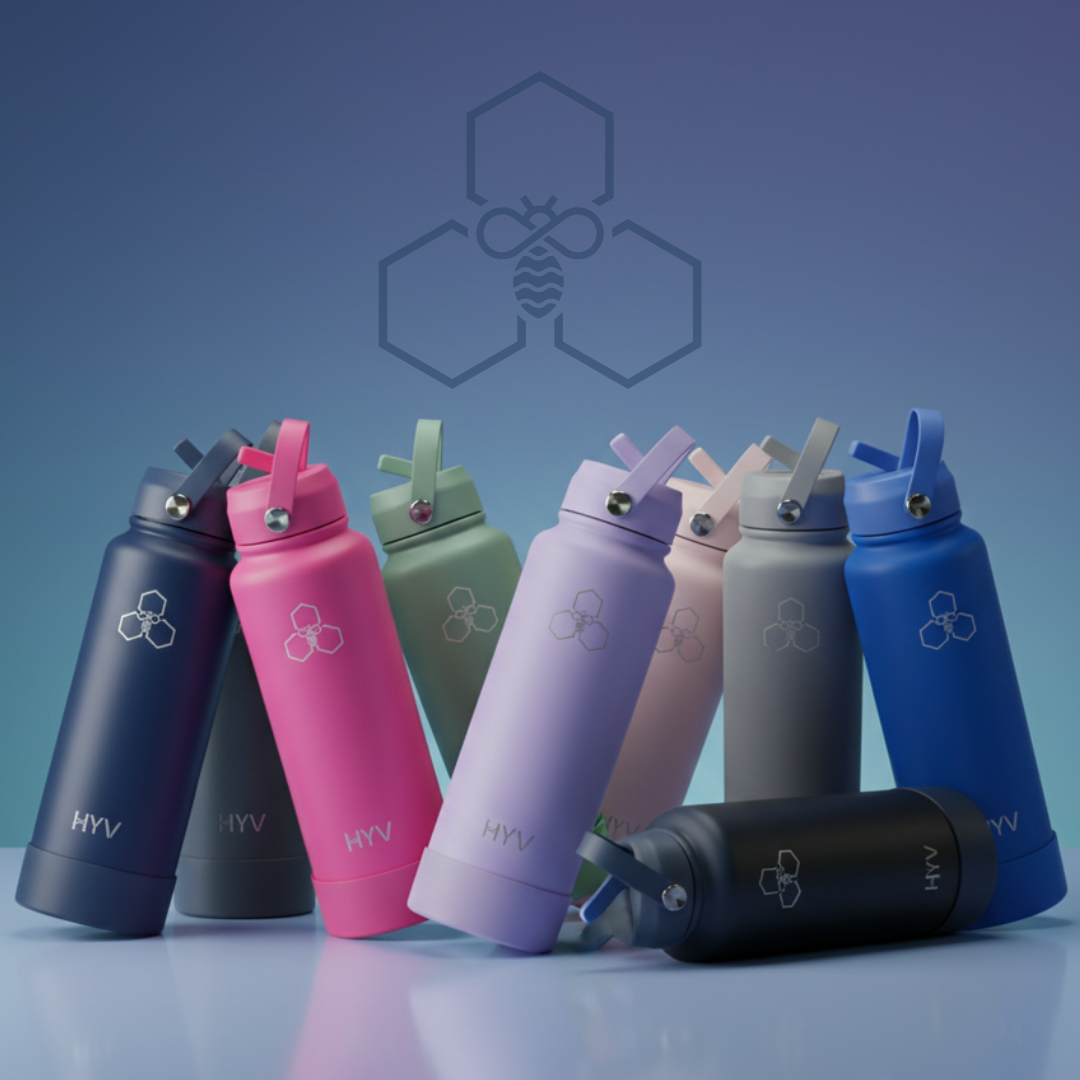


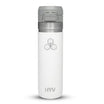
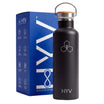
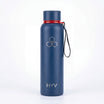
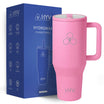
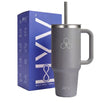
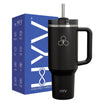
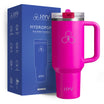
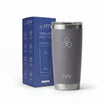
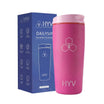
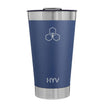


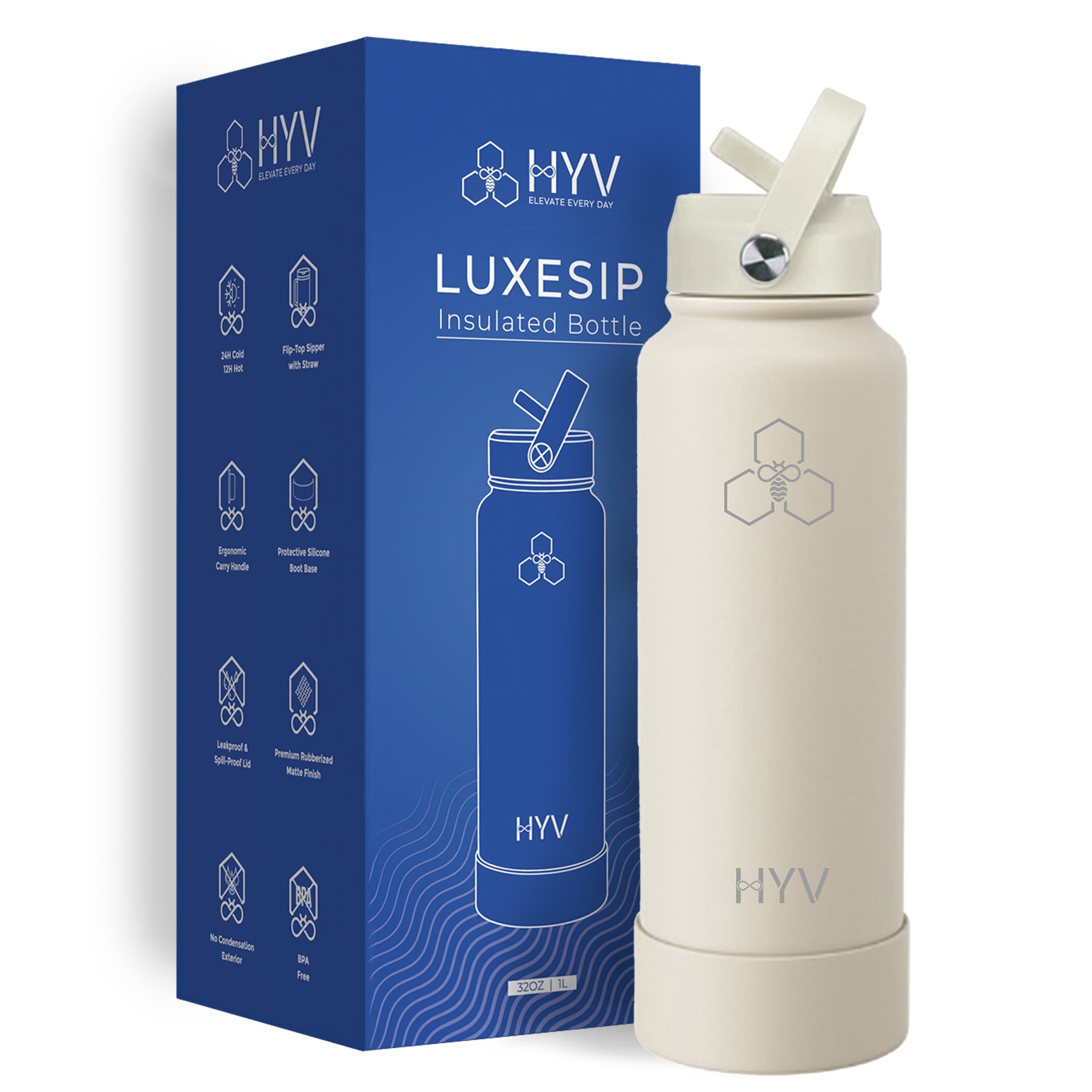
The most expensive water bottles in India 2026 are Larq PureVis (self-cleaning UV bottle, ₹12,000-15,000), YETI Rambler 46oz (₹6,000-8,000), Hydro Flask Wide Mouth Insulated (₹4,500-6,000), Stanley Quencher 40oz (₹4,500-6,000), and Owala FreeSip (₹2,500-3,500). Luxury bottles add: UV self-cleaning (Larq), premium branding (Stanley, YETI), better lid designs (Owala 2-in-1). Not worth it purely for retention — India-made HYV LuxeSip 1L (₹1,699) delivers same 24h cold / 12h hot for 1/3 the price.
Key Facts
- Larq PureVis (self-cleaning UV): ₹12,000-15,000 — most expensive category.
- Stanley/YETI/Hydro Flask: ₹4,500-8,000 range.
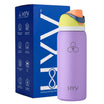
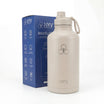
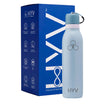
- HYV LuxeSip 1L: ₹1,699 delivers equivalent retention at 1/3 the price.
- Luxury tier justified by tech (UV), branding, or lid design — not retention.
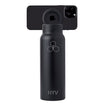
HYV picks, with the actual product
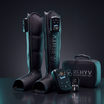
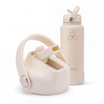
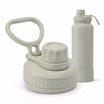
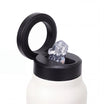
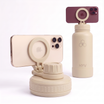
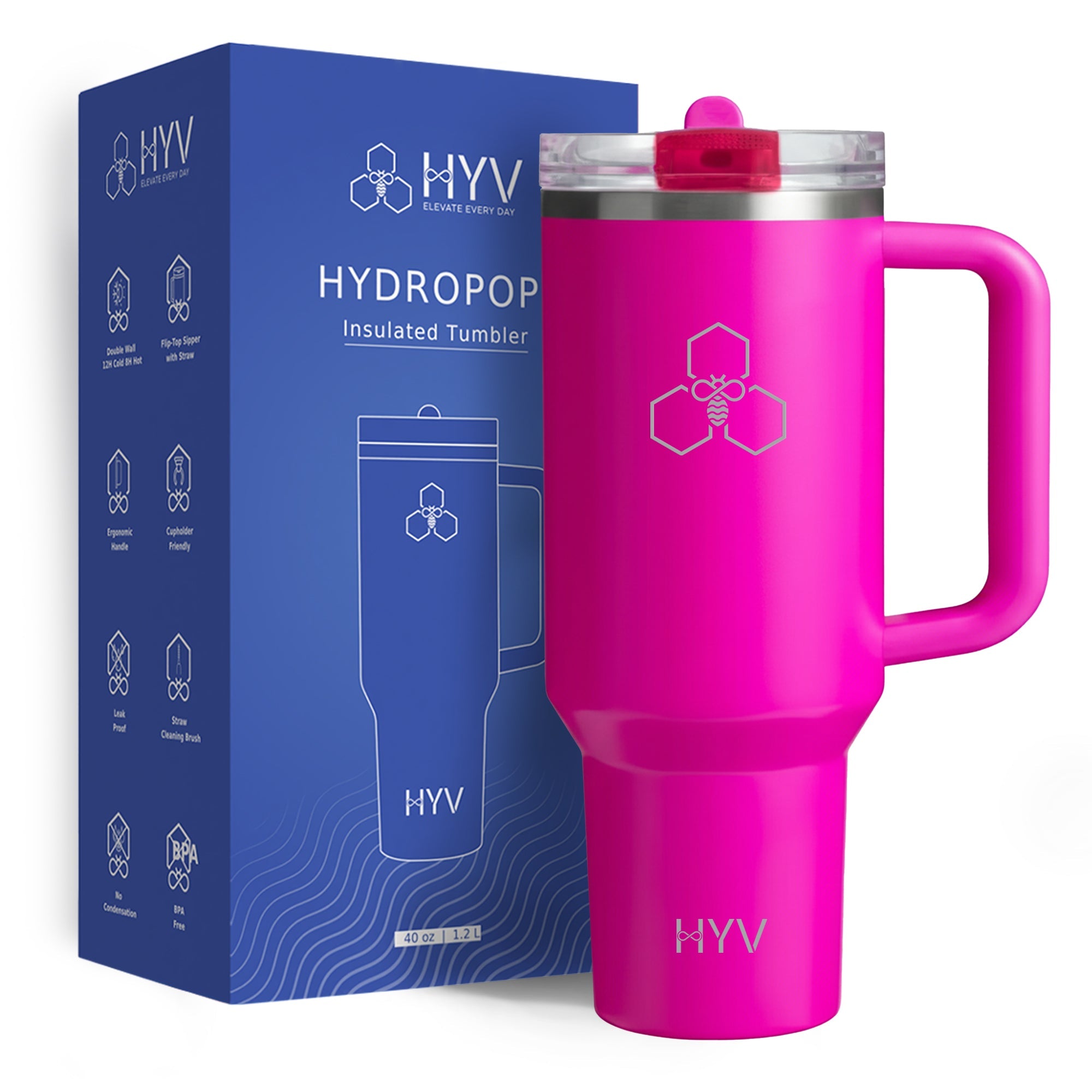
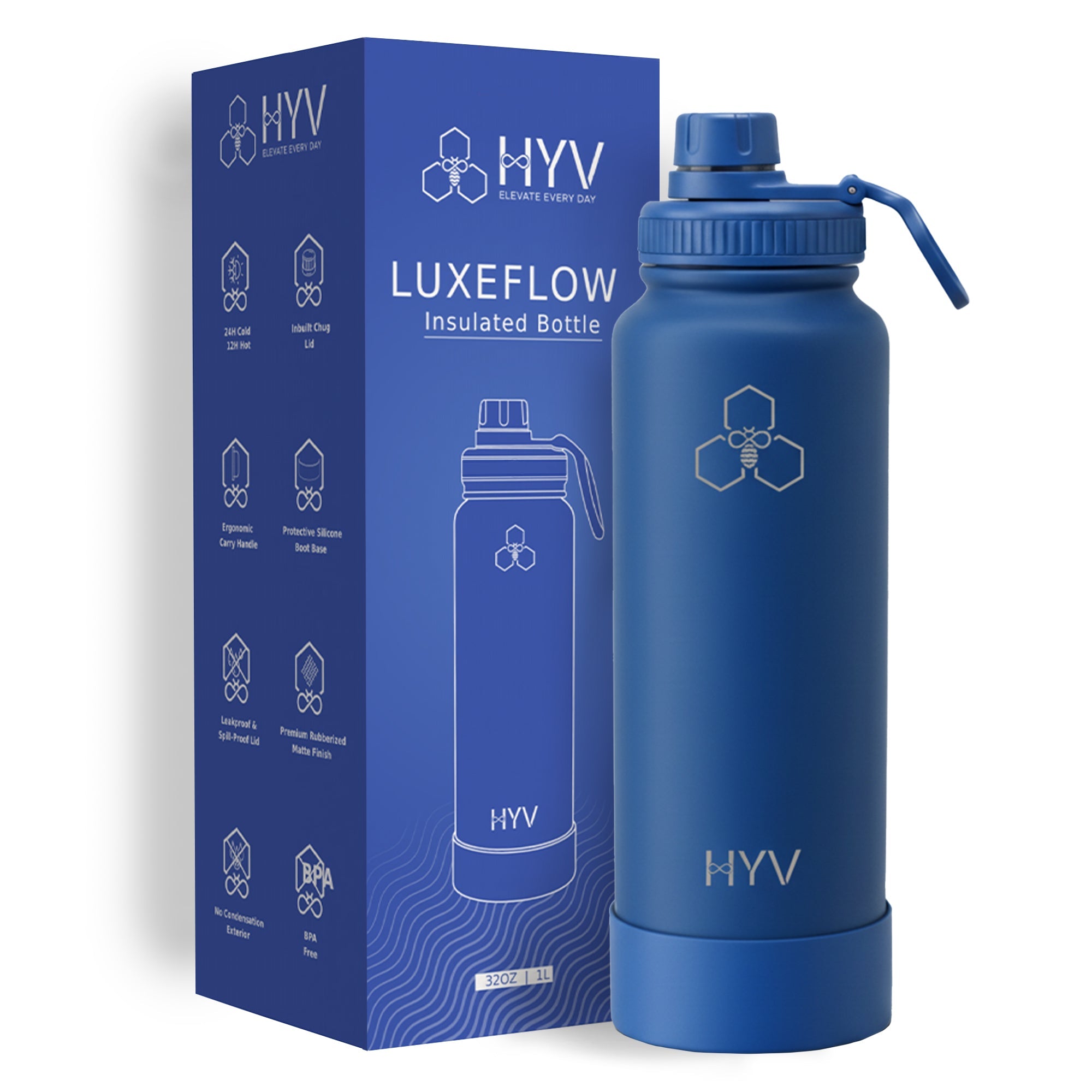
Three models worth looking at for this, photographed as they ship. Prices are the direct price on livehyv.com.


Free shipping on orders over ₹499 · 7-day free replacement for product issues. HYV makes BIS-certified bottles.
India's most expensive water bottles
- Larq PureVis 500ml — ₹12,000-15,000. Self-cleaning UV-C light bottle; kills bacteria automatically every 2 hours.
- YETI Rambler 46oz — ₹6,000-8,000. Premium outdoor build.
- Hydro Flask Wide Mouth 32oz — ₹4,500-6,000. Premium insulated with wide-mouth versatility.
- Stanley Quencher 40oz — ₹4,500-6,000. Cultural benchmark.
- Owala FreeSip 24oz — ₹2,500-3,500. Premium 2-in-1 lid.
- S'well 25oz — ₹3,500-4,500. Fashion-forward insulated.
What the price buys
- Larq — UV-C bacteria-killing tech (not available cheaper).
- Stanley/YETI — brand cachet, quarterly colour drops, cultural moment.
- Hydro Flask — pioneer credibility, wide-mouth versatility.
- Owala — 2-in-1 straw + spout lid innovation.
When luxury is NOT worth it
If you just want 24h cold water and don't care about brand cachet or self-cleaning tech, HYV LuxeSip 1L (₹1,699) delivers the same retention. The 3-5× price premium on Stanley/YETI is 90% for the name.
Verdict
Larq is unique-value (only UV self-cleaning); worth it if the tech matters. Stanley/YETI are cultural purchases; worth it if you want the brand. For pure hydration performance, India-made premium (HYV) beats the imports on price-value.
If you are comparing against the imports, see buying a Stanley in India, and what else to consider.
Frequently Asked Questions
What is the most expensive water bottle in India?
Larq PureVis (self-cleaning UV) at ₹12,000-15,000; then YETI/Hydro Flask/Stanley at ₹4,500-8,000.
Are expensive water bottles worth it?
Larq — yes for the UV tech. Stanley/YETI — depends on brand-value preference; HYV LuxeSip delivers equivalent retention at 1/3 the price.
Common buying mistakes
- Trusting an uncertified retention claim. If it is not BIS IS 17526:2021 certified, nobody has measured it.
- Buying "double wall insulated" under ₹400. At that price it is usually single-wall steel inside a plastic shell.
- Accepting "SS" or "food-safe steel" as a specification. The grade is the whole point — look for 304.
- Buying too small. A 500ml bottle for an office day means six refills, and almost nobody completes six.
- Ignoring the lid. A screw cap costs you sip frequency every single day.
- Never replacing the gasket — then replacing the whole bottle instead.
Price tiers and what each genuinely buys in India
| Tier | What you get | What you give up |
|---|---|---|
| Under ₹400 | BPA-free plastic, sports and school bottles | All insulation; 2-3 year life |
| ₹400-800 | Entry insulated steel, basic double-wall | Certification; vacuum often fails in 12-24 months |
| ₹800-1,200 | Mainstream insulated from established brands | Full-range certification; premium lid engineering |
| ₹1,200-2,000 | Engineered lids, powder-coat finish, real warranty | Little — this is the value sweet spot |
| ₹2,500-6,000 | Imported premium; brand cachet, refined lids | Roughly 3x the price for equivalent retention |
Retention is physics and converges across properly built bottles. What the imported tier buys is brand, colour drops and lid refinement — not more hours of cold.
What actually goes wrong over time
Bottles rarely fail all at once. Three things degrade, in rough order of how often they end a bottle's life:
- The gasket. Silicone hardens, stops sealing and holds odour within 6-12 months of daily use. This is the cheapest fix and the most neglected — most bottles that "smell no matter what" have a two-year-old seal.
- The vacuum. Usually from a vertical drop onto the base cracking the seal weld. Silent, invisible, and it halves the bottle's usefulness.
- The finish. Wet paint chips within a year; powder coat survives 3-5. Cosmetic, but it is what makes a bottle feel old.
None of the three is the steel body, which is why buying a bottle on body material alone misses what actually determines lifespan.
Buying in bulk
- Corporate gifts under ₹5,000 — premium gift sets by category.
- Corporate gifts under ₹20,000 — top-tier hampers and executive sets.
Shop the shortlist
- HYV makes BIS-certified bottles.


Leave a comment
This site is protected by hCaptcha and the hCaptcha Privacy Policy and Terms of Service apply.