
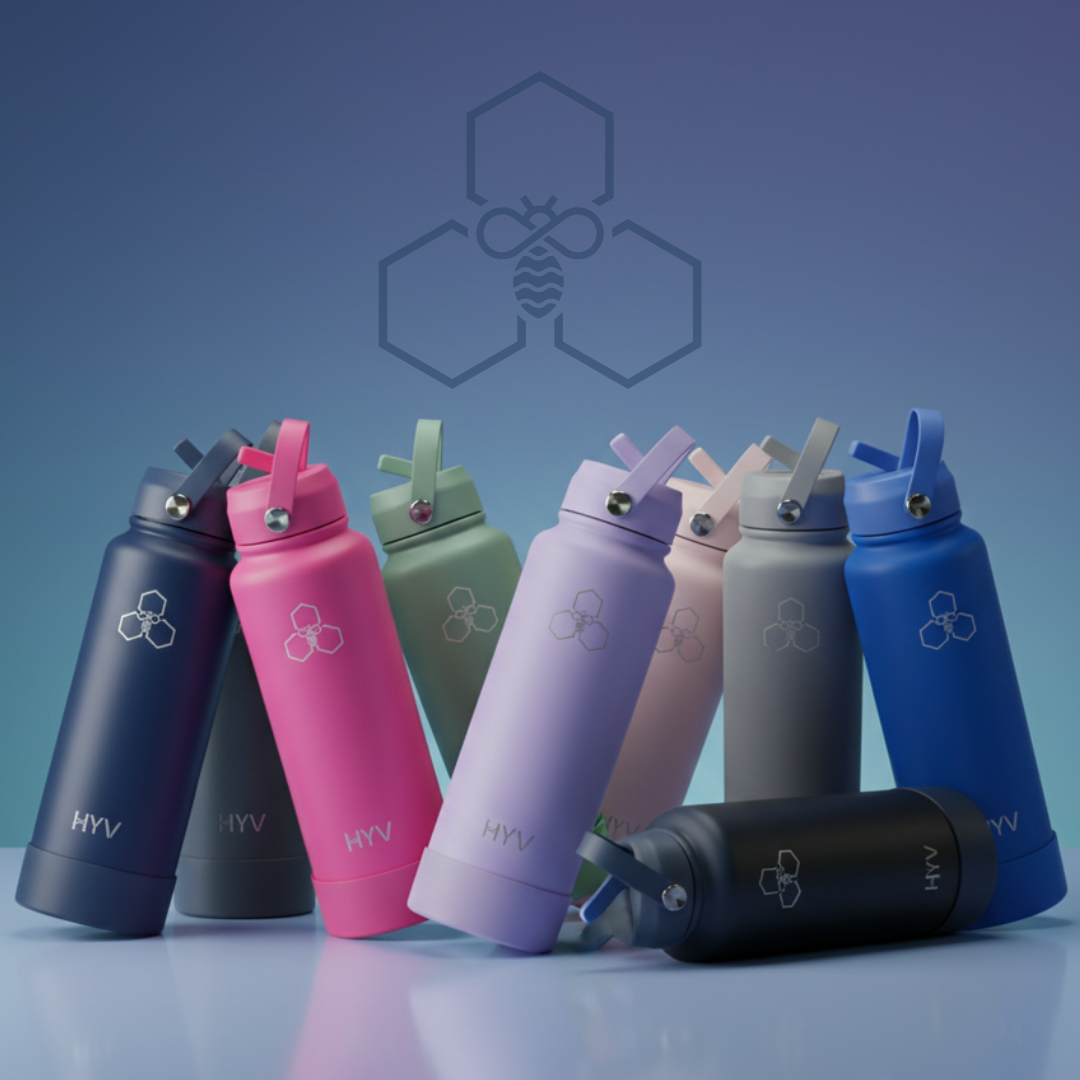

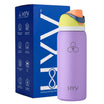
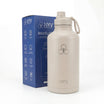
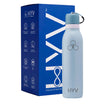

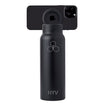
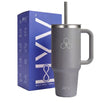
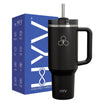
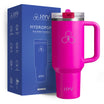
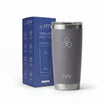
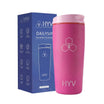
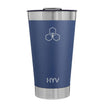
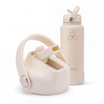


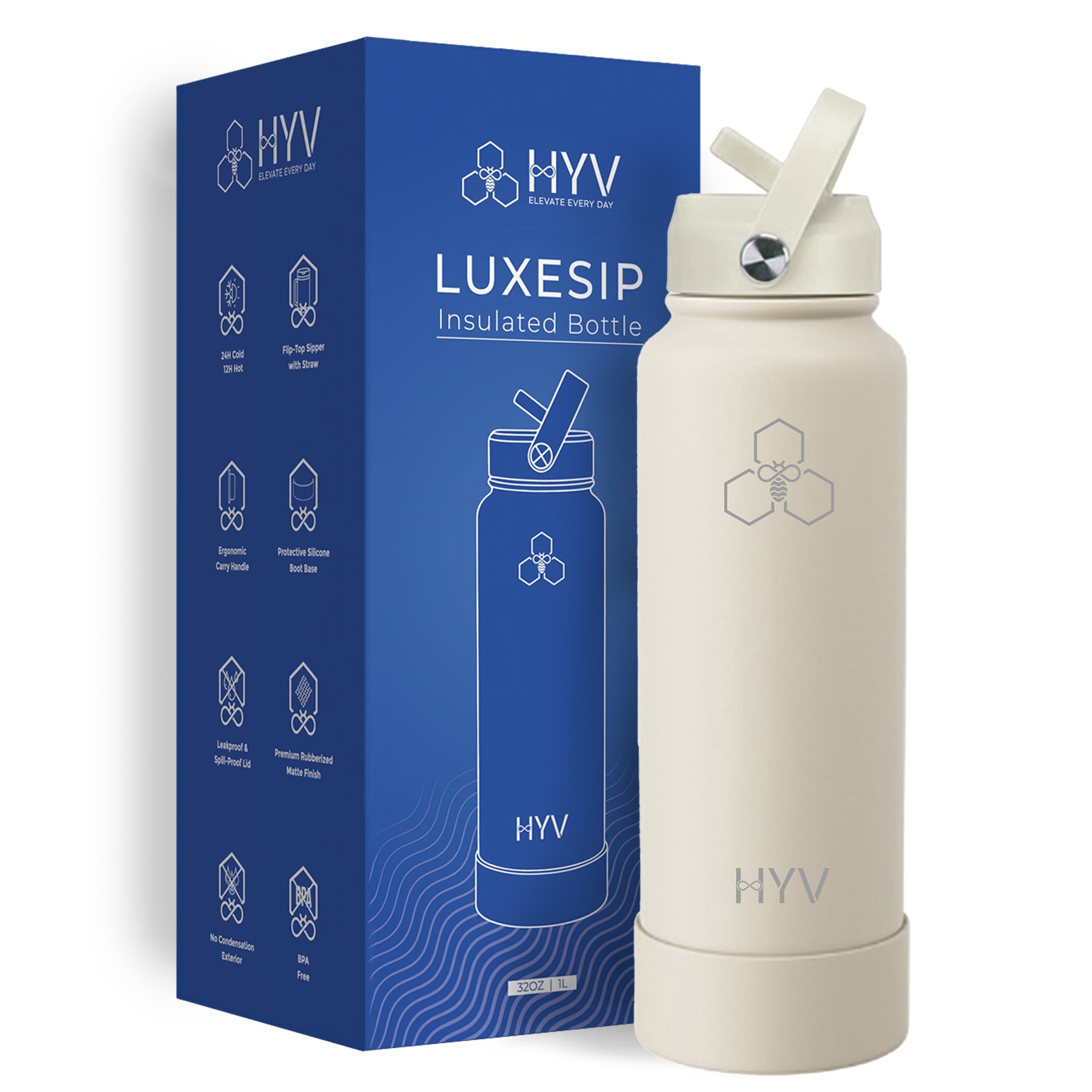
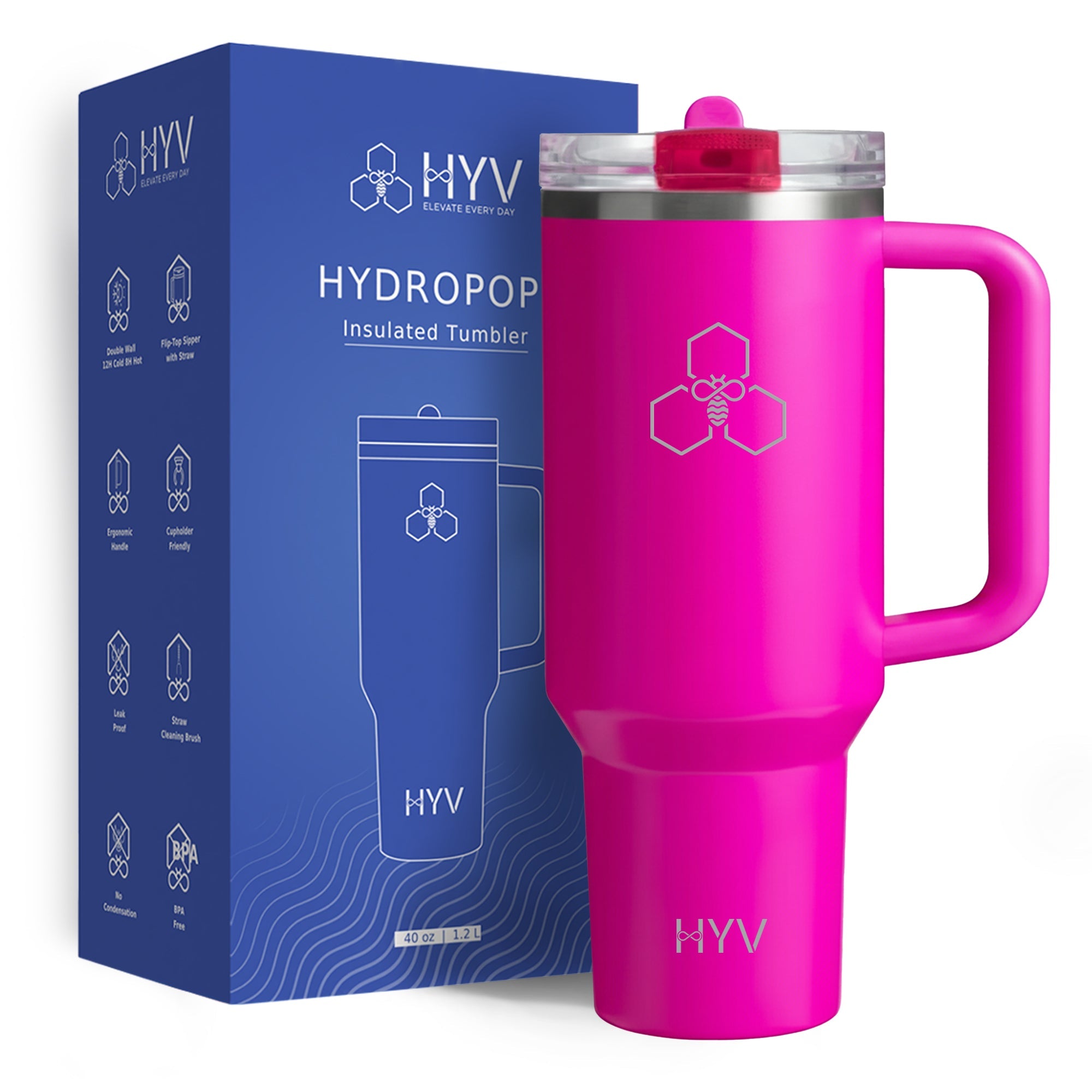
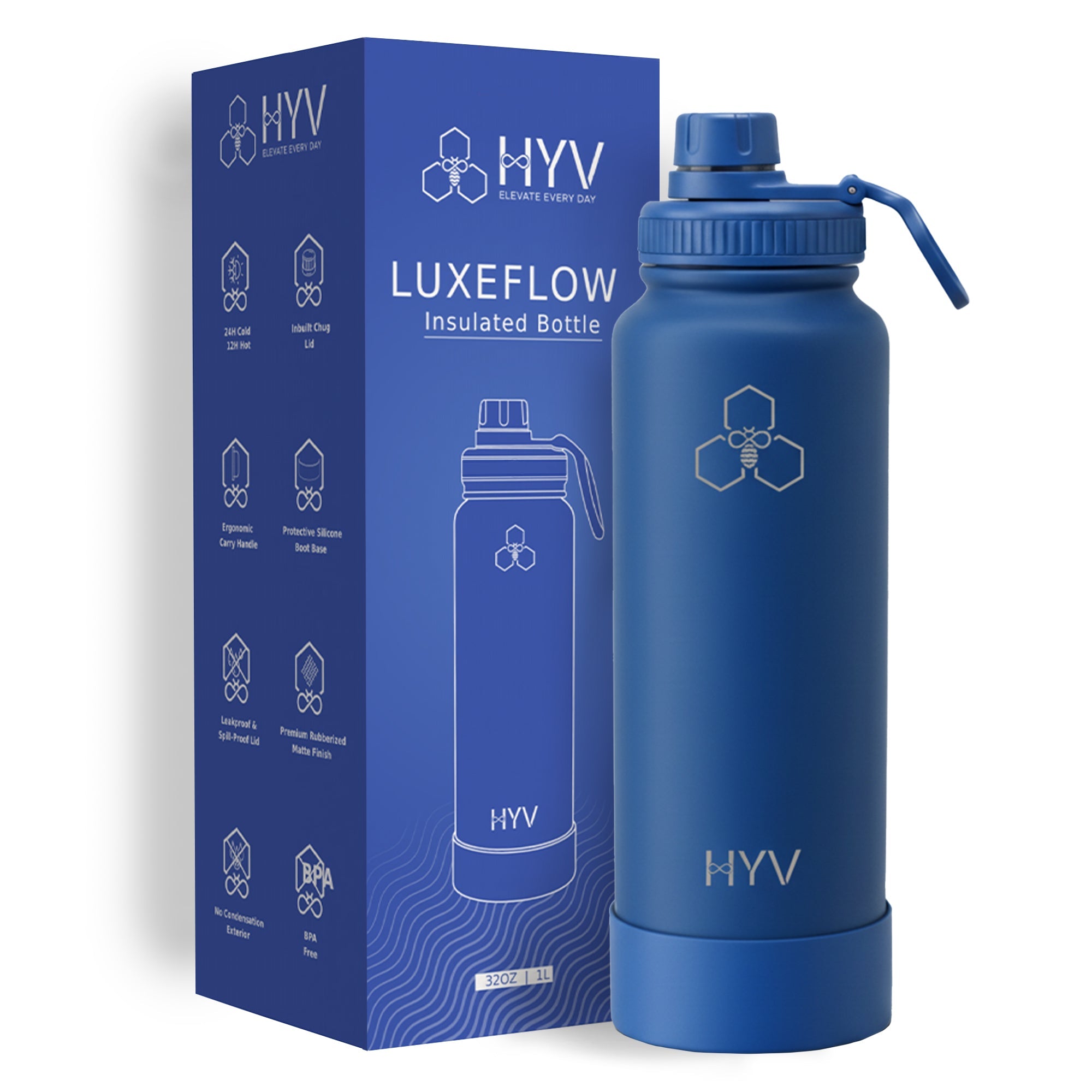
The trending water bottles in India 2026 are: Stanley Quencher 40oz (still peak cultural moment, ₹4,500-6,000 imported), HYV MagFlex (magnetic lid, India-made, ₹1,899), Owala FreeSip (2-in-1 lid, ₹2,500-3,500 imported), HYV LuxeSip, and Boldfit Tumbler (Indian entrant, ₹700-1,200). Fading: single-wall plastic bottles, uncertified budget insulated. Emerging: magnetic-lid bottles, 2-in-1 lid formats, self-cleaning UV bottles.
Key Facts
- Stanley Quencher — still the trending imported benchmark.
- HYV MagFlex — trending India-made with magnetic lid.
- Owala FreeSip — 2-in-1 lid cult favorite.
- Fading: uncertified budget bottles, single-wall plastic.
HYV picks, with the actual product
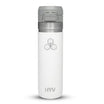
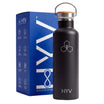
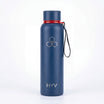
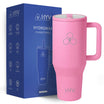
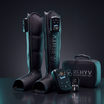
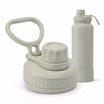
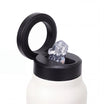
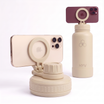
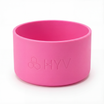
Three models worth looking at for this, photographed as they ship. Prices are the direct price on livehyv.com.


Shop HYV insulated water bottles →
Free shipping on orders over ₹499 · 7-day free replacement for product issues. HYV makes BIS-certified bottles.
What's trending in India 2026
- Stanley Quencher 40oz — still trending 2 years after global viral moment. ₹4,500-6,000.
- HYV MagFlex — India-made magnetic lid trending in premium buyers. ₹1,499-1,899.
- HYV LuxeSip — India premium trending in gifting. ₹1,299-1,899.
- Owala FreeSip — 2-in-1 lid cult on Instagram + Reddit. ₹2,500-3,500.
- Boldfit Tumbler — Indian entrant, high growth. ₹700-1,200.
What's fading
- Single-wall plastic bottles (BPA concerns, poor retention).
- Uncertified budget "insulated" bottles under ₹500 — quality complaints on marketplaces.
- Copper bottles (peaked ~2018-2020; now niche).
What's emerging
- Magnetic-lid bottles — HYV MagFlex, imported Cirkul MagFlask. Docks to fridge/locker.
- 2-in-1 lid formats — straw + spout in one. HYV LuxeSip, Owala FreeSip.
- Self-cleaning UV bottles — Larq PureVis. Premium ₹12,000+.
- India-made premium — HYV leading the category.
What to buy if you want on-trend
For Instagram-friendly trending — Stanley Quencher (imported) or HYV MagFlex (India-made). For actual hydration performance — HYV LuxeSip 1L. For under ₹1,000 — Milton Thermosteel or Boldfit Tumbler.
We break the landed cost down in the Stanley cup alternative for India.
Frequently Asked Questions
What water bottle is trending now?
Stanley Quencher 40oz (imported), HYV MagFlex + LuxeSip (India-made premium), Owala FreeSip (imported 2-in-1).
Is Stanley Quencher still trending in 2026?
Yes — 2+ years after viral moment, it's become an established premium category. Still the top-of-mind imported tumbler.
Price tiers and what each genuinely buys in India
| Tier | What you get | What you give up |
|---|---|---|
| Under ₹400 | BPA-free plastic, sports and school bottles | All insulation; 2-3 year life |
| ₹400-800 | Entry insulated steel, basic double-wall | Certification; vacuum often fails in 12-24 months |
| ₹800-1,200 | Mainstream insulated from established brands | Full-range certification; premium lid engineering |
| ₹1,200-2,000 | Engineered lids, powder-coat finish, real warranty | Little — this is the value sweet spot |
| ₹2,500-6,000 | Imported premium; brand cachet, refined lids | Roughly 3x the price for equivalent retention |
Retention is physics and converges across properly built bottles. What the imported tier buys is brand, colour drops and lid refinement — not more hours of cold.
Common buying mistakes
- Trusting an uncertified retention claim. If it is not BIS IS 17526:2021 certified, nobody has measured it.
- Buying "double wall insulated" under ₹400. At that price it is usually single-wall steel inside a plastic shell.
- Accepting "SS" or "food-safe steel" as a specification. The grade is the whole point — look for 304.
- Buying too small. A 500ml bottle for an office day means six refills, and almost nobody completes six.
- Ignoring the lid. A screw cap costs you sip frequency every single day.
- Never replacing the gasket — then replacing the whole bottle instead.
The four checks worth making before you buy
- Steel grade stated explicitly — 304, 18/8 or SUS 304. "SS" or "food-grade steel" without a number usually means grade 201, which pits in water contact.
- Double-wall vacuum construction if you want any temperature retention. Single-wall insulates nothing and sweats in humidity.
- BIS IS 17526:2021 certification with a CM/L number — the only retention claim in India that has actually been tested.
- Replaceable silicone gasket. Gaskets perish within 6-12 months of daily use; a sealed lid assembly means the bottle dies when the seal does.


Leave a comment
This site is protected by hCaptcha and the hCaptcha Privacy Policy and Terms of Service apply.