




Run the test before assuming anything: fill it with cold water, cap it, wait twenty minutes, then touch the outside. A working vacuum bottle is dry and at room temperature however cold the contents are. Cold or sweating means the vacuum has failed and cannot be repaired. Dry and room temperature means the bottle is fine and the problem is how it is being used — most often a warm fill, a half-empty bottle, or a lid left open.
Key Facts
- The twenty-minute cold-water test distinguishes a broken bottle from user error.
- Condensation on the outside is the definitive sign of a failed vacuum.
- Hard impacts and repeated dishwasher cycles are the usual causes.
- A half-full bottle warms far faster than a full one.
- An insulated bottle preserves temperature; it cannot create it.
The test that settles it
Do this before buying anything or blaming anyone.
- Fill the bottle with cold water from the fridge.
- Cap it and leave it on a table for twenty minutes.
- Run a dry hand over the outside.
Dry and at room temperature: the vacuum is intact. The bottle works and the problem is in how it is being used — see the next section.
Cold to the touch, or beaded with condensation: the vacuum has failed. Heat is passing straight through the wall, which is the one thing a vacuum bottle exists to prevent.
If the bottle passed: what you are doing
- Filling it warm. The most common by a distance. An insulated bottle preserves the temperature it is given. Room-temperature water in one stays room temperature all day — it has not failed, it has done exactly what it was asked to.
- Filling it half. The air in the empty half warms fast and warms the water with it. A full bottle holds temperature dramatically better than a half-full one.
- Opening it constantly. Every opening exchanges cold air for warm and resets part of the work.
- No ice. Ice is the single biggest improvement available. A few cubes in a pre-chilled bottle changes the result completely on a hot day.
- Not pre-chilling. The steel itself has to be cooled before it stops taking heat out of your water. Fill with cold water, wait five minutes, tip it out, then fill properly.
If the bottle failed: what broke and why
An insulated bottle is two steel shells with the air pumped out of the gap between them, sealed during manufacture. Vacuum stops conduction and convection almost entirely — which is why the outside stays at room temperature.
Breach that seal and air enters. The bottle now conducts heat like any single-wall vessel, and the cold contents chill the outer wall, which is what produces the condensation.
Two causes account for nearly all of it:
- A hard impact, usually a drop onto a hard floor onto the base. The dent may look minor and still have breached the seal.
- Repeated dishwasher cycles. Sustained heat and thermal cycling stress the sealed join in a way ordinary use does not.
It cannot be repaired
There is no home fix and no workshop fix. Re-establishing a vacuum requires the evacuation and sealing equipment from the production line, and the port is sealed permanently by design.
The bottle is still safe. It still holds water, it is still 304 steel, it just is not insulated any more. Plenty of people keep one as a desk bottle where temperature does not matter.
If it failed within warranty and was not dropped, raise it — a vacuum failure in normal use is a manufacturing fault, not wear. HYV covers this under a 7-day free replacement on faults found on arrival, and anything later is worth writing in about with the cold-water test result, because that result is the evidence.
The product on this page

Shop HYV vacuum-insulated bottles →
Buying one that lasts
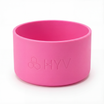
Two things protect a vacuum: a silicone boot on the base, which absorbs the drops that break seals, and hand-washing instead of the dishwasher.
On the buying side, third-party certification is the check available to you. Five HYV models carry BIS IS 17526:2021 — LuxeSip, LuxeFlow, MagFlex, CoreFlow and ChillSip — and that standard tests thermal performance specifically, which is precisely the property you cannot verify by looking at a bottle. The MaxFlow is ₹2,499 for 2 litres with a mouth wide enough to take ice, which does more for cold retention than any spec sheet.
Disclosure: we are one of the brands
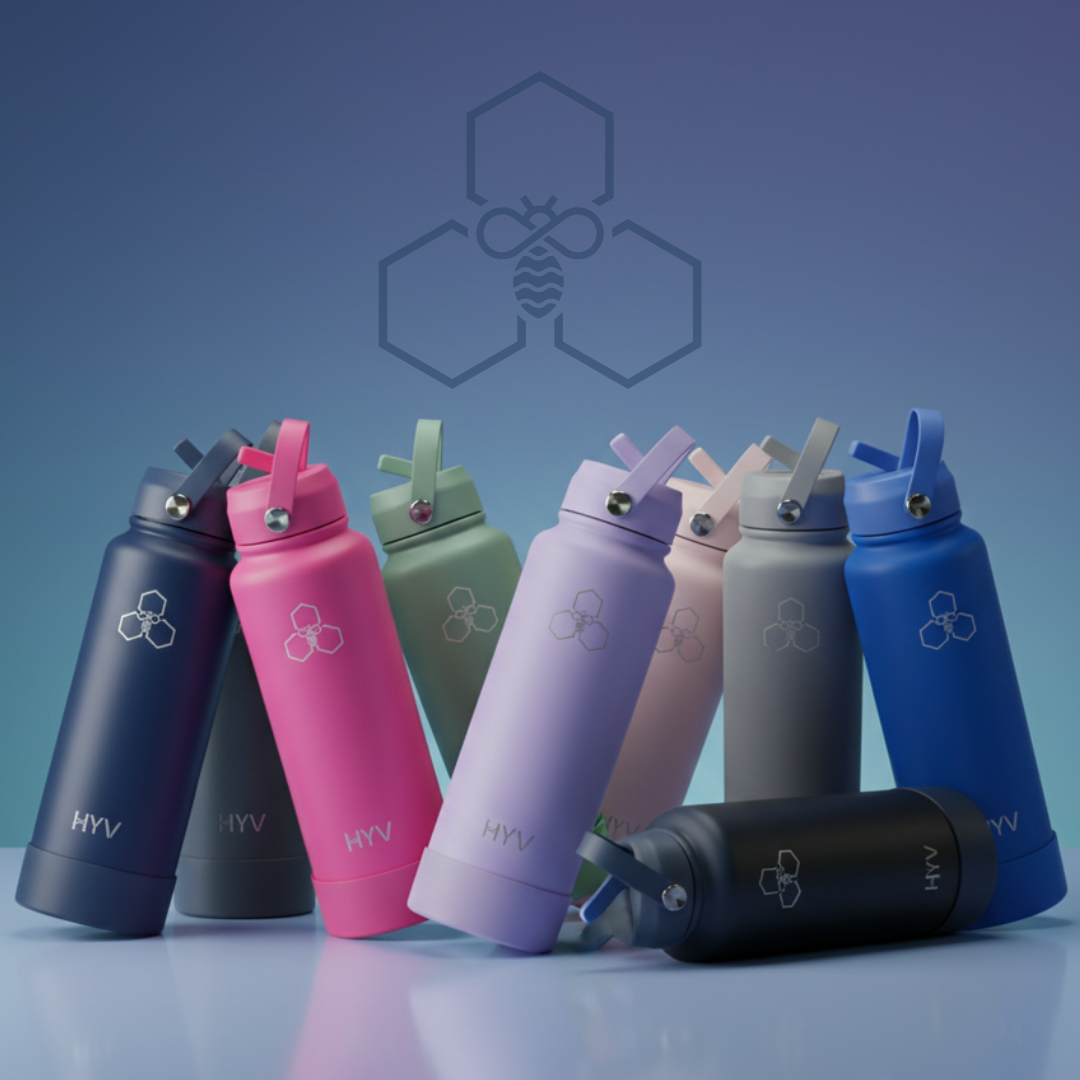
HYV publishes this page and sells the bottles in it, so discount the flattering parts. The checkable facts: BIS IS 17526:2021 on five named models — LuxeSip, LuxeFlow, MagFlex, CoreFlow and ChillSip — 304 food-grade steel throughout, and lids, gaskets and boots sold as separate parts so a worn one does not end the bottle.
Frequently Asked Questions
How do I know if my insulated bottle has failed?
Fill it with cold water, cap it, wait twenty minutes and touch the outside. A working vacuum bottle stays dry and at room temperature. Condensation or a cold exterior means the vacuum is gone.
Can a broken vacuum bottle be fixed?
No. Re-establishing the vacuum needs the evacuation and sealing equipment used in manufacture, and the seal port is permanent by design. The bottle still holds water safely but no longer insulates.
Why does my bottle not keep water cold all day?
If it passes the cold-water test, the usual causes are filling it with water that was not cold to begin with, filling it only half full, opening it repeatedly, or not using ice. An insulated bottle preserves temperature rather than creating it.
What causes a vacuum seal to fail?
Hard impacts, usually a drop onto the base, and repeated dishwasher cycles, which thermally stress the sealed join between the two walls. A silicone boot and hand-washing prevent most failures.
Related reading: How Does Vacuum Insulation Work? The Physics Behind Your Water Bottle, How Long Does an Insulated Bottle Keep Water Cold? (Tested) and Best Water Bottle With a Silicone Boot in India 2026.

Leave a comment
This site is protected by hCaptcha and the hCaptcha Privacy Policy and Terms of Service apply.