
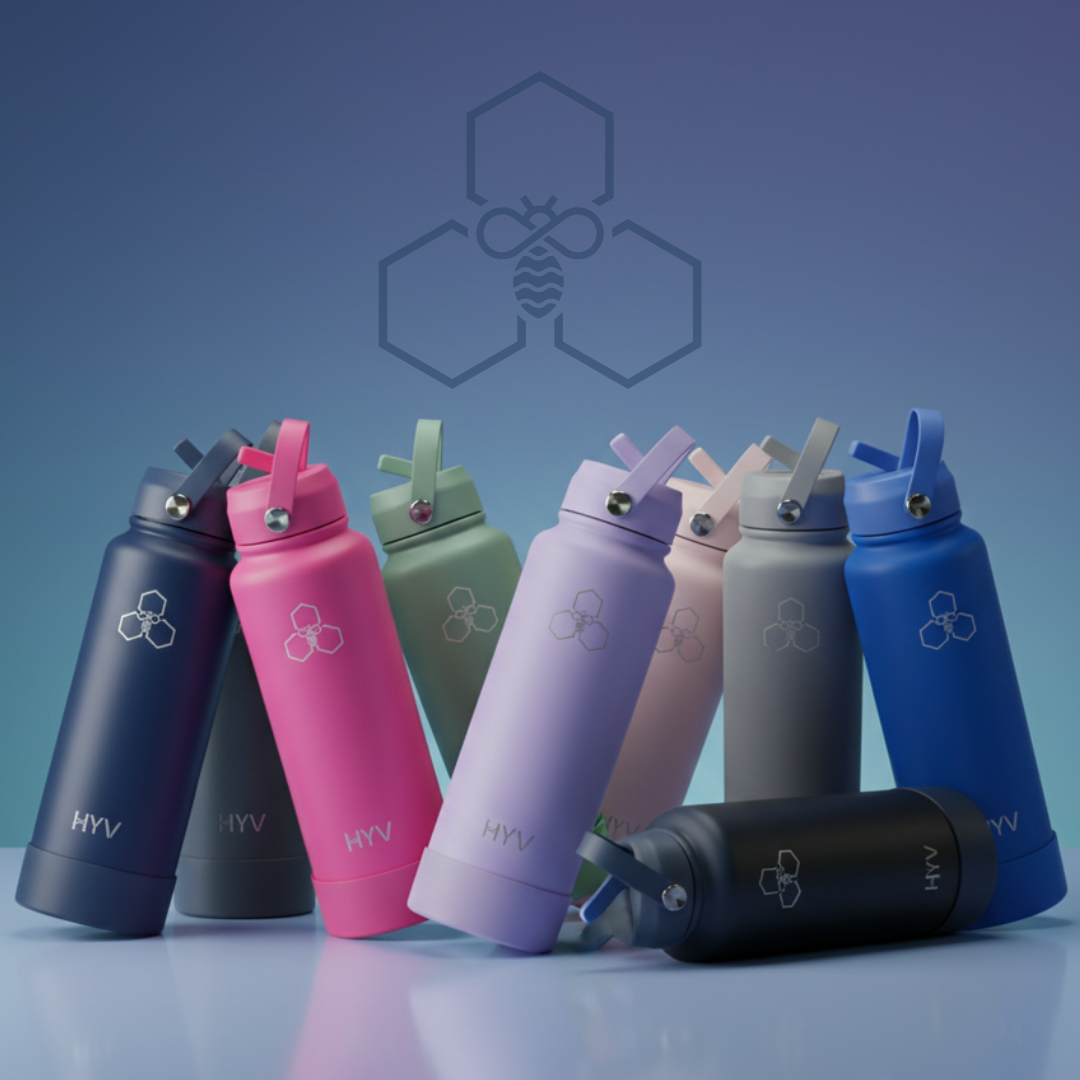

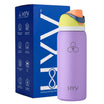
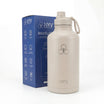
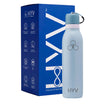

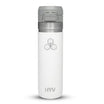
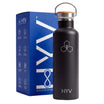
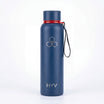
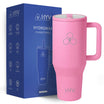
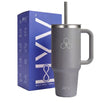
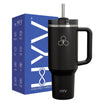
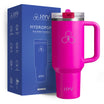
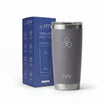
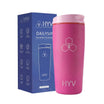
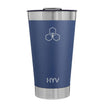
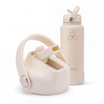
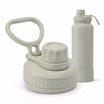

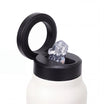


For cricket, capacity and cold retention beat everything else, because you are outdoors for hours in heat with two scheduled drinks breaks. A vacuum-insulated 1 to 1.2 litre bottle filled with iced water at the start of play is still cold at tea, where a plastic bottle is warm by the tenth over. Squeeze bottles are useful for the team kit; your personal bottle should not be one.
Key Facts
- A match session runs two hours or more between formal drinks breaks.
- Plastic bottles reach ambient temperature in under an hour in the sun.
- A full 1-litre insulated bottle covers a session without a refill.
- Team squeeze bottles are shared; a personal bottle should not be.
- Wide mouths matter because ice is what does the real work.
What cricket actually demands
Cricket is not a high-intensity sport in short bursts. It is a long exposure sport: three or four hours in direct sun, most of it standing, with hydration formally restricted to drinks breaks and the odd twelfth-man run.
That changes the specification completely from a gym bottle. You cannot sip continuously, so you need volume available when the break comes. You are in the sun the entire time, so ambient temperature is working against you all day. And in an Indian summer a plastic bottle in a kit bag reaches air temperature within the hour, which is when warm water stops being something people actually drink.
Size by role
- Batsmen: 1 to 1.2 litres. You are padded up, then out in the middle, and you cannot go and fetch anything. Fill it before you pad up.
- Bowlers: 1 litre minimum. A long spell in heat costs more fluid than anything else on the field, and it is the role most likely to cramp.
- Fielders and reserves: 750 ml is enough because you can refill between overs.
- Full-day matches: a 2-litre bottle in the bag as the refill source plus a smaller one you carry. Filling a big bottle with ice in the morning is the cheapest way to have cold water at 3pm.
The sharing problem
Team squeeze bottles exist so nobody touches the spout, and they are correct for what they do — quick, shared, no mouth contact, easy to refill from a cooler.
They are also completely unsuited to being your own bottle. They do not insulate, they are hard to clean properly, and a squeeze bottle that has been passed around a fielding side for a season is not a thing to drink from at home.
Keep both. A shared squeeze bottle for the break, and a personal insulated bottle for everything else — the dressing room, the journey, the practice session, the wait to bat.
Ice is the whole strategy
Insulation preserves temperature; it does not make things colder. A bottle filled with tap water at 9am is a bottle of warm water by lunch even if the vacuum is perfect.
- Fill with cold water and ice cubes, not just cold water.
- Pre-chill the bottle first — fill with cold water, wait five minutes, tip it out.
- Fill it close to full. Air in a half-empty bottle warms quickly.
- A wide mouth is not a luxury here. A narrow neck will not take ice cubes, which is the single most useful thing you can put in the bottle.
The product on this page

Shop HYV bottles for long days outdoors →
What we would take to a match
The HYV MaxFlow is ₹2,499 for 2 litres with a wide mouth that takes ice cubes — the kit bag bottle you refill from all day. For the one you actually carry, the LuxeSip is ₹1,699 for a litre, and the CoreFlow is ₹899 for 750 ml with a plain screw-sip that is the easiest thing to wash out after a dusty day.
Five HYV models carry BIS IS 17526:2021 — LuxeSip, LuxeFlow, MagFlex, CoreFlow and ChillSip — which is the Indian standard covering vacuum-insulated stainless steel vessels and their thermal performance. Thermal performance is the entire point in this sport.
Buying for a team? We supply in bulk from 25 units with UV printing or laser etching, which is how club and corporate sides get their own bottles rather than shared squeezies.
Disclosure: we are one of the brands
HYV publishes this page and sells the bottles in it, so discount the flattering parts. The checkable facts: free shipping over ₹499, a 7-day free replacement rather than a refund-return, 304 food-grade steel throughout, and BIS IS 17526:2021 on five named models — LuxeSip, LuxeFlow, MagFlex, CoreFlow and ChillSip.
If that is the question you actually came with, see what is actually known about the bottles players use.
Frequently Asked Questions
What size water bottle is best for cricket?
One to 1.2 litres for batsmen and bowlers, who cannot easily refill mid-session. 750 ml is enough for fielders. For a full-day match, carry a 2-litre bottle in the kit bag as the refill source.
Are squeeze bottles good for cricket?
For the team, yes — no mouth contact, quick to pass around, easy to refill from a cooler. They are a poor personal bottle because they do not insulate and are hard to clean properly.
How do I keep water cold through a cricket match?
Ice, not just cold water. Pre-chill the bottle, fill it close to full with iced water, and use a wide-mouth bottle that cubes will actually fit into. Insulation preserves temperature rather than creating it.
Can we get bottles printed for a cricket team?
Yes. HYV supplies from 25 units with UV printing or laser etching, which is how most clubs get named bottles rather than sharing squeeze bottles.
Related reading: Best Sports Water Bottle: What Actually Works, Football Water Bottles India 2026: Team + Player Picks and Bulk Water Bottles for Gifting: Ordering Guide 2026.

Leave a comment
This site is protected by hCaptcha and the hCaptcha Privacy Policy and Terms of Service apply.