


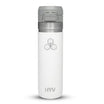
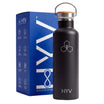
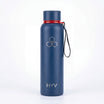
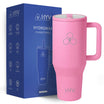
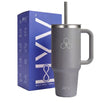
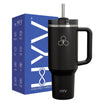
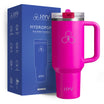
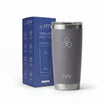
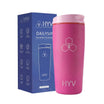
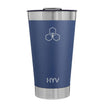

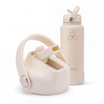
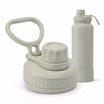

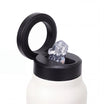


Measure the outside diameter of the bottle neck across the threads, in millimetres, and measure the thread height. Bottle threads are not standardised across brands or even across a single brand’s range, so a lid that screws on is not the same as a lid that seals. Buy the lid the manufacturer lists for your specific model. Universal lids work only where a widely shared neck size exists, which in drinkware is uncommon.
Key Facts
- There is no industry standard for insulated bottle neck threads.
- Two models from the same brand often use different neck sizes.
- Measure outside diameter across the threads, not the inner opening.
- A lid that screws on but does not compress the gasket will leak.
- Gaskets are model-specific too — the groove dimensions differ.
Why there is no standard
Screw-top jars and PET bottles have widely shared thread standards. Insulated steel drinkware does not.
Neck diameter, thread pitch, thread height and the shape of the sealing face are all design choices made per model, usually to suit a particular lid mechanism. A brand that sells a chug lid, a sipper lid and a straw lid will often have designed the neck around the most demanding of them. There is no body setting a common dimension, and no commercial pressure to adopt one.
The practical consequence: "it screwed on" is not the same as "it seals". A lid can engage the thread and still fail to compress the gasket against the sealing face, and you find out when the bottle is on its side in a bag.
How to measure yours
You need two numbers and one observation, and a ₹200 vernier caliper makes it trivial. A ruler will do at a push.
- Outside diameter across the threads. Measure the widest point of the neck, including the thread ridges, in millimetres. This is the number sellers usually quote. Do not measure the inner opening.
- Thread height. From where the thread starts to the top of the neck. A lid designed for a taller thread will bottom out before it seals on a shorter one.
- The sealing face. Look at the flat rim at the very top of the neck. That is what the gasket presses against. If it is chipped, scratched or deformed, no lid will seal, and the bottle is the problem rather than the lid.
Where to buy it
- From the manufacturer, by model name. Always the first choice. It is the only route with a guarantee of fit.
- From the manufacturer, by neck size. Some brands list neck diameter for each model, which lets you match a lid from a different model in the same range.
- Generic lids by measured size. Workable if your neck size happens to be common, and they are usually plain screw caps rather than mechanisms. Buy only against a measurement, never against a photo.
- A different mechanism on the same neck. Often the best outcome — if your brand makes a chug lid and a straw lid for the same bottle, a lost sipper cap is an opportunity rather than a loss.
The gasket is part of the fit
People replace a lid, find it still leaks, and conclude the lid was wrong. Often the lid is right and its gasket is missing or misseated.
Gaskets are model-specific as well: the groove has a particular depth and diameter, and a ring that is slightly too thin will not compress enough while one slightly too thick will hold the lid off the sealing face. Order the gasket for the model, not a bag of assorted O-rings.
Before buying anything, check whether you actually need a lid. Run the paper-towel test — fill, cap, stand on dry paper, then lie it on its side. If the water is coming from under the threads and the gasket is hard or missing, a ₹100-class gasket fixes it.
The product on this page

Shop HYV replacement lids by model →
What to check before you buy any bottle
This is a buying criterion, not just a repair problem. Before ordering a bottle from anyone, look for a replacement lid on their site. If there is none listed, the bottle is disposable at the moment its lid goes missing.
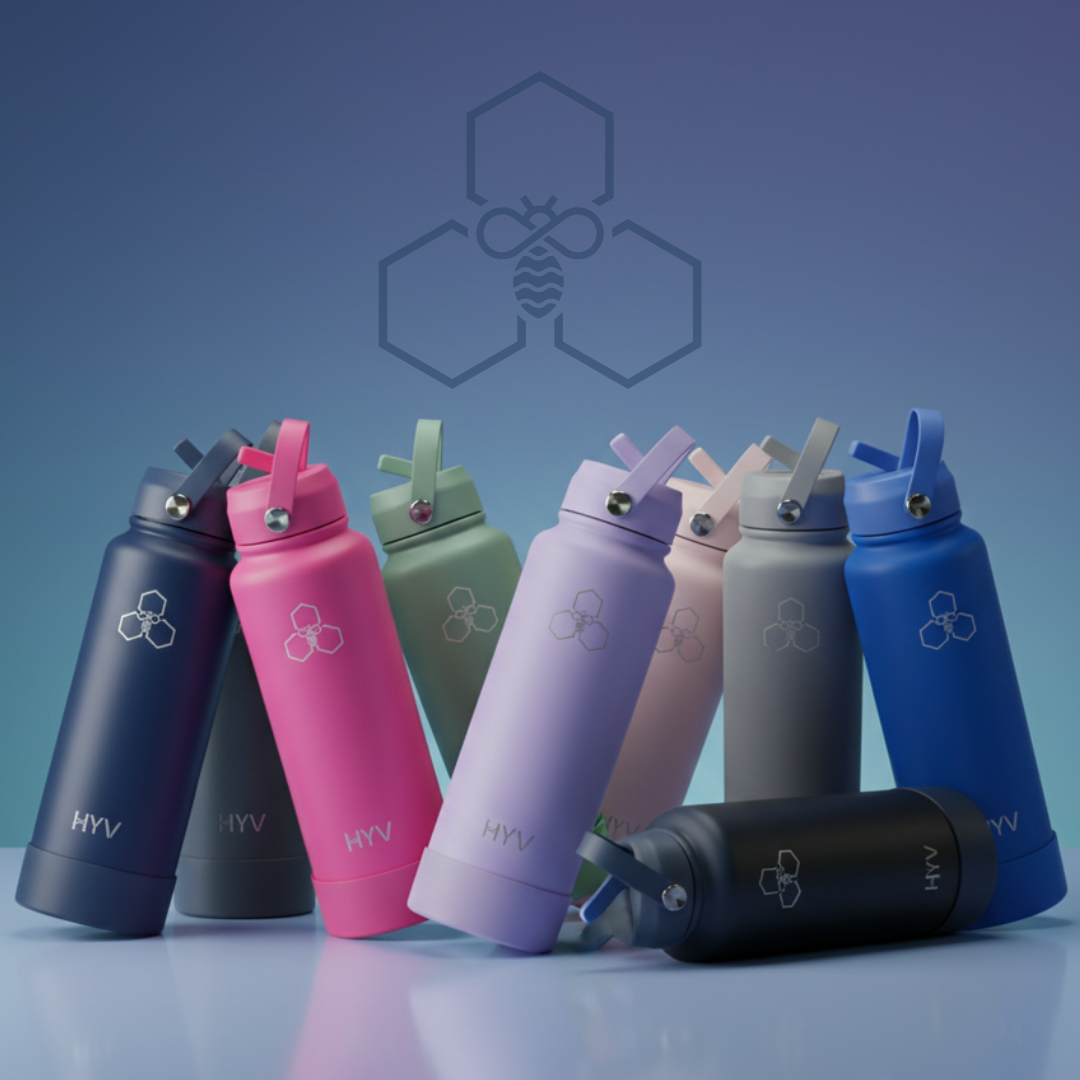
HYV lists lids, gaskets and boots per model. The OpenFlow is ₹799 with a tumbler lid; the CoreFlow is ₹899 with a screw-sip. Buying a replacement means choosing your model from a list, which is exactly the friction that should not exist in the first place.
Disclosure: we are one of the brands
HYV publishes this page and sells the bottles in it, so discount the flattering parts. The checkable facts: BIS IS 17526:2021 on five named models — LuxeSip, LuxeFlow, MagFlex, CoreFlow and ChillSip — 304 food-grade steel throughout, and lids, gaskets and boots sold as separate parts so a worn one does not end the bottle.
Frequently Asked Questions
Are water bottle lids interchangeable between brands?
Generally no. There is no industry standard for insulated bottle neck threads, and diameter, pitch and thread height are all per-model design choices. A lid that screws on may still fail to seal.
How do I measure my bottle neck for a replacement lid?
Measure the outside diameter across the thread ridges in millimetres, and the thread height from where the thread starts to the top of the neck. Do not measure the inner opening — sellers quote the outside diameter.
Do universal water bottle lids work?
Only where your neck size happens to be a common one, and they are usually plain screw caps rather than mechanisms. Buy against a measurement rather than a photo, and expect to test for leaks before trusting it in a bag.
My new lid still leaks. What is wrong?
Most often the gasket. Check it is present and seated flat all the way round, and that it is the one specified for your model — a ring slightly too thick holds the lid off the sealing face. Also check the flat rim at the top of the neck is not chipped.
Related reading: Water Bottle Cap: Types, Replacements, and Buying Guide, The Water Bottle Rubber Seal: Why It Fails and How to Replace It and Types of Water Bottle Lids Explained: Which Is Right for You?.

Leave a comment
This site is protected by hCaptcha and the hCaptcha Privacy Policy and Terms of Service apply.