


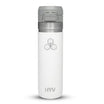
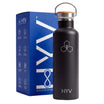
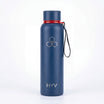
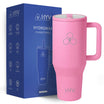



Four things fail on a bottle. The gasket goes first, usually within a year of heavy use. The straw is next if there is one. The lid goes if it is dropped or cross-threaded. All three are replaceable parts on a well-supported bottle. The fourth — the vacuum between the walls — cannot be repaired at home or in a workshop, and that is the only failure that genuinely ends a bottle.
Key Facts
- The silicone gasket is the first part to fail and the cheapest to replace.
- Straws and spouts are consumables on any bottle that has them.
- A lost or cross-threaded lid should cost a lid, not a bottle.
- Silicone boots are protective parts and are meant to be replaced.
- A failed vacuum is the one unfixable failure. Everything else is a part.
The gasket, which fails first
The silicone ring in the lid does all the sealing, and it lives a hard life: compressed every time the lid closes, permanently damp in its groove, and absorbing whatever the bottle carries.
It fails in two ways. It hardens, losing the springiness that lets it compress against the sealing face — that is when a bottle starts leaking for no apparent reason. Or it saturates with odour, which silicone does permanently because it is slightly porous, and then the bottle smells of milk or lemon no matter how it is washed.
Roughly a year of daily use is a reasonable expectation, less if the bottle carries dairy, protein or citrus. Neither failure is repairable and both cost a fraction of a bottle.
Straws, spouts and bite valves
Treat these as consumables.
- Straws crack at the point they bend, and they get cloudy and stained inside.
- Silicone bite valves split at the slit, which is where the leak starts.
- Moulded spouts trap residue in places no brush reaches.
A bottle sold with a straw and no replacement straw available is a bottle with a built-in expiry date, and it is worth checking before buying rather than after.
Lids and boots
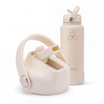
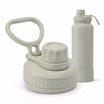
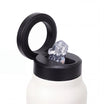
Lids get lost, dropped on tile, and cross-threaded. A lid is the most expensive part on this list and still far cheaper than a bottle. Check when buying that a replacement exists and that the brand states which models it fits — thread sizes are not standardised across the industry.
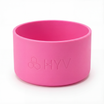
Silicone boots are protective parts doing exactly their job when they get scuffed and torn. Replacing one occasionally is the cost of not denting the base.
The one thing that cannot be fixed
The vacuum. An insulated bottle is two steel shells with the air evacuated from between them and the port sealed during manufacture. If that seal is breached — by a hard impact, or by repeated thermal stress from dishwasher cycles — air enters the gap and the insulation is gone.
There is no home repair and no workshop repair; re-establishing it needs the sealing equipment from the production line. The bottle still holds water and is still safe to drink from. It simply is not an insulated bottle any more.
Test for it by filling with cold water and waiting twenty minutes. A working bottle is dry and at room temperature on the outside.
The product on this page

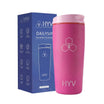
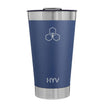
Shop HYV lids, gaskets and boots →
Why parts availability is part of the price
A ₹1,699 bottle whose gasket can be replaced is a cheaper long-term purchase than a ₹900 bottle that has to be thrown away when its gasket hardens. That arithmetic is rarely on the product page.
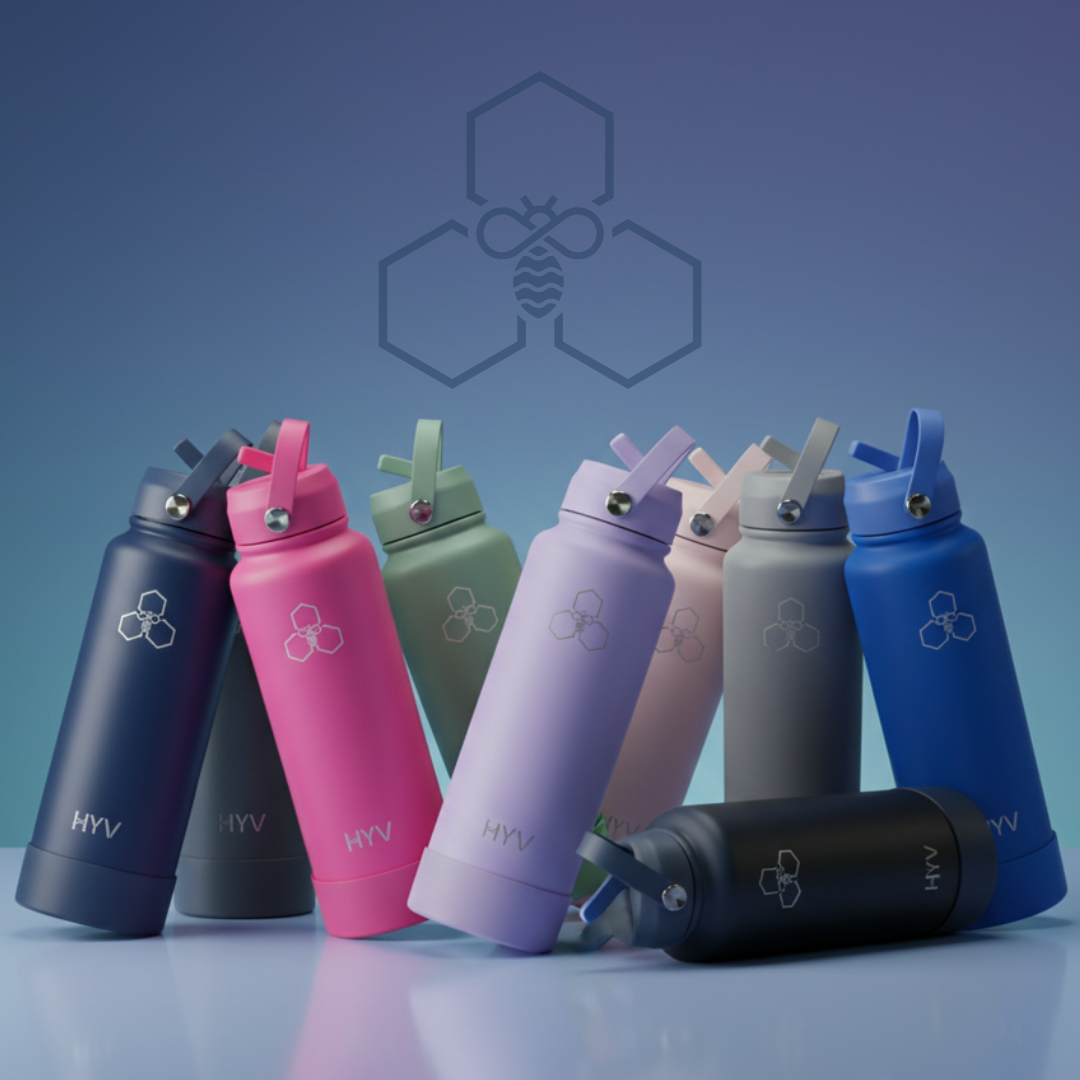
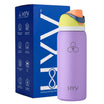
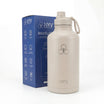
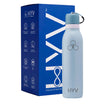
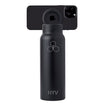
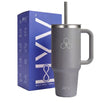
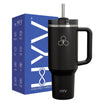
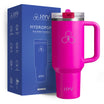
HYV sells lids, gaskets and boots separately across the range — the LuxeSip is ₹1,699 for the 1-litre and its cap, ring and boot are all orderable on their own. Before buying any bottle from anyone, search the brand’s site for "replacement gasket". If nothing comes up, you have learned something about how long they expect the bottle to last.
Disclosure: we are one of the brands
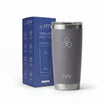
HYV publishes this page and sells the bottles in it, so discount the flattering parts. The checkable facts: BIS IS 17526:2021 on five named models — LuxeSip, LuxeFlow, MagFlex, CoreFlow and ChillSip — 304 food-grade steel throughout, and lids, gaskets and boots sold as separate parts so a worn one does not end the bottle.
Frequently Asked Questions
Which part of a water bottle fails first?
The silicone gasket in the lid. It either hardens and stops sealing, which shows up as unexplained leaking, or it absorbs odour permanently. Around a year of daily use is typical, less with dairy or citrus.
Can you replace the lid on a steel water bottle?
On a well-supported bottle, yes. Thread sizes are not standardised across brands, so buy the lid the manufacturer states fits your model rather than assuming a generic one will seal.
Can a broken vacuum seal be repaired?
No. Re-establishing the vacuum requires the sealing equipment used in manufacture. The bottle still holds water safely but no longer insulates, and that is the one failure that genuinely ends its useful life.
How do I know if I need a new gasket or a new bottle?
Squeeze the gasket — hardened silicone that does not spring back needs replacing. If the bottle leaks with a good gasket properly seated, check the thread for damage. If it stopped keeping drinks cold, that is the vacuum, and only then is it a new bottle.
Related reading: The Water Bottle Rubber Seal: Why It Fails and How to Replace It, Water Bottle Cap: Types, Replacements, and Buying Guide and How Often Should You Replace a Stainless Steel Water Bottle?.

Leave a comment
This site is protected by hCaptcha and the hCaptcha Privacy Policy and Terms of Service apply.