








Chai carried in a steel bottle does not pick up a metal taste — that myth comes from aluminium and copper. What it does is keep brewing: tea leaves left in it continue to extract, and even strained chai continues to develop as it sits hot, so by afternoon it tastes stronger and more bitter than it did at 8am. Strain it, fill hot, and use a chug or screw lid rather than a sipper.
Key Facts
- Steel does not impart a metallic taste to tea; aluminium and copper do.
- Chai keeps developing in a hot sealed bottle and turns bitter over hours.
- Milk in hot chai is the reason it should be a same-day proposition.
- Tannin stains steel brown; bicarbonate of soda removes it.
- Sipper and straw lids are not made for hot liquid or for cleaning after milk.
Why it tastes different by afternoon
Two things are happening, and neither is the steel.
Continued extraction. If any leaves or dust have gone in with the chai, they keep extracting in hot liquid. Tannins come out later than the pleasant compounds, so what you get at 3pm is astringent and harsh rather than strong.
Continued development. Even properly strained chai changes as it sits hot for hours — the milk proteins and sugars keep reacting. That is not spoilage; it is the reason a flask of chai tastes stewed while a fresh cup does not.
The metallic taste people expect is a real phenomenon in aluminium and copper, which react with what they hold. 304 stainless steel does not, which is why commercial kitchens use it for everything.
Getting the best out of it
- Strain it properly. The single biggest improvement. No leaves, no ginger fibre, no cardamom husk.
- Fill it hot and fill it full. A vacuum bottle preserves temperature; it does not create it. Air in a half-empty bottle both cools the chai and gives the milk more to work with.
- Pre-warm the bottle. Rinse it with hot water first, tip it out, then fill. Otherwise the steel takes the first few degrees.
- Make it slightly stronger than you drink it. It will not weaken, but a slightly under-sweetened chai carries better — sugar tastes flatter after hours.
- Drink it the same day. Milk chai in a sealed bottle is a working-day proposition, not an overnight one.
The lid matters more than people expect
Hot liquid changes what the lid has to do, and this is where most chai-in-a-bottle problems come from.
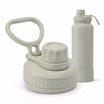
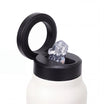
- Use a chug or plain screw lid. Wide, simple, no mechanism, and easy to wash out after milk.
- Avoid sipper caps and straws. Straws are not made for hot liquid, and a narrow spout plus hot contents is how you get a scalding spray.
- Expect pressure. Hot chai sealed in a bottle creates real pressure as it cools, and that pressure escapes when you open it. Open it slowly, and do not overtighten the lid in the first place.
- Leave a small air gap rather than filling to the absolute brim — it gives the pressure somewhere to go.
What chai does to the bottle
Two marks, both manageable.
Tannin staining. A smooth even brown film on the inside wall, exactly as tea stains a mug. Purely cosmetic. A teaspoon of bicarbonate of soda in warm water for an hour lifts it; a paste wiped round the inside handles heavy staining. Never a scouring pad — the stain is harmless and the scratch is not.
Milk in the gasket. The real cost. Dairy residue gets into the silicone ring in the lid and sours there, and silicone absorbs the smell permanently. If you carry chai daily, wash the lid apart every day and expect to replace the gasket once or twice a year. It is a small part on a bottle that otherwise lasts years.
The product on this page

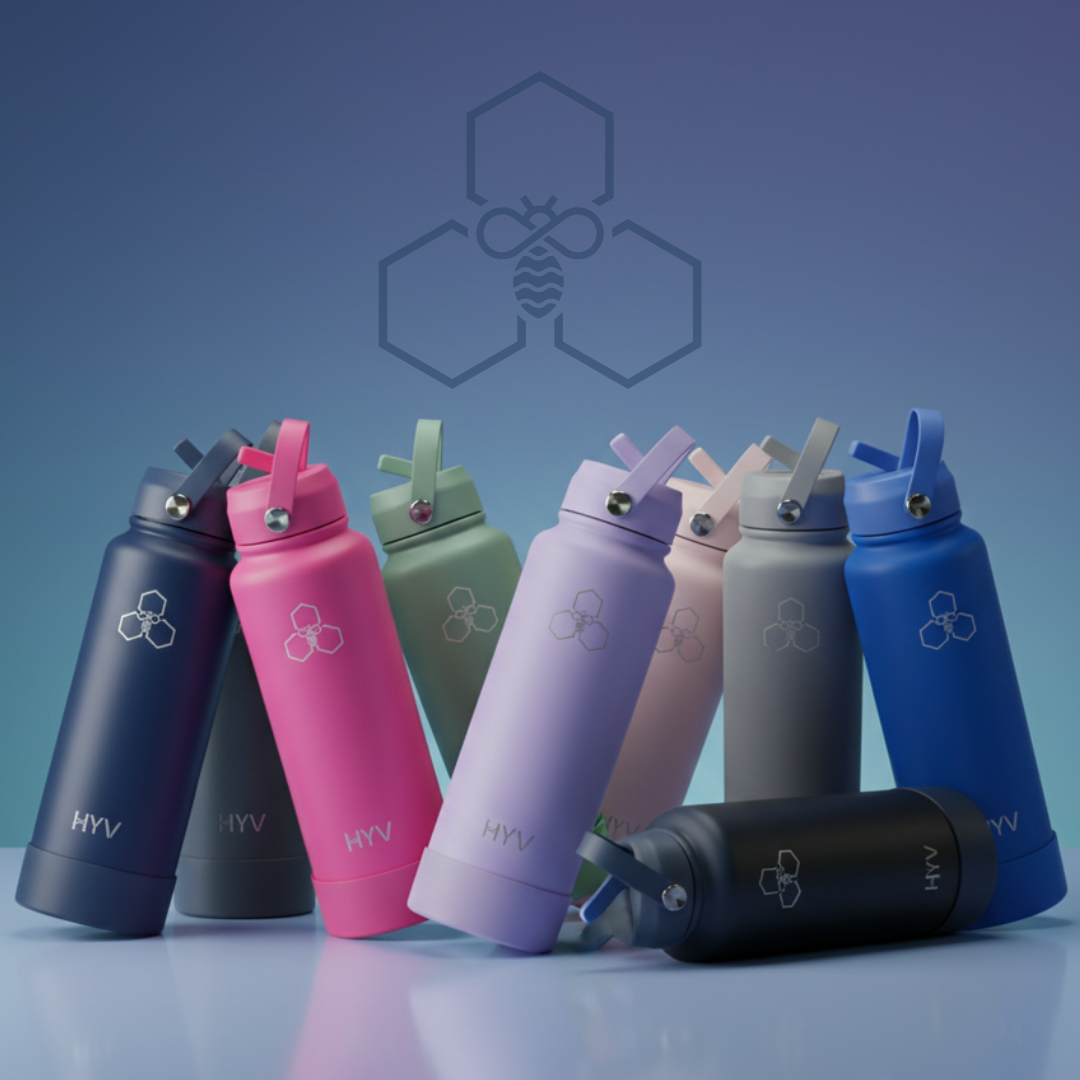
Shop HYV bottles with chug lids →
What to carry it in
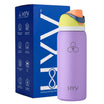
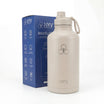
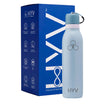
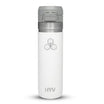
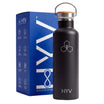
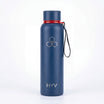
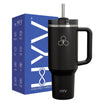
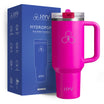
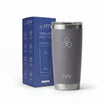
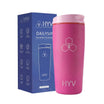
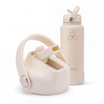
The HYV DualFlow Slim is ₹1,299 for 750 ml with a two-in-one lid — use the chug side for chai. For something plainer and easier to wash out after milk, the CoreFlow is ₹899 with a wide screw-sip mouth.
Gaskets are sold separately across the range, which with a daily chai habit is not a detail. A hardened or soured gasket should cost you a gasket.
Disclosure: we are one of the brands
HYV publishes this page and sells the bottles in it, so discount the flattering parts. The checkable facts: free shipping over ₹499, a 7-day free replacement rather than a refund-return, 304 food-grade steel throughout, and BIS IS 17526:2021 on five named models — LuxeSip, LuxeFlow, MagFlex, CoreFlow and ChillSip.
Related: what we actually recommend.
We go into this properly in how they compare.
If you want the fuller picture, see how they compare.
Frequently Asked Questions
Does chai taste metallic in a steel bottle?
No. 304 stainless steel does not react with tea — that taste comes from aluminium and copper. What changes is that chai keeps brewing and developing in a hot sealed bottle, so it tastes stewed by afternoon.
How long does chai stay good in a flask?
A working day if it went in hot and strained, in a bottle that was pre-warmed and filled close to full. Milk chai is not an overnight proposition in a sealed bottle.
Which lid should I use for hot chai?
A chug lid or a plain screw cap. Sipper caps and straws are not designed for hot liquid, and a narrow spout with hot contents under pressure can spray when opened.
How do I remove tea stains from a steel bottle?
Bicarbonate of soda — a teaspoon in warm water for an hour, or a paste wiped round the inside for thirty minutes. Do not use a scouring pad; the stain is cosmetic and the scratch is permanent.
Related reading: Best Thermos Flask for Tea in India 2026, Best Chug Lid Water Bottle in India 2026 and Brown Stains Inside a Steel Water Bottle: Tea, Iron or Rust?.

Leave a comment
This site is protected by hCaptcha and the hCaptcha Privacy Policy and Terms of Service apply.