





A vacuum insulated bottle is two steel walls with the air removed from between them — which is not the same as a double-walled bottle with air still in the gap. The difference is large, and you can test it in ten minutes: fill with ice water and check whether the outside stays dry. Genuine vacuum construction starts around ₹800–₹900 in India.
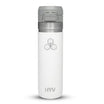
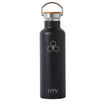
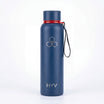
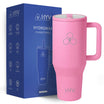
HYV picks, with the actual product
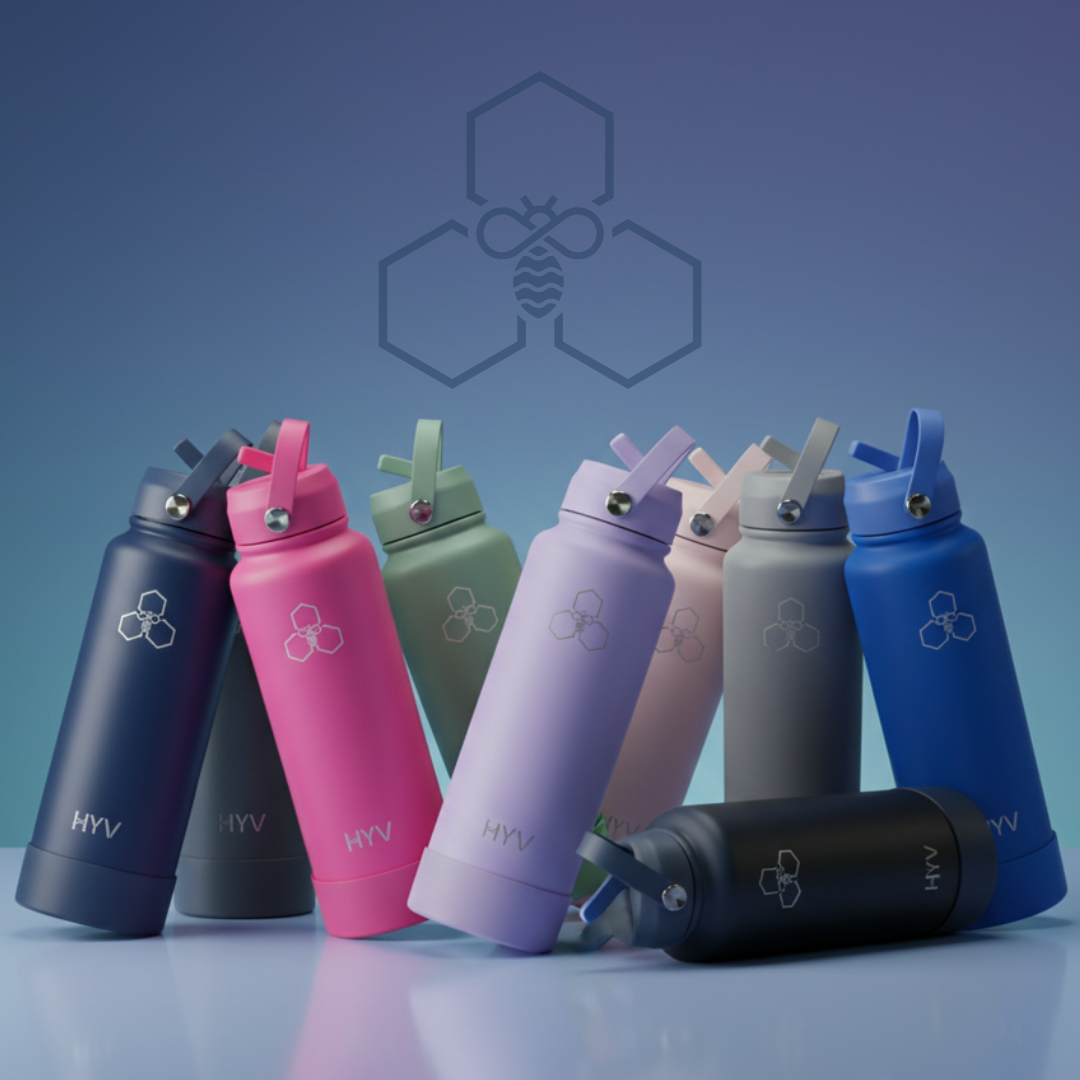
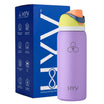
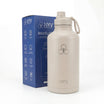
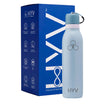
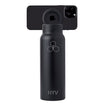
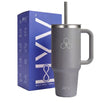
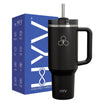
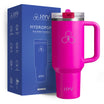
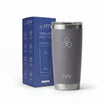
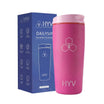
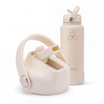
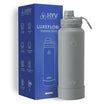
Three models worth looking at for this, photographed as they ship. Prices are the direct price on livehyv.com.


BIS IS 17526:2021 is granted per product. CoreFlow, ChillSip, LuxeSip, LuxeFlow and MagFlex are certified to BIS IS 17526:2021.
Key Facts
- "Double wall" and "vacuum insulated" are different claims; only the second holds ice all day.
- A true vacuum bottle never sweats on the outside — that is the simplest test.
- BIS IS 17526:2021 is the Indian standard, granted per product not per brand.
- A dent that lets the walls touch ends the vacuum permanently and cannot be repaired.
What "vacuum insulated" actually means
Heat moves three ways: conduction, convection and radiation. Conduction and convection both need a medium, so removing the air between two steel walls removes almost all of both. What remains is radiation, which is why the inner wall usually carries a reflective copper coating.
A double-walled bottle with air still in the gap does none of that. Air is a mediocre insulator, and the result is a bottle that is slightly better than single-wall and nowhere near a vacuum flask. Both are legitimately described as "double wall", which is exactly why the phrase is not worth much on a listing.
Three tests you can run yourself
- The condensation test. Fill with ice water, close it, wait ten minutes and feel the outside. A genuine vacuum bottle stays at room temperature and completely dry. Any beading or cold spots mean heat is crossing the wall.
- The weight test. Two complete steel walls cannot be light. A bottle that feels light for its size is worth being sceptical about.
- The certification test. In India, BIS IS 17526:2021 covers vacuum insulated stainless steel containers. It is granted per product, so the useful question is which specific model holds it — not whether the brand "has BIS".
What each price band buys in India
- Below ₹600 — single wall, or double wall with air. No meaningful retention.
- ₹600–₹900 — the transition band. Some genuine vacuum bottles, many not. This is where the tests above earn their keep.
- ₹900–₹1,700 — genuine vacuum construction, food-grade 304 inner wall, a lid designed to be dried, and usually a verifiable certification.
- ₹1,700–₹2,500 — lid engineering, finish, capacity options and spares availability. The insulation is not meaningfully better than the band below; the ownership experience is.
The physics has a floor cost: two shells, a joining process, an evacuation step and a quality check. None can be skipped, which is why a "vacuum insulated" bottle at ₹400 is almost never one.
Reading the retention claim honestly
"24 hours cold" is measured under ideal conditions — a full bottle, pre-chilled, sealed, undisturbed at room temperature. Normal use looks nothing like that.
- Fullness matters most. Air in a half-empty bottle warms fast and drags the water with it. The same bottle can lose half its rated performance at half capacity.
- Every opening resets the clock. Eight openings across a working day cost real hours.
- Pre-chilling is necessary, not cheating. A room-temperature steel wall spends the first hour taking cold from your water.
So a 24-hour bottle used normally holds ice through a working day rather than a full day and night. That is the specification read correctly.
What to check before buying
- Named steel grade — food-grade 304, also written 18/8, on the inner wall.
- A lid you can fully dry. Bottles fail at the lid, not the body, and almost every smell starts in threads that never dry.
- Neck width against a standard ice cube, if retention matters to you.
- Spares. Whether a replacement lid is sold at all is the cheapest test of expected lifespan.
Disclosure: we make vacuum insulated steel drinkware, so weigh the following accordingly. Our range runs from the 750 ml CoreFlow at ₹899 to the 2 L MaxFlow, with replacement lids sold separately. Any bottle meeting the four checks above will serve you equally well — the tests matter more than the brand.
The mechanism is explained in more depth here, and the full buying guide covers sizes and lid types.
Frequently Asked Questions
What is the difference between double wall and vacuum insulated?
A double-walled bottle has two walls with air between them; a vacuum insulated bottle has the air removed. Air is a mediocre insulator, so the second holds ice for a working day while the first does not. Both are sold as "double wall".
How can I tell if my bottle is really vacuum insulated?
Fill it with ice water, close it and wait ten minutes. A genuine vacuum bottle stays completely dry and room-temperature on the outside. Condensation means heat is crossing the wall.
Can a vacuum insulated bottle stop working?
Yes, but not gradually. The vacuum either holds or it is breached — usually by a dent that lets the inner and outer walls touch. A bottle that suddenly sweats or stops holding temperature has lost its vacuum, and it cannot be repaired.
How much should a vacuum insulated bottle cost in India?
Genuine vacuum construction starts around ₹800–₹900. Between ₹900 and ₹1,700 you get certified insulation and a good lid; above that you are paying for finish, capacity and spares rather than better temperature retention.

Leave a comment
This site is protected by hCaptcha and the hCaptcha Privacy Policy and Terms of Service apply.