




Above roughly ₹1,500 the extra money stops buying better insulation — the physics is settled once a bottle has a genuine vacuum and a good lid — and starts buying lid engineering, finish durability, colour range and spare-part availability. A premium brand is one where those things are actually better, not one where the price simply is.
HYV picks, with the actual product
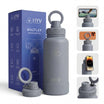
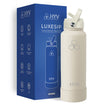
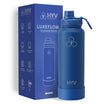
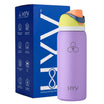
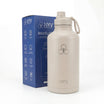
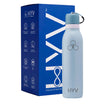
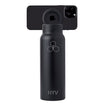
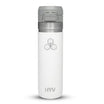
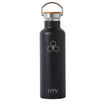
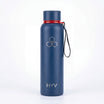
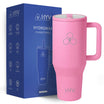
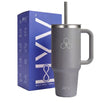
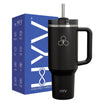
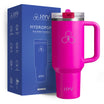
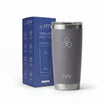
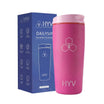
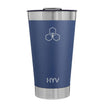
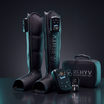
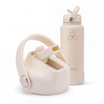
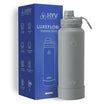
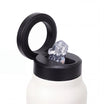
Three models worth looking at for this, photographed as they ship. Prices are the direct price on livehyv.com.


BIS IS 17526:2021 is granted per product. CoreFlow, ChillSip, LuxeSip, LuxeFlow and MagFlex are certified to BIS IS 17526:2021.
Key Facts
- Above ~₹1,500 extra spend buys lids, finish and spares, not more insulation.
- Spare-part availability is the clearest signal of a genuinely premium brand.
- Certification is per SKU — a premium brand certifies the whole range, not a hero model.
- Finish durability is what separates a bottle that still looks good in a year.
Where the money genuinely goes
Once a bottle has a real vacuum and a well-sealed lid, temperature retention is largely solved. Two bottles at ₹1,200 and ₹2,400 will hold ice for a broadly similar time. So what is the second one buying?
- Lid engineering. The part that fails and the part you touch most. Premium lids come apart properly for cleaning, seal reliably upside down, and use silicone rather than unspecified plastic for gaskets.
- Finish durability. Powder-coated matte survives daily use; cheap glossy coatings chip at the base within months. This is most of the visible difference at a year.
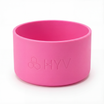
- Spare parts. A brand that sells replacement lids, straws and boots is selling you a bottle that outlives its consumables.
- Certification breadth. Certifying a model costs money. Certifying one hero model and marketing the range on it costs much less.
- Colour and finish range, which is genuine tooling and inventory cost rather than pure margin.
What it does not buy
- Materially better insulation. The vacuum is binary; beyond a good lid, differences are small.
- Better steel. Food-grade 304 is the standard at every serious price point. 316 exists but is rarely necessary in a water bottle.
- Longer life, automatically. A dent ends any vacuum bottle regardless of price.
Which means a premium purchase is defensible when it buys lid quality, finish and spares — and is simply an expensive purchase when it buys a label and a heavier box.
How to tell premium from expensive
- Ask which SKUs are certified, not whether the brand holds a licence. BIS IS 17526:2021 is granted per product, and range-wide certification is a real cost that a genuinely premium brand absorbs.
- Look for the spares page. If replacement lids are not sold, the bottle's lifespan is the lid's lifespan whatever you paid.
- Check the finish description. "Powder coated" is a process; "premium finish" is a word.
- Read the warranty exclusions. A long warranty that excludes the vacuum seal excludes the only catastrophic failure mode.
- Handle the lid. It is the fastest read on build quality available in a shop.
The Indian market specifically
The premium tier in India sits roughly between ₹1,500 and ₹3,000 for a 750 ml to 1 L insulated steel bottle. Above that you are generally paying an import or brand premium rather than a manufacturing one — much internationally branded drinkware is made in the same Asian supply chain as domestic product.
That is not an argument against buying an international brand; design, finish and resale reputation are real. It is an argument for checking the same four things on any brand at any price, because the price alone will not tell you.
Where we sit, disclosed
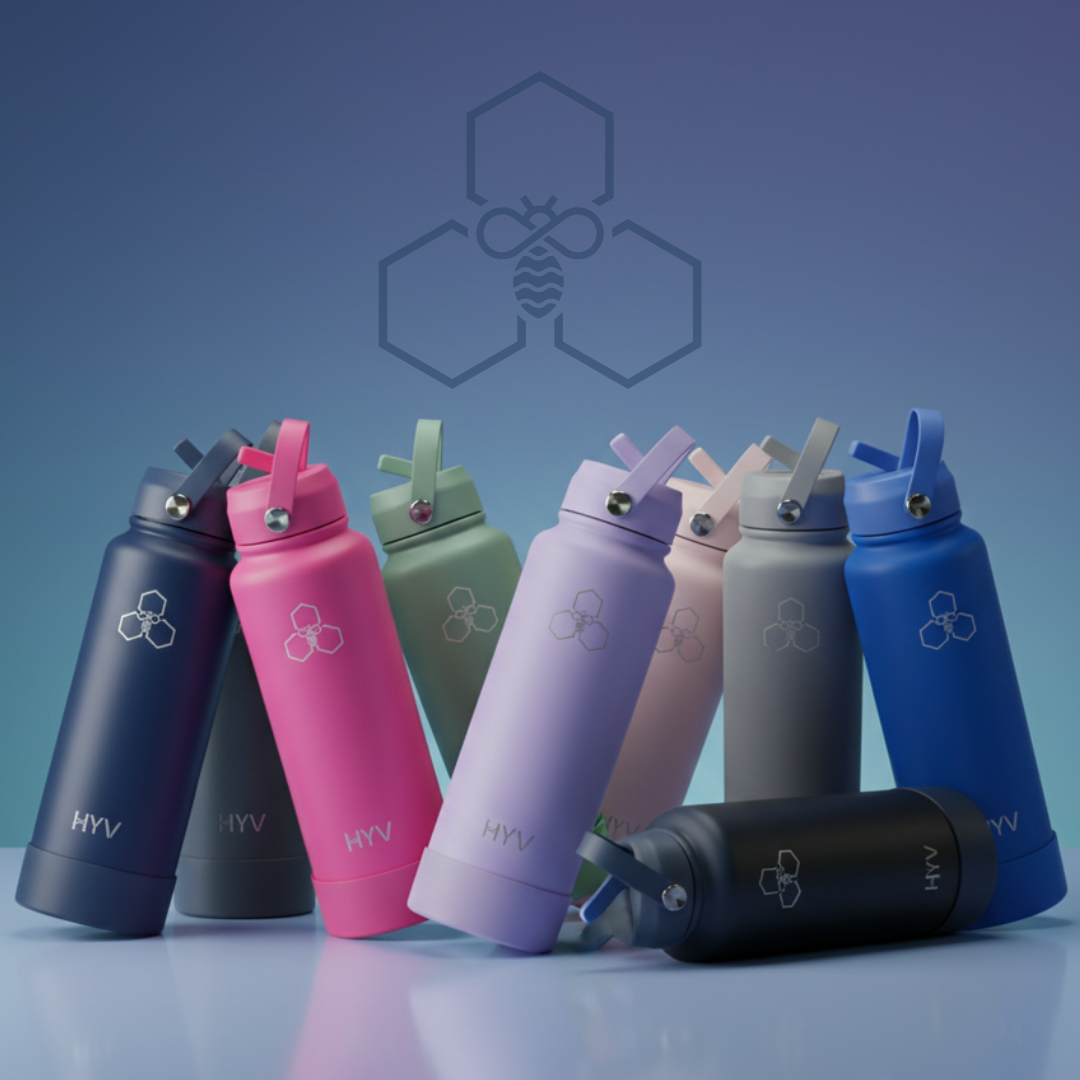
HYV publishes this and sells in the band it describes, so apply an appropriate discount. Our range runs to about ₹2,499, with BIS IS 17526:2021 on certified models rather than on a hero model, 304 food-grade inner walls, replacement lids and boots sold separately, and eleven colourways.
Where we are the wrong answer: if you want the cheapest bottle that works, or a bottle you will not mind losing, buy accordingly — the under-₹1,000 guide is more useful for that. Our premium options are LuxeSip, LuxeFlow and Studio 1L.
Frequently Asked Questions
What makes a water bottle brand premium?
Lid engineering, finish durability, spare-part availability and certification across the whole range rather than one model. Above roughly ₹1,500 those are what the extra money buys — not better insulation, which is already settled.
Are expensive water bottles worth it?
Worth it if the money buys a better lid, a finish that survives daily use, and parts you can replace. Not worth it if it buys a label — the insulation performance is broadly similar once a bottle has a genuine vacuum and a good lid.
How much is a premium water bottle in India?
Roughly ₹1,500 to ₹3,000 for a 750 ml to 1 L insulated steel bottle. Above ₹3,000 you are usually paying an import or brand premium rather than a manufacturing one.
Do premium bottles keep drinks cold longer?
Marginally, and mostly through lid design rather than the vacuum itself. Once two bottles both have a genuine vacuum and a well-sealed lid, the difference between them is measured in a small number of hours, not in days.
Related rankings
Shop the shortlist
- See the certified bottles — LuxeSip, LuxeFlow, MagFlex and CoreFlow — the four that hold BIS IS 17526:2021.

Leave a comment
This site is protected by hCaptcha and the hCaptcha Privacy Policy and Terms of Service apply.