






Stainless steel resists rust because of a thin chromium oxide layer that re-forms in air. Destroy that layer and the iron underneath rusts like any other iron. The four causes are chloride — bleach, phenyl, salt left standing — abrasion from steel wool or scouring pads, low-grade steel sold as 304, and marks transferred from something else rusting nearby. Only the last two are common, and only one is fixable.
Key Facts
- Chromium oxide is what makes steel stainless, and it self-repairs in air.
- Chloride is the main enemy — bleach, phenyl and standing salt water.
- Steel wool and scouring pads strip the same protective layer mechanically.
- Transferred surface rust wipes off and leaves sound steel underneath.
- Pitting is permanent; the bottle will keep rusting in the same spot.
Why "stainless" is a relative term
Stainless steel contains chromium, and chromium reacts with oxygen to form a very thin, invisible, tightly bonded oxide layer on the surface. That layer is what stops the iron in the alloy from rusting, and its useful property is that it re-forms by itself whenever the surface is exposed to air. A scratch on good stainless steel heals.
It heals unless something is preventing it. Take away oxygen, or attack the layer chemically faster than it can re-form, and the iron underneath behaves exactly like iron.
The four causes, in order of how often they happen
- Transferred surface rust. The most common and the least serious. A bottle dried on a rusting rack, stored touching something iron, or left in a damp steel cupboard picks up orange marks that are not its own. These wipe off with a bicarbonate paste and leave sound steel underneath.
- Low-grade steel sold as 304. Cheap bottles are sometimes 201-grade, which has less chromium and nickel and genuinely corrodes in normal use. A bottle that rusts inside within months without mistreatment is usually this.
- Chloride. Bleach, phenyl, chlorine tablets, or salt water left standing. This is the fastest way to destroy the passive layer deliberately, and the damage is permanent.
- Abrasion. Steel wool and hard scouring pads remove the layer mechanically. It re-forms in air — but not on an interior surface kept permanently wet.
How to tell which one you have
Make a paste of bicarbonate of soda and water, rub the orange mark gently with a cloth, and rinse.
- It comes off, leaving smooth steel: transferred surface rust. Nothing is wrong with the bottle. Change where you dry it.
- It comes off, leaving a rough or pitted patch: the steel is damaged there. It will keep rusting in the same place. Cosmetic in a small spot, worth replacing if it is spreading.
- It does not come off and covers a broad area inside: most likely a grade problem. A properly made 304 bottle does not do this in plain drinking water.
Keeping it from happening
- Never bleach, phenyl or chlorine, at any dilution, for any duration.
- Never steel wool or scouring pads. Bicarbonate paste and a soft cloth handle anything you need to handle.
- Empty and air-dry rather than storing wet and capped — the passive layer needs oxygen to re-form.
- Do not store the bottle touching rusting metal, and do not dry it on a rusting rack.
- Rinse out salted drinks — ORS, electrolyte mixes, salted nimbu paani — the same day rather than leaving them to stand.
The product on this page

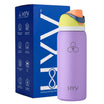
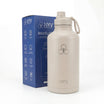
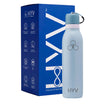
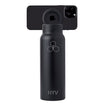
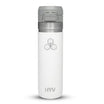
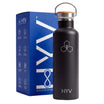
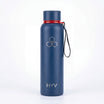
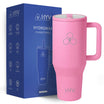
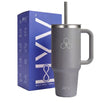
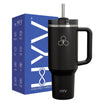
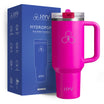
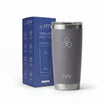
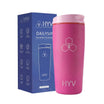
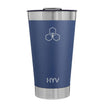
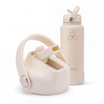
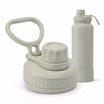
Shop HYV 304 food-grade steel bottles →
How to buy against the grade problem
You cannot tell 201 from 304 by looking, and a sticker claiming 304 costs nothing to print. What is checkable is third-party certification.
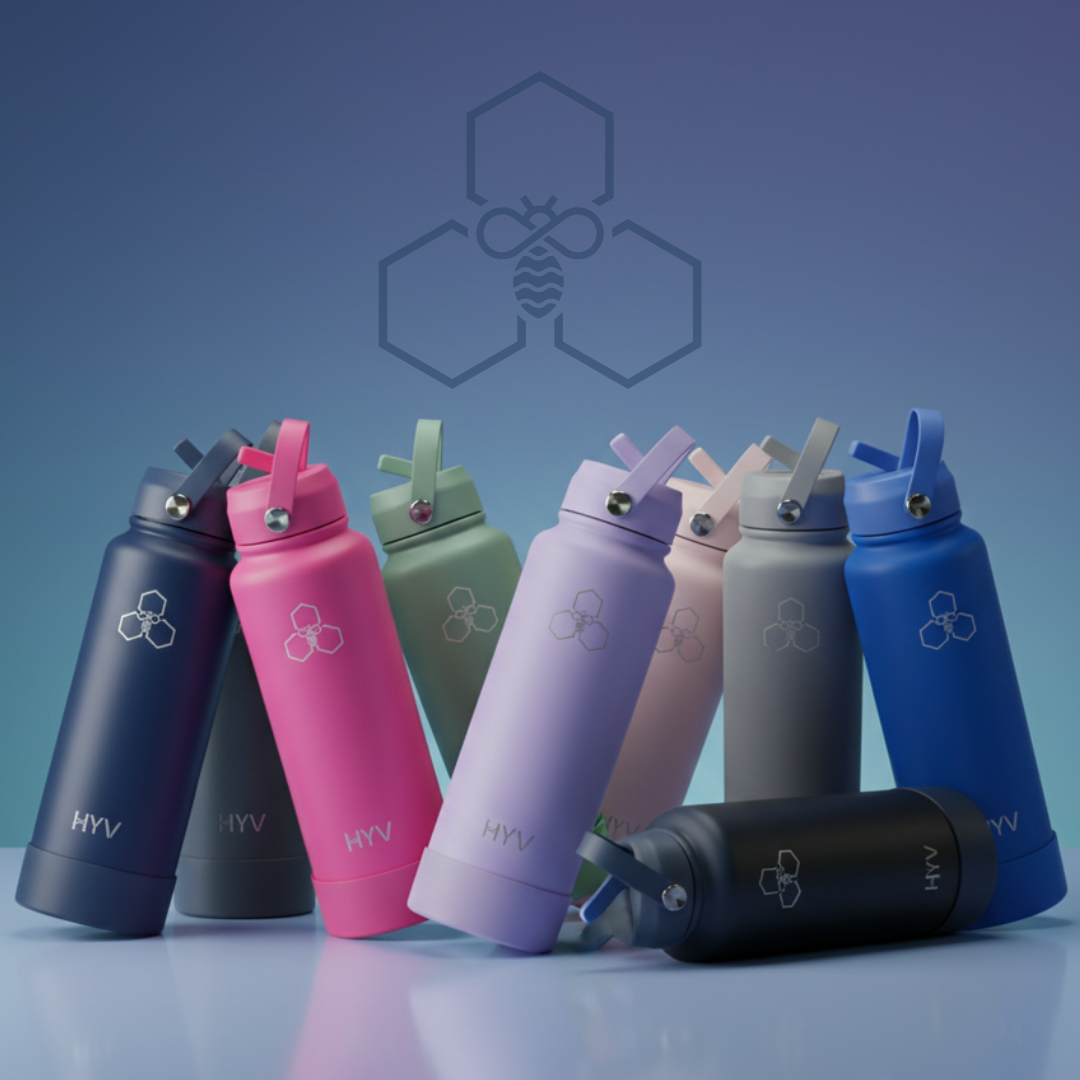
Five HYV models carry BIS IS 17526:2021 — LuxeSip, LuxeFlow, MagFlex, CoreFlow and ChillSip. That is the Indian standard for vacuum-insulated stainless steel vessels, and a licence is granted per model against tested samples rather than claimed on a label. The LuxeSip is ₹1,699 for the 1-litre. The rest of our range is 304 food-grade steel but is not covered by that licence, and we say so rather than letting the certificate stretch.
Disclosure: we are one of the brands
HYV publishes this page and sells the bottles in it, so discount the flattering parts. The checkable facts: BIS IS 17526:2021 on five named models — LuxeSip, LuxeFlow, MagFlex, CoreFlow and ChillSip — 304 food-grade steel throughout, and lids, gaskets and boots sold as separate parts so a worn one does not end the bottle.
For the comparison behind this, see the full comparison.
For the comparison behind this, see Brown Stains Inside a Steel Water Bottle: Tea, Iron or Rust?.
For the comparison behind this, see ORS and Electrolyte Powder in a Steel Bottle: What It Does to the Bott.
If that is the question you actually came with, see what works at a pool.
Frequently Asked Questions
Can a stainless steel water bottle rust?
Yes, when its protective chromium oxide layer is destroyed. The usual causes are chloride cleaners like bleach or phenyl, abrasive scouring, genuinely low-grade steel, or marks transferred from something else rusting nearby.
How do I remove rust from a steel bottle?
Make a paste of bicarbonate of soda and water and rub gently with a cloth. If the mark lifts and the steel beneath is smooth, it was transferred rust and the bottle is fine. If it leaves a rough pit, the surface is damaged there permanently.
Why is my new steel bottle rusting inside?
A properly made 304 bottle should not rust in drinking water within months. The two likely explanations are lower-grade steel sold as 304, or a chloride cleaner having been used in it.
Does salt water rust a stainless steel bottle?
Standing salt water works against the passive layer over time, which is why ORS, electrolyte mixes and salted drinks should be rinsed out the same day rather than left in the bottle.
Related reading: What Is 304 Stainless Steel? The Water-Bottle Explainer, How to Check If Your Water Bottle Is BIS Certified India 2026 and Surgical Grade vs Food Grade Stainless Steel: What Your Water Bottle Actually Uses.

Leave a comment
This site is protected by hCaptcha and the hCaptcha Privacy Policy and Terms of Service apply.