









Carrying nimbu paani in a 304 steel bottle for a day is fine, and the widely repeated warning against it is overstated. What is genuinely not fine is citrus left standing in a sealed bottle for days — prolonged acid contact in an oxygen-starved vessel works against the passive layer that makes stainless steel corrosion-resistant. The part that shows it first is not the steel; it is the silicone gasket in the lid.
Key Facts
- A day of lemon water in 304 steel is unremarkable.
- Days of standing citrus in a sealed bottle is the real risk.
- Copper and aluminium are a different story — those genuinely react.
- The lid gasket absorbs citrus oils and holds the smell.
- Whole lemon slices left in the bottle are a spoilage problem, not a metal one.
Where the warning comes from
The advice not to put lemon in metal is old, sound, and about the wrong metals. Copper and aluminium react readily with citric acid — which is exactly why traditional copper bottles come with instructions about what not to store in them, and why aluminium cookware is not used for tomato or tamarind.
Stainless steel is a different proposition. The chromium oxide layer on 304 is far more resistant to dilute food acids, which is why steel is what commercial kitchens use for citrus, vinegar and tamarind preparation. The advice travelled from copper to steel without the reasoning coming with it.
What is actually true
The honest boundary is exposure time.
- Morning to evening: fine. This is the normal use case and it is not worth worrying about.
- Overnight: fine, though there is no reason to.
- Several days in a sealed capped bottle: this is the case to avoid. The bottle is closed, oxygen is limited, and the passive layer re-forms by reacting with oxygen. Sustained acid with no oxygen is the combination that gets you dull patches or pitting.
The same logic is why this site tells you to limit a vinegar cleaning soak to an hour. It is the same mechanism at a stronger concentration.
The part that actually suffers
Long before the steel notices anything, the lid does.
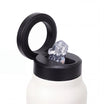
Citrus oils from lemon peel are absorbed readily by silicone. A gasket that has carried nimbu paani for a few months holds the smell permanently, and no amount of washing gets it out — silicone is slightly porous and this is what it does. If your bottle smells of lemon when it contains plain water, the gasket is finished and needs replacing.
Sugar in the mix makes it worse, because sugar residue in the gasket groove is what ferments and sours.
Practical rules if you drink it daily
- Make it in the morning and finish it that day.
- Strain out the slices, or at least take them out before storing the bottle. Lemon flesh left in the bottle spoils long before the acid does anything to the steel.
- Wash the same day — body and lid, gasket out of its groove.
- Use a chug or screw lid rather than a straw. A straw carrying sweetened citrus daily is a cleaning commitment most people do not keep.
- Budget for replacing the gasket once or twice a year. It is a ₹100-class part on a ₹1,500-class bottle.
The product on this page

Shop HYV bottles with replaceable gaskets →
Which bottle to carry it in
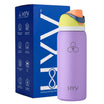
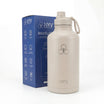
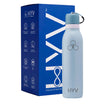
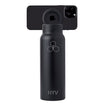
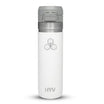
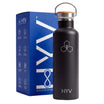
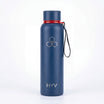
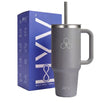
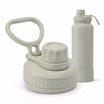
A wide-mouth 304 bottle with a plain lid and a gasket you can buy separately. That is the whole specification.
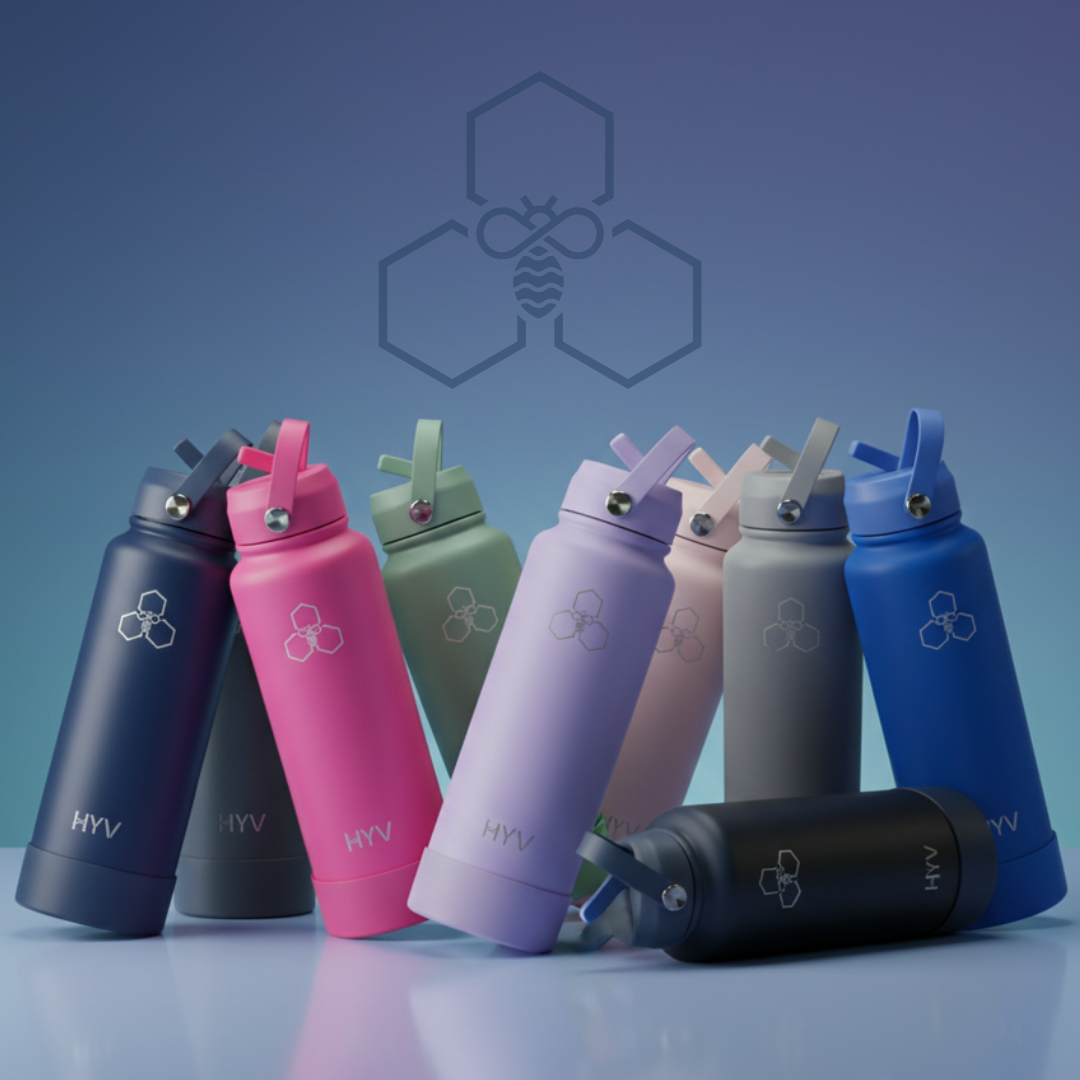
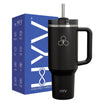
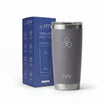
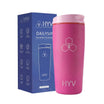
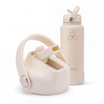
The HYV DualFlow Slim is ₹1,299 for 750 ml with a two-in-one chug and sipper lid that comes apart fully, and we sell gaskets as parts. If you prefer something you can get a hand into for washing, the CoreFlow is ₹899 with a plain wide screw-sip mouth.
Disclosure: we are one of the brands
HYV publishes this page and sells the bottles in it, so discount the flattering parts. The checkable facts: BIS IS 17526:2021 on five named models — LuxeSip, LuxeFlow, MagFlex, CoreFlow and ChillSip — 304 food-grade steel throughout, and lids, gaskets and boots sold as separate parts so a worn one does not end the bottle.
Related: the full comparison.
For the comparison behind this, see the honest ranking.
Frequently Asked Questions
Is it safe to keep lemon water in a stainless steel bottle?
For a day, yes. 304 stainless steel handles dilute food acids — it is what commercial kitchens use for citrus. The case to avoid is citrus left standing in a sealed bottle for several days.
Why do people say not to put lemon in metal?
Because of copper and aluminium, which genuinely react with citric acid. The advice was carried over to stainless steel without the chemistry, and stainless steel is far more resistant than either.
My bottle smells of lemon even with plain water. Why?
The silicone gasket in the lid has absorbed citrus oils, which it does readily and permanently. Washing will not remove it. Replace the gasket rather than the bottle.
Should I leave the lemon slices in the bottle?
Take them out. Lemon flesh spoils in a warm sealed bottle long before the acid affects the steel, and the sugar and pulp residue is what sours in the lid.
Related reading: Can You Make Detox Water in a Steel Bottle? Yes — Here’s How, Copper vs Stainless Steel Water Bottle India: Which is Safer? and The Water Bottle Rubber Seal: Why It Fails and How to Replace It.

Leave a comment
This site is protected by hCaptcha and the hCaptcha Privacy Policy and Terms of Service apply.