




⚡ Quick Answer
For daily insulated drinkware in India, stainless steel (18/8, Grade 304) wins on safety, durability, insulation capability, and certification. Copper has traditional health claims (Ayurvedic tamra jal) that are culturally relevant but lack strong clinical evidence. Copper cannot be vacuum-insulated and degrades with acidic drinks. For cold water in summer, stainless steel is the only option.
Why Stainless Steel Wins for Daily Carry
Full Comparison
When Copper Makes Sense
The Ayurvedic tradition of storing water overnight in a copper vessel (tamra jal) is culturally significant and has some antimicrobial evidence at laboratory scale. If you specifically want tamra jal — plain water stored overnight in copper for morning consumption — a copper vessel for that purpose is reasonable. Using copper for all-day cold water carry, lemon water, electrolyte drinks, or ORS is inadvisable — acidic liquids accelerate copper leaching.
When Stainless Steel Wins
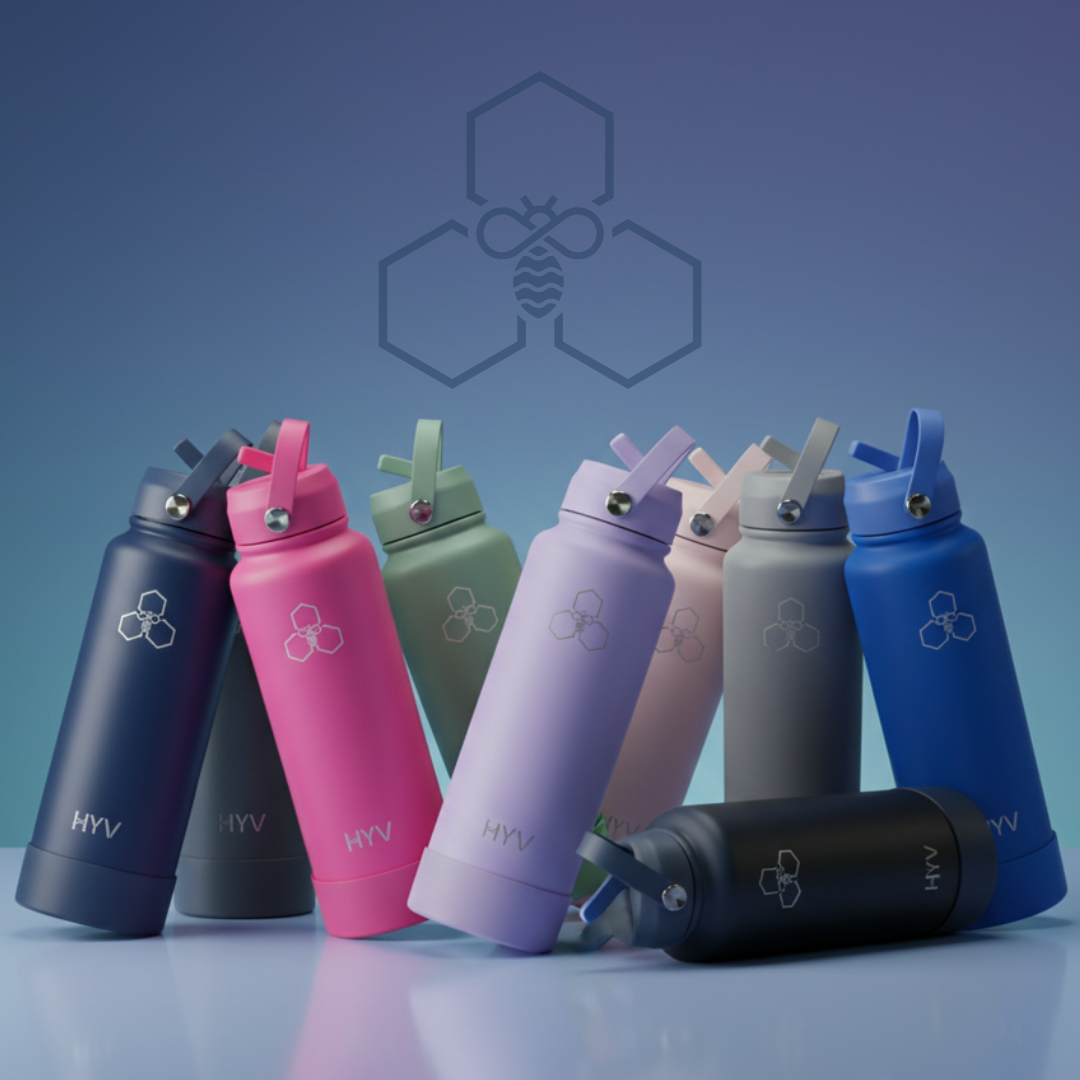
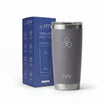
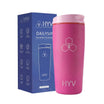
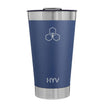
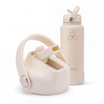
Stainless steel wins for vacuum insulation, all-day cold carry, acidic drinks, certified food safety (BIS IS 17526:2021), and durability. All HYV bottles use food-grade 18/8 stainless steel on all water-contact surfaces with no interior coating or plastic liner.

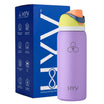
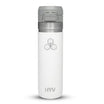
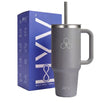
HYV CoreFlow — uncoated 18/8 interior

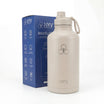
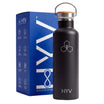
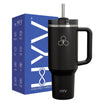
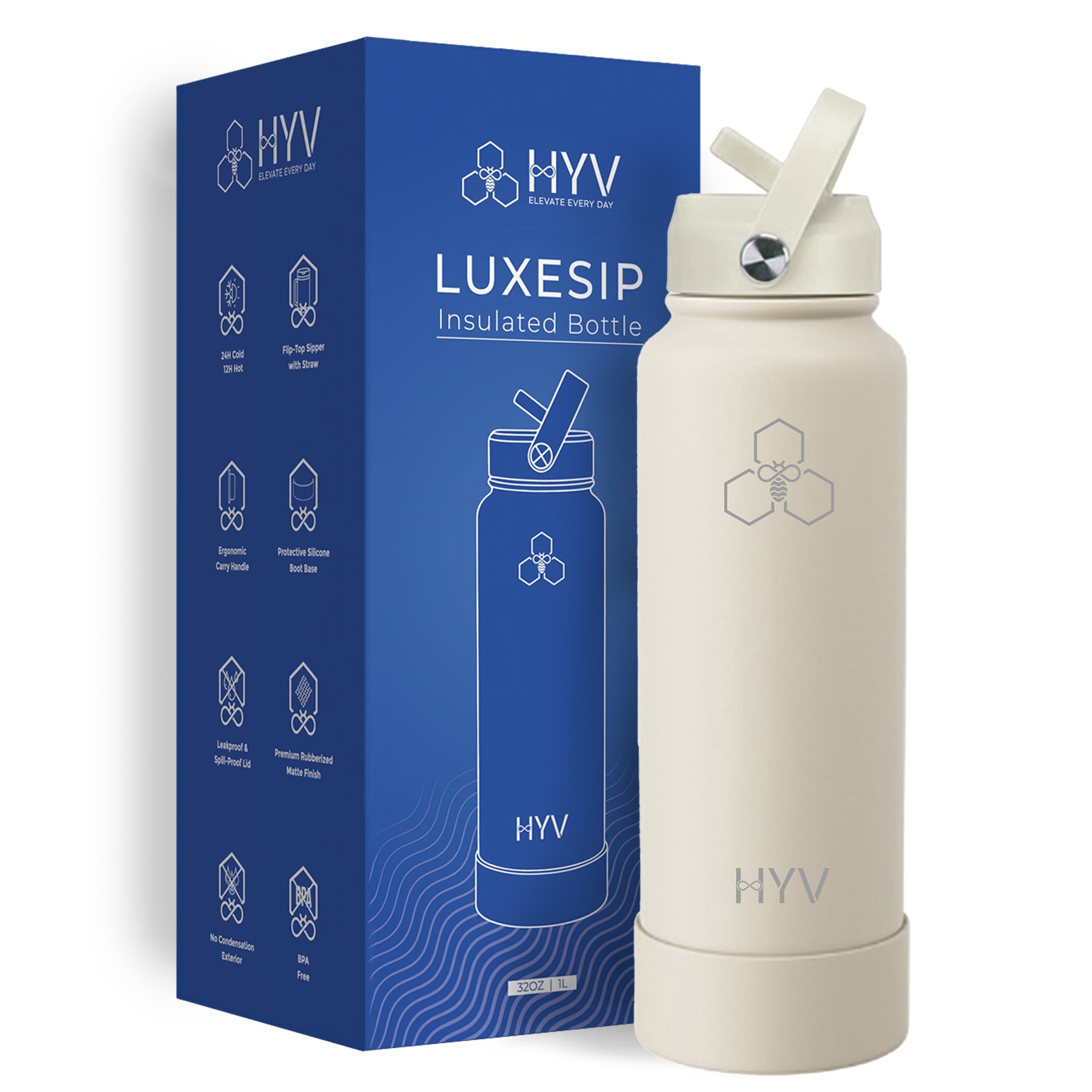
HYV LuxeSip — food-grade 304 steel

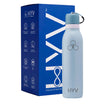
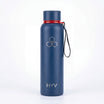
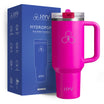
HYV FlipFlow — no interior coating
💡 A Practical Rule
For cold water through an Indian summer day: stainless steel vacuum insulated. For the specific Ayurvedic practice of overnight tamra jal: copper vessel for overnight storage only. Don't try to do both with one bottle.
Made by HYV
HYV makes insulated stainless steel drinkware in India. Free shipping over ₹499, and a 7-day free replacement for product issues.
Shop HYV insulated water bottles →Related: how they compare.
If you want the fuller picture, see Is a Stainless Steel Water Bottle Safe for Kids?.
For the comparison behind this, see Does a Stainless Steel Water Bottle Rust? Yes — Here Is Exactly When.
Related: steel ki bottle ke fayde aur nuksan.
Frequently Asked Questions
Food-Grade 18/8 Steel. From ₹899.
HYV makes BIS-certified bottles. Free shipping above ₹499.
Shop Now →Related: glass vs stainless steel water bottle
Related guides
Shop the shortlist
- See the steel bottles — 304 food-grade stainless, double-wall vacuum, 750 ml to 2 L.
- See the reusable bottles — HYV bottles and tumblers in one shortlist — 470 ml to 2 L, double-wall vacuum steel.


Leave a comment
This site is protected by hCaptcha and the hCaptcha Privacy Policy and Terms of Service apply.