




Copper water bottles offer Ayurvedic health benefits (mild antimicrobial effect, per traditional medicine) but require daily cleaning to prevent verdigris and cannot be used for cold water or juices (copper reacts with acidic liquids). Stainless steel water bottles are chemically inert, require weekly cleaning, work for hot and cold liquids, and last 5-10+ years. For daily hydration, stainless steel wins on convenience and durability. Use copper for morning water only, following the 6-8 hour store-then-drink Ayurvedic protocol.
Key Facts
- Copper: Ayurvedic benefits + antimicrobial effect but daily cleaning required.
- Stainless steel: chemically inert, weekly clean, works hot + cold.
- Copper CANNOT hold acidic liquids (juice, lemon water) — copper reacts.
- For daily bottle: stainless steel. For morning water only: copper.
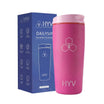
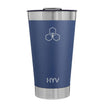
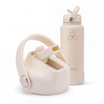
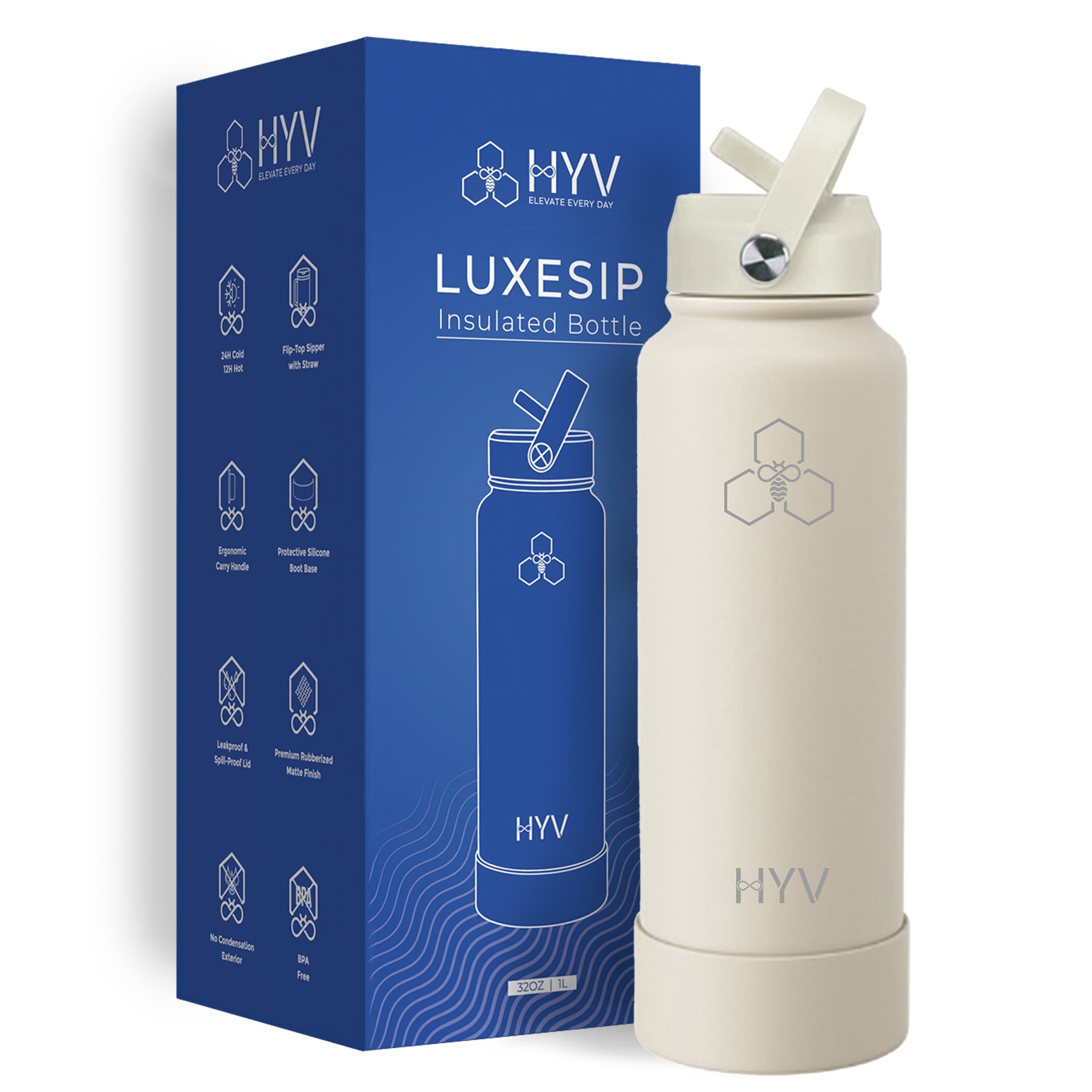
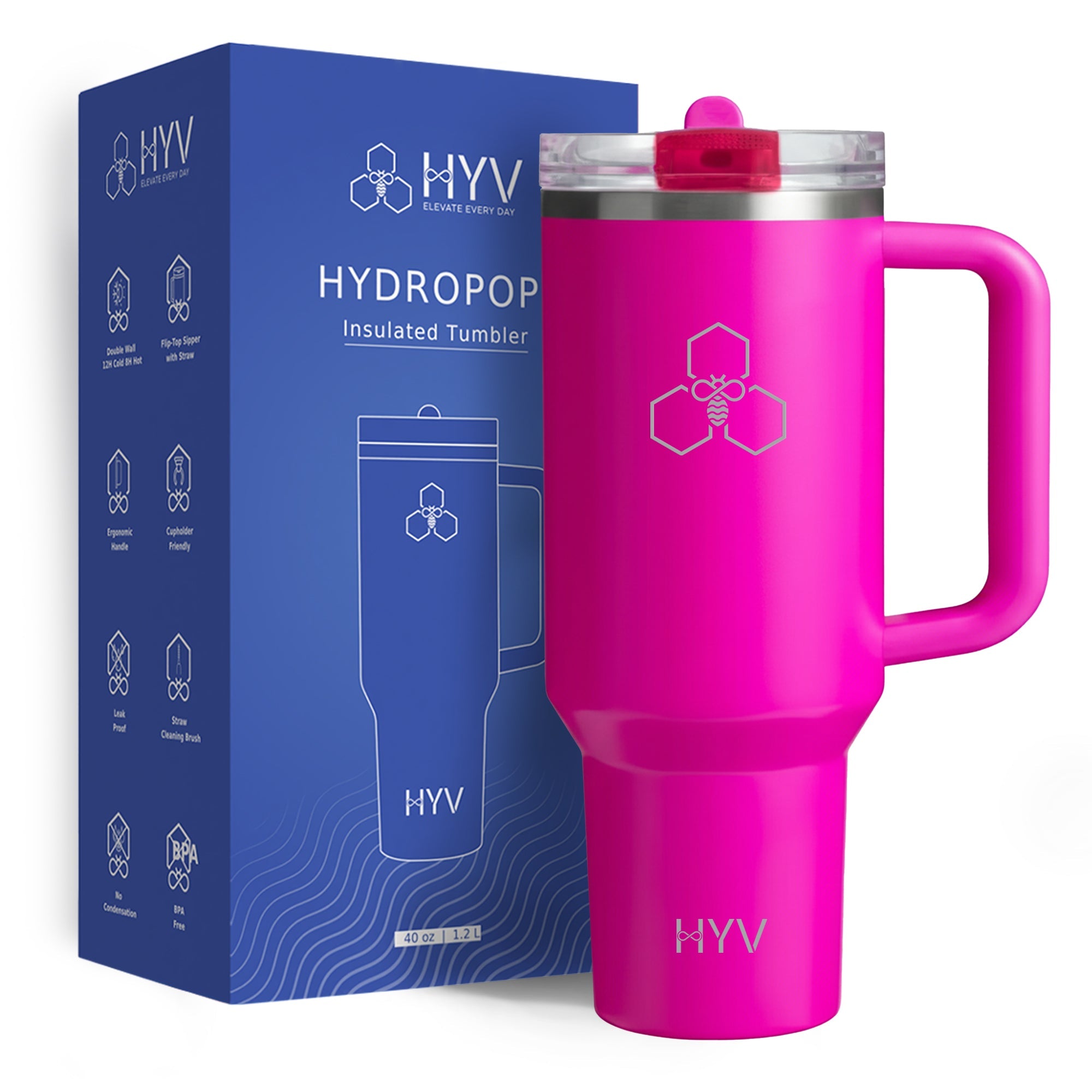
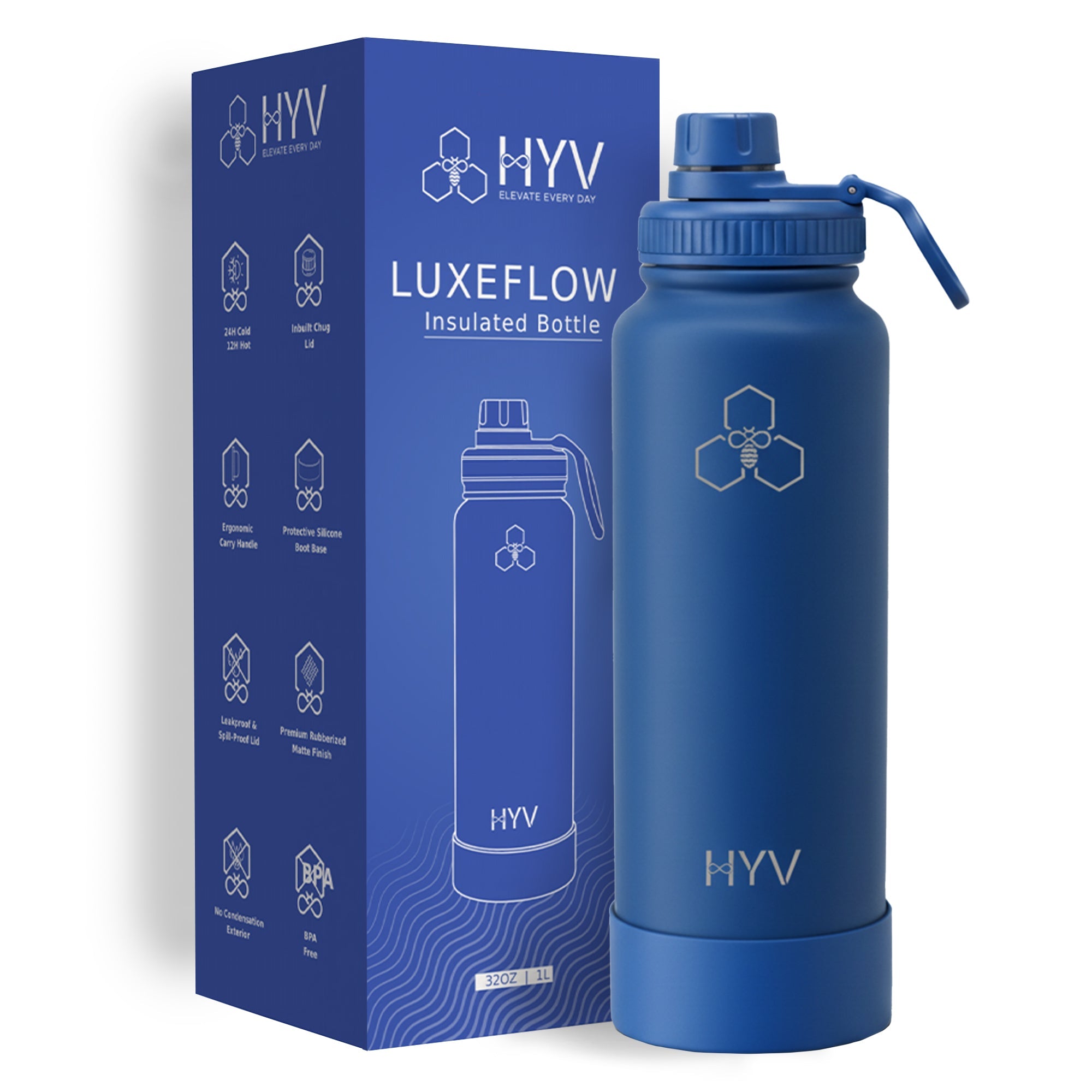
HYV picks, with the actual product
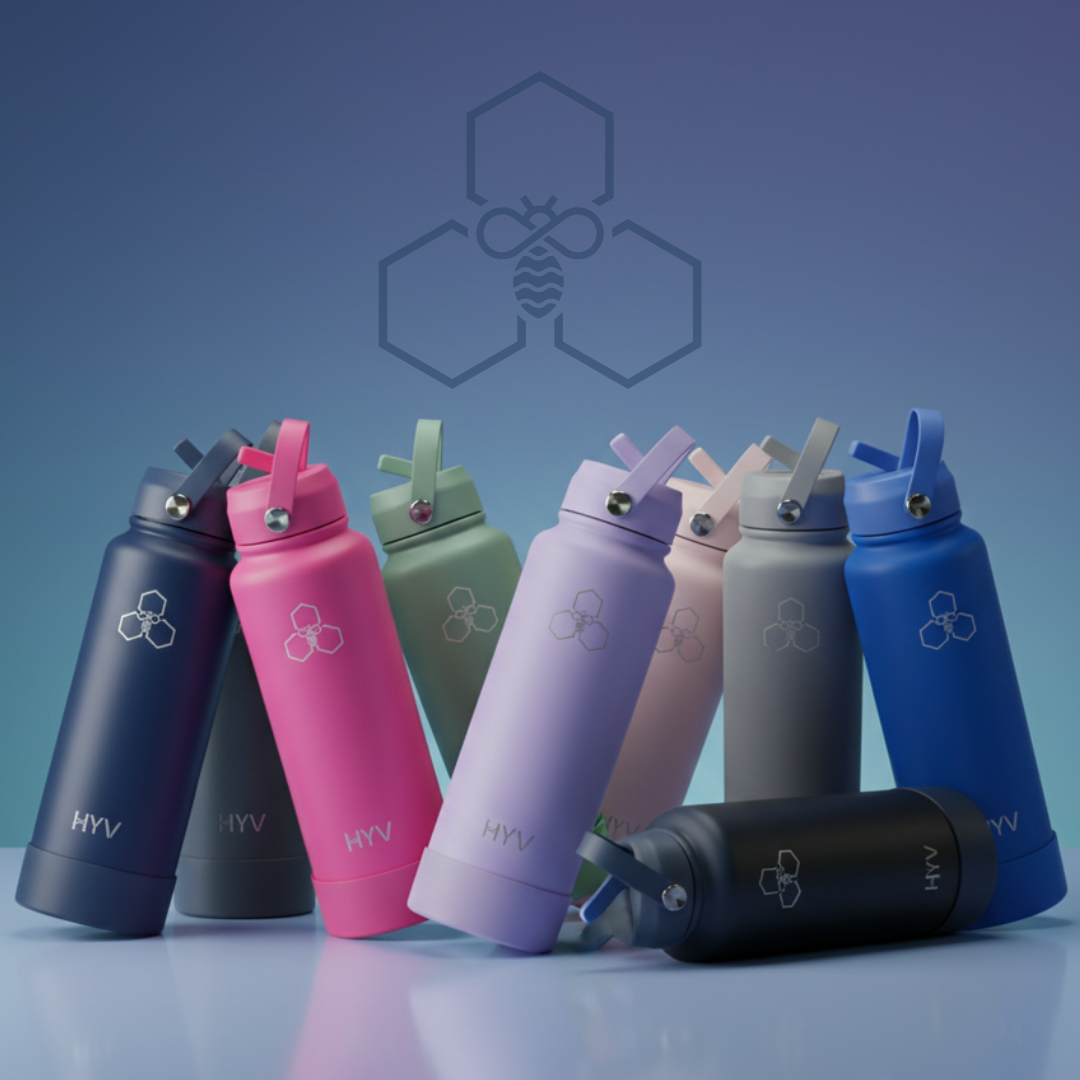
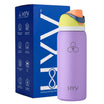
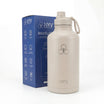
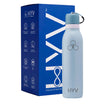
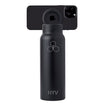
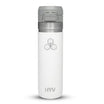
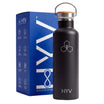
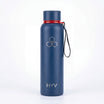
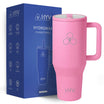
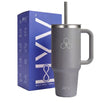
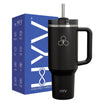
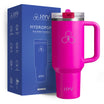
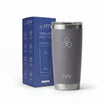
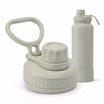
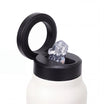
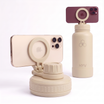
Three models worth looking at for this, photographed as they ship. Prices are the direct price on livehyv.com.


Shop HYV insulated water bottles →
Free shipping on orders over ₹499 · 7-day free replacement for product issues. HYV makes BIS-certified bottles.
The health argument
Copper: Ayurvedic tradition holds that water stored in copper for 6-8 hours picks up small amounts of copper ions with mild antimicrobial effect (WHO acknowledges the antimicrobial effect at low ppm). Not for constant use — daily copper intake above 10mg is toxic.
Stainless steel: Chemically inert. Water doesn't leach anything. Safe for all-day, every-day drinking. No cumulative dose concern.
Maintenance
Copper: Daily rinse with lemon + salt to prevent verdigris (green oxidation). Deep clean weekly. If neglected, patina builds and reduces the Ayurvedic effect. See copper bottle cleaning routine.
Stainless steel: Weekly wash with dish soap. Deep clean monthly with baking soda + vinegar. Otherwise maintenance-free.
What each holds
| Content | Copper OK? | Steel OK? |
|---|---|---|
| Water | Yes (6-8h max) | Yes (any duration) |
| Hot tea/coffee | No (reacts) | Yes (12h retention if insulated) |
| Lemon water | No (acidic reacts) | Yes |
| Juice | No (acidic reacts) | Yes |
| Cold water | Not ideal | Yes (24h if insulated) |
Which to buy
Copper — for morning water only, following Ayurvedic protocol. ₹500-1,500. Not a daily commuter bottle.
Stainless steel (insulated) — for daily hydration, gym, office, travel. ₹800-2,000. Brands like HYV give verified 24h cold / 12h hot retention.
See copper vs stainless steel India and best insulated bottles India 2026.
We go into this properly in the honest ranking.
For the comparison behind this, see how they compare.
Frequently Asked Questions
Which is better — copper or stainless steel water bottle?
Stainless steel for daily use (any liquid, minimal maintenance). Copper for morning water only (Ayurvedic protocol).
Can I drink lemon water in a copper bottle?
No — lemon is acidic and reacts with copper. Use steel or glass for lemon water.
Is copper bottle better than steel?
For health, only in Ayurvedic morning-water use. For daily practical hydration, steel wins.
How to compare two bottles properly
Comparisons usually turn on brand impressions when they should turn on four specifications:
- Steel grade — 304 stated explicitly, or not.
- Certification — BIS IS 17526:2021 with a CM/L number, or an untested claim.
- Lid design and gasket replaceability — where bottles actually fail.
- Warranty scope — specifically whether vacuum failure is covered.
If both options match on all four, the remaining differences are finish, capacity and price, and the cheaper one is usually the right answer.
Where the money actually goes
Retention converges across properly built vacuum bottles — the physics does not vary by brand or price. Paying more buys lid engineering, finish durability, vacuum seal life, warranty access and brand cachet. It does not buy more hours of cold.
That matters most when comparing an imported premium bottle against a certified Indian one. A ₹4,500 imported bottle and a ₹1,899 BIS-certified Indian bottle hold ice for a comparable window; the gap is brand and colour drops, not thermodynamics.
Settling a comparison in four hours
If two bottles look equivalent on paper, test rather than argue. Fill both with ice water, leave them four hours in the same warm room, then touch the outsides.
A working vacuum bottle stays at room temperature and never sweats. Any condensation means a compromised seal — and that failure is invisible at purchase. Run the same test on both at 12 and 24 hours with a thermometer if you want an actual number rather than a marketing claim.
The second test worth running is the lid: fill, close, invert over a sink and squeeze. Most bottles fail at the lid long before the body, and it is the difference you will notice weekly.
Related rankings
Shop the shortlist
- See the steel bottles — 304 food-grade stainless, double-wall vacuum, 750 ml to 2 L.


Leave a comment
This site is protected by hCaptcha and the hCaptcha Privacy Policy and Terms of Service apply.