
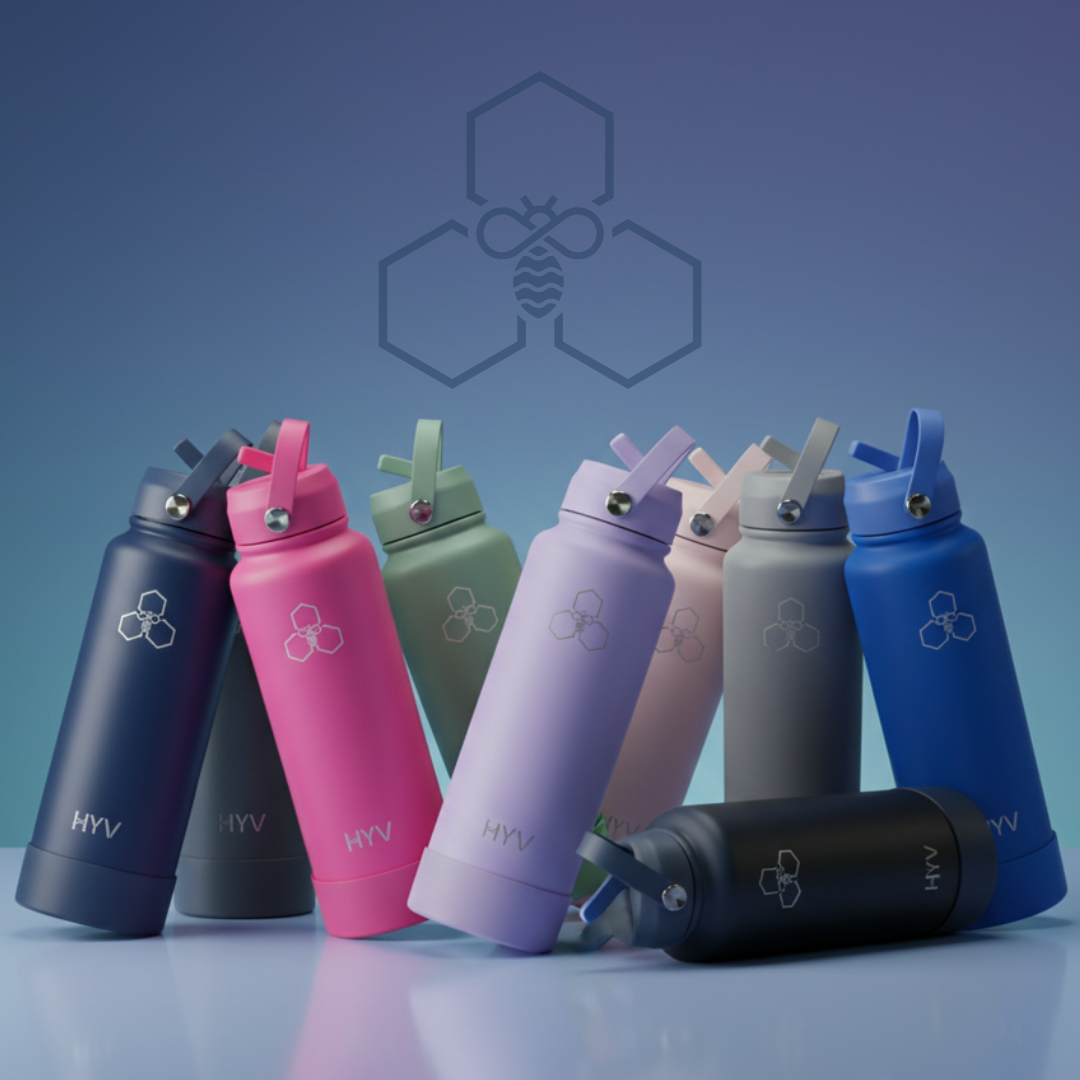

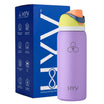
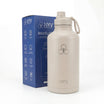
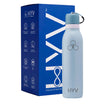

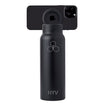


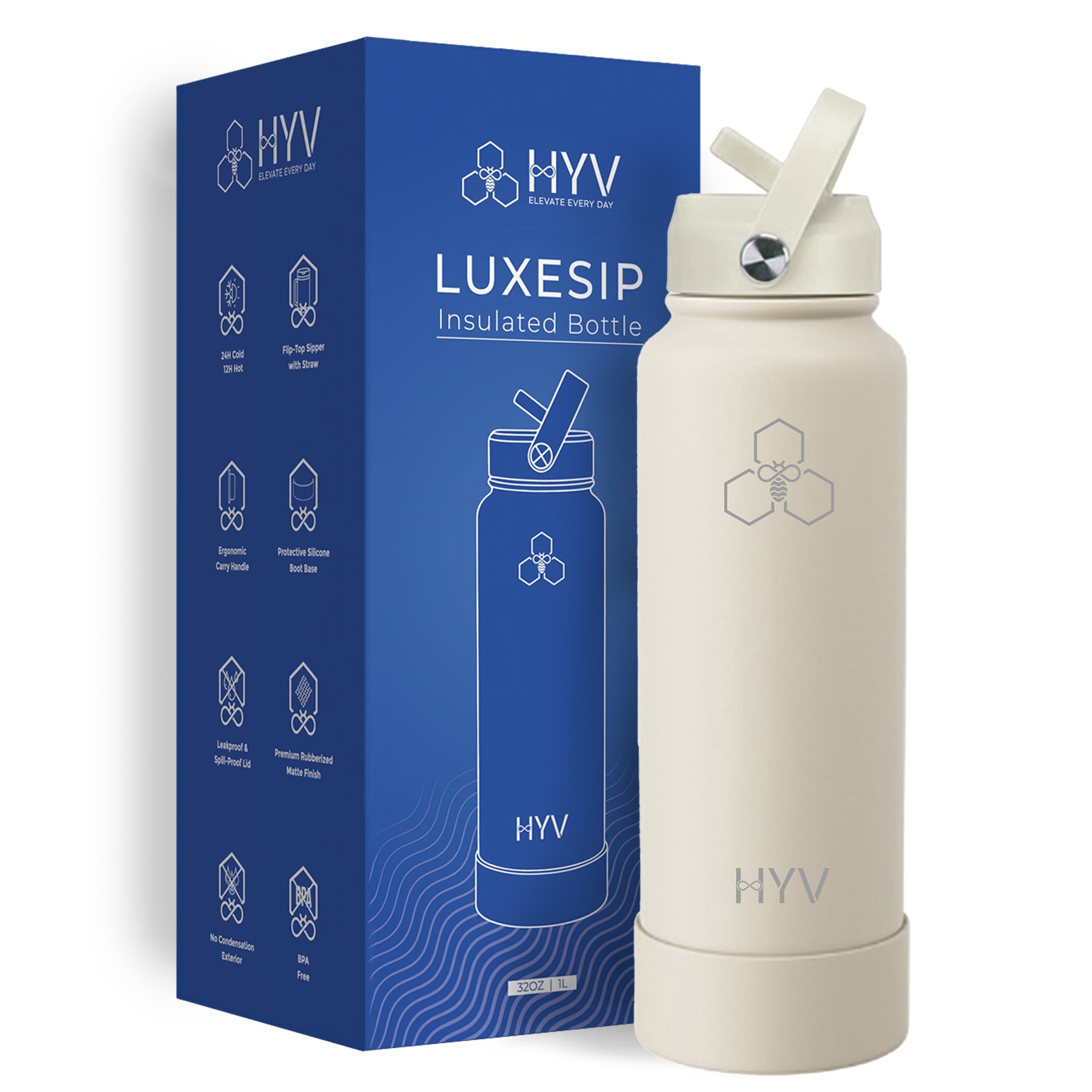
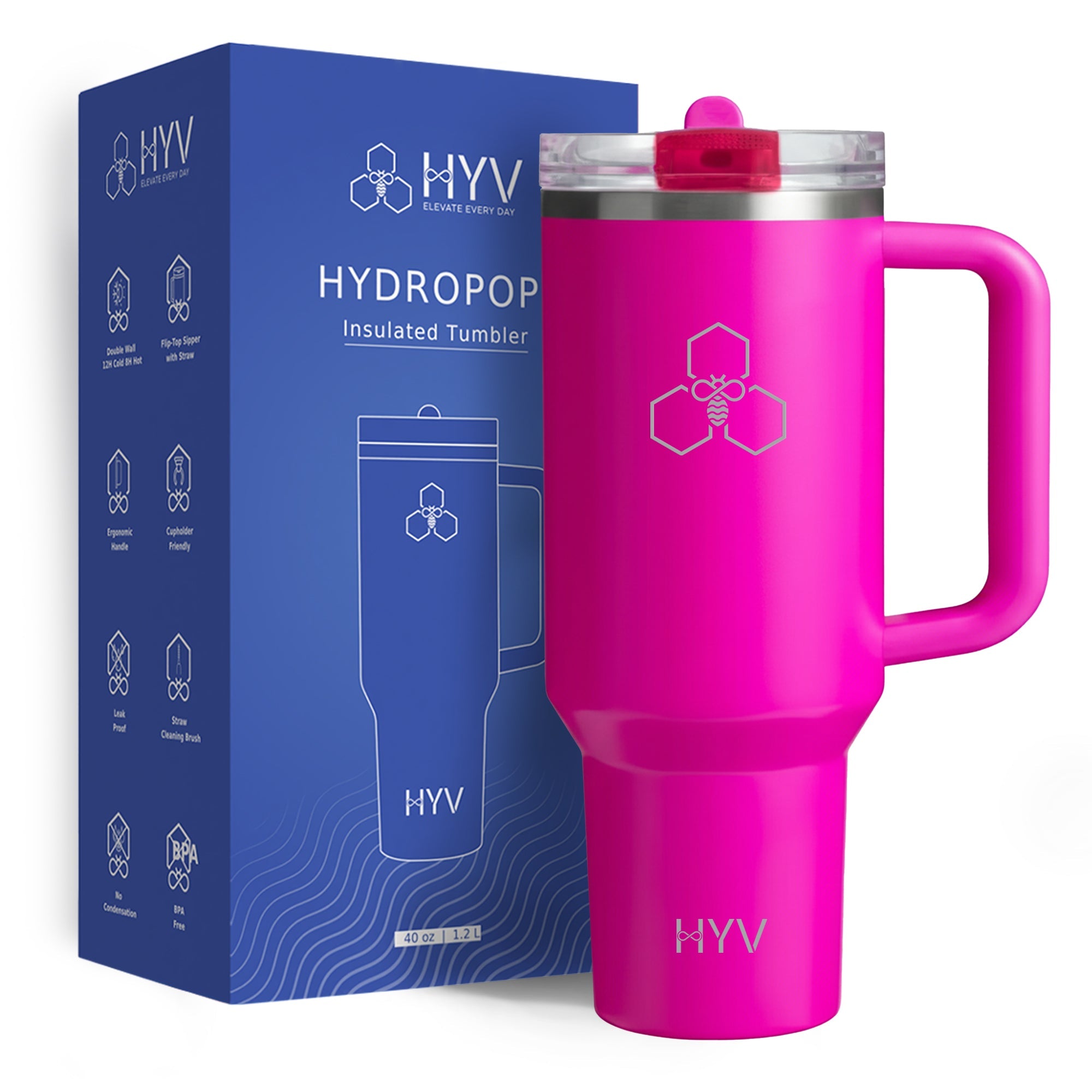
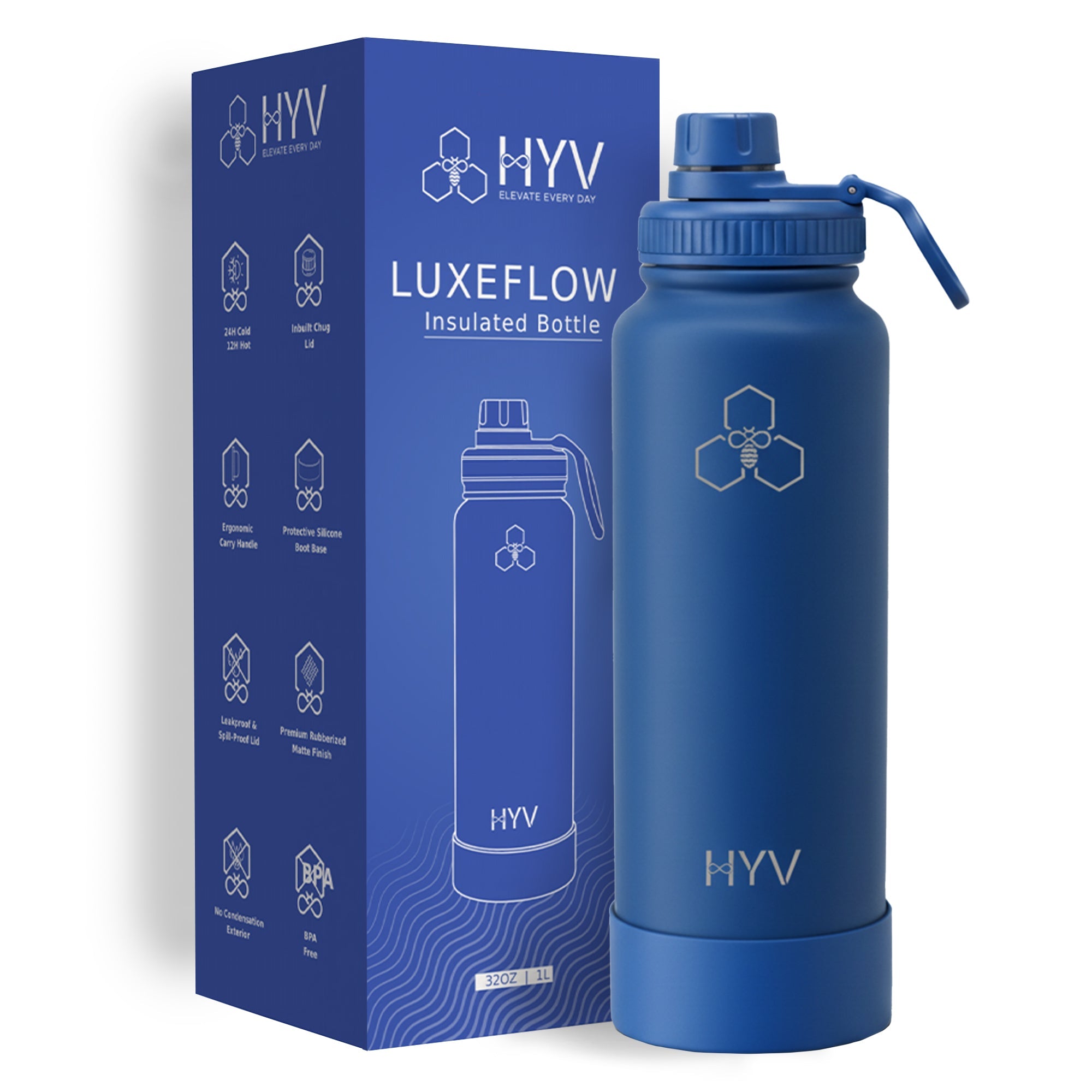
BPA-free means the plastic contains no bisphenol A, a compound linked to hormone disruption. It is a genuine improvement, but it is a floor rather than a guarantee: manufacturers replaced BPA with related bisphenols such as BPS and BPF, which are less studied and not necessarily safer. Stainless steel avoids the entire category of question, because food-grade 304 steel contains no bisphenols at all.
Key Facts
- BPA (bisphenol A) was used to harden polycarbonate plastics and has been linked to hormone disruption.
- "BPA-free" does not mean bisphenol-free — BPS and BPF are common substitutes.
- Heat and scratching accelerate leaching from plastic bottles.
- Food-grade 304 stainless steel contains no bisphenols, so the question does not arise.
- HYV makes BIS-certified bottles. IS 17526:2021 is India’s standard for stainless steel vacuum insulated bottles.
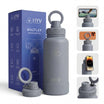
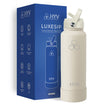
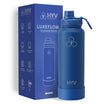
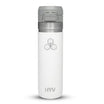
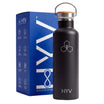
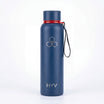
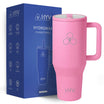
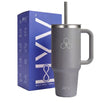
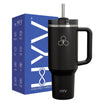
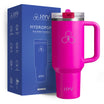
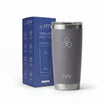
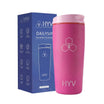
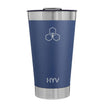
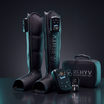
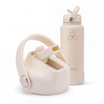
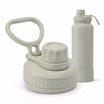
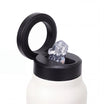
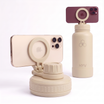
HYV picks, with the actual product
Three models worth looking at for this, photographed as they ship. Prices are the direct price on livehyv.com.


Shop HYV insulated water bottles →
Free shipping on orders over ₹499 · 7-day free replacement for product issues. HYV makes BIS-certified bottles.
What BPA actually is
Bisphenol A is an industrial compound used to make polycarbonate plastic rigid and clear. It can migrate from the plastic into the liquid it holds, and that migration increases with heat, age and surface scratching. Concerns about hormone-mimicking effects drove its removal from most drinkware.
The substitution problem
When BPA was removed, manufacturers needed a replacement with similar properties. The obvious candidates were structurally similar bisphenols — BPS and BPF. These carry the "BPA-free" label legitimately while being far less researched. The label is accurate and still tells you less than it appears to.
What makes any plastic bottle worse over time
Scratches from brushes and dishwashers create surface area and micro-crevices, which increases both leaching and bacterial harbouring. Hot liquids accelerate everything. This is why a plastic bottle that was fine when new can taste and smell wrong a year later — see removing smell from a bottle.
Why steel ends the discussion
Food-grade 304 (18/8) stainless steel is a metal alloy — there is no plastic monomer to leach, regardless of heat or age. It is why stainless steel bottles are considered safe for hot and cold drinks alike. Every HYV bottle uses 304 steel; the entry point is the CoreFlow at ₹899.
What to check before buying one
- Genuine vacuum insulation, not just a double wall. Fill with ice water; a real vacuum bottle stays dry outside.
- Food-grade 304 steel on the inner wall, named rather than implied.
- A lid you can fully dry. This is where bottles actually fail and where smells start.
- Certification. BIS IS 17526:2021 covers vacuum insulated stainless steel containers in India.
- Spare parts. Whether a replacement lid is sold at all tells you what lifespan the brand expects.
| Model | Capacity | Lid | Price |
|---|---|---|---|
| HYV SlimPro | 750 ml | sip | ₹999 |
| HYV DailySip | 600 ml | sip | ₹1,199 |
| HYV SnapSip | 750 ml | magsafe | ₹1,499 |
| HYV DualFlow | 1 L | 2-in-1 chug + sipper | ₹1,699 |
| HYV HydroMax | 1.2 L | straw | ₹1,699 |
| HYV LuxeSip | 1 L | sip | ₹1,699 |
Our own range, for reference. Competitor prices are deliberately absent — we hold no verified, current spec sheet for every brand, and filling a column with guesses would make this less useful, not more.
If you want the fuller picture, see the honest ranking.
Frequently Asked Questions
Is BPA-free plastic safe?
Safer than BPA plastic, but the replacements (BPS, BPF) are less studied. It is a floor, not a guarantee.
Do steel bottles have BPA?
The steel body does not. Check that any plastic lid components are stated BPA-free.
Does hot water make plastic leach more?
Yes. Heat, age and scratching all increase migration from plastic into the liquid.
What is the safest water bottle material?
Food-grade 304 stainless steel or borosilicate glass. Steel wins on durability for daily carry.
Related guides
Shop the shortlist
- See the reusable bottles — HYV bottles and tumblers in one shortlist — 470 ml to 2 L, double-wall vacuum steel.


Leave a comment
This site is protected by hCaptcha and the hCaptcha Privacy Policy and Terms of Service apply.