
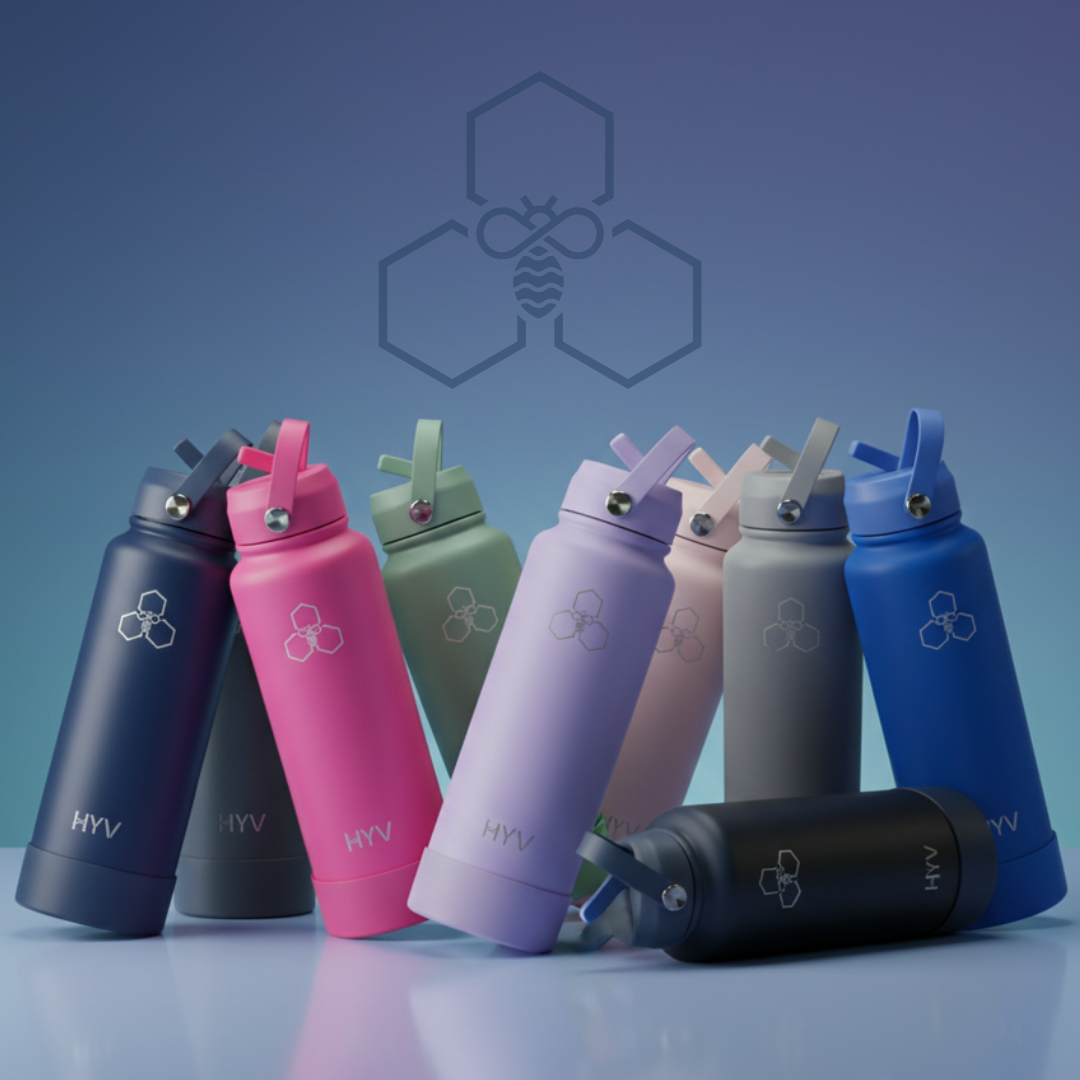


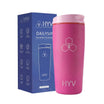
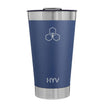

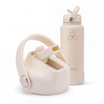
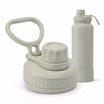


Yes — BPA-free and microplastic-free are different claims. BPA-free means one specific compound, bisphenol A, is not used in the plastic. It says nothing about whether the plastic sheds particles, because all plastics shed with age, heat, scratching and repeated washing. If avoiding plastic particles is the goal, the reliable answer is not to drink from plastic: stainless steel and glass do not shed plastic at all.
Key Facts
- BPA-free is a claim about one compound, bisphenol A, not about particle shedding.
- BPA is commonly replaced by other bisphenols such as BPS and BPF, which are chemically related.
- Plastics shed particles with age, heat, abrasion from brushes and scratches, and repeated dishwasher cycles.
- Scratched or cloudy plastic is worn plastic, and worn surfaces shed more readily than new ones.
- Stainless steel and glass do not shed plastic particles.
- A steel bottle can still have plastic components in the lid, which is where any remaining exposure sits.
- Health effects of microplastic ingestion are an active research area and are not settled.
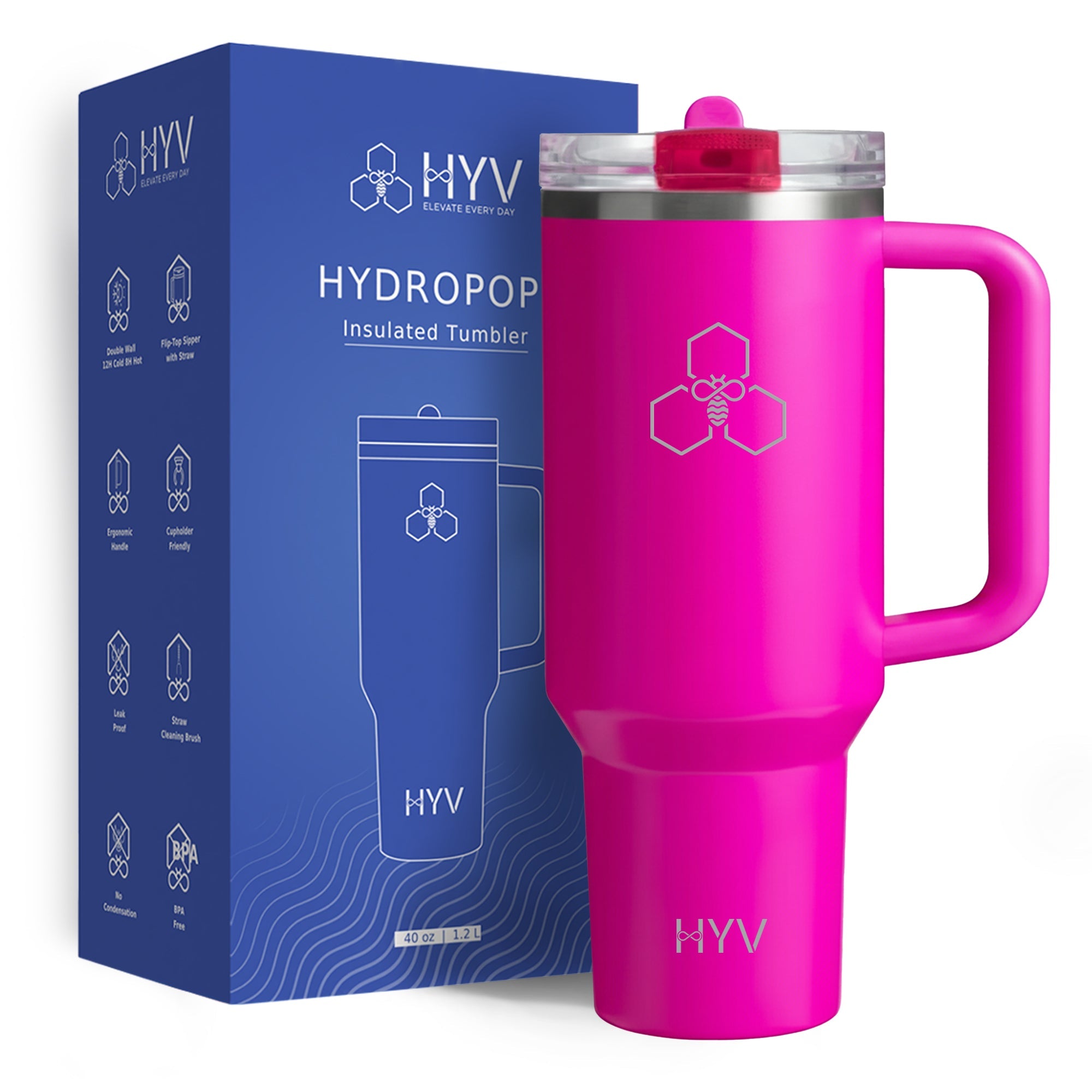
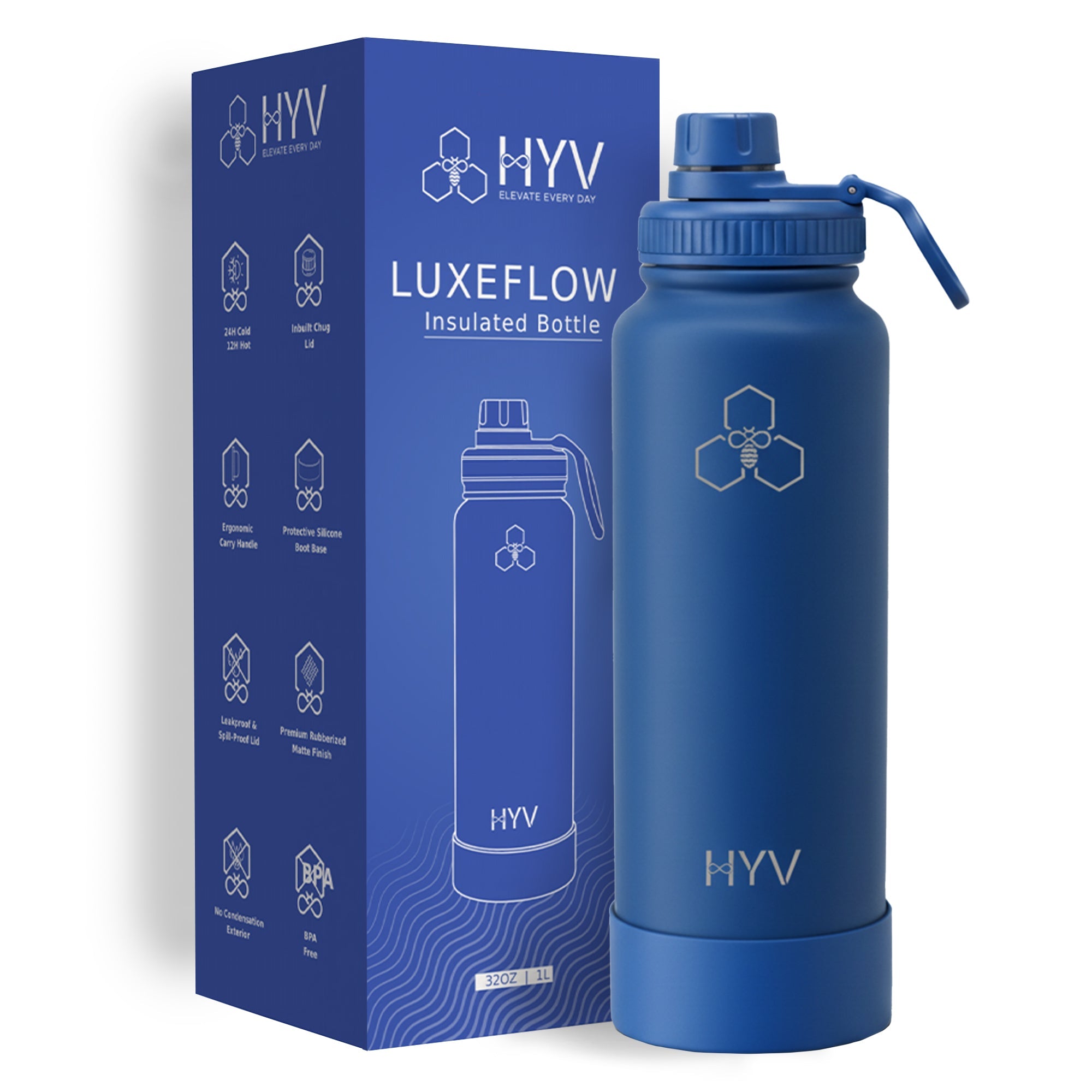
HYV picks, with the actual product
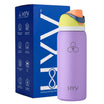
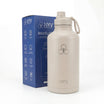
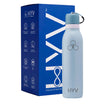
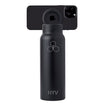
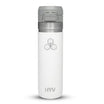
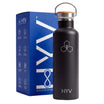
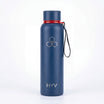
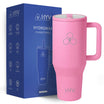
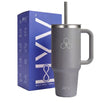
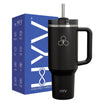
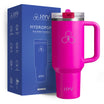
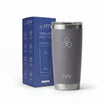
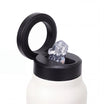
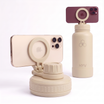
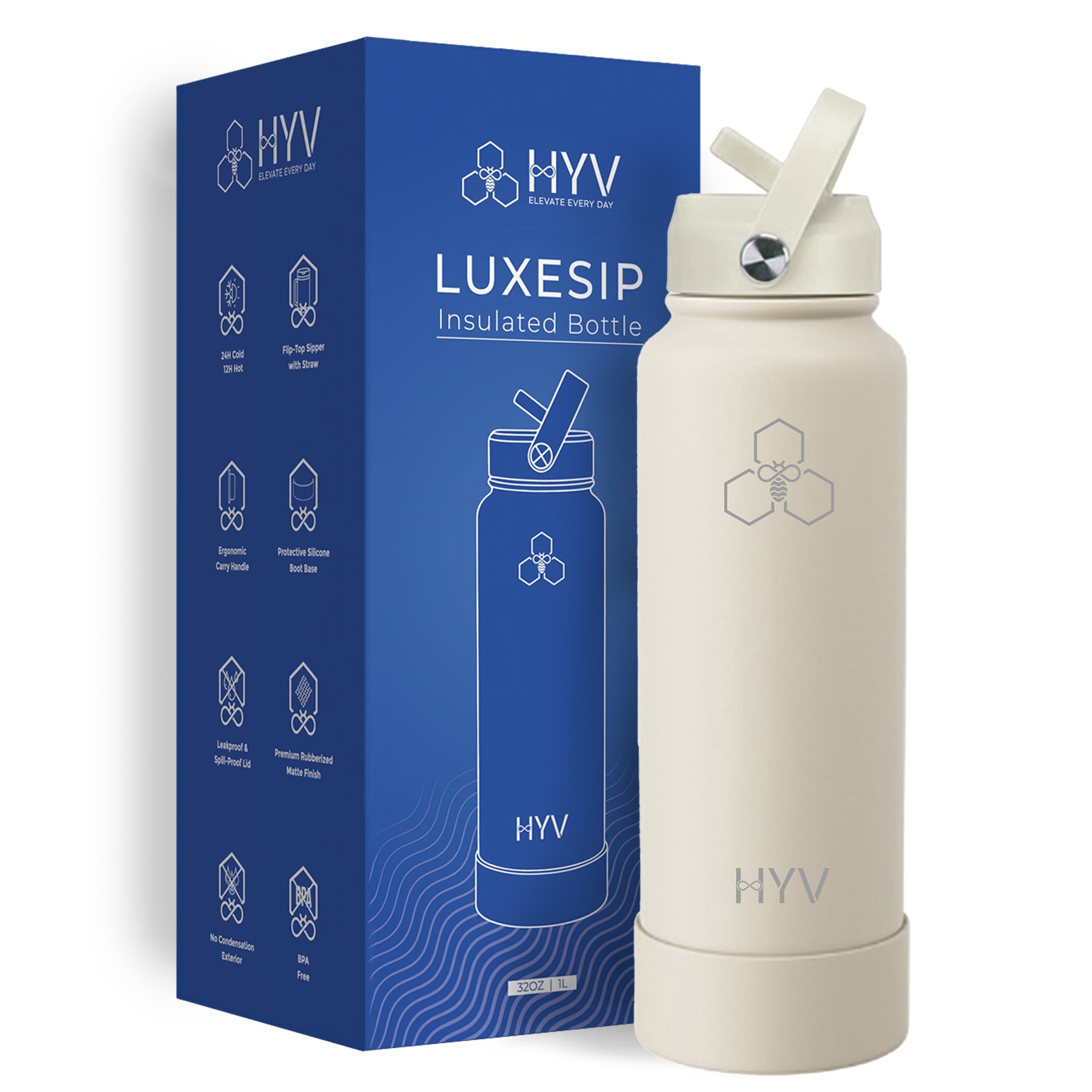
Three models worth looking at for this, photographed as they ship. Prices are the direct price on livehyv.com.


Shop HYV insulated water bottles →
Free shipping on orders over ₹499 · 7-day free replacement for product issues. HYV makes BIS-certified bottles.
The short version: BPA-free is a real claim about a real compound, and it is not the claim most people think they are buying. Sorting the two out is straightforward.
What BPA-free actually certifies
Bisphenol A is a chemical used in making some plastics, notably polycarbonate. "BPA-free" means the manufacturer has not used it. That is the whole claim.
Two things it does not tell you:
- What replaced it. BPA is frequently substituted with chemically related bisphenols such as BPS and BPF. A BPA-free label is silent on those.
- Whether the plastic sheds particles. Shedding is a physical property of plastic surfaces wearing down. It has nothing to do with which bisphenol was or was not used in manufacture.
Why plastic sheds
Plastic is a soft material relative to steel or glass, and every bottle lives a life of small abrasions:
- Brushes and scrubbing. Cleaning a bottle properly means abrading its inner surface.
- Heat. Hot water, hot cars, dishwasher cycles. Heat softens plastic and accelerates wear.
- Age and UV. Plastic becomes brittle over time, and sunlight speeds it up.
- Scratches. Ice cubes, cutlery, being dropped. A scratched surface has far more edge to shed from than a smooth one.
This is why a cloudy, scratched, well-used plastic bottle is not the same object as it was new — visible wear is the signal that the surface is breaking down. If you keep a plastic bottle, replacing it when it goes cloudy or scratched is the sensible habit.
What we are not going to tell you
What ingested microplastics do to human health is an active area of research and not settled. We sell steel bottles, which gives us an obvious interest in the scarier version of that story, so we are not going to tell it. The honest position is: the exposure is real and measurable, the consequences are not established, and you can reduce the exposure cheaply if you would prefer to.
How to reduce it, in order of effect
- Do not drink from plastic. Stainless steel and glass do not shed plastic particles. This is the whole answer and everything below is a refinement.
- Check the lid on a steel bottle. Many steel bottles have plastic lid components, and the lid is the part your mouth touches. It is a much smaller surface than a whole bottle, but it is where any remaining exposure sits — worth asking a manufacturer about.
- Never leave a plastic bottle in a hot car. Heat is the biggest accelerator of wear, and an Indian car in May is an oven.
- Replace worn plastic. Cloudy, scratched or smelling of everything it has held.
- Skip the dishwasher for plastic bottles, or use the top rack only.
Steel, plainly
Food-grade 304 stainless steel does not shed plastic because it is not plastic. It also does not absorb flavours, does not go cloudy, and survives being dropped. The trade-offs are honest ones: it is opaque so you cannot see the inside, and it costs more up front while lasting much longer.
See whether a steel bottle is actually good for your health for the material in more detail, or the steel range.
Frequently Asked Questions
Do BPA-free bottles still have microplastics?
Yes. BPA-free is a claim about one compound not being used in manufacture. Shedding particles is a physical property of plastic surfaces wearing down, and all plastics shed with age, heat, scratching and repeated washing regardless of which bisphenol was used.
What replaced BPA in plastic bottles?
Often other bisphenols such as BPS and BPF, which are chemically related. A BPA-free label says nothing about what was used instead, which is one reason the label reassures more than it establishes.
Does stainless steel release microplastics?
No — it is not plastic. Note that many steel bottles have plastic components in the lid, which is a much smaller surface than a whole bottle but is where any remaining exposure sits.
When should I replace a plastic water bottle?
When it goes cloudy, scratched or holds smells. Visible wear means the surface is breaking down, and worn surfaces shed more readily than new ones. Keeping plastic out of hot cars and off the dishwasher bottom rack slows that down considerably.
Are microplastics harmful?
The health effects of ingesting microplastics are an active research area and not settled. We sell steel bottles, so we have an obvious interest in that answer and will not overstate it — the exposure is real and measurable, the consequences are not established.
Related guides
Matching material to how you will actually use it
| Use | Right material | Why |
|---|---|---|
| Daily commute, gym, travel | Insulated 304 steel | Unbreakable, insulated, 5-10 year life |
| Home or office desk | Borosilicate glass | Inert taste, visible contents, dishwasher-safe |
| Infused or lemon water | Glass | No reaction with citric acid |
| Morning Ayurvedic water | Pure copper | Antimicrobial effect; plain water only, 6-8 hours |
| School child | Insulated steel | Unbreakable; glass is a hazard in a school bag |
| Trail running, ultralight | Tritan plastic | Lightest and effectively unbreakable |
Most households end up with two: insulated steel for anything that moves, and glass for the desk.
What each material is genuinely good and bad at
| Material | Insulates | Lifespan | Watch for |
|---|---|---|---|
| Insulated 304 steel | ~24h cold / ~12h hot | 5-10 yrs | Vacuum failure after a base drop |
| Single-wall steel | No | 5-10 yrs | Sweats in humidity |
| Copper | No | 5+ yrs | Reacts with acid and heat; daily cleaning |
| Borosilicate glass | No | Indefinite if unbroken | Breaks; heavy |
| BPA-free plastic | No | 2-3 yrs | Degrades; never leave in a hot car |
| Ceramic | No | Indefinite if unbroken | Heavy; breakable |
The grade question, specifically
For steel, 304 (also written 18/8, SUS 304 or AISI 304) is the food-grade standard — 18-20% chromium and 8-10.5% nickel, chemically inert at drinking temperatures.
The substitute to watch for is grade 201: 3.5-5.5% nickel against 8-10.5%, noticeably weaker in constant water contact, and it pits over time producing a metallic taste and corrosion sites that cannot be cleaned. Listings selling 201 typically just say "stainless steel" and stop there. That silence is the signal — a manufacturer using 304 has every reason to say so.
316 stainless appears occasionally at a premium. It adds molybdenum for salt-water corrosion resistance, which a water bottle never encounters. It is not worth paying extra for.
Shop the shortlist
- See the reusable bottles — HYV bottles and tumblers in one shortlist — 470 ml to 2 L, double-wall vacuum steel.


Leave a comment
This site is protected by hCaptcha and the hCaptcha Privacy Policy and Terms of Service apply.