












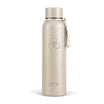


















For kids, the safest BPA-free water bottle is food-grade stainless steel — inherently BPA-free, microplastic-free, and shatter-proof. BPA-free plastic is second-best; even BPA-free plastic can shed microplastics with heat and time, which matters more for growing bodies. Choose steel with a straw or sipper lid and BIS certification.
Key Facts
- Steel is BPA-free by construction — no chemicals to worry about.
- Kids ingest microplastics from plastic bottles even when BPA-free.
- A straw or sipper lid works best for small hands.
- HYV makes BIS-certified bottles. IS 17526:2021 is India’s standard for stainless steel vacuum insulated bottles.
- HYV uses food-grade 304 stainless steel with double-wall vacuum insulation for verified hot/cold retention.
HYV picks, with the actual product
Three models worth looking at for this, photographed as they ship. Prices are the direct price on livehyv.com.


Free shipping on orders over ₹499 · 7-day free replacement for product issues. HYV makes BIS-certified bottles.
Why steel beats BPA-free plastic for kids
Growing bodies are more sensitive to chemical exposure. Even BPA-free plastic sheds microplastics with heat and repeated washing. Steel avoids the entire category.
What to look for
- Food-grade 304 stainless steel.
- Straw or sipper lid.
- 500–750 ml for school-age kids.
- Leak-proof for the bag.
HYV picks
See our kids bottle guide for specific picks.
Frequently Asked Questions
Is BPA-free plastic safe for kids?
Safer than BPA-containing, but steel is safer still.
What's the safest bottle for a school kid?
BIS-certified stainless steel with a straw or sipper lid.
Safety checks worth making
For anything a child drinks from daily:
- Material stated explicitly — BPA-free plastic (Tritan or PP), or food-grade 304 stainless. A listing that names no grade or polymer is the one to skip.
- No small detachable parts on bottles for younger children.
- Silicone parts replaceable and replaced every 6-12 months — straws and valves in particular.
- Insulated steel over plastic for long-term use, since plastic develops micro-scratches that harbour bacteria and degrades within 2-3 years.
What actually matters in a school bottle
- Spill-proof lid. Push-pull or straw, not a screw cap — a screw cap will end up unscrewed inside a school bag at some point.
- Unbreakable material. Steel or Tritan plastic. Never glass in a school bag.
- Weight. 350-500ml for primary age; a full 1L is too heavy alongside books.
- Cleanable. Wide enough for a brush, and a straw brush if it has a straw — straws are where mould starts.
- Name space. School bottles get lost constantly; a permanent engraved or labelled name is worth more than any feature.
The print will fade — buy for what lasts
Character prints on kids' bottles are pad-printed or heat-transferred, and they fade with washing, school-bag abrasion and sunlight. Six to eighteen months is normal.
That is usually fine — a child's character preference changes on a similar timeline. What should not fail in that window is the lid mechanism or the material. Buy for those and treat the print as consumable.
The alternative many parents land on: a plain insulated steel bottle in a colour the child picks, plus stickers they can change. It costs more up front, survives being dropped, keeps water genuinely cold through a school day, and lasts years instead of months.
Related guides
HYV picks matched to this guide
Shop the shortlist
- Gift for a son — what works at each age, and when steel is the wrong call.


Leave a comment
This site is protected by hCaptcha and the hCaptcha Privacy Policy and Terms of Service apply.