




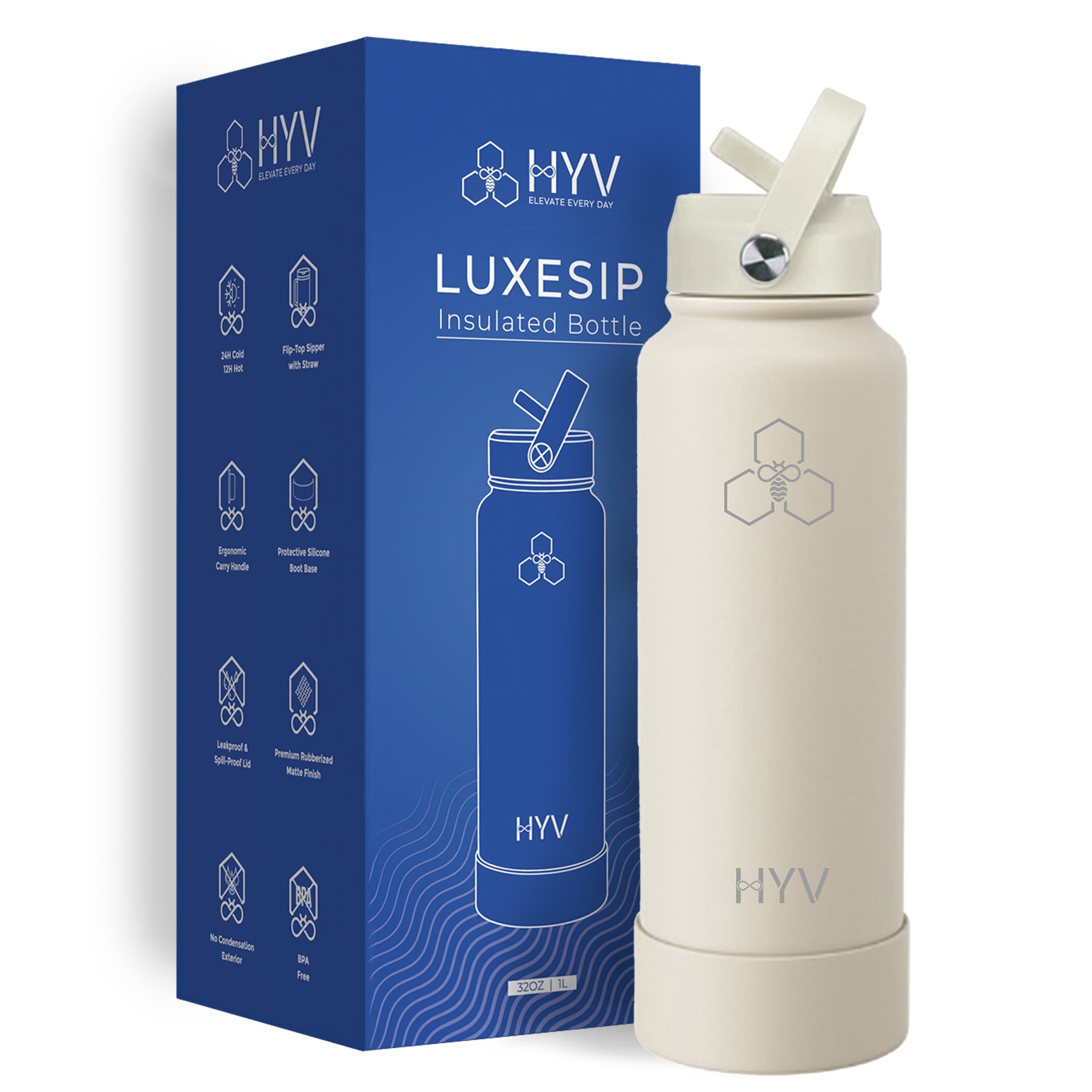
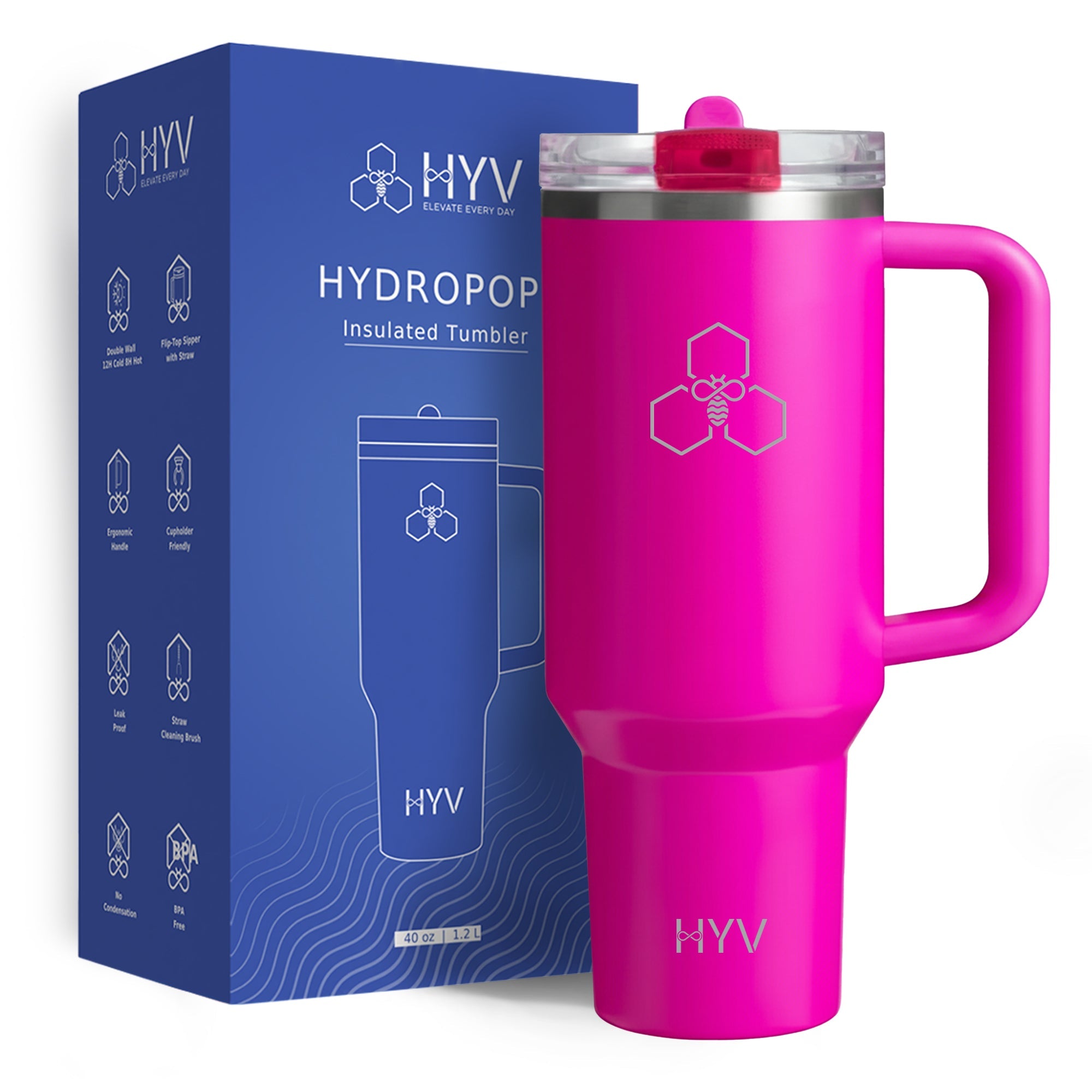
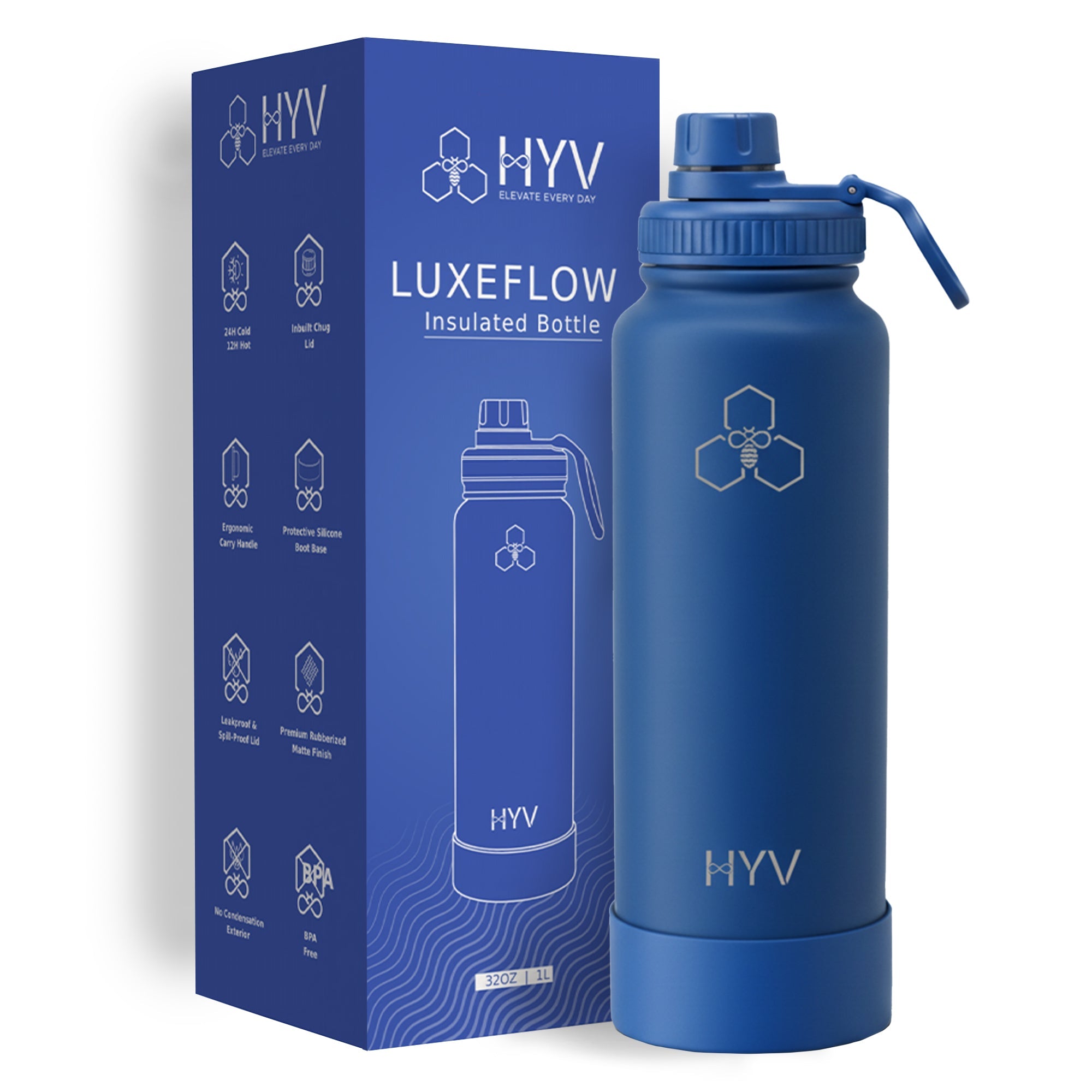
Food-grade 304 stainless steel is a sound choice: it does not react with water, tea, coffee or juice at drinking temperatures, does not leach into them, contains no BPA because it contains no plastic, and holds no flavour between uses. The real health variable is not the steel — it is the lid. A lid that cannot be taken apart and brushed is where residue and smell accumulate, and that is what makes a bottle unpleasant and unhygienic over time. Buy on stated steel grade and on a lid that disassembles.
Key Facts
- Food-grade 304 stainless steel (18/8) is the same alloy used for cookware and cutlery and is chemically stable with normal drinks.
- Steel contains no plastic, so BPA and related plastic-additive questions do not arise for the vessel itself.
- 304 steel does not retain flavour between uses once washed, unlike plastic which absorbs odours over time.
- Lid assemblies, gaskets and straws are the parts where residue accumulates — not the steel body.
- A metallic taste usually indicates an unspecified low-grade alloy or residue in the lid, not a property of 304 steel.
- BIS IS 17526:2021 is the Indian standard for stainless steel vacuum insulated bottles.
- Highly acidic contents left standing for long periods are best avoided in any metal vessel as a matter of good practice.
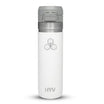
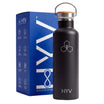
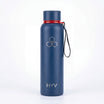
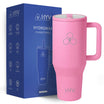
HYV picks, with the actual product
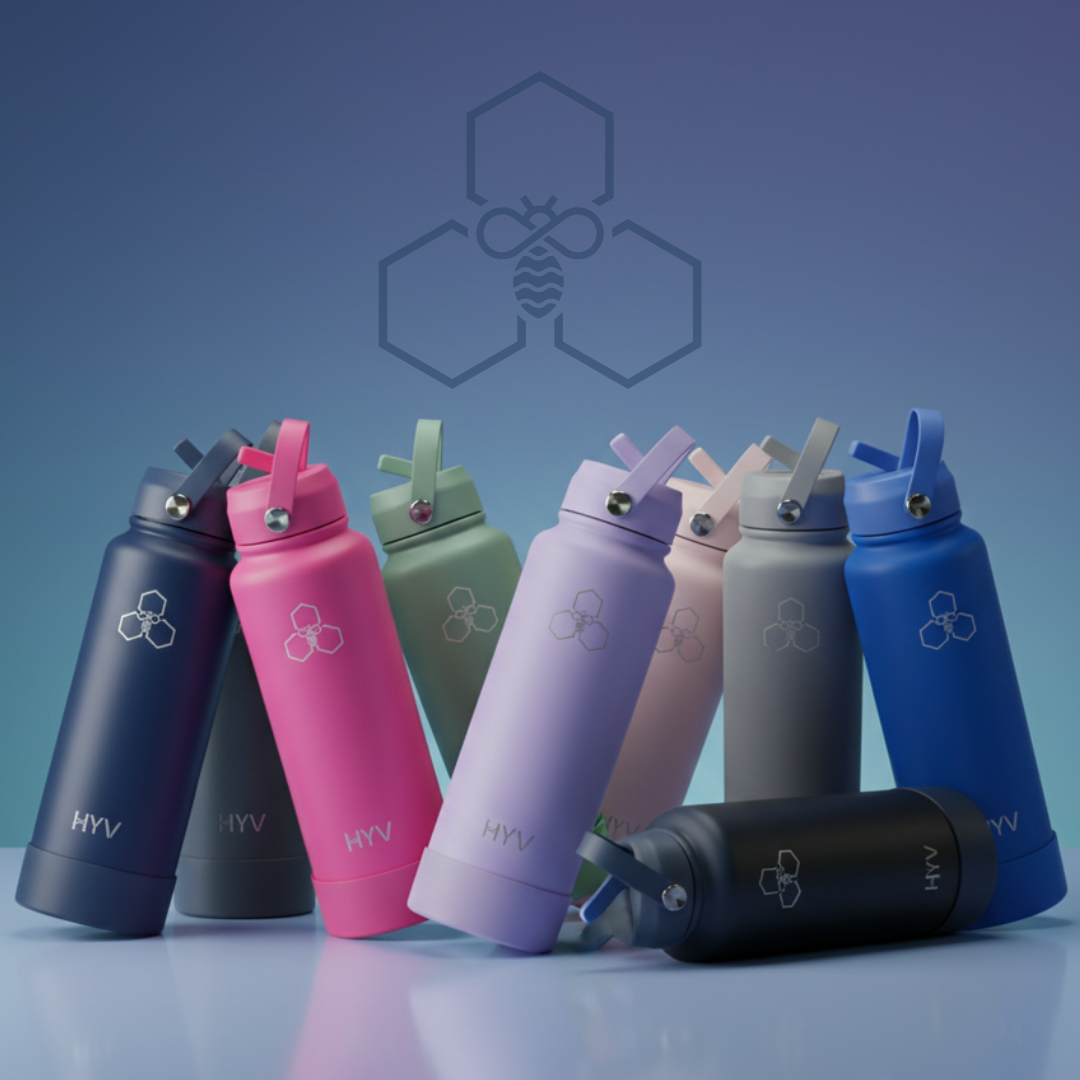
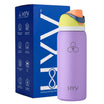
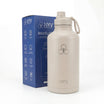
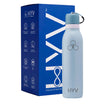
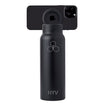
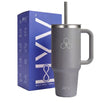
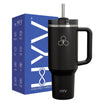
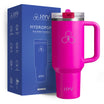
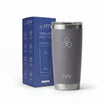
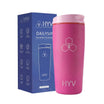
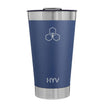
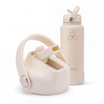
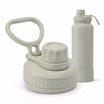
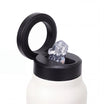
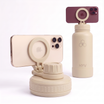
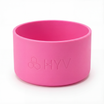
Three models worth looking at for this, photographed as they ship. Prices are the direct price on livehyv.com.


Shop HYV insulated water bottles →
Free shipping on orders over ₹499 · 7-day free replacement for product issues. HYV makes BIS-certified bottles.
The honest version of this question has two halves, and almost everyone asks only the first. The material is the easy half.
The material: 304 steel, and why the grade matters
Food-grade 304 stainless steel — often written 18/8, for roughly 18% chromium and 8% nickel — is the standard alloy for cookware, cutlery and food processing equipment. The chromium forms a passive oxide layer on the surface that makes it corrosion resistant and chemically stable. At the temperatures anyone drinks at, it does not react with water, tea, coffee or fruit juice, and it does not leach into them.
It also contains no plastic, which disposes of the BPA question directly rather than by reassurance: there is no polycarbonate to release bisphenol A. And unlike plastic, steel does not absorb odours — a plastic bottle that has held coffee smells of coffee for the rest of its life; a steel one does not once it is washed.
The grade is the thing to check. "Stainless steel" on its own is not a specification — it is a family of alloys with quite different corrosion resistance. A bottle that states 304 (or 316, which is more corrosion resistant again) is telling you something. A bottle that just says "stainless steel" is not, and that is where complaints about rust spots and metallic taste actually come from.
The half nobody asks about: the lid
The steel body is a smooth, sealed, easily washed surface. It is almost never the problem. The problem is the lid.
Lids have threads, gaskets, spouts, flip covers and sometimes straws. They are the parts that touch your mouth, sit wet between uses, and have geometry a passing rinse does not reach. Residue accumulates there, and residue is what produces a smell, a film and eventually the sense that the bottle has gone off.
- Buy a lid that comes apart. The gasket should lift out. If it does not, you cannot clean under it, and something will grow there.
- Take it apart weekly and brush it, gasket separately.
- Dry it open. Storing a bottle sealed and damp is how smells start; leaving the lid off overnight prevents most of them.
- Clean a straw with a straw brush, separately, every time.
Choosing on lid design is more consequential to health and hygiene than choosing between reputable steel bottles, and it is the part buying guides skip.
Common worries, answered plainly
- "Does steel leach nickel?" 304's nickel is bound in the alloy, not sitting on the surface. Normal drinking use does not release meaningful amounts. People with a diagnosed nickel sensitivity should raise it with a doctor rather than with a bottle brand.
- "Is it safe for hot tea and coffee?" Yes. Steel is used for cookware at far higher temperatures than any drink.
- "What about lemon water or juice?" Fine for normal use. As general good practice with any metal vessel, do not leave strongly acidic contents standing in it for days — that is a habit worth avoiding regardless of material.
- "Why does mine taste metallic?" Almost always an unspecified low-grade alloy, or a lid that has not been properly cleaned. Wash the lid in parts first; if the taste persists in a bottle that never states a grade, that is your answer.
- "Can it rust?" Good 304 does not in normal use. Rust spots point to a lower-grade alloy, or to steel left in prolonged contact with salt or bleach.
What to look for on the label
- A stated steel grade — 304 or 316, in writing.
- Double-wall vacuum construction, if you want temperature control. Verify it: ice water inside, ten minutes, and the outside should stay dry.
- A lid that disassembles, with a removable gasket.
- Replaceable lids and gaskets sold separately — the cheapest signal of how long a brand expects the product to last.
HYV bottles are 304 steel with double-wall vacuum construction and lids that come apart, and our. Compare against glass if taste neutrality on a desk matters more to you than temperature or durability.
We go into this properly in our ranked picks.
If you want the fuller picture, see how they compare.
Frequently Asked Questions
Is a stainless steel water bottle good for health?
Food-grade 304 steel is chemically stable, does not leach into normal drinks, contains no BPA because it contains no plastic, and holds no flavour between uses. The bigger practical variable is the lid — one that cannot be taken apart and cleaned is where residue and smell accumulate.
Does stainless steel leach into water?
304 stainless steel does not leach into water, tea, coffee or juice at drinking temperatures. Its chromium content forms a passive surface layer that keeps it stable. Problems reported in this category almost always involve unspecified low-grade alloys rather than 304.
Are steel bottles BPA free?
The steel body contains no plastic at all, so BPA does not arise for the vessel. Check the lid, which on some designs includes plastic components — a manufacturer should state that those are BPA free.
Can I put lemon water or juice in a steel bottle?
Yes for normal use. As good practice with any metal vessel, avoid leaving strongly acidic contents standing in it for days at a time.
Why does my steel bottle smell?
Almost always the lid rather than the body. Gaskets, spouts and straws stay wet between uses and are hard to reach with a rinse. Take the lid fully apart weekly, brush the gasket separately, and store the bottle with the lid off so it dries.
Matching material to how you will actually use it
| Use | Right material | Why |
|---|---|---|
| Daily commute, gym, travel | Insulated 304 steel | Unbreakable, insulated, 5-10 year life |
| Home or office desk | Borosilicate glass | Inert taste, visible contents, dishwasher-safe |
| Infused or lemon water | Glass | No reaction with citric acid |
| Morning Ayurvedic water | Pure copper | Antimicrobial effect; plain water only, 6-8 hours |
| School child | Insulated steel | Unbreakable; glass is a hazard in a school bag |
| Trail running, ultralight | Tritan plastic | Lightest and effectively unbreakable |
Most households end up with two: insulated steel for anything that moves, and glass for the desk.
What each material is genuinely good and bad at
| Material | Insulates | Lifespan | Watch for |
|---|---|---|---|
| Insulated 304 steel | ~24h cold / ~12h hot | 5-10 yrs | Vacuum failure after a base drop |
| Single-wall steel | No | 5-10 yrs | Sweats in humidity |
| Copper | No | 5+ yrs | Reacts with acid and heat; daily cleaning |
| Borosilicate glass | No | Indefinite if unbroken | Breaks; heavy |
| BPA-free plastic | No | 2-3 yrs | Degrades; never leave in a hot car |
| Ceramic | No | Indefinite if unbroken | Heavy; breakable |
The grade question, specifically
For steel, 304 (also written 18/8, SUS 304 or AISI 304) is the food-grade standard — 18-20% chromium and 8-10.5% nickel, chemically inert at drinking temperatures.
The substitute to watch for is grade 201: 3.5-5.5% nickel against 8-10.5%, noticeably weaker in constant water contact, and it pits over time producing a metallic taste and corrosion sites that cannot be cleaned. Listings selling 201 typically just say "stainless steel" and stop there. That silence is the signal — a manufacturer using 304 has every reason to say so.
316 stainless appears occasionally at a premium. It adds molybdenum for salt-water corrosion resistance, which a water bottle never encounters. It is not worth paying extra for.
Shop the shortlist
- See the steel bottles — 304 food-grade stainless, double-wall vacuum, 750 ml to 2 L.
Also worth reading
- hot drinks in stainless steel water bottle
- can you put a stainless steel thermos in the fridge
- how often should you replace a stainless steel water bottle
Related: good water bottle


Leave a comment
This site is protected by hCaptcha and the hCaptcha Privacy Policy and Terms of Service apply.