






Yes, you can safely put a stainless steel thermos or insulated bottle in the fridge — it will not damage it. But it is largely pointless: the vacuum insulation that keeps your drink cold also blocks the fridge's cold from reaching the contents, so a bottle of room-temperature water in the fridge overnight will still be close to room temperature in the morning. The freezer is a different matter and should be avoided — water expanding as it freezes can stress the inner wall and crack the vacuum seal, permanently destroying the insulation.
Key Facts
- Fridge: safe, but ineffective — the vacuum blocks the fridge's cold too.
- Freezer: avoid — expanding ice can crack the vacuum seal permanently.
- To get cold water, chill the water first, then pour it in.
- Prechilling the empty bottle with ice water for a minute does help.
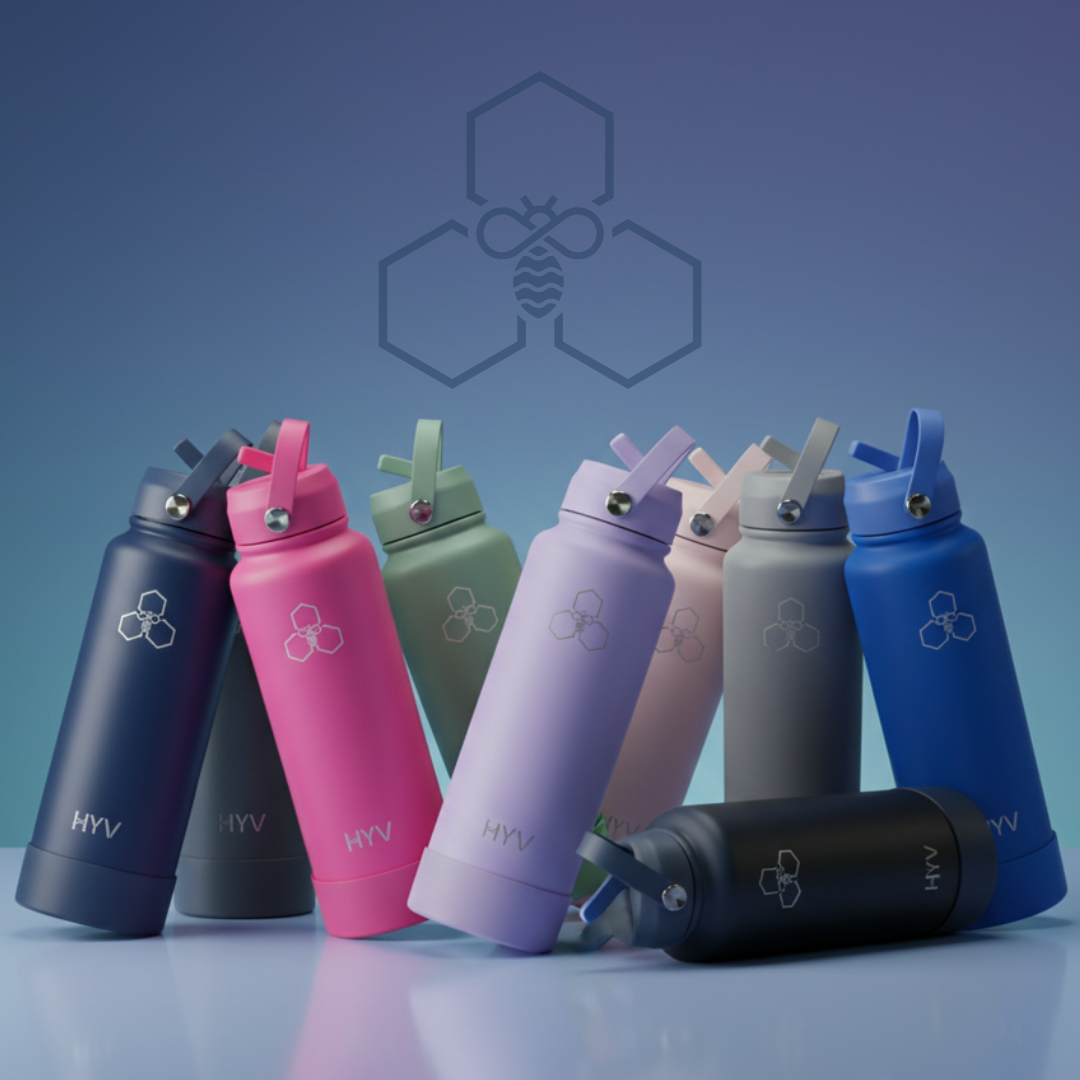
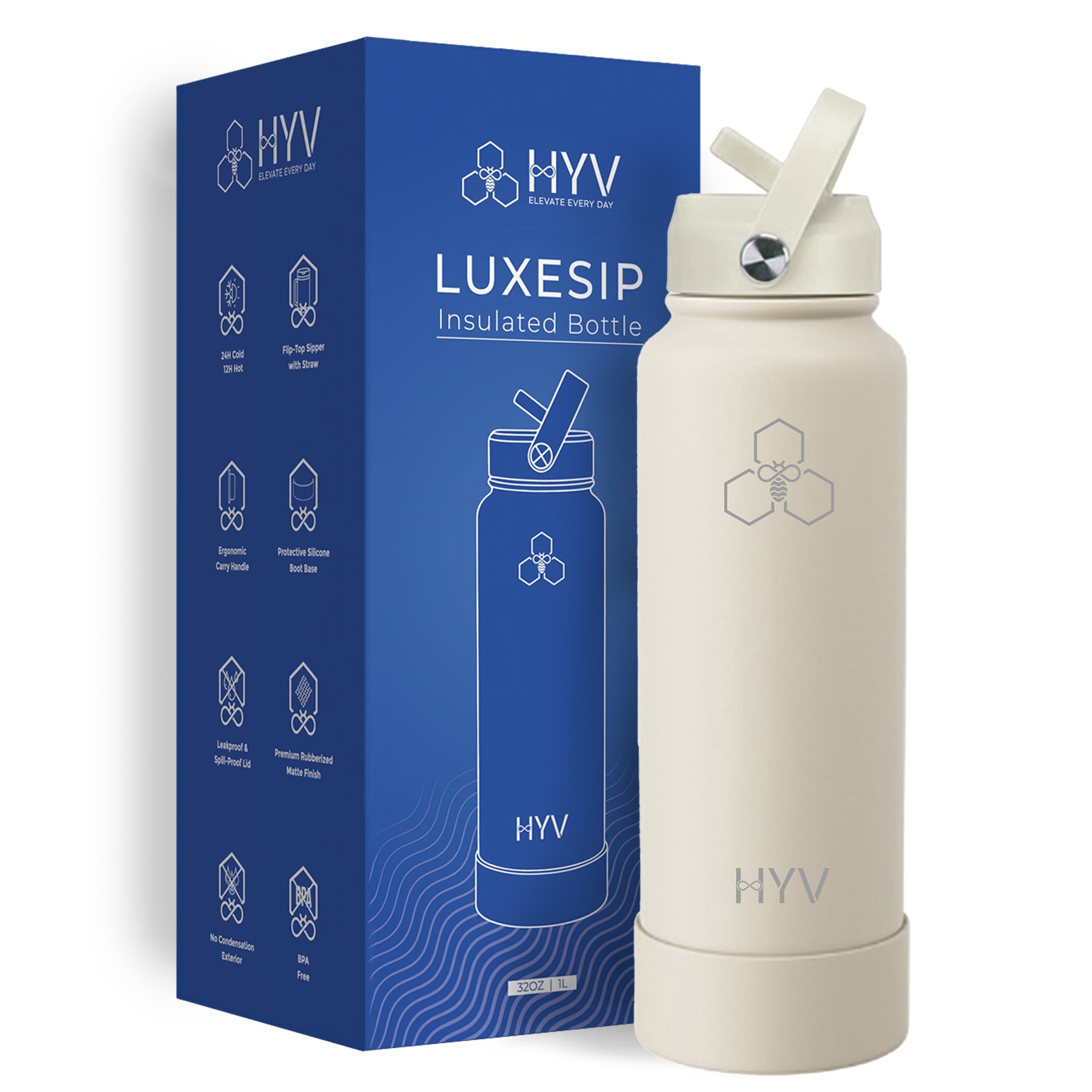
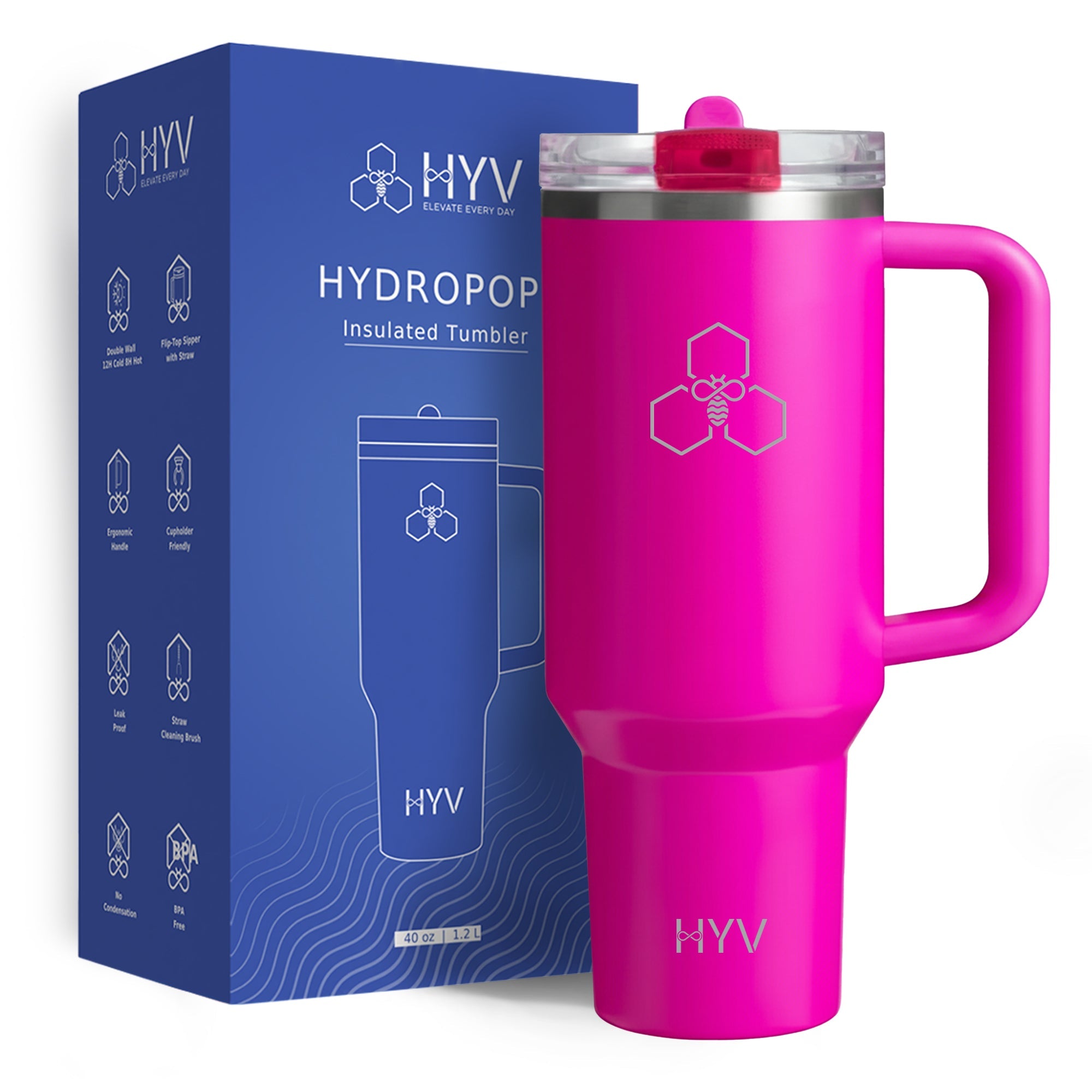
HYV picks, with the actual product
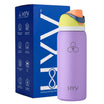
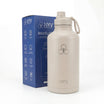
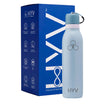
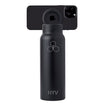
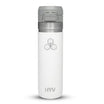
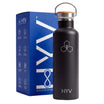
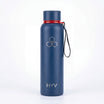
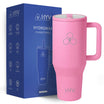
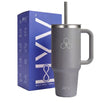
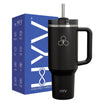
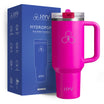
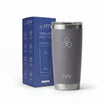
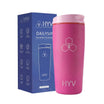
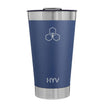
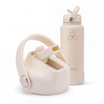
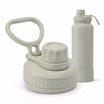
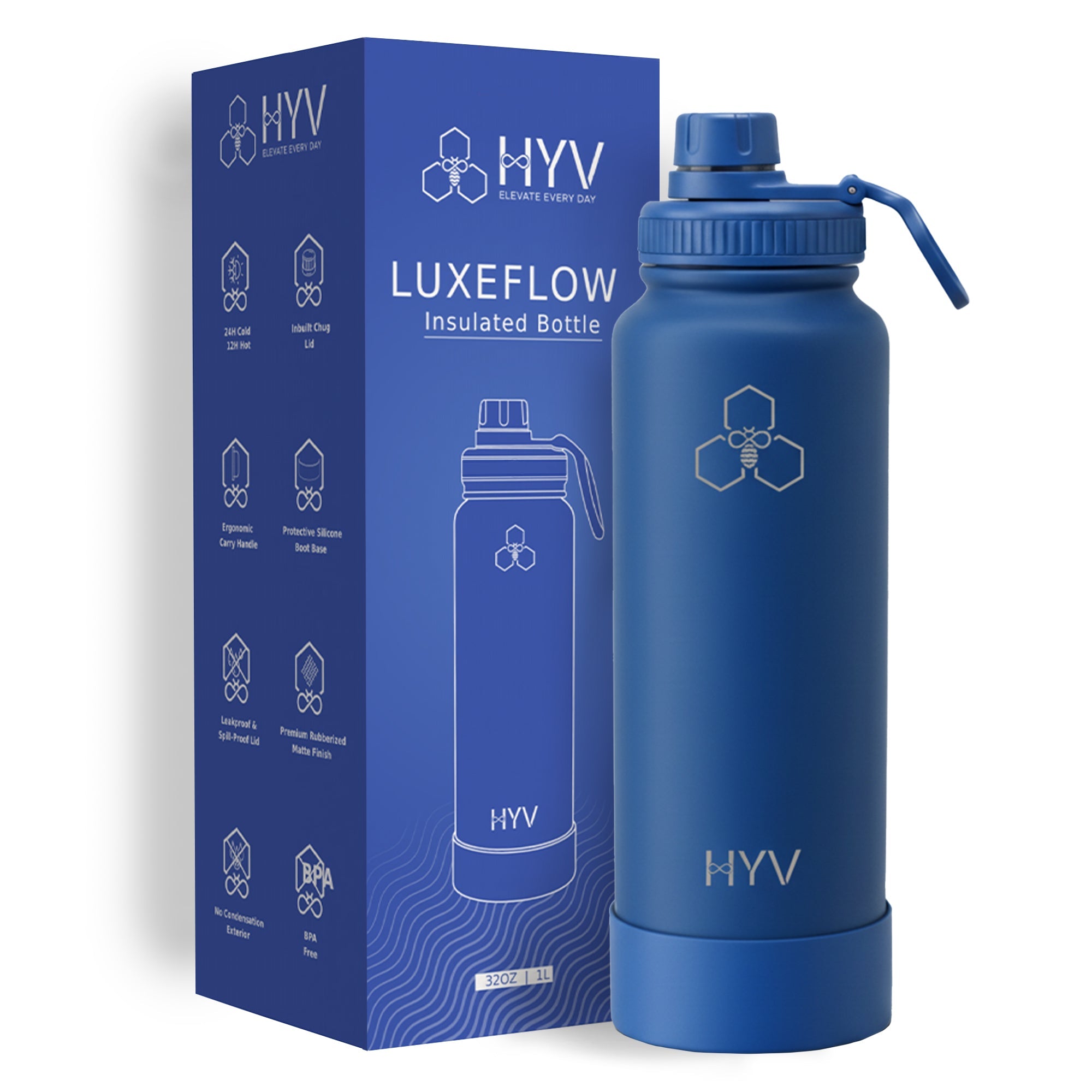
Three models worth looking at for this, photographed as they ship. Prices are the direct price on livehyv.com.


Shop HYV insulated water bottles →
Free shipping on orders over ₹499 · 7-day free replacement for product issues. HYV makes BIS-certified bottles.
Why the fridge does almost nothing
A vacuum-insulated bottle is designed to stop heat crossing its walls in either direction. That is not a one-way property. When you put a sealed insulated bottle in the fridge, the same vacuum that keeps your ice water cold for 24 hours also stops fridge air from cooling the contents. Room-temperature water in a closed thermos will drop only a few degrees overnight in a fridge.
Leaving the lid off helps a little — cold air reaches the water surface directly — but it is still far slower than chilling water in a plain jug.
Why the freezer is a real risk
Two problems. First, water expands roughly 9% when it freezes; inside a rigid double-wall bottle that expansion pushes outward on the inner wall and can crack the seal weld between the walls. Once that weld cracks, air enters the vacuum chamber and the bottle permanently loses its insulation — it will still hold water but retention falls from about 24 hours to 4-6. Second, the ice block is extremely hard to remove and the thermal shock of running hot water over a frozen inner wall adds more stress.
Manufacturers, including HYV, advise against freezing insulated steel bottles for exactly this reason.
The right way to get cold water
- Chill the water separately — in the fridge in a jug, or add ice.
- Prechill the empty bottle: fill with ice water, wait 60 seconds, empty. This removes the residual heat stored in the inner wall.
- Fill to the top with the already-cold water. Less air inside means less internal convection.
- Close the lid promptly and keep it closed — most heat gain happens at the open neck.
Done this way, a BIS IS 17526:2021 certified bottle holds cold for roughly 24 hours regardless of ambient temperature.
Other things not to do to an insulated bottle
- Do not microwave it — steel and microwaves do not mix.
- Do not put it in a dishwasher if it has a painted or matte exterior; the coating dulls over 6-12 months.
- Do not seal carbonated drinks in it for long periods — pressure builds and can deform the lid seal.
- Do not leave dairy or juice sitting for hours; it is a cleaning problem, not a safety one, but the smell persists.
Related: our ranked picks.
If you want the fuller picture, see our ranked picks.
For the comparison behind this, see what we actually recommend.
Frequently Asked Questions
Can you put a stainless steel thermos in the fridge?
Yes, it is safe — but largely pointless, because the vacuum insulation blocks the fridge's cold from reaching the contents.
Can you put an insulated bottle in the freezer?
No. Expanding ice can crack the vacuum seal and permanently destroy the insulation.
How do I get water cold in an insulated bottle?
Chill the water first, prechill the empty bottle with ice water for a minute, then fill to the top and close the lid.
Shop the shortlist
- See the steel bottles — 304 food-grade stainless, double-wall vacuum, 750 ml to 2 L.


Leave a comment
This site is protected by hCaptcha and the hCaptcha Privacy Policy and Terms of Service apply.