


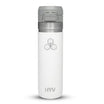
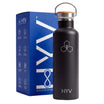
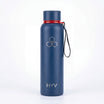
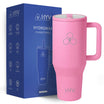


Food-grade stainless steel is any steel alloy verified safe for prolonged contact with food and beverages — typically 304 (18% chromium, 8% nickel) or 316 (with added molybdenum). It doesn't leach chemicals, doesn't react with acids, and resists corrosion. For water bottles in India, BIS IS 17526:2021 certification verifies food-grade material use.
Key Facts
- Food-grade = alloy verified safe for prolonged food/drink contact.
- 304 (18/8) is the standard; 316 is a marine-grade upgrade.
- Non-reactive with acids, juices, coffee, hot drinks.
- BIS IS 17526:2021 verifies food-grade material for Indian vacuum bottles.
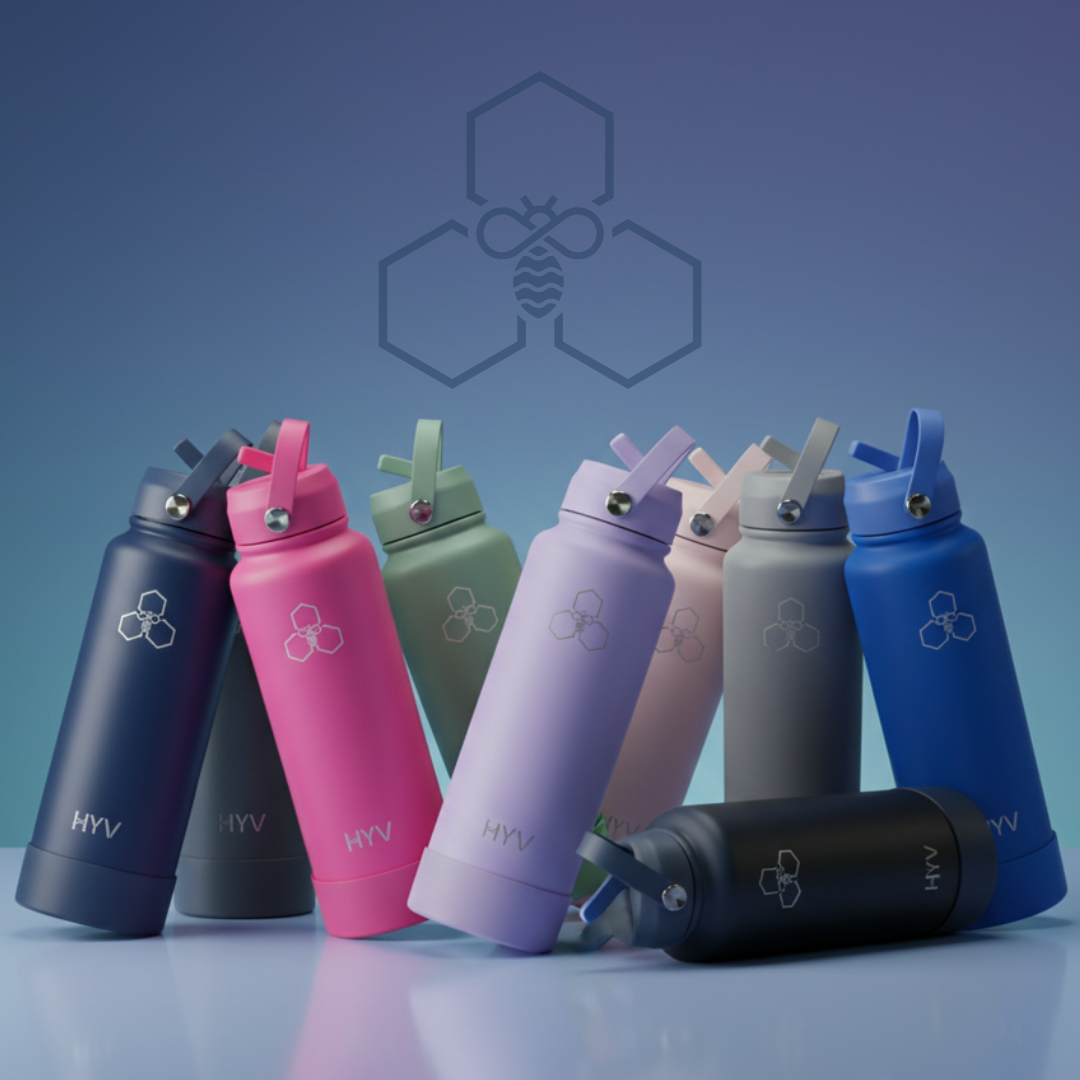
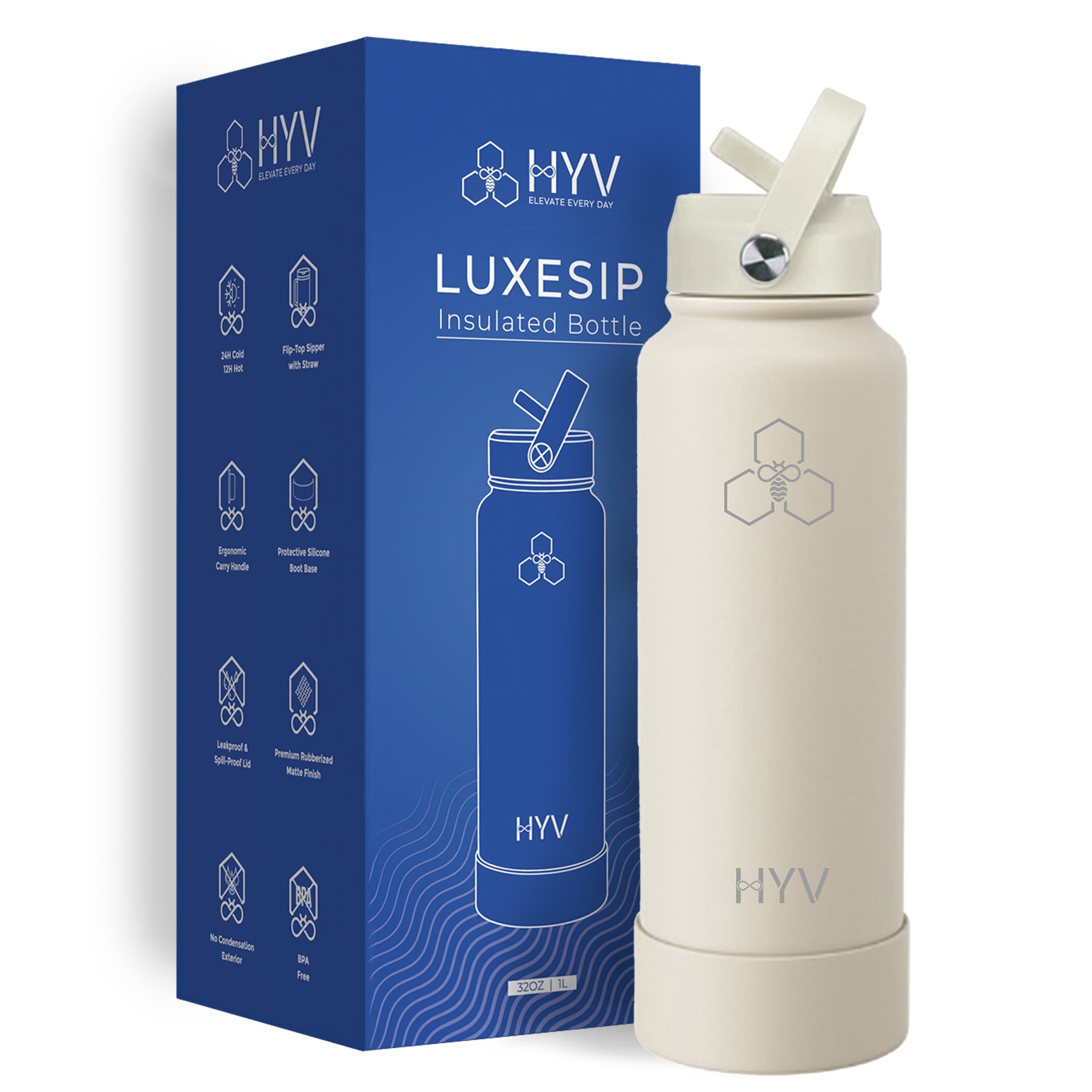
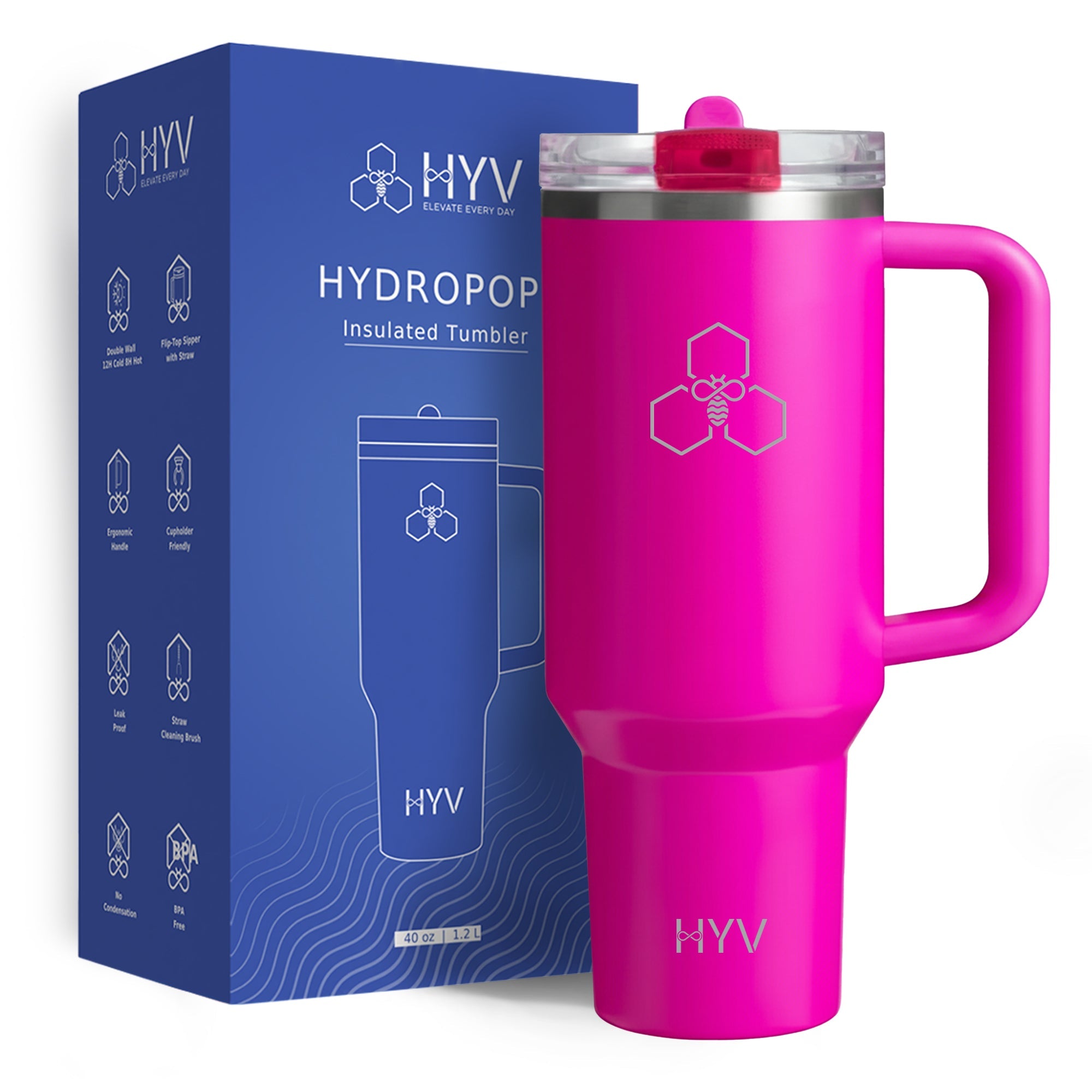
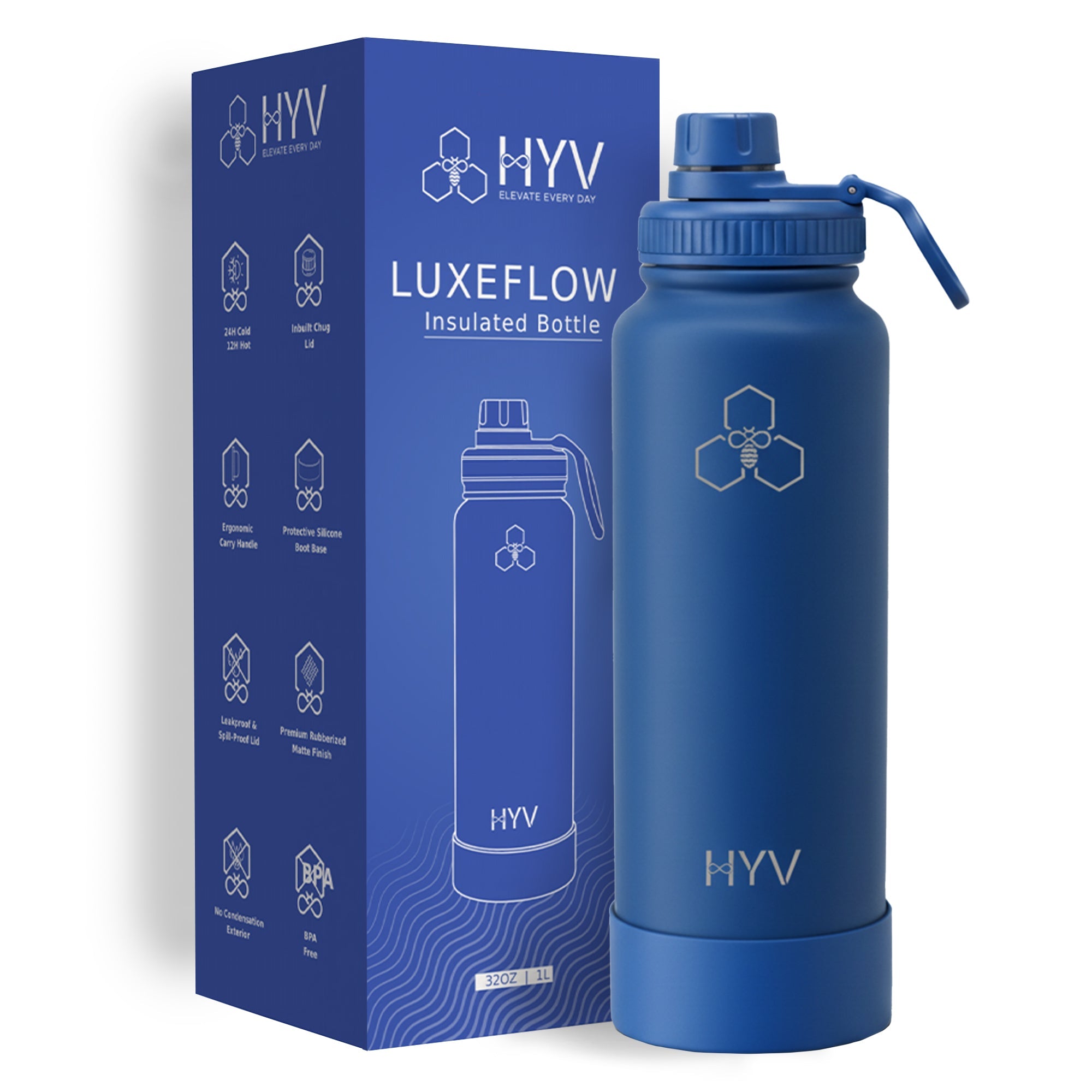
- HYV uses food-grade 304 stainless steel with double-wall vacuum insulation for verified hot/cold retention.
HYV picks, with the actual product
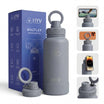
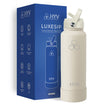
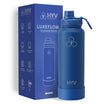
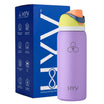
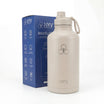
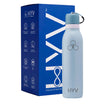
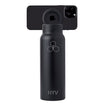
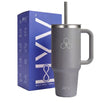
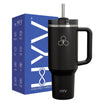
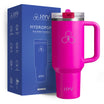
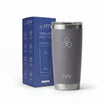
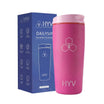
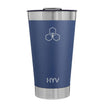
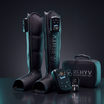
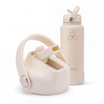
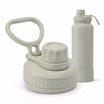
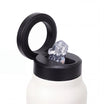
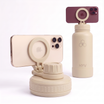
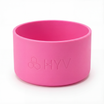
Three models worth looking at for this, photographed as they ship. Prices are the direct price on livehyv.com.


Shop HYV insulated water bottles →
Free shipping on orders over ₹499 · 7-day free replacement for product issues. HYV makes BIS-certified bottles.
What food-grade means
The alloy has been tested and certified safe for the pH range, temperatures and contact durations typical of food and drink storage.
The common food-grade steels
- 304 (18/8): the standard for water bottles.
- 316: adds molybdenum for extra corrosion resistance — marine environments.
- 430: lower grade, sometimes used for cheap bottles.
How to verify
BIS mark on the bottle or packaging. Marketing text alone isn't proof.
Frequently Asked Questions
What makes stainless steel food-grade?
The alloy composition, verified safe for food contact — typically 304 or 316.
Is all stainless steel food-grade?
No — lower grades exist. Look for 304 or 316 explicitly.
Related guides
Does the material leach into your water?
Food-grade 304 stainless is chemically inert at drinking temperatures. It does not meaningfully leach, does not change water pH, and does not impart a taste when the grade and finish are right. Trace migration can occur with strongly acidic liquids left for weeks, but not in normal use.
If a steel bottle tastes metallic, the cause is almost always one of three things and none of them is 304 leaching: a lower-grade alloy such as 201, residue and biofilm that has not been cleaned out, or a perished silicone gasket holding odour. Deep clean it, replace the gasket, and if the taste persists the grade was the problem.
Glass and borosilicate are fully inert. Copper is the genuine exception — it reacts with anything acidic, which is why lemon water, juice and buttermilk should never be stored in it.
Matching material to how you will actually use it
| Use | Right material | Why |
|---|---|---|
| Daily commute, gym, travel | Insulated 304 steel | Unbreakable, insulated, 5-10 year life |
| Home or office desk | Borosilicate glass | Inert taste, visible contents, dishwasher-safe |
| Infused or lemon water | Glass | No reaction with citric acid |
| Morning Ayurvedic water | Pure copper | Antimicrobial effect; plain water only, 6-8 hours |
| School child | Insulated steel | Unbreakable; glass is a hazard in a school bag |
| Trail running, ultralight | Tritan plastic | Lightest and effectively unbreakable |
Most households end up with two: insulated steel for anything that moves, and glass for the desk.
What each material is genuinely good and bad at
| Material | Insulates | Lifespan | Watch for |
|---|---|---|---|
| Insulated 304 steel | ~24h cold / ~12h hot | 5-10 yrs | Vacuum failure after a base drop |
| Single-wall steel | No | 5-10 yrs | Sweats in humidity |
| Copper | No | 5+ yrs | Reacts with acid and heat; daily cleaning |
| Borosilicate glass | No | Indefinite if unbroken | Breaks; heavy |
| BPA-free plastic | No | 2-3 yrs | Degrades; never leave in a hot car |
| Ceramic | No | Indefinite if unbroken | Heavy; breakable |
Shop the shortlist
- See the steel bottles — 304 food-grade stainless, double-wall vacuum, 750 ml to 2 L.


Leave a comment
This site is protected by hCaptcha and the hCaptcha Privacy Policy and Terms of Service apply.