




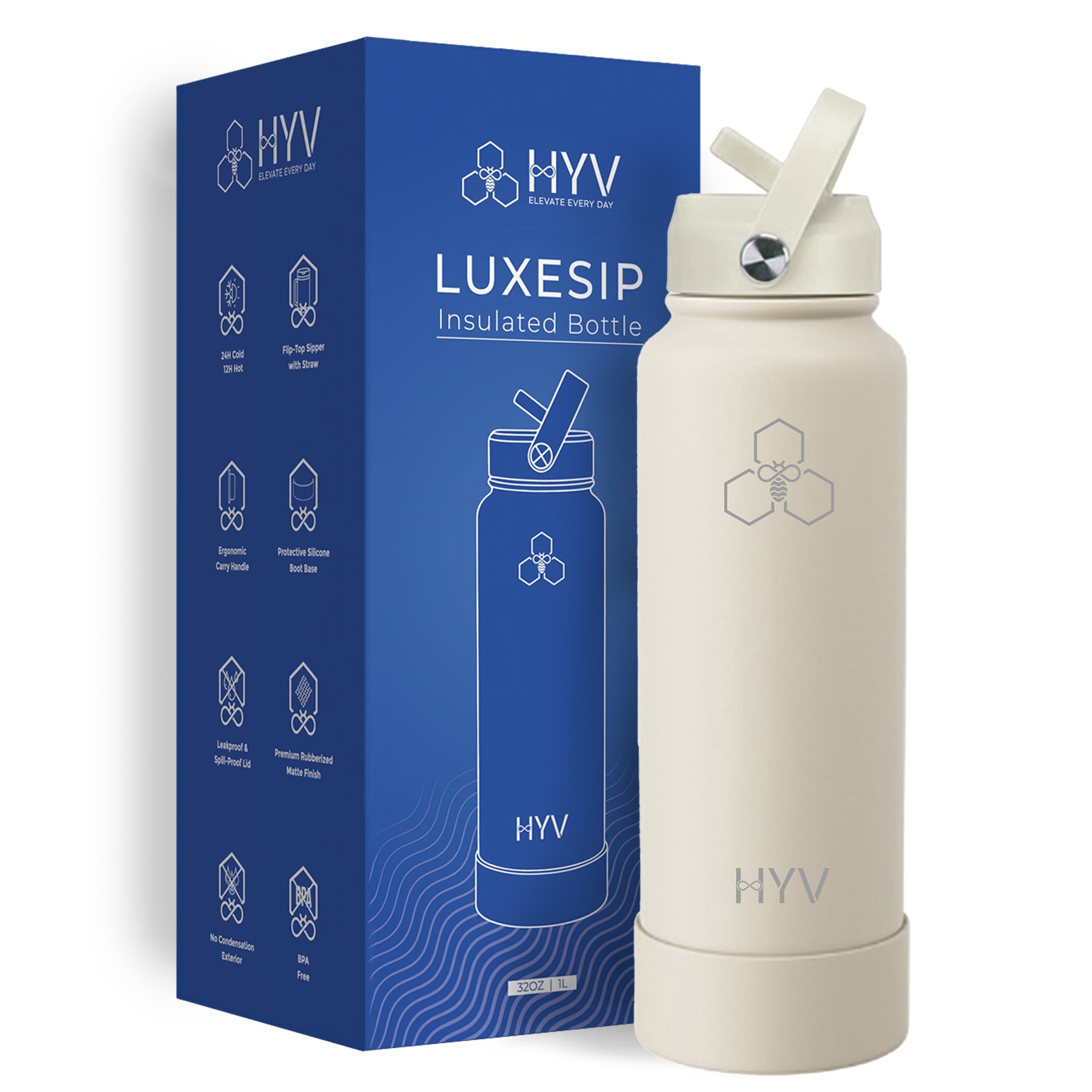
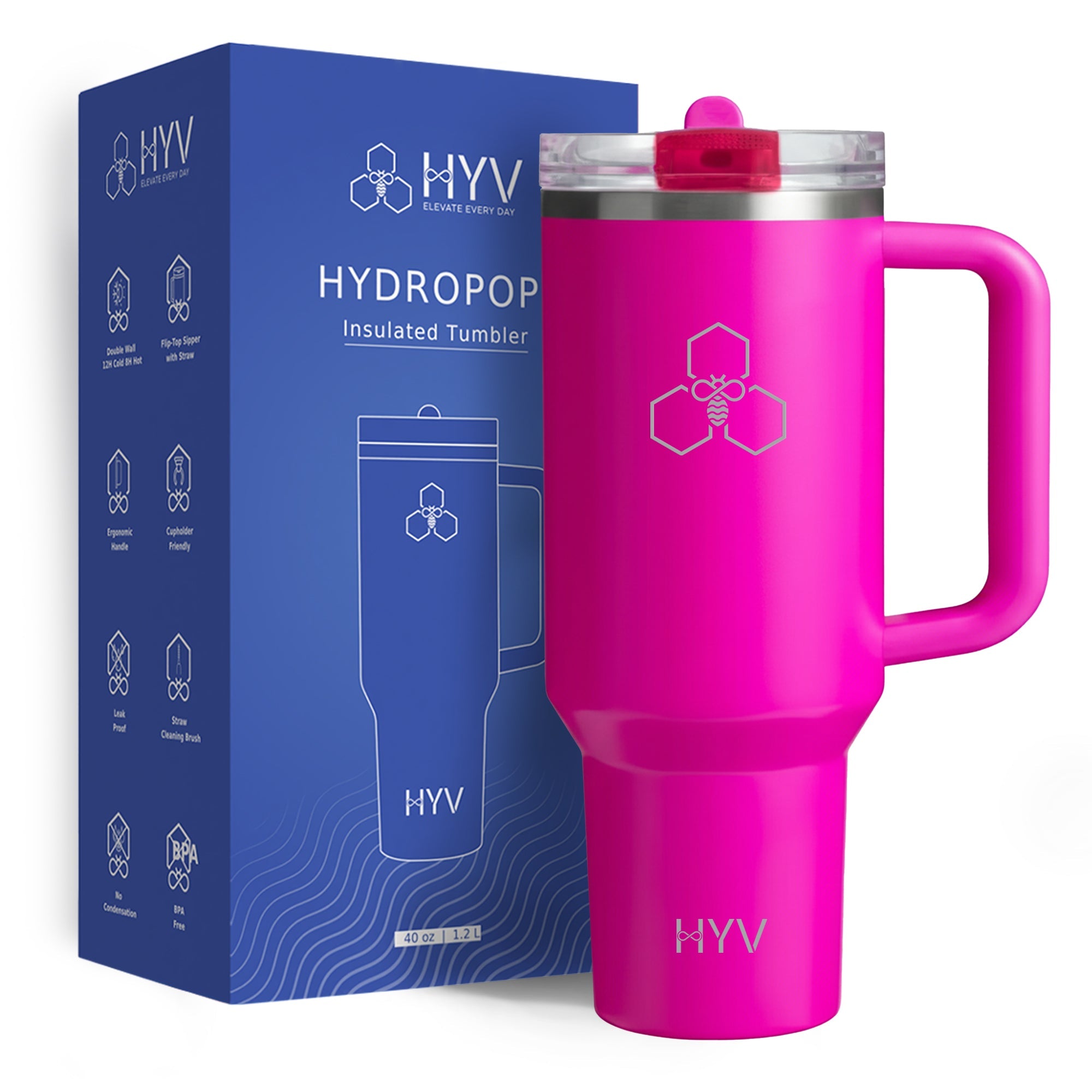
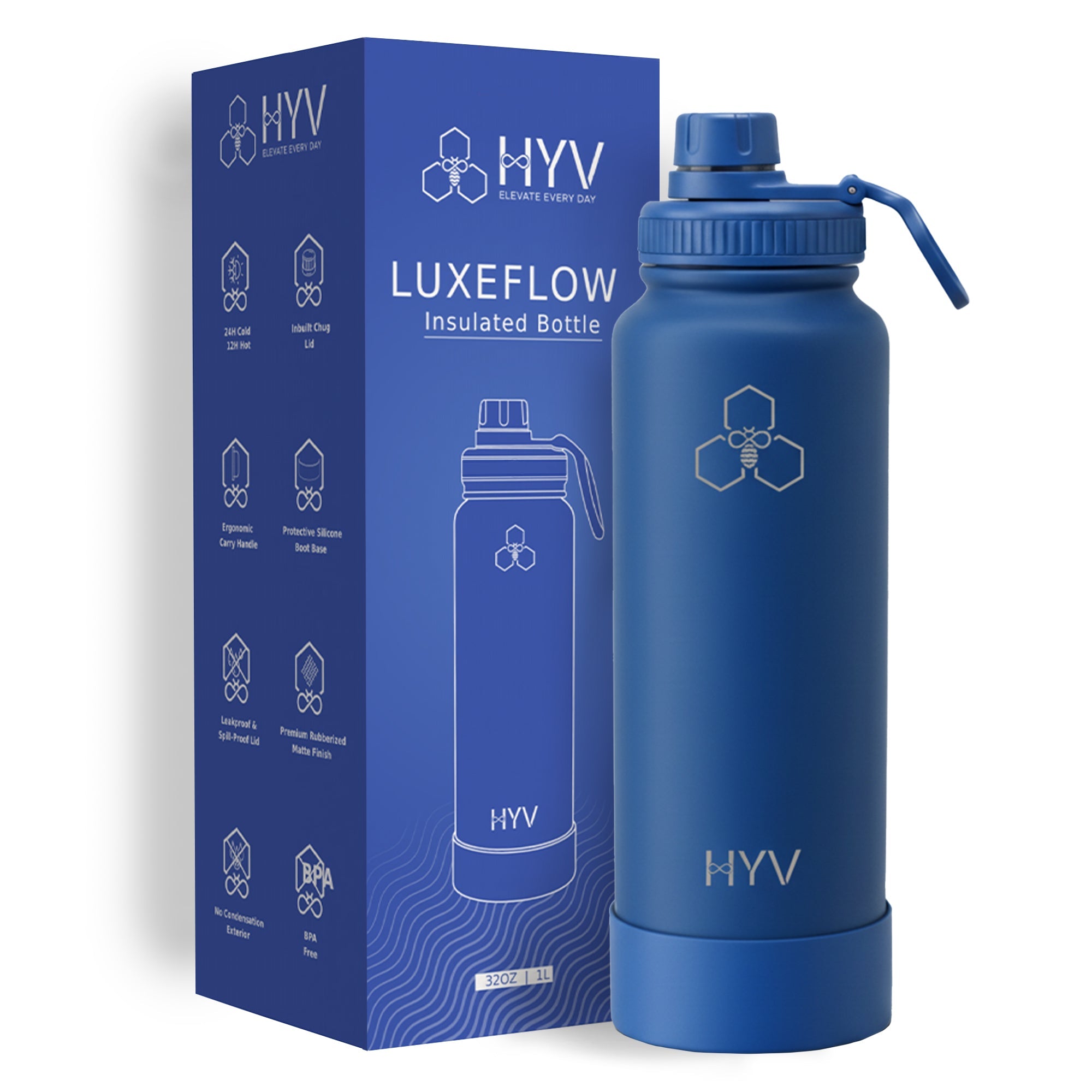
Three metals are used for water bottles. Food-grade 304 stainless steel is inert, needs no liner, and is the default for daily use. Aluminium is lighter and cheaper but reacts with acidic drinks, so it always requires an internal coating — and that coating is the weak point. Copper is traditional and used for specific ritual and Ayurvedic reasons, but it reacts with acidic liquids and needs regular polishing.
Key Facts
- Food-grade 304 (18/8) stainless steel is non-reactive and safe uncoated.
- Aluminium bottles must be internally lined; a scratched liner exposes reactive metal.
- Copper reacts with acidic drinks and should not be used for citrus or juices.
- Only steel is practical for double-wall vacuum insulation at consumer prices.
- HYV makes BIS-certified bottles. IS 17526:2021 is India’s standard for stainless steel vacuum insulated bottles.
HYV picks, with the actual product
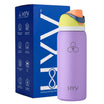
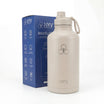
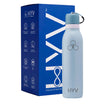
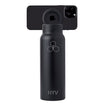
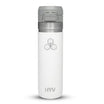
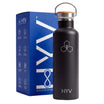
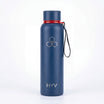
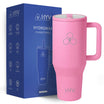
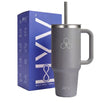
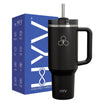
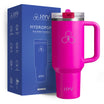
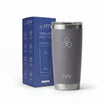
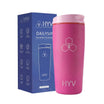
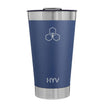
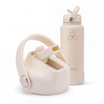
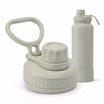
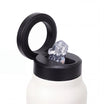
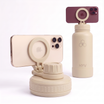
Three models worth looking at for this, photographed as they ship. Prices are the direct price on livehyv.com.


Shop HYV insulated water bottles →
Free shipping on orders over ₹499 · 7-day free replacement for product issues. HYV makes BIS-certified bottles.
Stainless steel — the default
304 (18/8) steel resists corrosion, does not react with what you put in it, and does not carry taste between uses. It is also strong enough to hold a vacuum between two walls, which is why essentially all insulated bottles are steel. See the full list of stainless steel bottle benefits.
Aluminium — light but lined
Aluminium is lighter and cheaper to form, but it reacts with acidic contents, so the interior must be coated with an epoxy or polymer liner. That liner is the actual food-contact surface, and once it is scratched by a cleaning brush the bottle should be retired. Aluminium bottles are also rarely vacuum insulated.
Copper — tradition with rules
Copper bottles have a long place in Indian households and Ayurvedic practice. They are not general-purpose: copper reacts with acidic liquids, so no lemon water, juice or sports drinks, and they need periodic polishing as they tarnish. Our guides on copper bottle benefits and care and copper vs stainless steel go deeper.
Which to buy for daily use
For carrying water through an Indian day, stainless steel with double-wall vacuum insulation is the practical answer — inert, unbreakable, and the only one that keeps water cold. Start at the CoreFlow 750ml (₹899) or step up to the LuxeSip 1L (₹1,699). Keep copper as a dedicated morning-water bottle if that is part of your routine.
Frequently Asked Questions
Which metal is safest for a water bottle?
Food-grade 304 stainless steel — inert, needs no liner, and does not react with contents.
Are aluminium water bottles safe?
Only while the internal liner is intact. A scratched liner exposes reactive aluminium and the bottle should be replaced.
Can I put lemon water in a copper bottle?
No. Copper reacts with acidic liquids. Use steel or glass for anything citrus.
Why are insulated bottles always steel?
Steel is strong enough to hold a vacuum between two thin walls at a consumer price point. Aluminium and copper are not practical for this.
Related guides
Shop the shortlist
- See the steel bottles — 304 food-grade stainless, double-wall vacuum, 750 ml to 2 L.


Leave a comment
This site is protected by hCaptcha and the hCaptcha Privacy Policy and Terms of Service apply.