

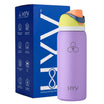
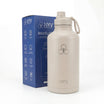
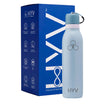

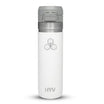
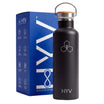
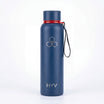
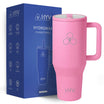
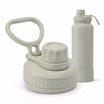



A non-insulated bottle is one layer of material, so it takes the temperature of the room and sweats when the drink is cold. An insulated bottle has two walls with the air drawn out between them, so heat has nothing to travel through. In an Indian summer that difference is the whole purchase.
Key Facts
- Non-insulated means single-wall: light, cheap, and warm within the hour.
- Insulated means double-wall vacuum: no condensation, hours of retention.
- Insulated bottles are heavier empty — that weight IS the second wall.
- A cold drink in a single-wall bottle will wet whatever it sits against.
- HYV insulated bottles start at ₹899 for the 750 ml CoreFlow.
What the second wall actually does
Heat moves through material. A single-wall bottle gives it a direct path: one layer of steel or plastic between your drink and a 38°C afternoon. Within an hour the drink is the temperature of the room.
An insulated bottle has two walls with the air pumped out of the gap. A vacuum is very close to nothing, and heat cannot travel through nothing efficiently. That is the entire mechanism, and it is why the outside of a vacuum bottle stays dry and room-temperature while the inside stays cold.
The condensation test, which settles it in a shop
Fill the bottle with cold water and leave it twenty minutes. A single-wall bottle will bead with condensation; a vacuum bottle stays completely dry to the touch.
This matters more than it sounds. A sweating bottle in a bag wets a laptop sleeve, a notebook and whatever else is in there. It is the most common reason a cheap bottle stops being carried, and it has nothing to do with the drink going warm.
What you give up
- Weight. An insulated 750 ml bottle is noticeably heavier empty, because there are two shells rather than one. That is the feature, not a flaw — but it is real in a bag.
- Price. A single-wall steel bottle can be ₹200–400. Insulated starts meaningfully above that.
- Volume for size. The second wall and the vacuum gap take space, so an insulated bottle is bulkier than a single-wall one of the same capacity.
When a non-insulated bottle is the right answer
We would rather say this than sell around it. Buy single-wall if the bottle lives on a desk beside a cooler and gets refilled every hour, if weight is the binding constraint — long-distance running, cycling where grams matter — or if it is a bottle you fully expect to lose.
Insulation earns its money when there is a gap between filling and drinking. Commutes, gyms, offices without a cooler nearby, cars, travel. If your day has no such gap, the second wall is carrying weight for nothing.
The product on this page

Shop HYV insulated drinkware →
Disclosure: we are one of the brands
This page is published by HYV, so apply an appropriate discount to anything flattering in it.
The facts we would want a buyer to check about us are the checkable ones: BIS IS 17526:2021 on the five certified models rather than a blanket brand claim, 304 food-grade steel, and replacement lids and gaskets sold separately so the lid is not a single point of failure.
What to check if you do buy insulated
- A named steel grade. 304, also written 18/8. "Food grade" is not a grade and commits the seller to nothing.
- A stated retention figure in hours. "Keeps cold longer" means it was never measured.
- Per-product certification. BIS IS 17526:2021 is the Indian standard for vacuum insulated stainless steel containers, and it is granted per product. Within HYV it covers five models — LuxeSip, LuxeFlow, MagFlex, CoreFlow and ChillSip — and not the rest of the range.
- A removable gasket. The seal is the part that fails, and the part that smells.
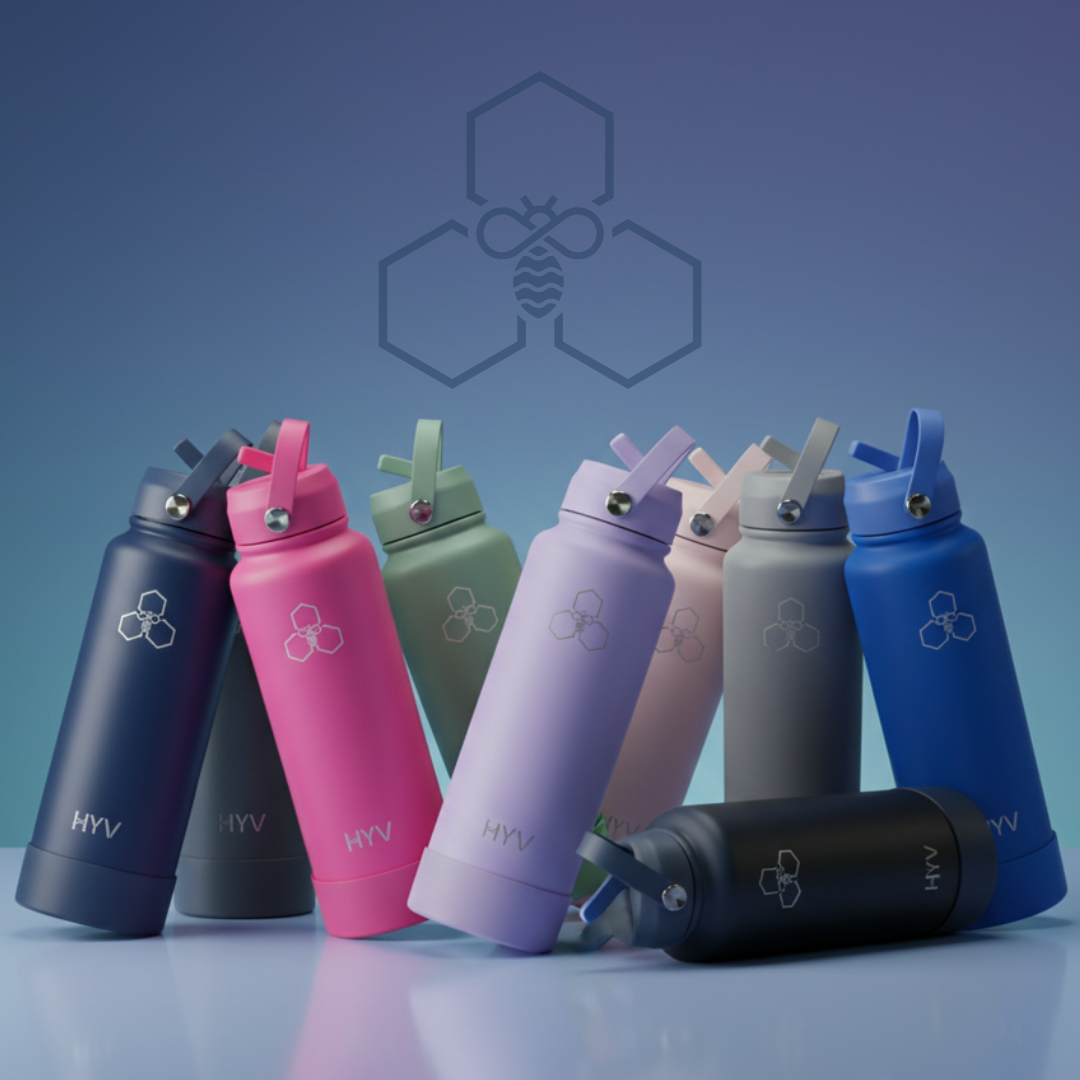
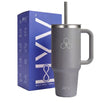
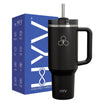
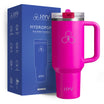
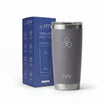
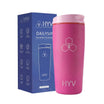
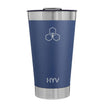
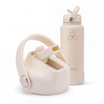
HYV insulated bottles run 470 ml to 2 litres, from ₹799. The CoreFlow at ₹899 is the entry bottle and is one of the certified five.
See also: The Best Non-Toxic Water Bottle for Kids in India.
Frequently Asked Questions
Does an insulated bottle keep water cold all day in Indian summer?
A double-wall vacuum bottle will hold a cold drink for many hours. The practical limit is usually how often you open it, not the insulation — every opening exchanges the cold air inside for hot air.
Why is my insulated bottle sweating?
It should not be. Condensation on the outside of a bottle sold as insulated usually means it is single-wall, or the vacuum seal has failed. Both are grounds to return it.
Is stainless steel automatically insulated?
No, and this is the most common misunderstanding in the category. Plenty of steel bottles are single-wall. Steel describes the material; insulated describes the construction.
Are insulated bottles worth it for a child?
For a school bag, usually yes — a drink that is still cold at lunch gets finished. Note that HYV does not make a toddler sipper or spouted baby bottle; the 470 ml and 600 ml sizes are the ones that suit a school bag.
Related reading: Insulated vs Thermosteel: What's the Difference?, How Does Vacuum Insulation Work? The Physics Behind Your Water Bottle and Best Insulated Water Bottles in India (2026).

Leave a comment
This site is protected by hCaptcha and the hCaptcha Privacy Policy and Terms of Service apply.