






A single-use packaged bottle bought once each working day costs roughly ₹5,000 a year in India. A reusable insulated steel bottle is a one-off ₹899 and upwards, so it pays for itself within months — provided you keep carrying it, which is where most people fail.
Key Facts
- A ₹20 packaged bottle on working days is roughly ₹5,000 a year.
- An entry insulated steel bottle is ₹899 once, plus refills that cost nothing.
- The break-even on that comparison is under three months.
- A reusable bottle you stop carrying saves nothing at all.
- Replaceable lids and gaskets are what decide whether it survives year one.
The money, stated plainly
One packaged bottle at ₹20, bought on roughly 250 working days, is about ₹5,000 a year. Two a day in summer is closer to ₹10,000. Those are not dramatic numbers on any single day, which is exactly why the habit persists.
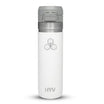
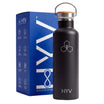
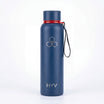
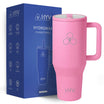
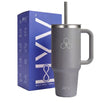
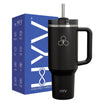
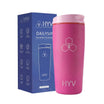
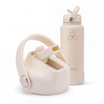
An insulated steel bottle is a single purchase. The CoreFlow is ₹899 with free shipping over ₹499, and refills cost nothing. On the one-bottle-a-day comparison it has paid for itself inside three months and then keeps going for years.
The environmental case, without the sermon
The environmental argument is real and widely made, so we will be brief: a bottle carried for two years displaces several hundred single-use ones, and PET recycling rates in India are better than in many markets but far from complete.
What we would add is that the environmental case and the financial one point the same way, and in our experience the financial one is what actually changes behaviour. People keep carrying a bottle because it saves money and tastes better, and the environmental benefit follows from that rather than causing it.
Why reusable bottles get abandoned
This is the part that decides whether any of the above is real, and it is almost never about the material. Bottles get abandoned for three reasons:
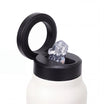
- It started to smell. Nearly always the lid gasket, left in place and never removed. It comes out. Take it out weekly.
- The lid broke or went missing. If a brand does not sell a replacement lid, it is expecting you to replace the bottle.
- It did not fit the day. Too big for the bag, too wide for the cup holder, too heavy full. A bottle that does not fit gets left at home in week three.
What makes a bottle genuinely reusable
Not the material — a steel bottle you stop carrying is no more reusable than a plastic one. Three things decide it:
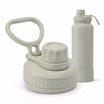
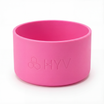
- Spares exist. Lids, gaskets and boots sold separately, so one lost part does not retire the bottle.
- It cleans properly. A mouth wide enough for a brush and a lid that comes apart.
- It suits your actual day. Size and shape matter more than the spec sheet suggests.
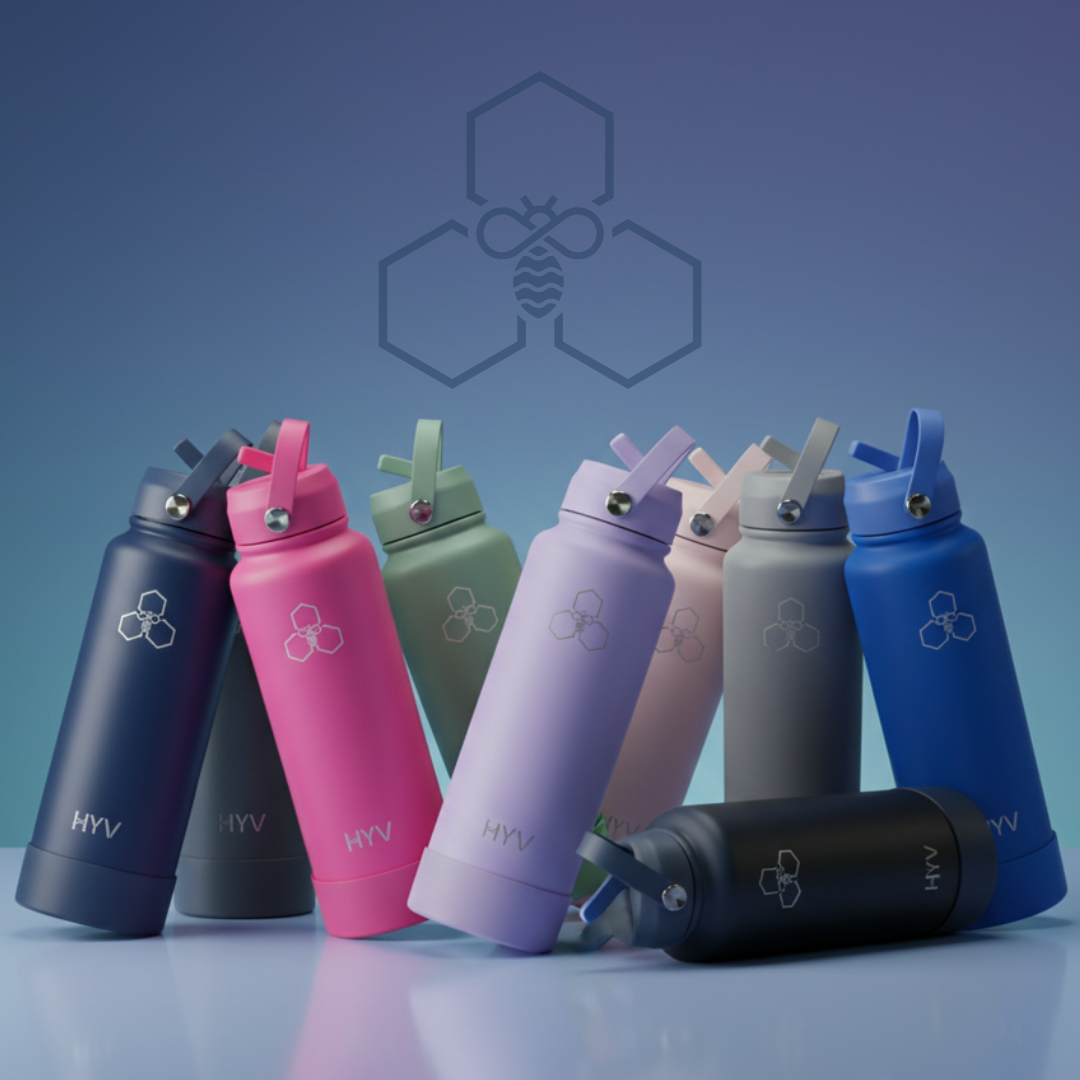
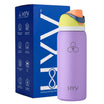
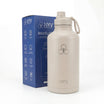
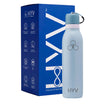
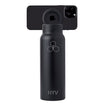
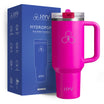
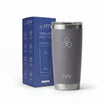
Everything in the HYV reusable range is double-wall vacuum 304 (18/8) stainless steel with no plastic liner, 470 ml to 2 litres, ₹799 to ₹2,499.
The product on this page

Shop HYV insulated drinkware →
Disclosure: we are one of the brands
This page is published by HYV, so apply an appropriate discount to anything flattering in it.
The facts we would want a buyer to check about us are the checkable ones: BIS IS 17526:2021 on the five certified models rather than a blanket brand claim, 304 food-grade steel, and replacement lids and gaskets sold separately so the lid is not a single point of failure.
Where single-use still wins
Honestly: travel where you cannot refill safely, and situations where a sealed bottle is the point. If the tap water at your destination is not safe and no filtered refill exists, a packaged bottle is the sensible choice and no amount of arithmetic changes that.
The realistic goal is not zero packaged bottles. It is not buying one at 4pm because you did not carry anything.
Frequently Asked Questions
How long does it take a reusable bottle to pay for itself?
On a one-packaged-bottle-a-day habit at ₹20, a ₹899 bottle breaks even in under three months. At two a day in summer it is closer to six weeks.
Is steel better than plastic for a reusable bottle?
For reuse, yes. Steel does not absorb odour or flavour, does not scratch into a surface that harbours residue, and does not need replacing on a schedule. It is heavier and costs more up front.
How often should a reusable bottle be washed?
Daily if it holds anything but water, and weekly take the lid apart and remove the gasket. The gasket is the part that develops a smell, and it is the part most people never touch.
Do reusable bottles really reduce plastic use?
A bottle carried daily for two years displaces several hundred single-use ones. The caveat is the one above: a bottle in a cupboard displaces nothing.
Related reading: Best Reusable Water Bottles in India (2026): The Shortlist, How to Clean an Insulated Water Bottle (Without Ruining It) and Is Stainless Steel Water Bottle Safe? The Complete Guide.

Leave a comment
This site is protected by hCaptcha and the hCaptcha Privacy Policy and Terms of Service apply.