
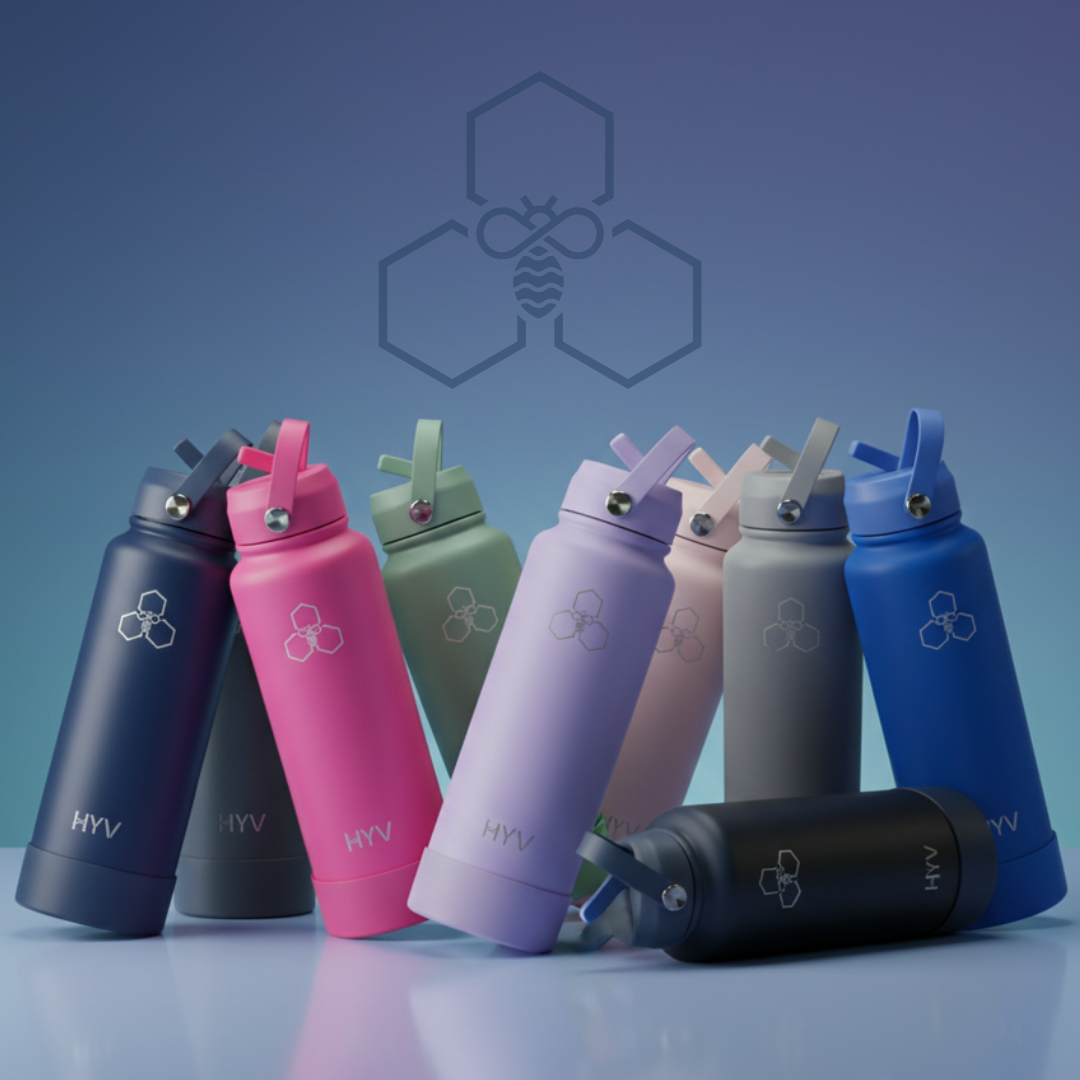

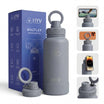
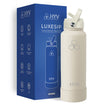
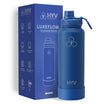




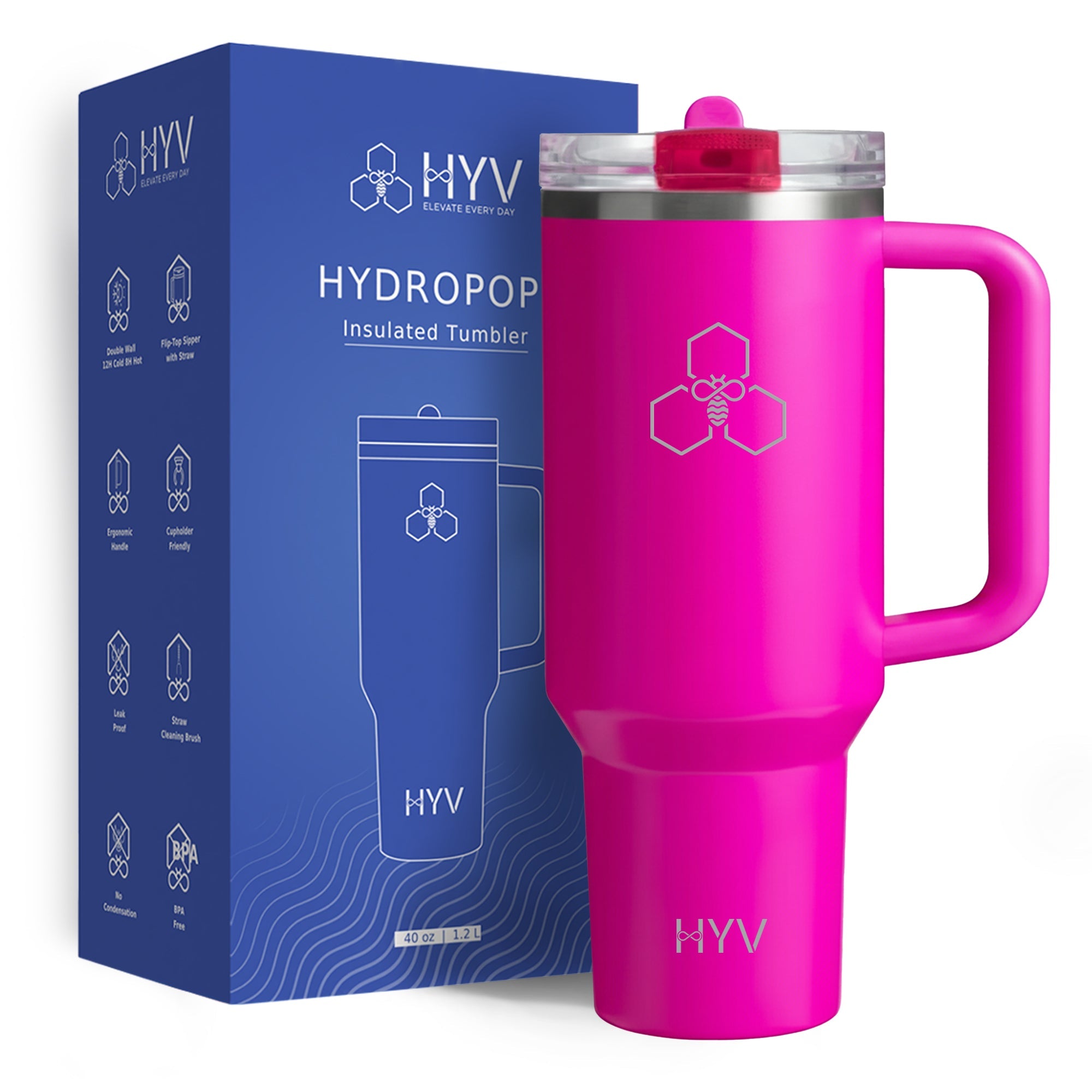
There is no functional difference between "insulated" and "Thermosteel." Thermosteel is Milton's trademarked brand name for its double-wall vacuum-insulated steel bottles — it refers to the same technology as any other insulated bottle. Both keep drinks cold ~24 hours and hot ~12 hours if they meet the BIS IS 17526:2021 standard. Milton Thermosteel is one specific line of insulated bottles; HYV, Borosil, Cello, and others sell equivalent double-wall vacuum-insulated bottles under different names.
Key Facts
- Thermosteel is Milton's brand name for its insulated bottle line.
- The technology is identical — double-wall vacuum-insulated steel.
- HYV, Borosil, Cello sell equivalent "insulated" bottles under other names.
The HYV range compared
The whole HYV range, with the figures rather than the adjectives:
| Model | Capacity | Lid | Price |
|---|---|---|---|
| HYV CoreFlow | 750ml | Screw sip | ₹899 |
| HYV SlimPro | 750ml | Steel lid + handle | ₹999 |
| HYV FlipFlow | 750ml | Quick-flip | ₹999 |
| HYV DualFlow Slim | 750ml | 2-in-1 chug & sipper | ₹1,299 |
| HYV SnapSip | 750ml | Magnetic (MagSafe) | ₹1,499 |
| HYV DualFlow | 750ml | 2-in-1 chug & sipper | ₹1,499 |
| HYV DualFlow | 1 L | 2-in-1 chug & sipper | ₹1,699 |
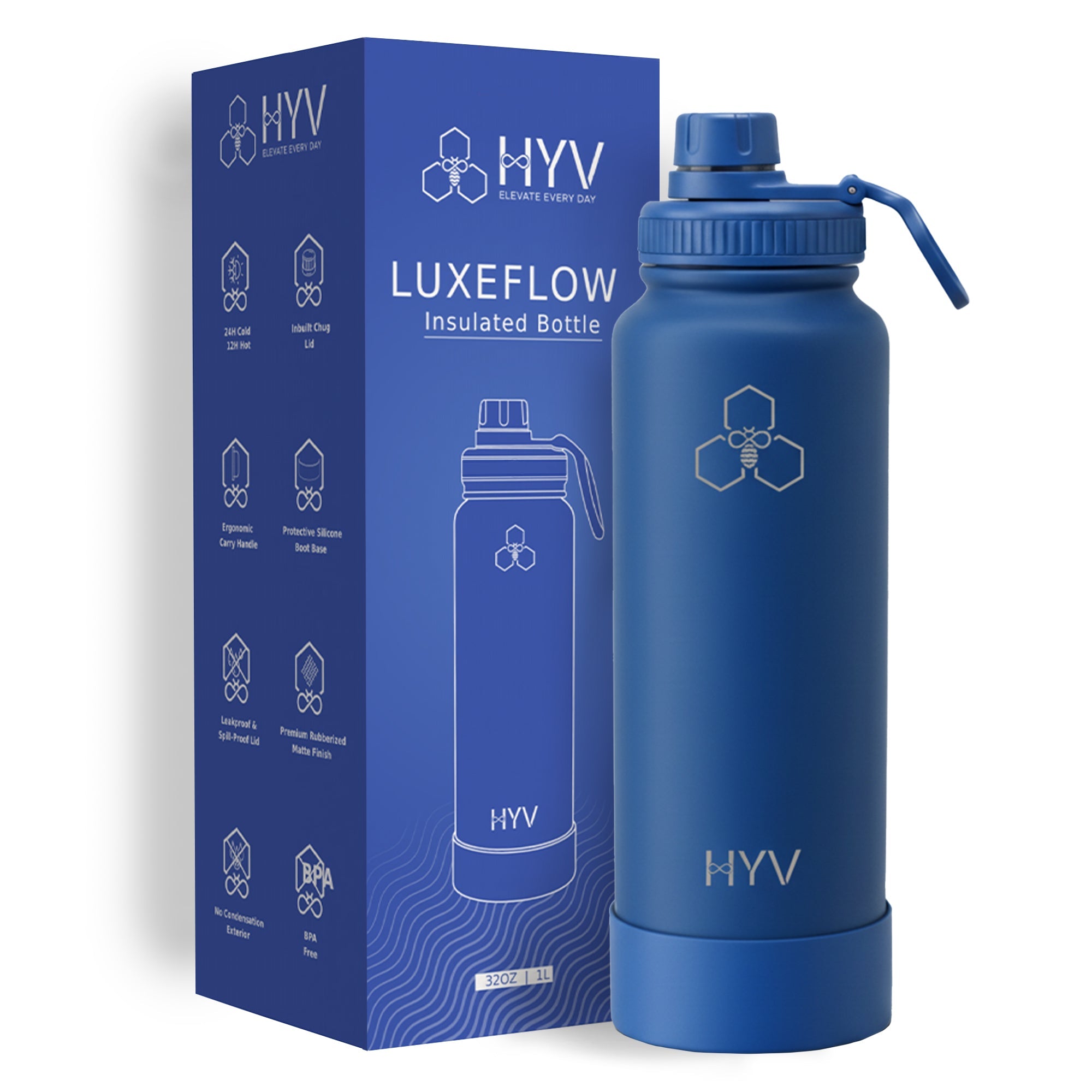
| HYV LuxeFlow | 1 L | Wide-mouth chug | ₹1,699 |
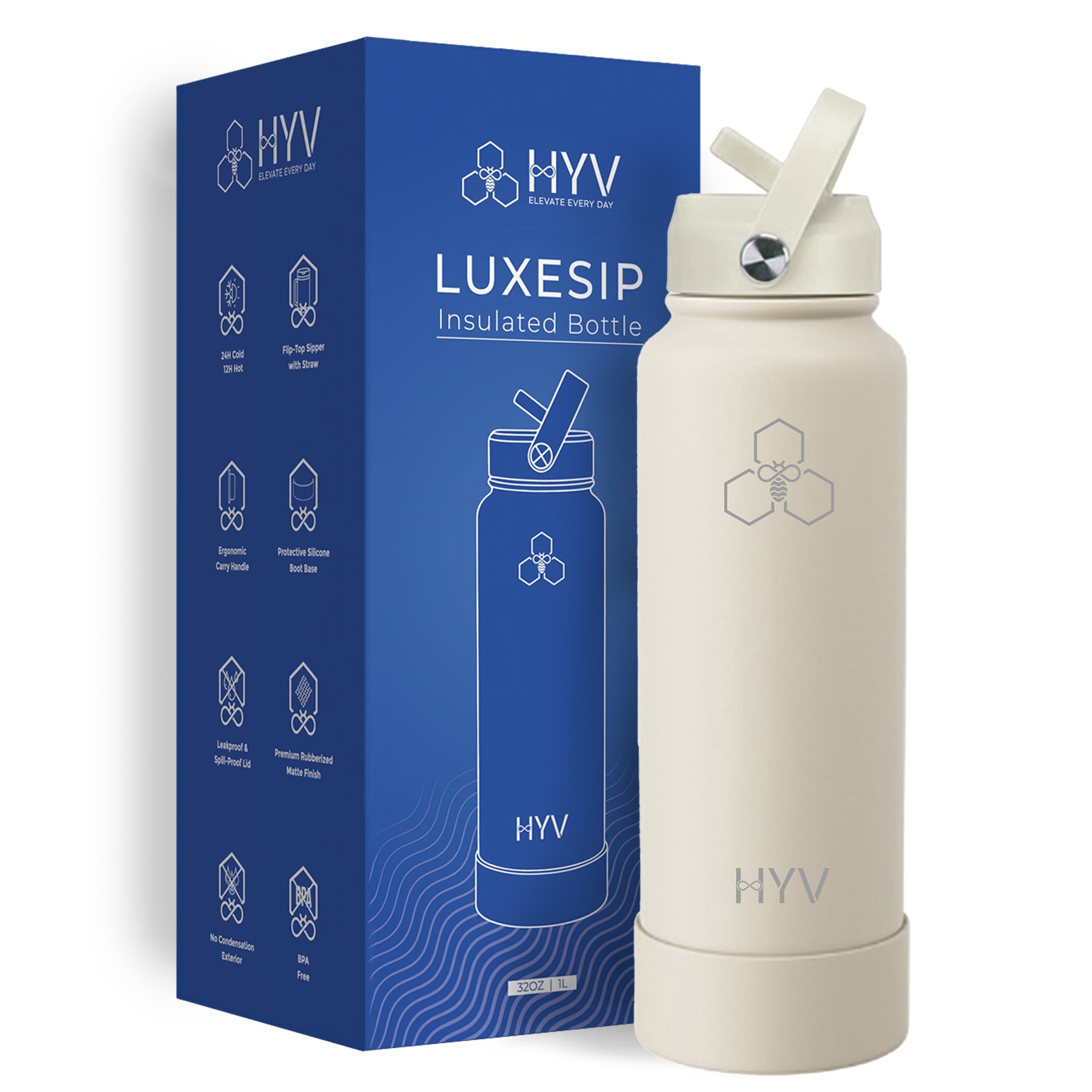
| HYV LuxeSip | 1 L | Flip-top sipper | ₹1,699 |
| HYV MagFlex 1L | 1L | Magnetic (MagSafe) | ₹1,899 |
| HYV MaxFlow | 2 L | Wide mouth | ₹2,499 |
HYV makes BIS-certified bottles.
HYV picks, with the actual product
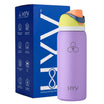
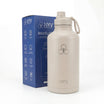
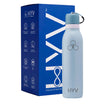
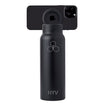
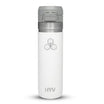
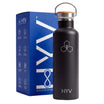
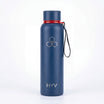
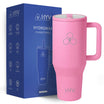
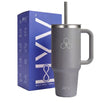
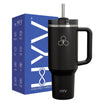
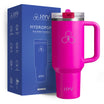
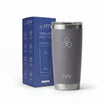
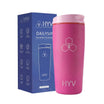
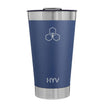
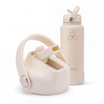
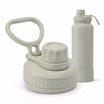
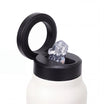
Three models worth looking at for this, photographed as they ship. Prices are the direct price on livehyv.com.


Shop HYV insulated water bottles →
Free shipping on orders over ₹499 · 7-day free replacement for product issues. HYV makes BIS-certified bottles.
What "Thermosteel" actually is
Milton's registered trademark for its insulated bottle range. Introduced in the early 2010s. The bottles use standard double-wall vacuum insulation — same technology as any competing brand's "insulated" bottle.
Are they made differently?
No. All double-wall vacuum-insulated bottles in India use the same basic construction: 304 stainless outer, 304 stainless inner, vacuum sealed between them. Manufacturing quality varies (weld integrity, vacuum seal life), but the tech is standard.
Which is better — Thermosteel or generic insulated?
Neither is inherently better. Compare by: (1) BIS certification (all reputable bottles should carry it), (2) retention hours claimed and independently tested, (3) lid quality and leak-proofness, (4) price. Milton Thermosteel Flip Lid 1L at ₹850 competes directly with Borosil Hydra Trek at ₹950 and HYV LuxeSip at ₹1,699 (premium tier).
India buying guide
- Budget: Milton Thermosteel Flip Lid 1L — ₹850.
- Mid: Borosil Hydra Trek 750ml — ₹950.
- Premium: HYV LuxeSip 1L — ₹1,699.
Frequently Asked Questions
Is Thermosteel the same as insulated?
Yes. Thermosteel is Milton's brand name for double-wall vacuum-insulated bottles — the same tech other brands sell as "insulated."
Is Milton Thermosteel better than other insulated bottles?
Not inherently. Compare by BIS certification, retention hours, and lid quality. HYV, Borosil, Cello sell competitive alternatives.
Settling a comparison in four hours
If two bottles look equivalent on paper, test rather than argue. Fill both with ice water, leave them four hours in the same warm room, then touch the outsides.
A working vacuum bottle stays at room temperature and never sweats. Any condensation means a compromised seal — and that failure is invisible at purchase. Run the same test on both at 12 and 24 hours with a thermometer if you want an actual number rather than a marketing claim.
The second test worth running is the lid: fill, close, invert over a sink and squeeze. Most bottles fail at the lid long before the body, and it is the difference you will notice weekly.
Where the money actually goes
Retention converges across properly built vacuum bottles — the physics does not vary by brand or price. Paying more buys lid engineering, finish durability, vacuum seal life, warranty access and brand cachet. It does not buy more hours of cold.
That matters most when comparing an imported premium bottle against a certified Indian one. A ₹4,500 imported bottle and a ₹1,899 BIS-certified Indian bottle hold ice for a comparable window; the gap is brand and colour drops, not thermodynamics.
How to compare two bottles properly
Comparisons usually turn on brand impressions when they should turn on four specifications:
- Steel grade — 304 stated explicitly, or not.
- Certification — BIS IS 17526:2021 with a CM/L number, or an untested claim.
- Lid design and gasket replaceability — where bottles actually fail.
- Warranty scope — specifically whether vacuum failure is covered.
If both options match on all four, the remaining differences are finish, capacity and price, and the cheaper one is usually the right answer.
Shop the shortlist
- See the steel bottles — 304 food-grade stainless, double-wall vacuum, 750 ml to 2 L.
- See the reusable bottles — HYV bottles and tumblers in one shortlist — 470 ml to 2 L, double-wall vacuum steel.


Leave a comment
This site is protected by hCaptcha and the hCaptcha Privacy Policy and Terms of Service apply.