

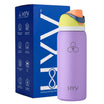
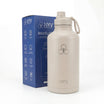
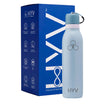

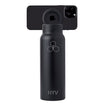
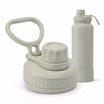

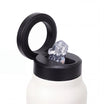
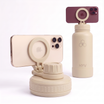

A filtered water bottle has a cartridge in the lid or straw that treats water as you drink. It is genuinely useful when you cannot trust the source — trekking, rural travel, or drinking from unfamiliar taps. It is largely redundant if you fill at home from an RO or purifier you already own, because you are paying for recurring cartridges to re-treat water that is already treated.
Key Facts
- Carbon filters improve taste and reduce chlorine; they do not reliably remove bacteria or viruses.
- Hollow-fibre or membrane filters target microbes and are the type that matters for untreated sources.
- Cartridges are a recurring cost and have a defined litre lifespan.
- Filter bottles are almost never vacuum insulated, because the cartridge occupies the lid and body space.
- Filling from a home RO makes an in-bottle filter largely redundant.
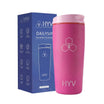
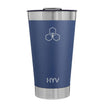
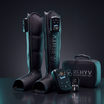
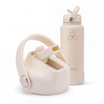
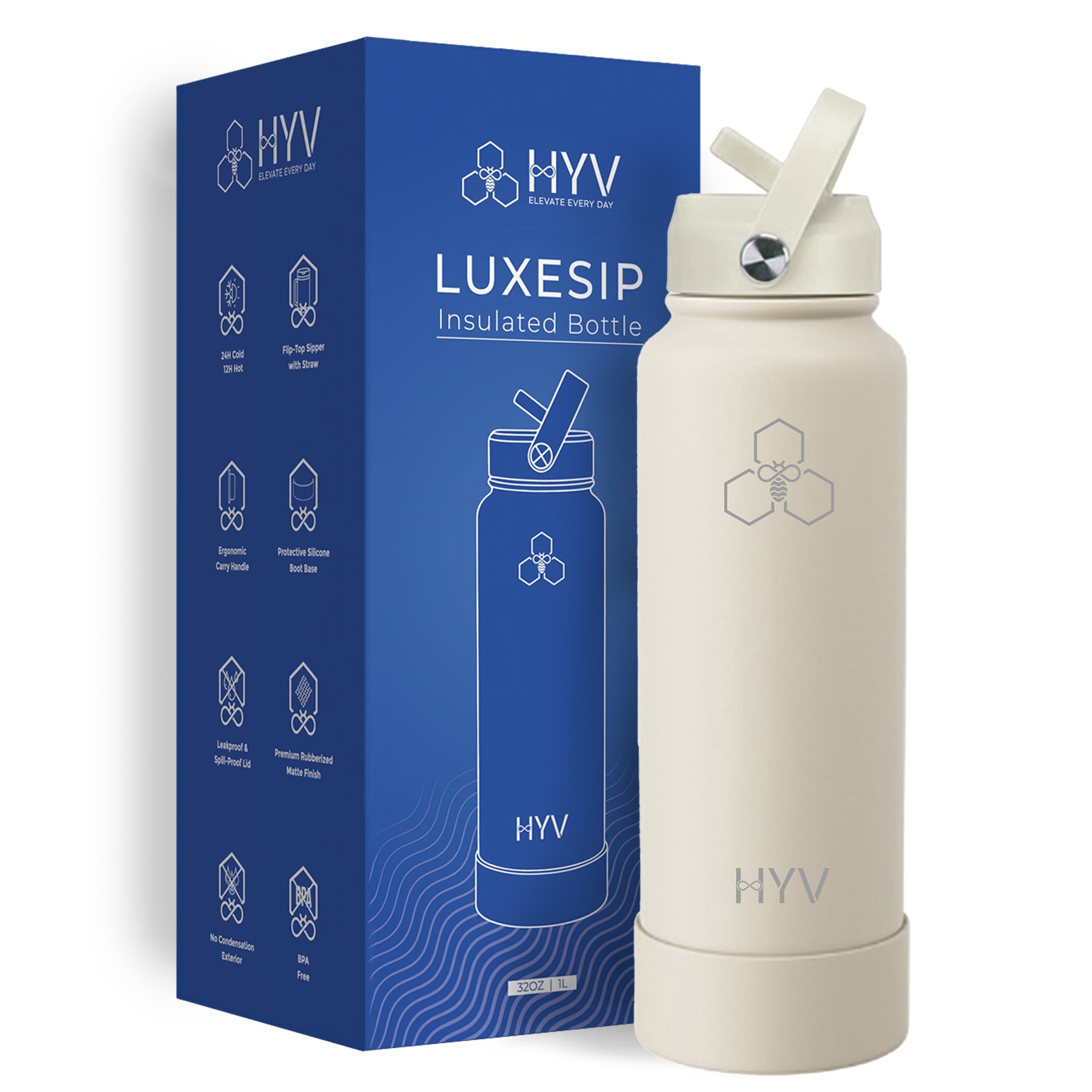
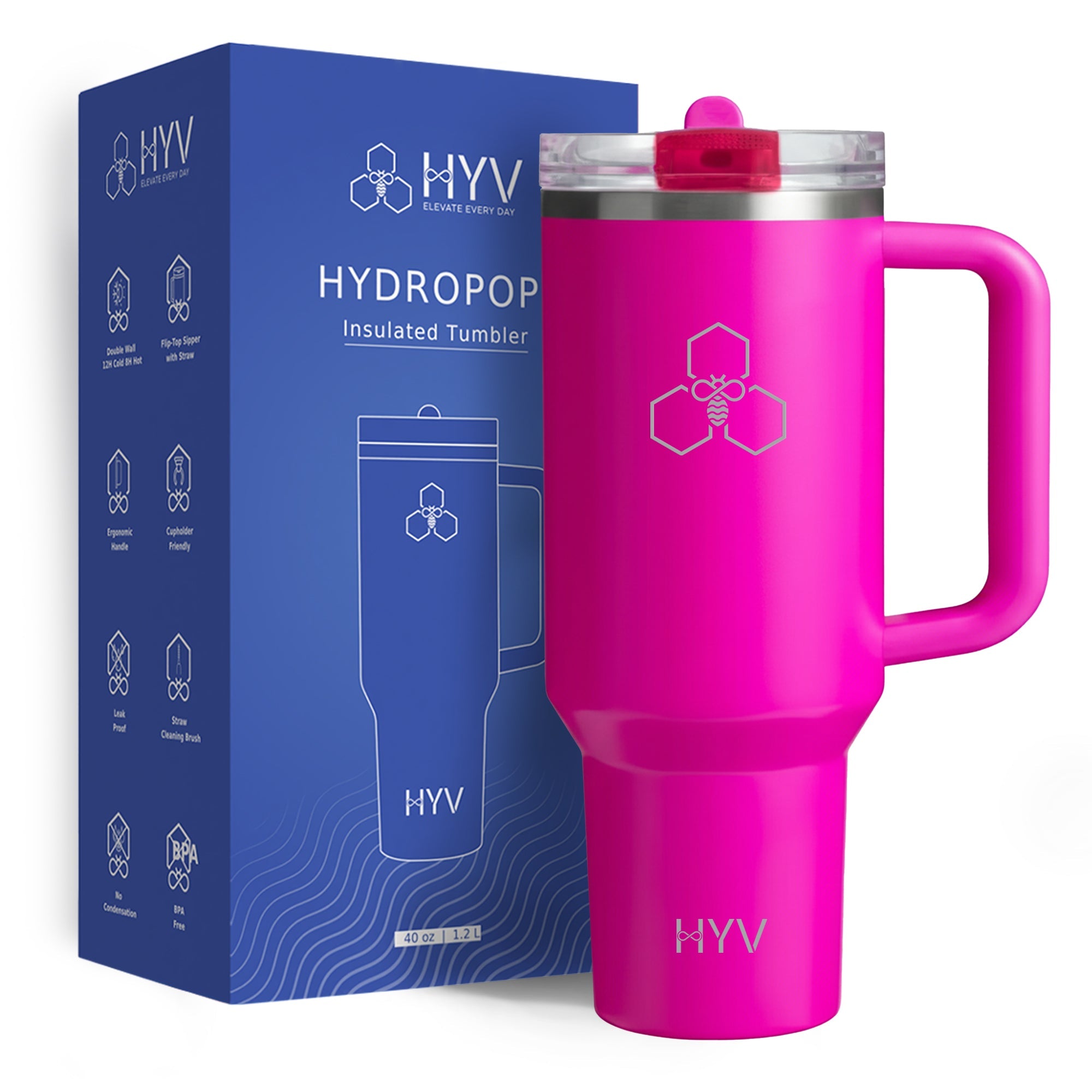
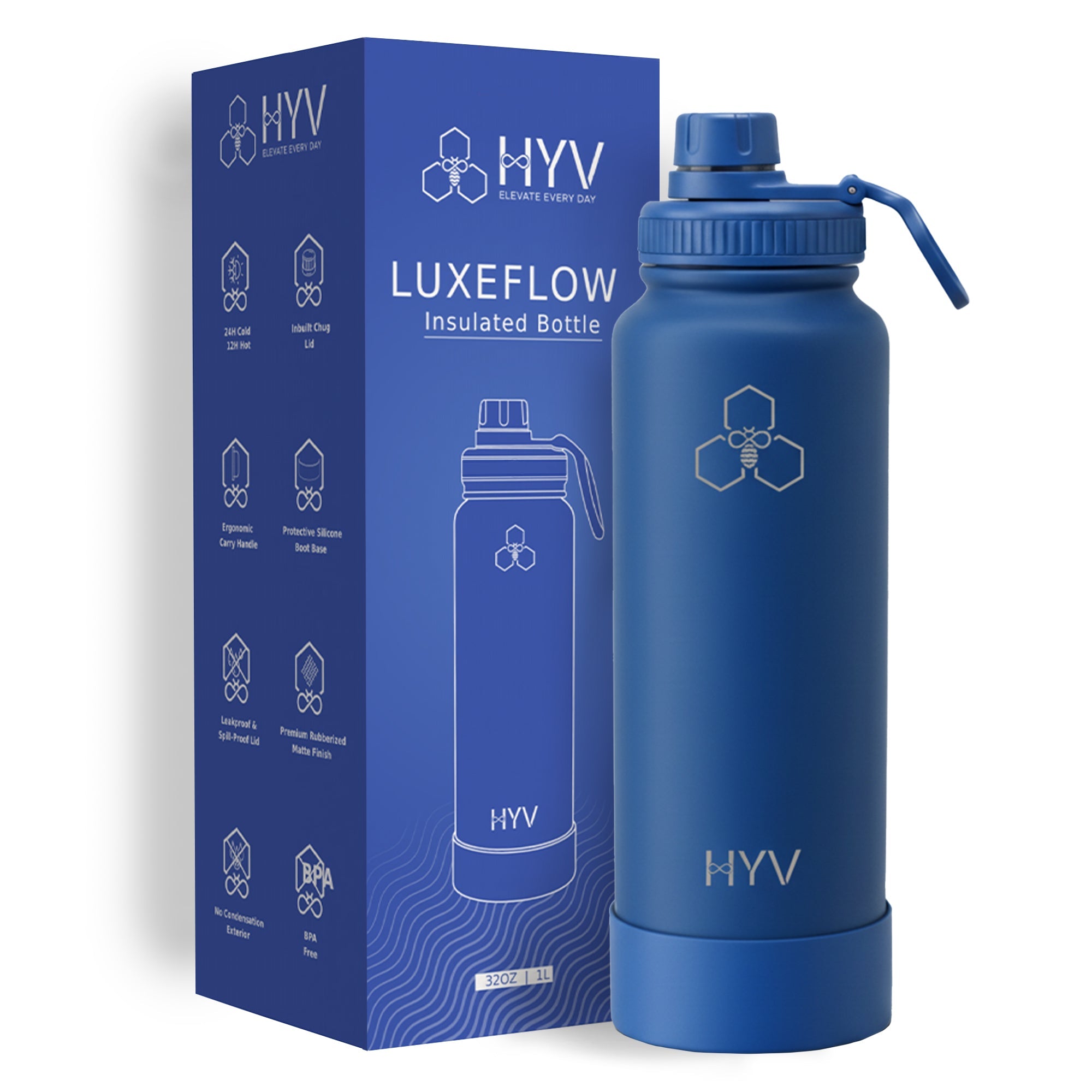
HYV picks, with the actual product
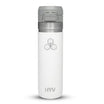
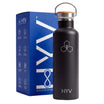
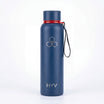
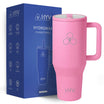
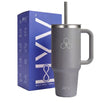
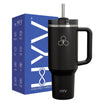
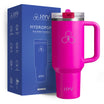
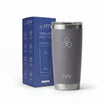
Three models worth looking at for this, photographed as they ship. Prices are the direct price on livehyv.com.


Shop HYV insulated water bottles →
Free shipping on orders over ₹499 · 7-day free replacement for product issues. HYV makes BIS-certified bottles.
Know which filter you are buying
Activated carbon improves taste and cuts chlorine — it does not make unsafe water safe. Hollow-fibre membranes physically block bacteria and protozoa and are what a trekking bottle needs. Very few consumer bottles handle viruses. Match the filter class to the actual risk, not to the marketing.
Where a filter bottle earns its place
Trekking and camping where you refill from streams. Travel through areas where bottled water is the only alternative and you would rather not buy plastic. Offices or hostels with unfiltered taps. In these situations the recurring cartridge cost is straightforwardly worth it.
Where it does not
If you fill at home from an RO or a purifier, the water is already treated. A second filter adds cost and maintenance without adding safety, and you give up insulation to accommodate the cartridge — so your water is also warm. See how long an insulated bottle keeps water cold for what you are trading away.
The practical setup for most people
Treat at the source, carry in an insulated steel bottle. Fill from your home purifier into a vacuum bottle such as the LuxeSip 1L (₹1,699), and keep a dedicated filter bottle only for trips where the source is genuinely unknown.
Frequently Asked Questions
Do filtered water bottles remove bacteria?
Only if they use a hollow-fibre or membrane filter. Plain carbon filters improve taste but do not make unsafe water safe.
Are filter bottles insulated?
Almost never — the cartridge takes the space a vacuum layer and lid mechanism would need.
How often do cartridges need replacing?
They are rated in litres. Check the manufacturer figure and track it, because a spent filter is worse than none.
Do I need one if I have RO at home?
Generally no. Filtering already-treated water adds cost without adding safety.


Leave a comment
This site is protected by hCaptcha and the hCaptcha Privacy Policy and Terms of Service apply.