


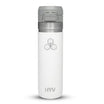


A water bottle with an inbuilt filter has a cartridge in the lid or straw that treats water as you drink. Types differ sharply in what they remove: activated carbon filters (₹800-2,000) improve taste and reduce chlorine but do NOT make unsafe water safe; hollow-fibre membrane filters (₹1,500-4,000, e.g. LifeStraw Go) remove bacteria and protozoa and are the right choice for trekking; UV bottles (Larq PureVis, ₹12,000-15,000) neutralise microbes but not sediment or chemicals. For Indian city tap water, a carbon filter bottle is a taste upgrade, not a safety device.
Key Facts
- Carbon filter: taste and chlorine only — does NOT make unsafe water safe.
- Hollow-fibre membrane (LifeStraw Go): removes bacteria and protozoa — right for trekking.
- UV (Larq PureVis): neutralises microbes; does not remove sediment or chemicals.
- None of these remove dissolved salts — that needs RO.
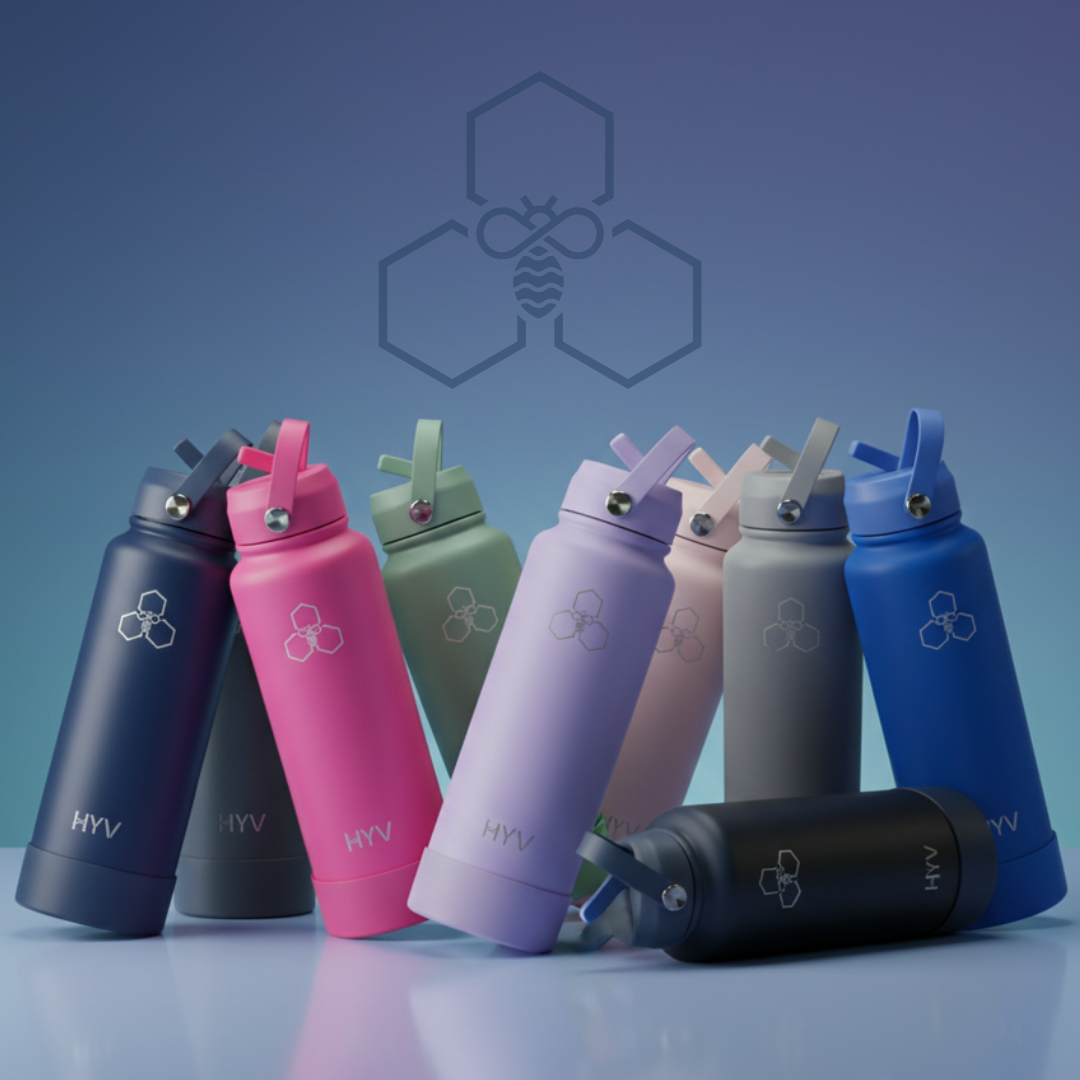
HYV picks, with the actual product
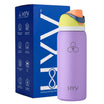
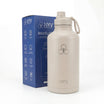
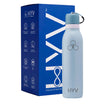
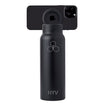
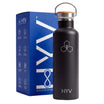
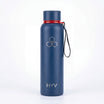
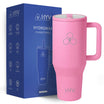
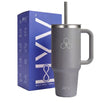
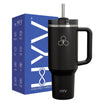
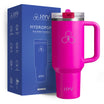
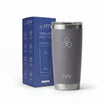
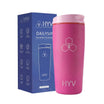
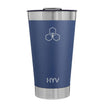
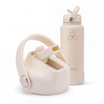
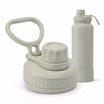
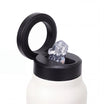
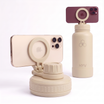
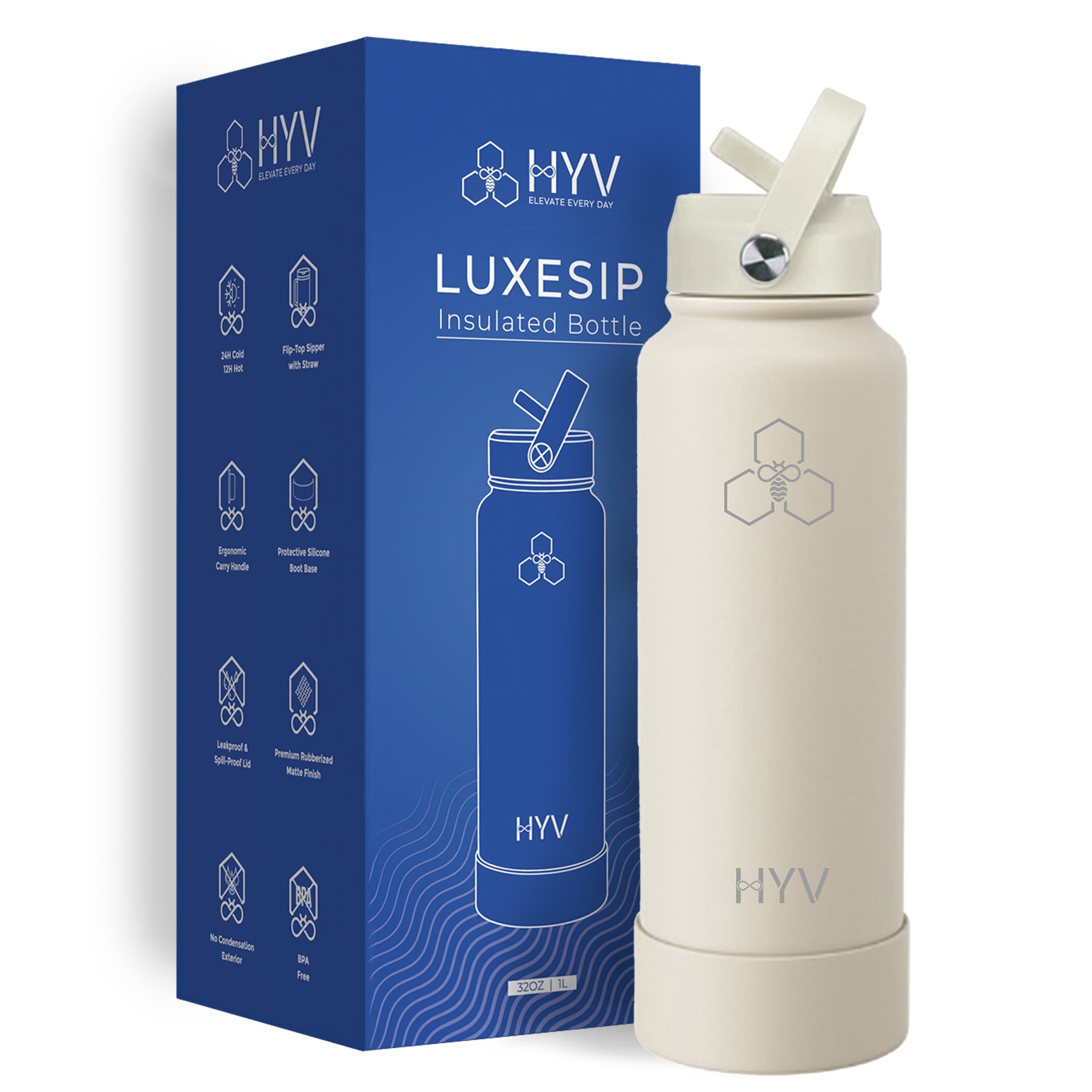
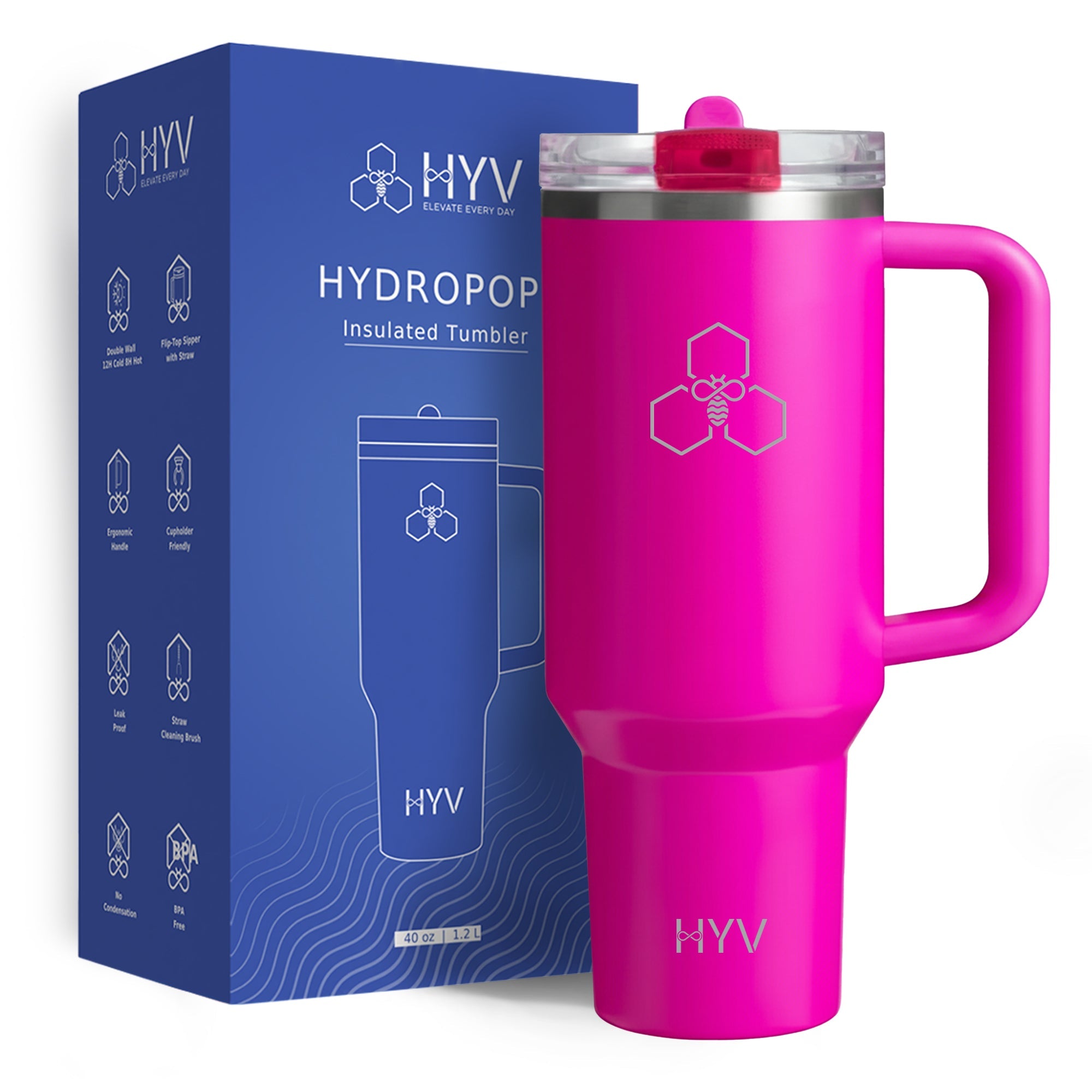
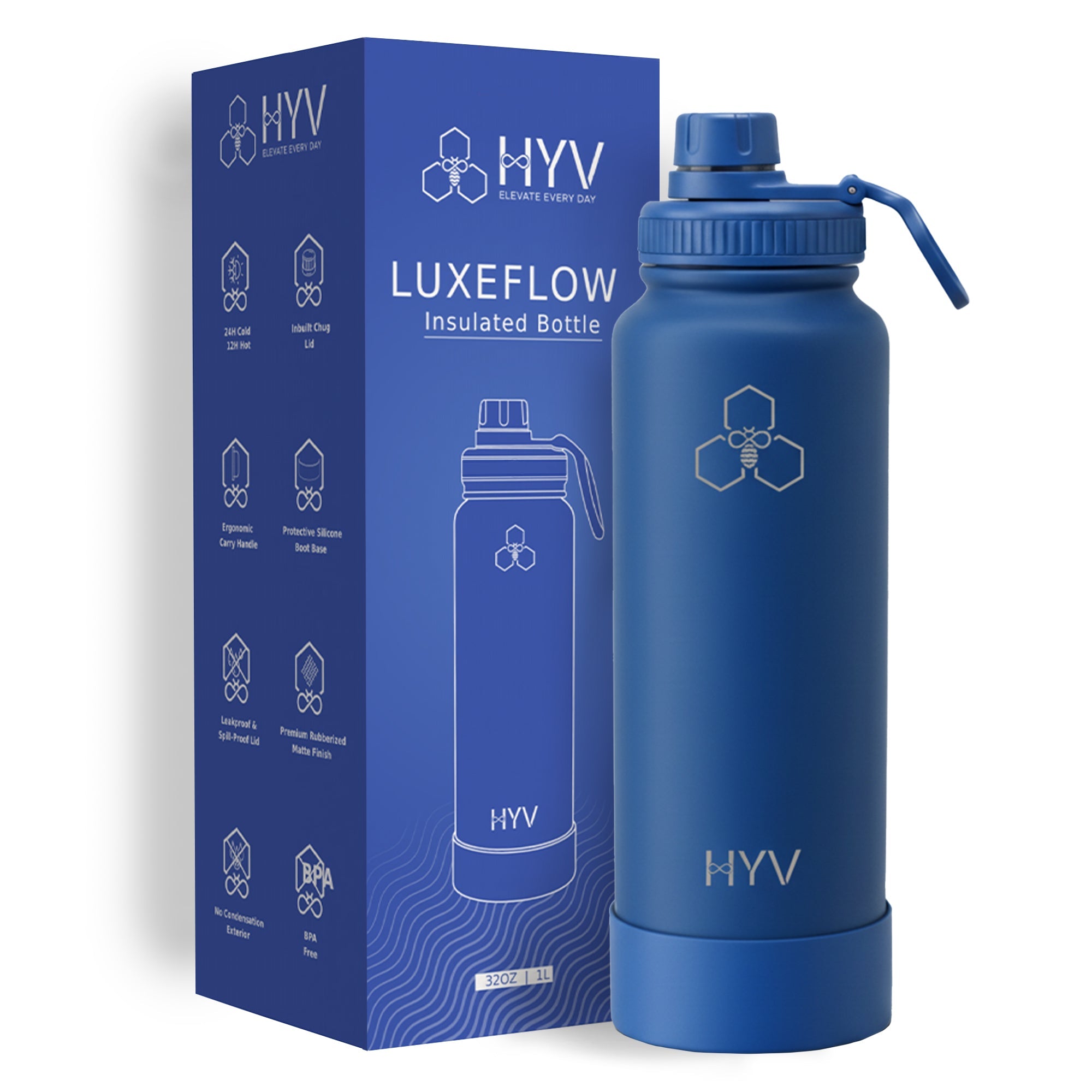
Three models worth looking at for this, photographed as they ship. Prices are the direct price on livehyv.com.


Shop HYV insulated water bottles →
Free shipping on orders over ₹499 · 7-day free replacement for product issues. HYV makes BIS-certified bottles.
The three filter types and what each actually does
| Type | Removes | Does NOT remove | Price |
|---|---|---|---|
| Activated carbon | Chlorine, taste, odour, some organics | Bacteria, viruses, dissolved salts | ₹800-2,000 |
| Hollow-fibre membrane | Bacteria, protozoa, microplastics, sediment | Viruses, dissolved chemicals | ₹1,500-4,000 |
| UV-C light | Bacteria, viruses, protozoa (neutralised) | Sediment, chemicals, heavy metals | ₹12,000-15,000 |
The mistake people make
Buying a carbon filter bottle and treating it as a safety device. Carbon improves how water tastes; it does not sterilise it. If you are filling from a source you would not otherwise drink, carbon will not protect you. Conversely, a hollow-fibre trekking filter makes stream water microbiologically safe but does nothing about dissolved chemicals or salinity.
Picks by use case
- City tap water, taste improvement — carbon filter bottle, ₹800-2,000. Brands on Amazon India: Brita-style filter bottles, Aquasure filter bottles.
- Trekking and unknown water sources — LifeStraw Go 650ml, ₹2,500-4,000. Hollow-fibre membrane, the category standard.
- International travel, microbiological uncertainty — Larq PureVis 500ml, ₹12,000-15,000. UV-C self-cleaning.
- Home, comprehensive treatment — an RO system (₹15,000-25,000) plus a plain insulated bottle. Nothing bottle-sized matches RO for dissolved solids.
Cartridge cost — the part people forget
Filter bottles have a running cost. Carbon cartridges last 40-150 litres and cost ₹300-600 each. Hollow-fibre membranes last far longer (1,000-4,000 litres) but cost ₹800-1,500 to replace. Over three years, cartridges often cost more than the bottle. Factor that in before choosing a filter bottle over a home RO plus a plain insulated bottle.
The everyday alternative
For daily use in an Indian home or office with treated water, a plain BIS-certified insulated steel bottle is the better buy — no cartridges, no running cost, and 24h cold retention that a filter bottle does not offer. HYV LuxeSip 1L, ₹1,699. See best insulated water bottles India 2026.
Frequently Asked Questions
Do filter water bottles actually work?
Depends on type. Carbon filters improve taste only. Hollow-fibre membranes remove bacteria and protozoa. UV bottles neutralise microbes. None remove dissolved salts.
Is a carbon filter bottle safe for unsafe water?
No. Carbon improves taste and reduces chlorine but does not remove bacteria or viruses. Use a hollow-fibre or UV bottle for questionable sources.
Which filter bottle is best for trekking in India?
LifeStraw Go 650ml (₹2,500-4,000) — hollow-fibre membrane removes bacteria and protozoa from stream water.


Leave a comment
This site is protected by hCaptcha and the hCaptcha Privacy Policy and Terms of Service apply.