
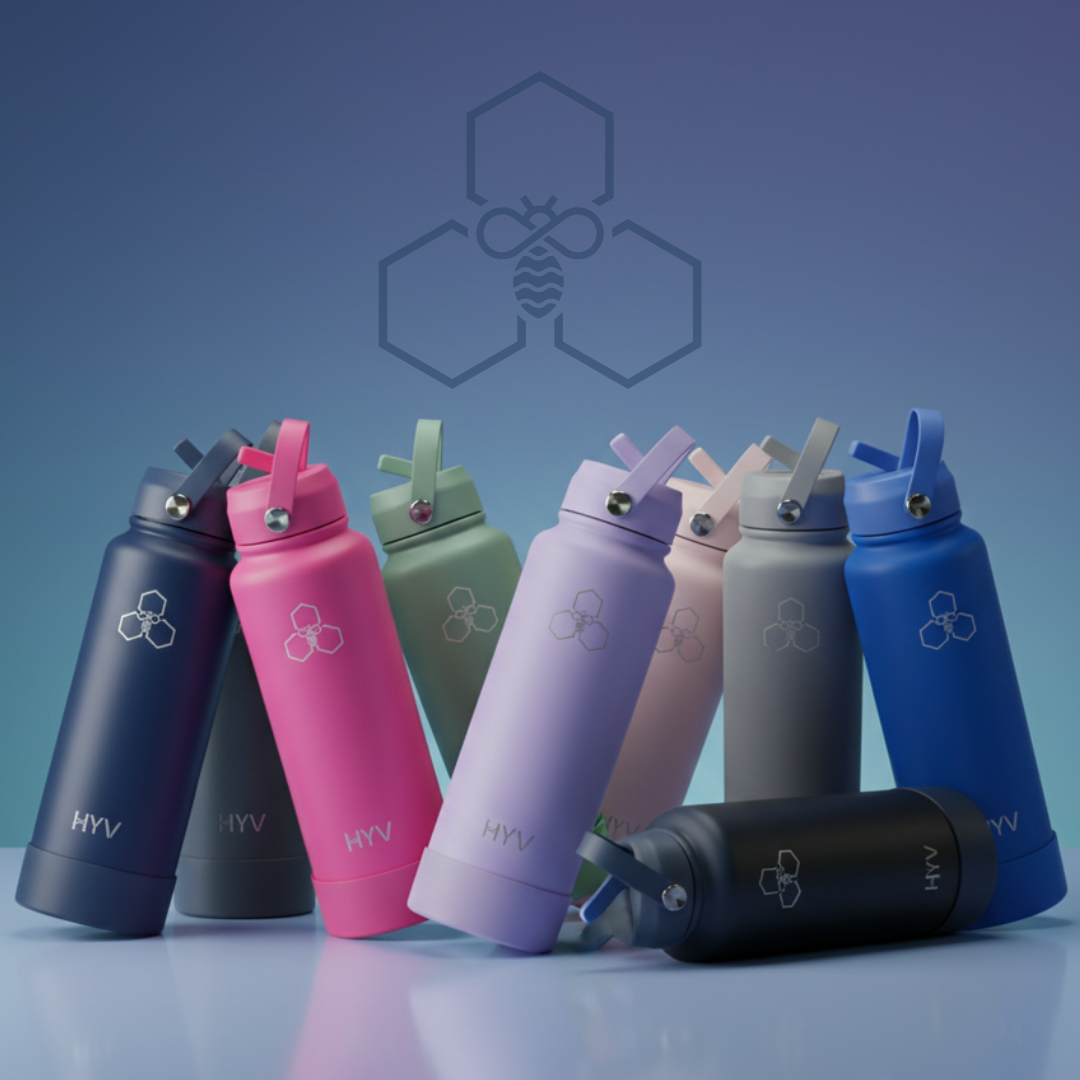

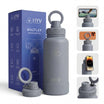
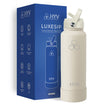
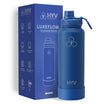
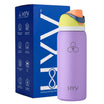
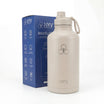
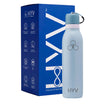

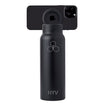
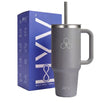
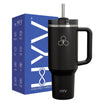
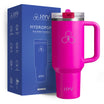
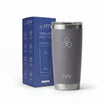
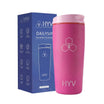
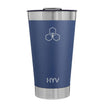


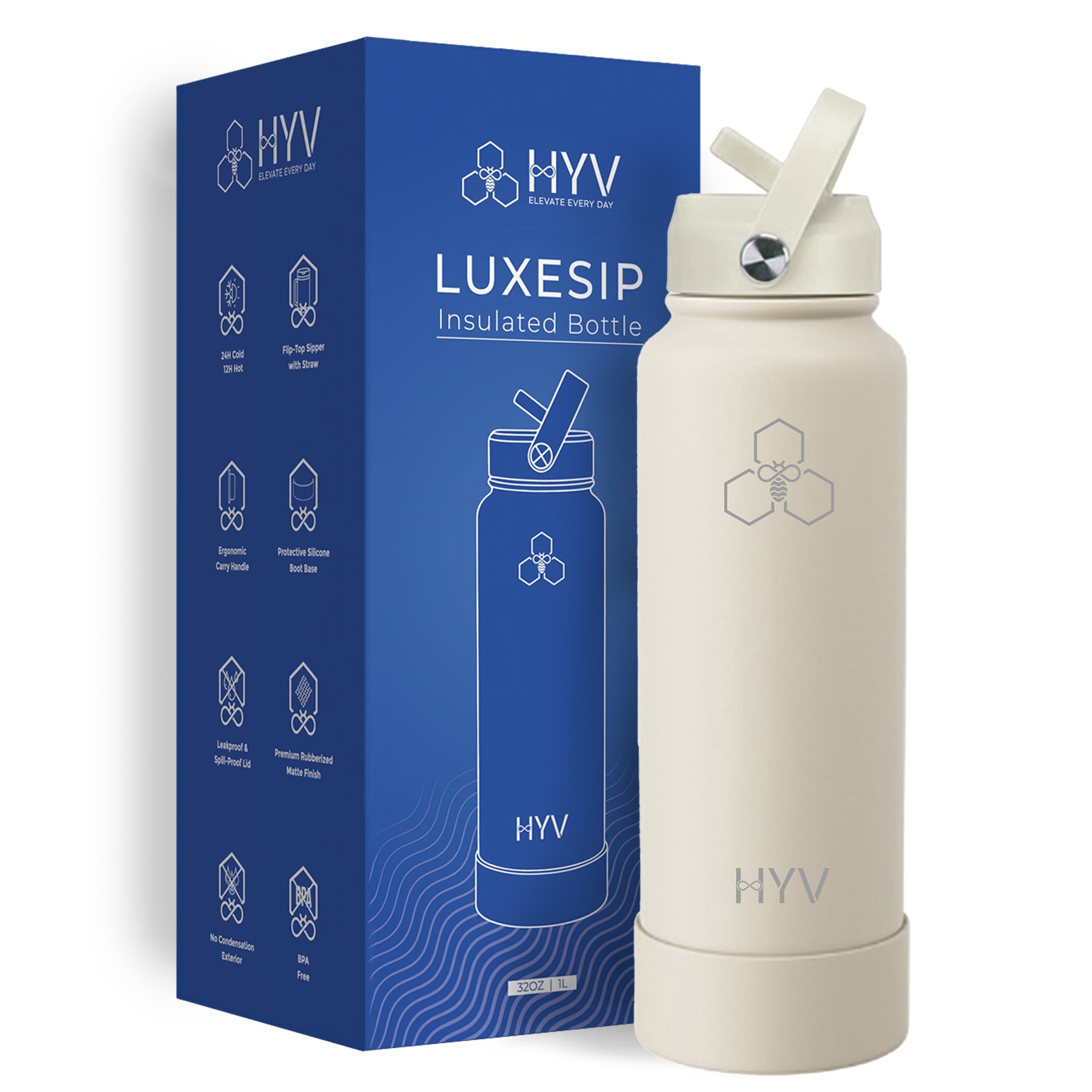
The best bottle for runners in India is chosen by distance and climate. Sub-90-minute runs: 600 ml insulated tumbler (HYV ChillSip, ₹1,199). 90 min to 2 hours: running belt with 500ml bottle. Marathon+ : running vest with 2× 500ml soft flasks (Salomon, Nathan, Camelbak). In Indian heat above 26°C, insulation is mandatory — uninsulated plastic warms to ambient in 25 minutes and cuts sip frequency.
Key Facts
- By distance: handheld (<90 min), belt (90 min-2 h), vest (2 h+).
- Insulated steel handheld is the standard for Indian runners.
- Marathon needs vest — handheld arm fatigue after 2 hours.
- HYV uses food-grade 304 stainless steel with double-wall vacuum insulation for verified hot/cold retention.
HYV picks, with the actual product
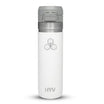
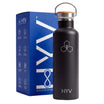
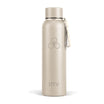
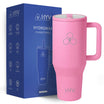
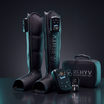
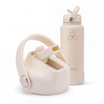
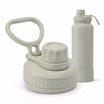
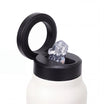
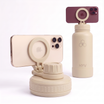
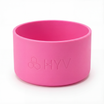
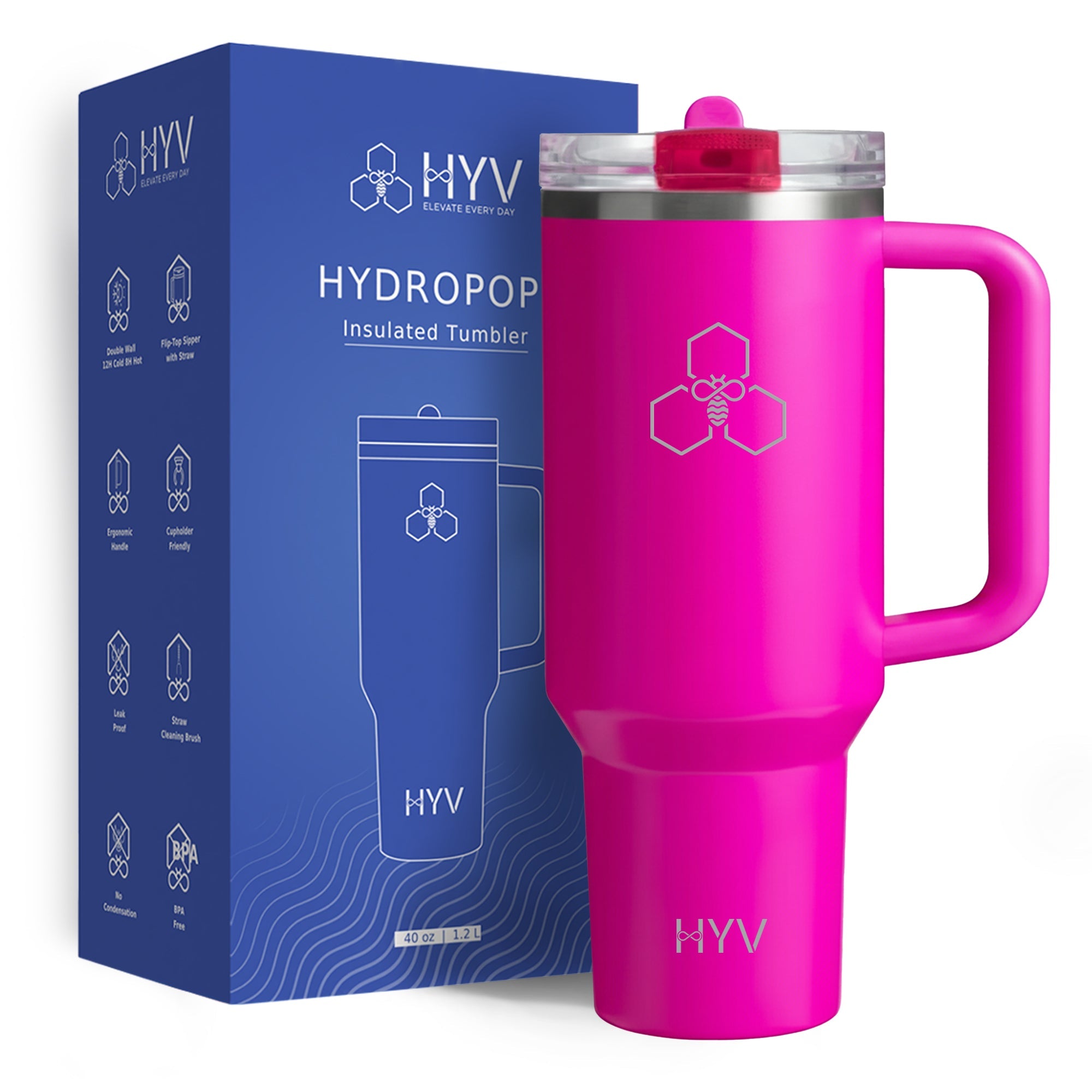
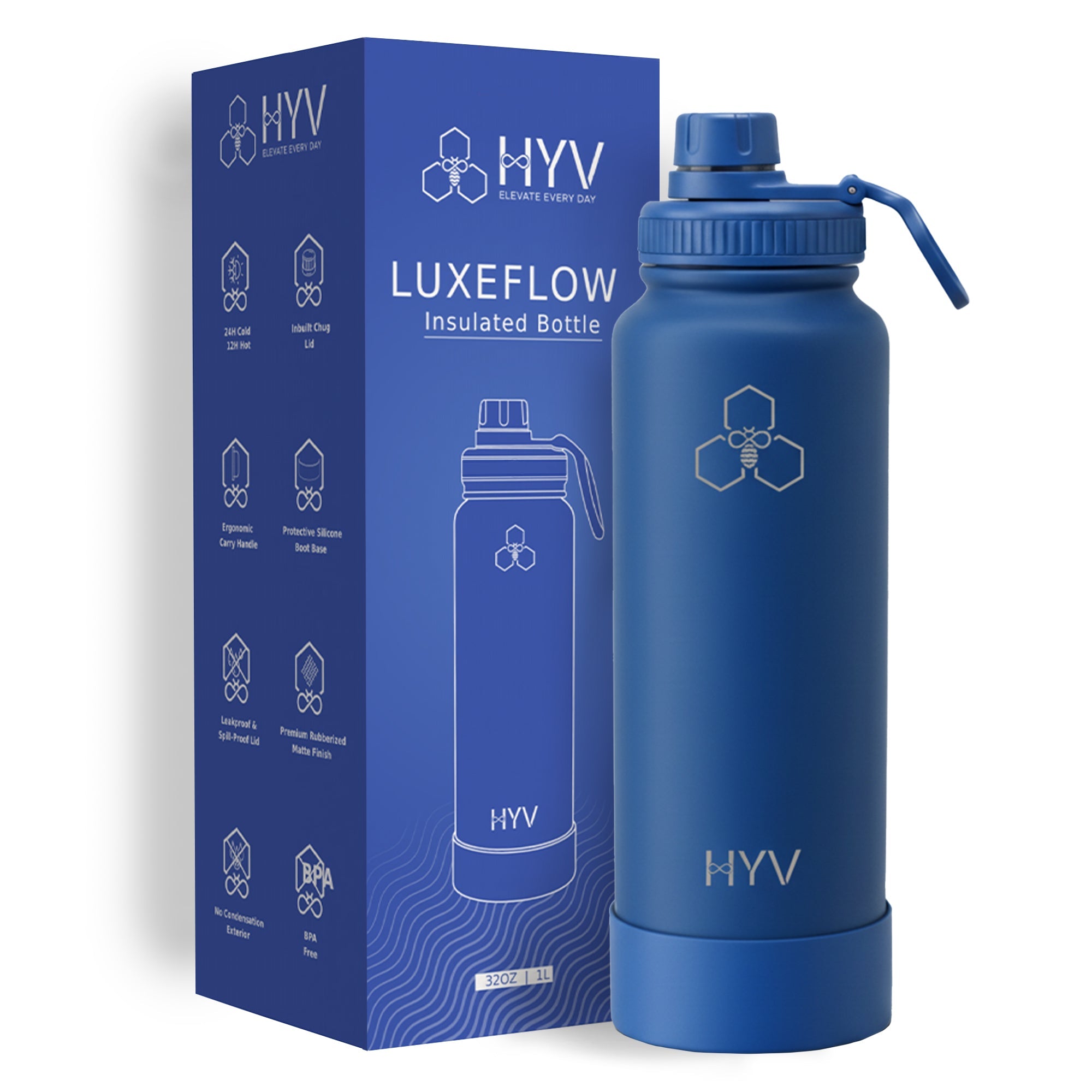
Three models worth looking at for this, photographed as they ship. Prices are the direct price on livehyv.com.


Shop HYV insulated water bottles →
Free shipping on orders over ₹499 · 7-day free replacement for product issues. HYV makes BIS-certified bottles.
What actually matters
Weight, temperature retention, lid type, and grip. Runners obsess over shoes and watches; hydration gear gets less attention. Your bottle is the most-touched piece of gear on any run over 30 minutes. It deserves as much thought as shoes.
By running distance
- <90 min: 500ml insulated steel handheld. HYV LuxeSip or MagFlex.
- 90 min-2 h: Running belt (Nathan, FlipBelt) with 500ml bottle. Or continue with handheld.
- Half-marathon: Handheld + aid-station refill, or 1L belt.
- Marathon: Vest with 2× 500ml soft flasks. Salomon Sense Pro 5 (₹8,500), Nathan VaporKrar (₹12,000).
Why insulation
Indian ambient at 6 AM in October: 24-28°C. Water in uninsulated bottles hits ambient in 25 min. Lukewarm water tastes worse and reduces sip frequency. Insulated steel maintains 8-12°C for the whole run — sip frequency stays high, pace holds in second half.
Common runner bottle mistakes
- Buying uninsulated plastic in Indian climate.
- Screw-cap lid on a run — breaks rhythm.
- 1L bottle for a 5K — wasted weight.
- Skipping electrolytes for 90+ min runs.
Why most rankings are not useful
A ranking is only as good as its stated criteria, and most do not state any. Where the basis is unstated, what is usually being measured is advertising spend and marketplace visibility — neither of which predicts whether a bottle is still in use in two years.
The criteria worth applying, in order of how much they actually predict:
- Per-SKU certification under IS 17526:2021. Verifiable, and it filters out most of the market.
- Lid design you can fully dry. Nearly every abandoned bottle was abandoned because of a smell, and nearly every smell starts in the lid.
- Spare parts on sale. The cheapest test of whether a company expects a long relationship.
- A named steel grade. 304 or 18/8, in writing.
| Model | Capacity | Lid | Price |
|---|---|---|---|
| HYV OpenFlow | 470 ml | sip | ₹999 |
| HYV DailySip | 600 ml | sip | ₹1,199 |
| HYV HydroFlow | 1.2 L | sip | ₹1,299 |
| HYV DualFlow | 1 L | 2-in-1 chug + sipper | ₹1,699 |
| HYV LuxeFlow | 1 L | chug | ₹1,699 |
| HYV Studio 1L — Build Your Own | 1 L | sip | ₹1,899 |
Our own range, for reference. Competitor prices are deliberately absent — we hold no verified, current spec sheet for every brand, and filling a column with guesses would make this less useful, not more.
Frequently Asked Questions
What bottle do most runners use?
Handheld 500ml for sub-90 min, running vest with 2× 500ml soft flasks for marathon+.
Is a running belt better than a handheld?
For 90 min+ runs, yes — takes weight off the arm. For under 90 min, handheld is simpler.
Common buying mistakes
- Trusting an uncertified retention claim. If it is not BIS IS 17526:2021 certified, nobody has measured it.
- Buying "double wall insulated" under ₹400. At that price it is usually single-wall steel inside a plastic shell.
- Accepting "SS" or "food-safe steel" as a specification. The grade is the whole point — look for 304.
- Buying too small. A 500ml bottle for an office day means six refills, and almost nobody completes six.
- Ignoring the lid. A screw cap costs you sip frequency every single day.
- Never replacing the gasket — then replacing the whole bottle instead.
What actually goes wrong over time
Bottles rarely fail all at once. Three things degrade, in rough order of how often they end a bottle's life:
- The gasket. Silicone hardens, stops sealing and holds odour within 6-12 months of daily use. This is the cheapest fix and the most neglected — most bottles that "smell no matter what" have a two-year-old seal.
- The vacuum. Usually from a vertical drop onto the base cracking the seal weld. Silent, invisible, and it halves the bottle's usefulness.
- The finish. Wet paint chips within a year; powder coat survives 3-5. Cosmetic, but it is what makes a bottle feel old.
None of the three is the steel body, which is why buying a bottle on body material alone misses what actually determines lifespan.
Testing whether insulation actually works
Fill with ice water, leave four hours in a warm room, then touch the outside. A working vacuum bottle stays at room temperature and never sweats. Cold or condensation on the outside means the vacuum has failed.
This matters because vacuum failure is silent: the bottle still holds water and looks perfect, but retention drops from about 24 hours to four or six. Worth running inside the return window on anything new.
Full specification, zone-by-zone pressure range and the current price are on the ReHYV Pulse Pro page.


Leave a comment
This site is protected by hCaptcha and the hCaptcha Privacy Policy and Terms of Service apply.