

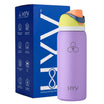
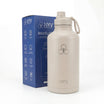
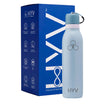

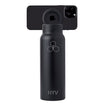
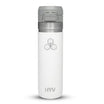
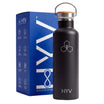
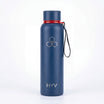
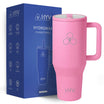
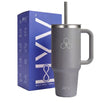
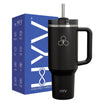
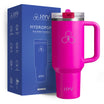
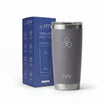
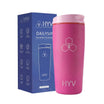
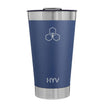
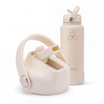
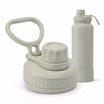

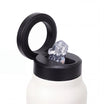
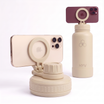

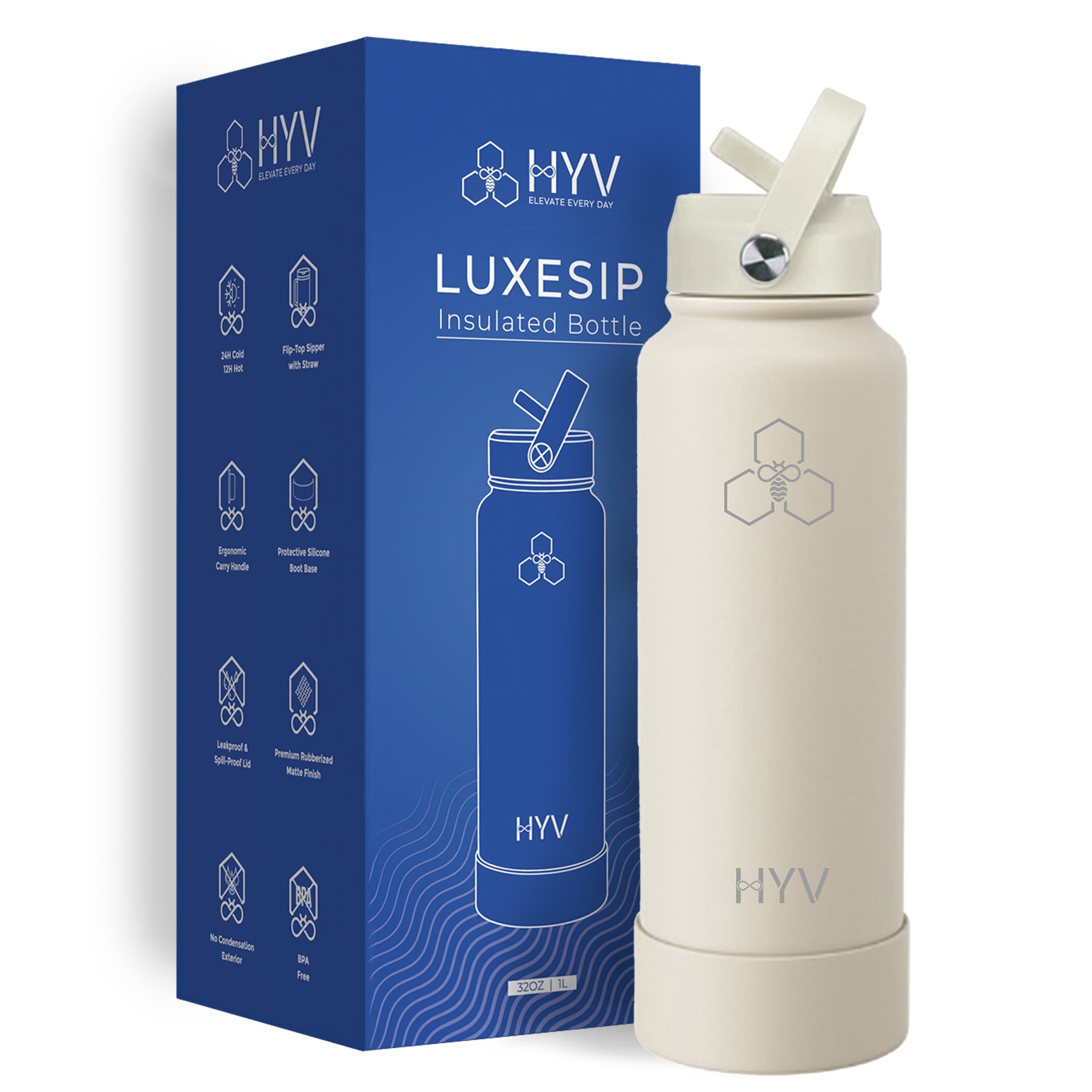
The best jogging water bottle for daily 3-8K jogs in India is a 500ml insulated steel handheld with a bite-valve or straw lid — HYV CoreFlow 750ml (₹899) or HYV FlipFlow 750ml (₹999) — HYV does not make a 500 ml bottle, and 750 ml is its smallest. Insulated because in Indian heat above 26°C, uninsulated plastic warms to ambient in 25 minutes; steel stays cool for the whole jog. 500ml because jogs under 45 min don't need more, and larger bottles fatigue the carrying arm.
Key Facts
- Jogging bottle should be 500ml handheld — larger fatigues the arm.
- Insulation is critical above 26°C ambient.
- Bite-valve or straw lid — no screw caps mid-jog.
- Top pick: HYV CoreFlow 750ml (₹899).
HYV picks, with the actual product
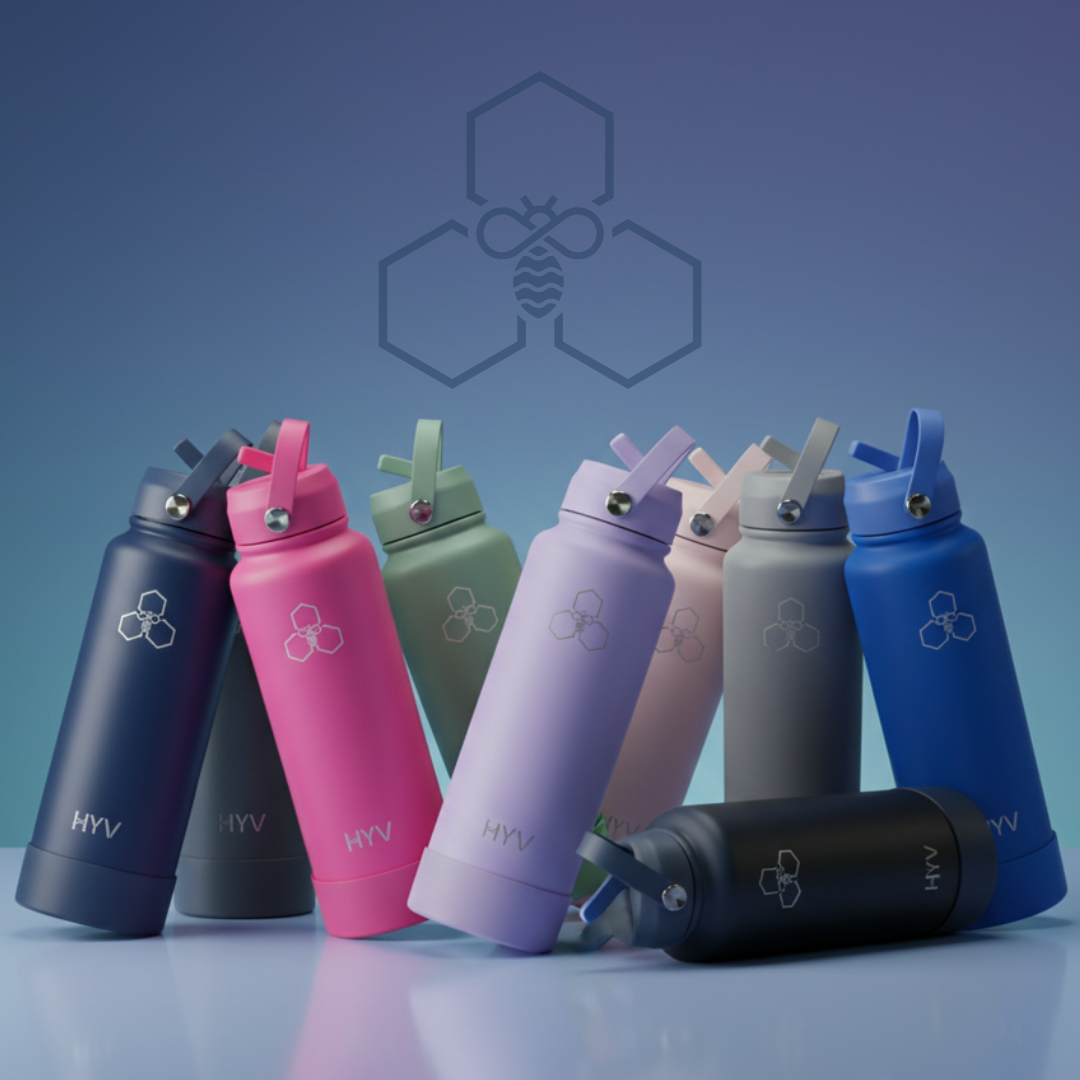
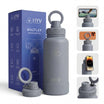
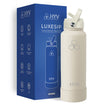
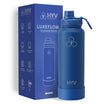
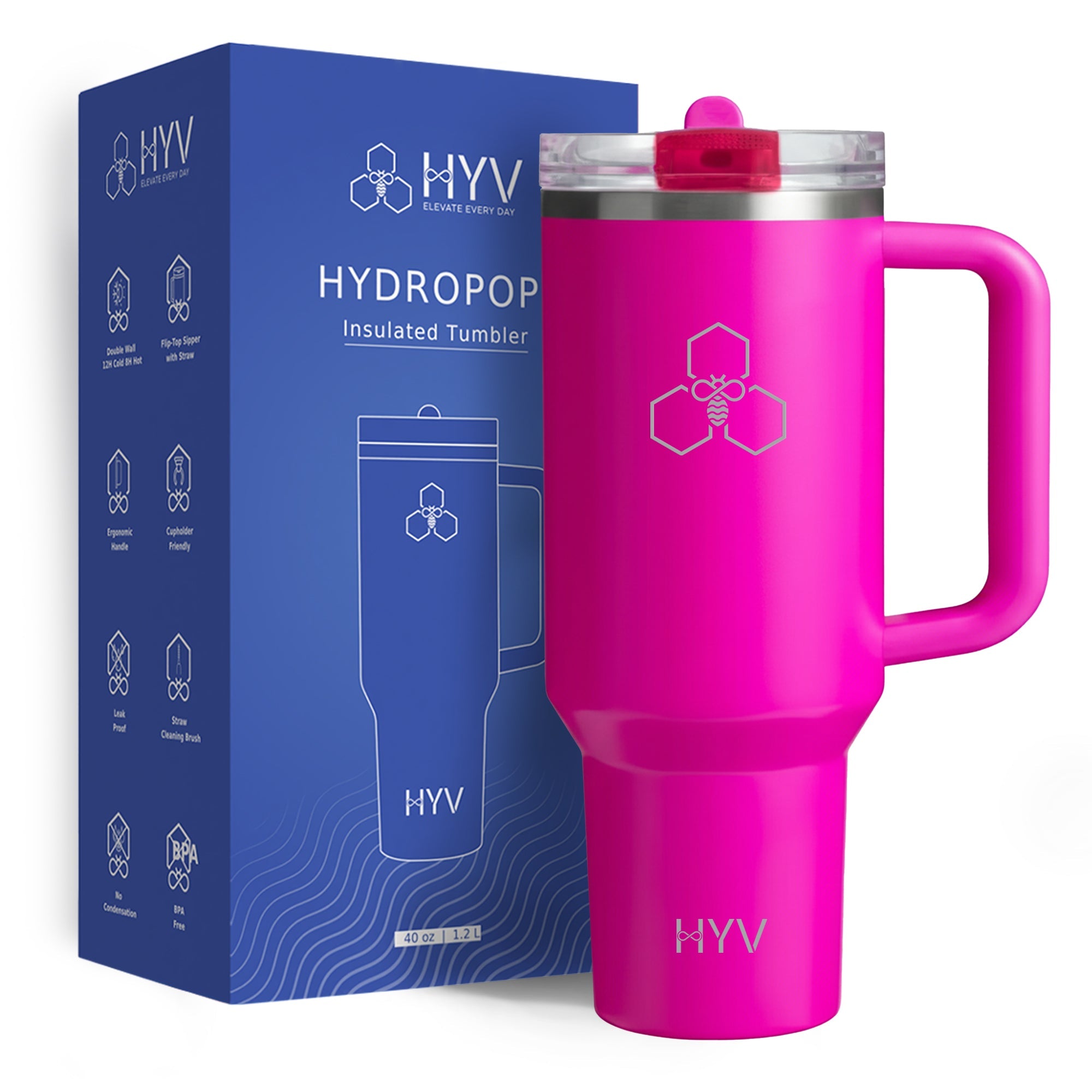
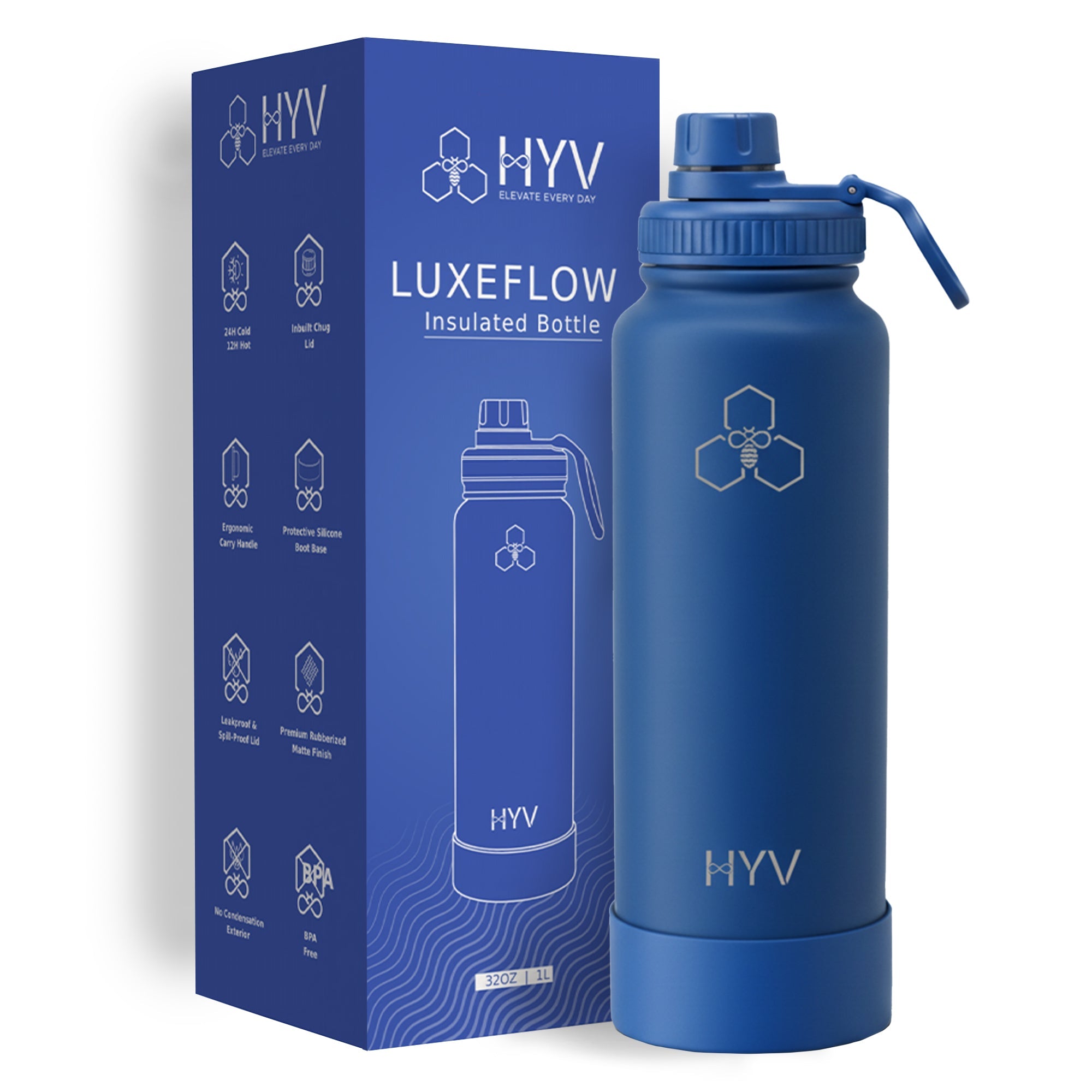
Three models worth looking at for this, photographed as they ship. Prices are the direct price on livehyv.com.


Shop HYV insulated water bottles →
Free shipping on orders over ₹499 · 7-day free replacement for product issues. HYV makes BIS-certified bottles.
Why 500ml handheld
Daily jogs are typically 3-8K, 20-45 minutes. Hydration need at that duration: 200-400ml. A 500ml handheld covers this with margin. Larger (750ml, 1L) adds carry weight (300g vs 220g full) that measurably affects gait over 30+ minutes.
Why insulated steel
In Indian heat, uninsulated plastic warms to ambient temperature within 25 minutes. Lukewarm water is unpleasant to sip; sip frequency drops. Insulated steel stays at 8-12°C for the whole jog. Weight penalty: ~30g. Worth it.
Lid choice
Straw or bite-valve lids allow one-handed sipping without breaking rhythm. HYV LuxeSip uses a 2-in-1 straw + spout combo. Screw caps are wrong for jogging — they require two hands and cost tempo.
Top India picks 2026
- HYV CoreFlow 750ml — ₹899.
- HYV FlipFlow 750ml — ₹999 — quick-flip, one-handed.
- Milton Thermosteel Flip Lid 500ml — ₹700.
What a ranking should actually be measured on
Most "best" lists rank on brand recognition. These are the checks that predict whether you will still be using a bottle in two years, and all of them are verifiable before you buy.
- Certification per SKU. BIS IS 17526:2021 is granted per product, not per brand — ask which models hold it.
- Named steel grade. Food-grade 304 on the inner wall, stated rather than implied.
- A lid that dries. Bottles fail at the lid, not the body. If you cannot reach every surface, it will develop a smell.
- Spares on sale. A brand selling replacement lids expects the bottle to outlive them.
| Model | Capacity | Lid | Price |
|---|---|---|---|
| HYV OpenFlow | 470 ml | sip | ₹999 |
| HYV DailySip | 600 ml | sip | ₹1,199 |
| HYV DualFlow Slim | 750 ml | 2-in-1 chug + sipper | ₹1,299 |
| HYV DualFlow | 1 L | 2-in-1 chug + sipper | ₹1,699 |
| HYV LuxeFlow | 1 L | chug | ₹1,699 |
| HYV MaxFlow | 2 L | sip | ₹2,499 |
Our own range, for reference. Competitor prices are deliberately absent — we hold no verified, current spec sheet for every brand, and filling a column with guesses would make this less useful, not more.
Frequently Asked Questions
What size water bottle is best for jogging?
500ml handheld — enough for typical 3-8K daily jogs, light enough to not affect gait.
Do I need insulation for a jogging bottle?
Yes in Indian heat. Uninsulated plastic warms to lukewarm in 25 min and sip frequency drops.
Price tiers and what each genuinely buys in India
| Tier | What you get | What you give up |
|---|---|---|
| Under ₹400 | BPA-free plastic, sports and school bottles | All insulation; 2-3 year life |
| ₹400-800 | Entry insulated steel, basic double-wall | Certification; vacuum often fails in 12-24 months |
| ₹800-1,200 | Mainstream insulated from established brands | Full-range certification; premium lid engineering |
| ₹1,200-2,000 | Engineered lids, powder-coat finish, real warranty | Little — this is the value sweet spot |
| ₹2,500-6,000 | Imported premium; brand cachet, refined lids | Roughly 3x the price for equivalent retention |
Retention is physics and converges across properly built bottles. What the imported tier buys is brand, colour drops and lid refinement — not more hours of cold.
What actually goes wrong over time
Bottles rarely fail all at once. Three things degrade, in rough order of how often they end a bottle's life:
- The gasket. Silicone hardens, stops sealing and holds odour within 6-12 months of daily use. This is the cheapest fix and the most neglected — most bottles that "smell no matter what" have a two-year-old seal.
- The vacuum. Usually from a vertical drop onto the base cracking the seal weld. Silent, invisible, and it halves the bottle's usefulness.
- The finish. Wet paint chips within a year; powder coat survives 3-5. Cosmetic, but it is what makes a bottle feel old.
None of the three is the steel body, which is why buying a bottle on body material alone misses what actually determines lifespan.
How the insulation actually works
Heat moves three ways, and a vacuum bottle blocks each differently. Conduction and convection both need molecules to carry heat — removing the air between the two steel walls eliminates both. Radiation needs no medium, so a reflective copper coating on the outer face of the inner wall bounces it back.
What remains is a slow leak at the neck, where the walls must physically join, and through the lid, which contains no vacuum at all. That is why two bottles with identical vacuum quality can differ by hours: the lid is usually the weakest thermal link.
It also explains three habits that measurably change results: pre-chill or pre-heat the empty bottle for a minute before filling, fill to the top so there is less air inside to convect heat, and keep the lid closed — most heat gain happens at the open neck.


Leave a comment
This site is protected by hCaptcha and the hCaptcha Privacy Policy and Terms of Service apply.