

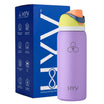
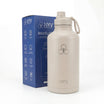
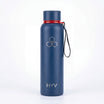
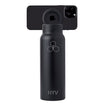
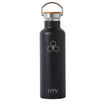
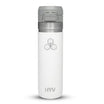
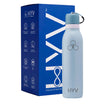
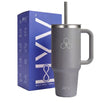
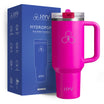
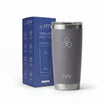
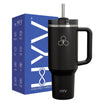
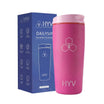
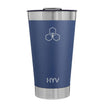

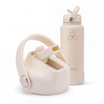
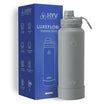
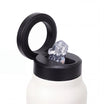
A running water bottle should be light, leak-proof, one-handed to open, and 500–750 ml for short runs (up to 90 minutes) or vest-mounted for anything longer. In India’s heat, insulation matters — a warm run needs cold water. Steel is heavier than plastic but survives drops and keeps water cold.
Key Facts
- Handheld bottles (500 ml) work up to ~90 minutes; go vest/belt beyond that.
- Leak-proof lid is non-negotiable — a wet shoe ends a run.
- A soft-mouth or straw lid lets you sip without breaking stride.
- Insulation matters in Indian heat — warm water tastes worse than nothing.
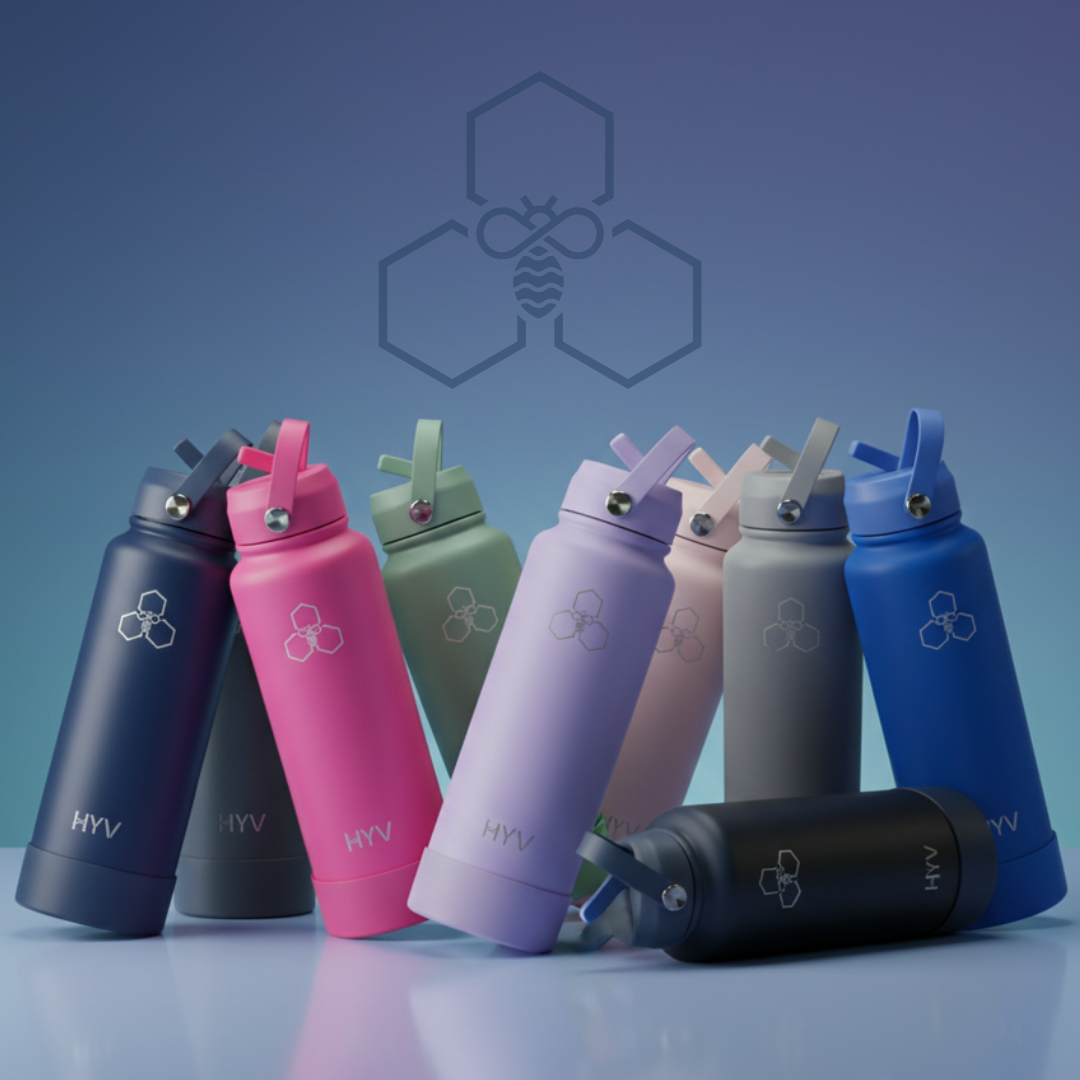
- HYV uses food-grade 304 stainless steel with double-wall vacuum insulation for verified hot/cold retention.
Handheld vs vest vs belt
Handheld: simplest, fine up to 90 minutes, tires the grip. Vest: two 500 ml soft flasks up front, best for long runs. Belt: 250–500 ml bottles around the waist, good for marathon training in Indian summer.
What matters on the run
- Leak-proof with a locked mechanism.
- One-handed open — you can’t stop to fiddle.
- Cool water — insulated steel or soft flask with cold water pre-freeze.
- Grip you don’t drop when sweaty.
For runners in India specifically
Start early, carry more than you think — 500 ml per hour above 30°C is a fair rule. See our gym bottle guide for insulated picks that work on the run too.
Frequently Asked Questions
How much water should I carry on a run?
Roughly 500 ml per hour of running in Indian heat; more above 30°C.
Insulated or soft flask for running?
Soft flask under 90 minutes for weight; insulated steel over 90 minutes for temperature.
Do handheld bottles leak?
A silicone-sealed lid doesn’t. A push-cap can — always test with a squeeze.

Leave a comment
This site is protected by hCaptcha and the hCaptcha Privacy Policy and Terms of Service apply.