

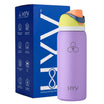
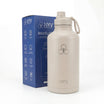
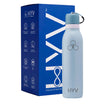

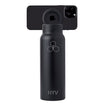
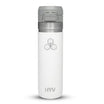
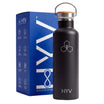
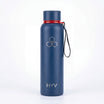
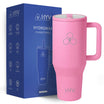
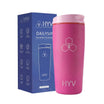
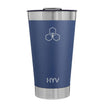
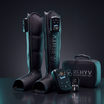
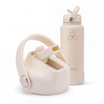


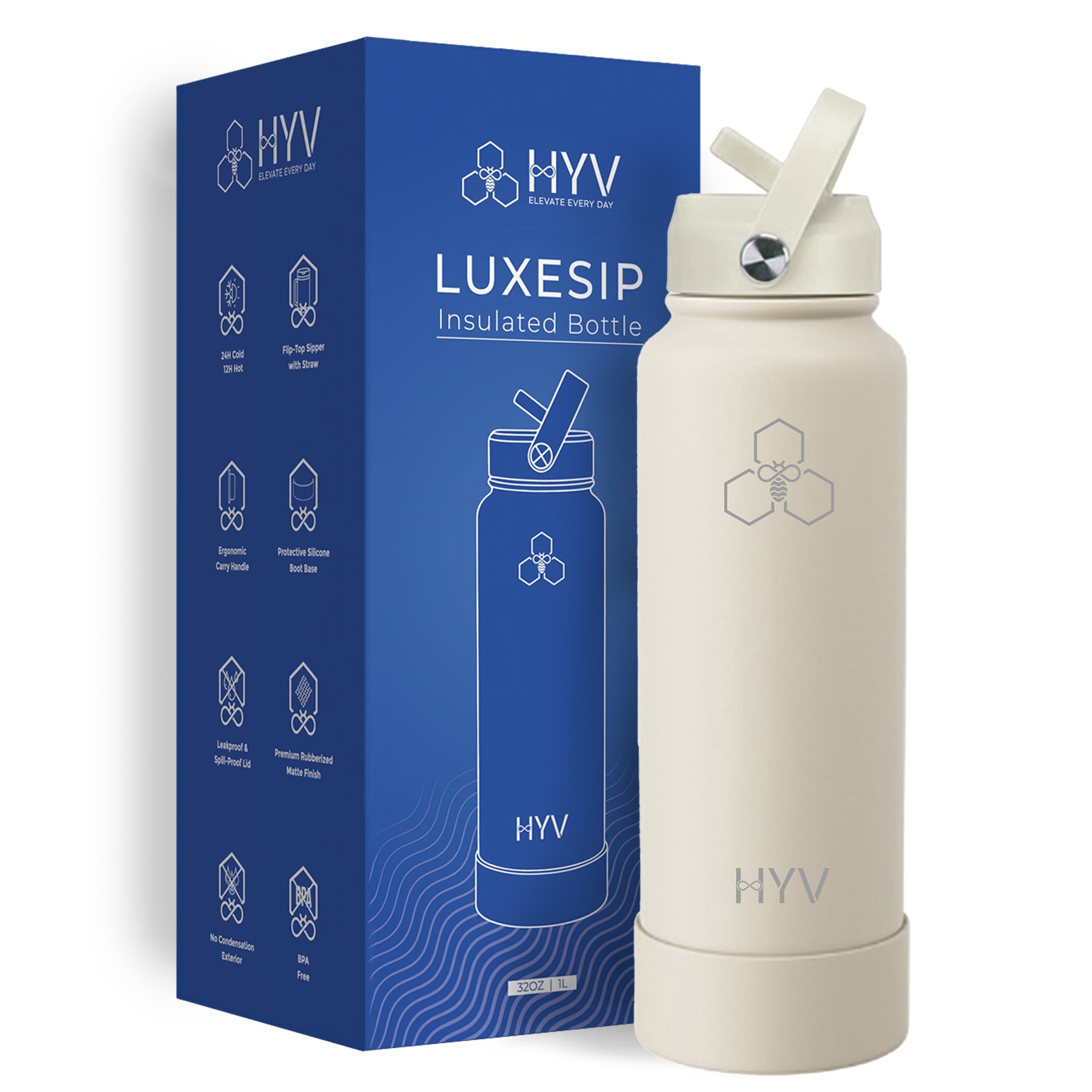
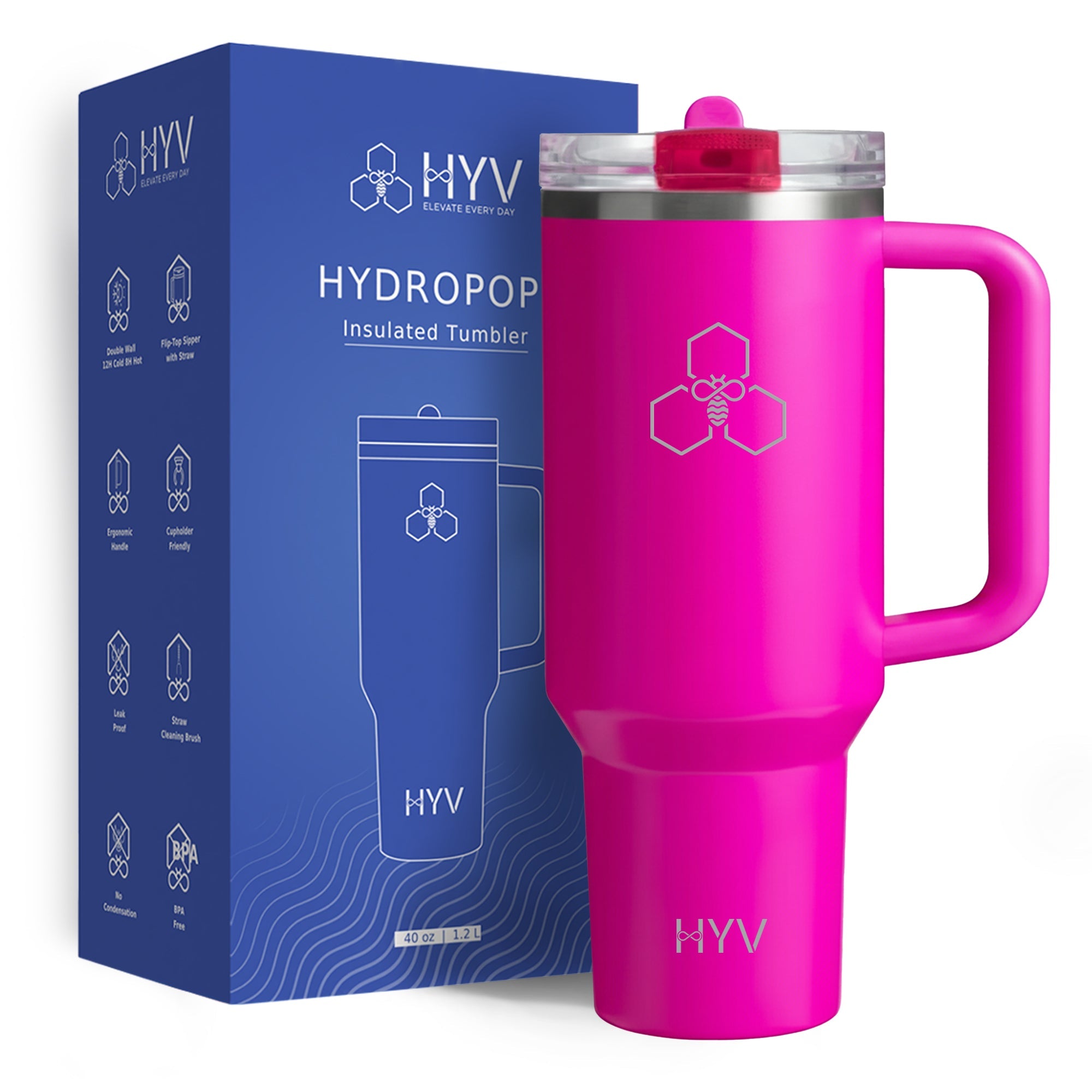
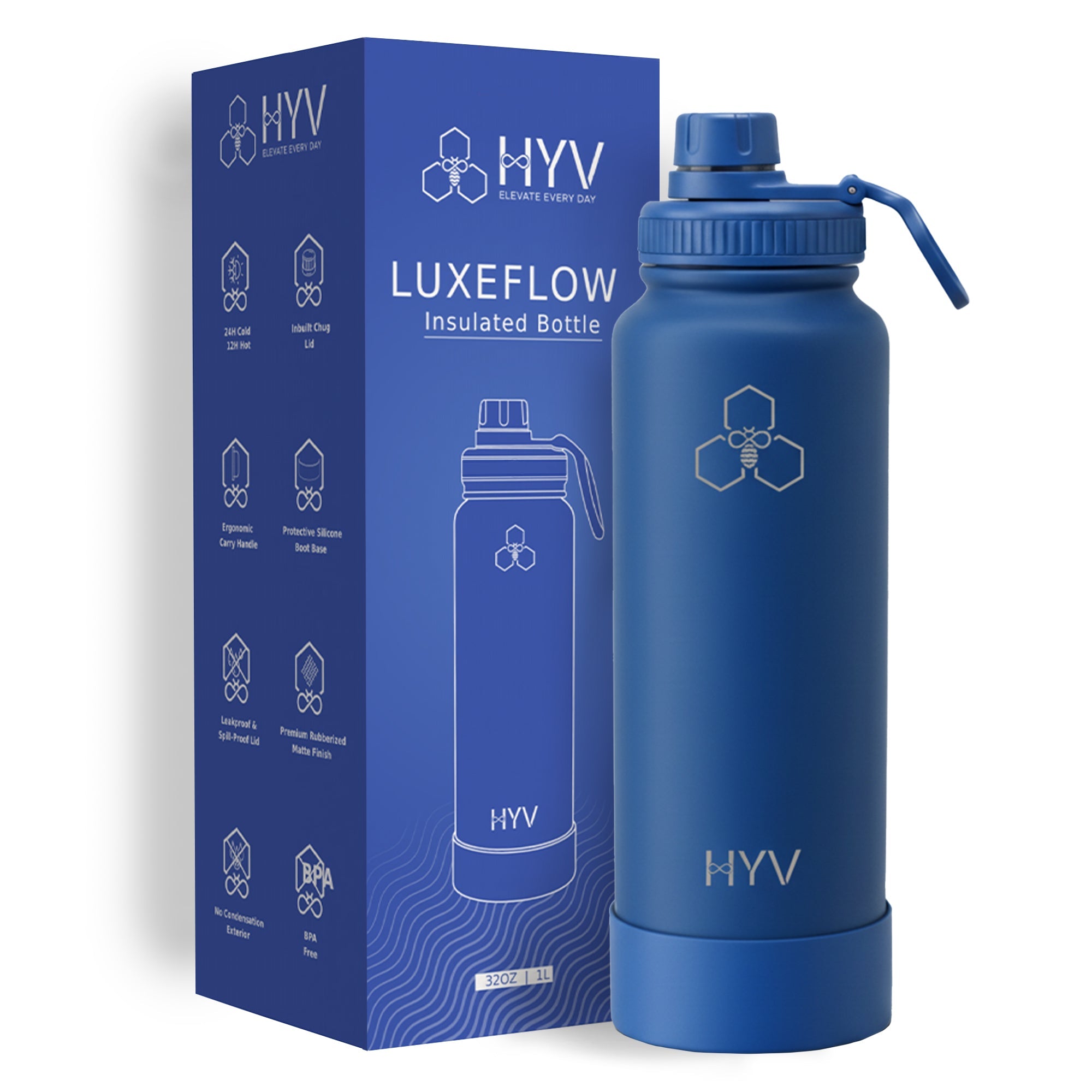
"Double wall vacuum insulated" means the bottle has two separate stainless steel walls with the air pumped out of the gap between them. Heat moves three ways — conduction, convection, and radiation. Removing the air kills conduction and convection because there are no molecules left to carry heat, and a reflective coating on the inner wall handles most of the radiation. What remains is a very slow leak through the neck and lid. That is why a properly built double-wall vacuum bottle holds cold for about 24 hours and hot for about 12.
Key Facts
- Two steel walls with the air removed from the gap between them.
- Vacuum eliminates conduction and convection; a reflective coating handles radiation.
- Remaining heat loss happens at the neck and lid — which is why lid design matters.
- Result: ~24h cold, ~12h hot when certified to BIS IS 17526:2021.
HYV picks, with the actual product
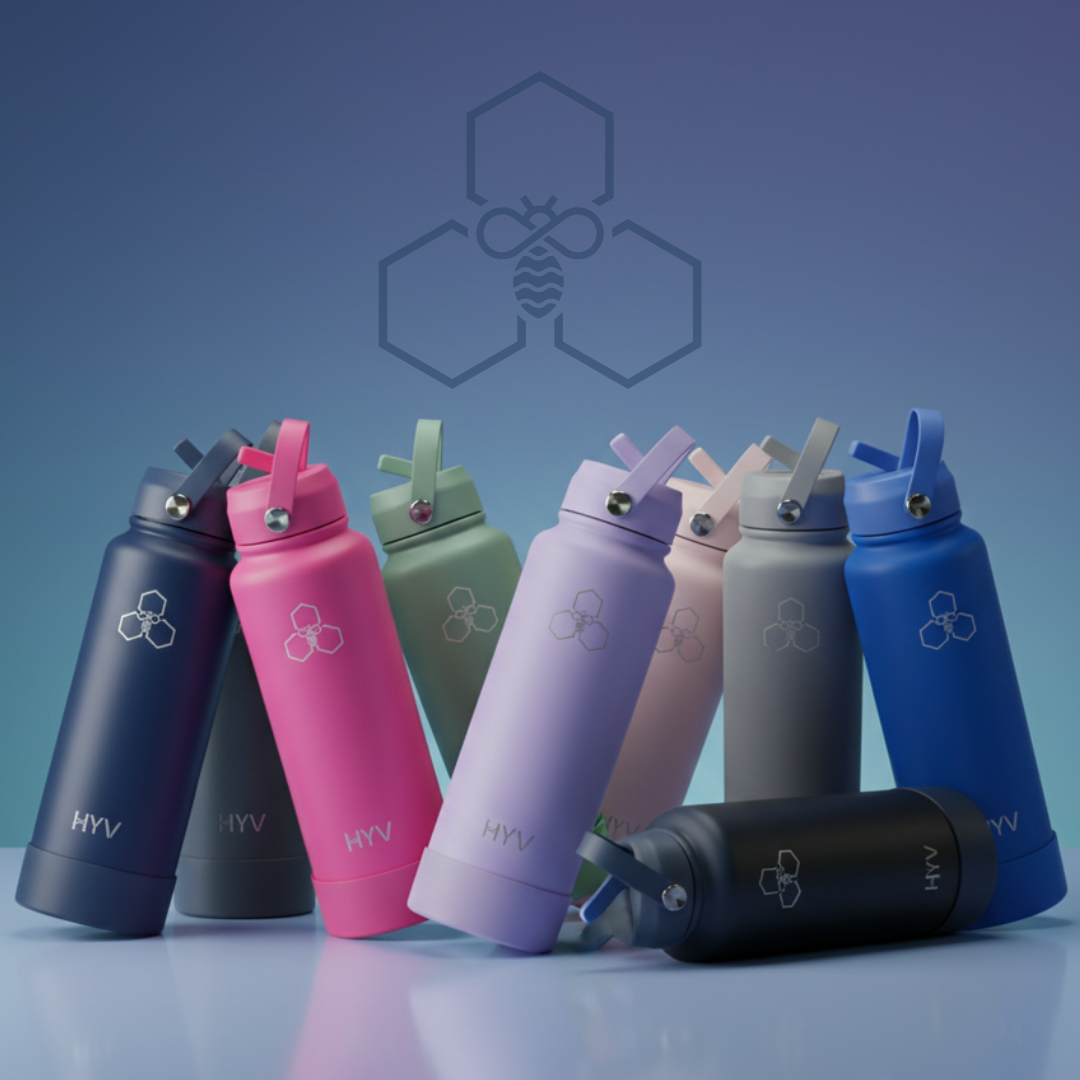
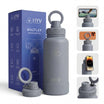
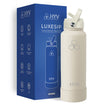
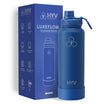
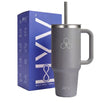
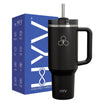
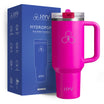
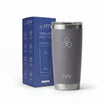
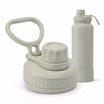
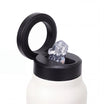
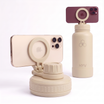
Three models worth looking at for this, photographed as they ship. Prices are the direct price on livehyv.com.


Shop HYV insulated water bottles →
Free shipping on orders over ₹499 · 7-day free replacement for product issues. HYV makes BIS-certified bottles.
The three ways heat moves
- Conduction — heat passing directly through touching material. Blocked by the vacuum: no molecules, no conduction path.
- Convection — heat carried by moving air or liquid. Blocked by the vacuum for the same reason.
- Radiation — heat travelling as infrared energy, which needs no medium. Handled by a reflective copper or silver coating on the outside of the inner wall, which bounces it back.
Where the heat still escapes
The neck and the lid. The two walls have to join somewhere, and at the neck they touch — that junction is a conduction bridge. The lid is plastic or steel with a gasket, and it has no vacuum at all. This is why two bottles with identical vacuum quality can differ by hours: the one with the thicker, better-sealed lid wins. It is also why filling a bottle to the top beats half-filling it — less air inside means less internal convection.
How to check your vacuum still works
- Fill with ice water and leave it for four hours in a warm room.
- Touch the outside. A working vacuum bottle stays at room temperature and never sweats.
- If the outside feels cold or shows condensation, the vacuum has failed — usually from a hard drop on the base that cracked the seal weld.
A failed-vacuum bottle still holds water safely; it just no longer insulates. Cold retention drops from about 24 hours to 4-6.
How to make yours last
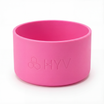
- Use a silicone base boot — most vacuum failures start with a base impact.
- Do not freeze an insulated steel bottle; expansion stresses the seal weld.
- Preheat or prechill: rinse with hot or ice water for a minute before filling, so the inner wall is not stealing energy from your drink.
- Fill to the top — trapped air inside speeds up heat transfer.
Verifying the claim before you buy
Any bottle can print "24 hours cold" on a label. BIS IS 17526:2021 is India's standard that actually tests it, along with material safety and leak-proofing. Look for the certification and CM/L number. See BIS IS 17526:2021 explained.
Related: the detailed guide.
Frequently Asked Questions
What does double wall vacuum insulated mean?
Two stainless steel walls with the air removed from the gap between them, which stops heat moving by conduction and convection. A reflective inner coating handles radiation.
How long does a double wall vacuum insulated bottle keep water cold?
About 24 hours cold and 12 hours hot when certified to BIS IS 17526:2021.
How do I know if my vacuum bottle has failed?
Fill it with ice water for four hours. If the outside gets cold or sweats, the vacuum is broken.


Leave a comment
This site is protected by hCaptcha and the hCaptcha Privacy Policy and Terms of Service apply.