

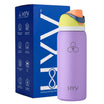
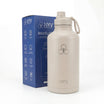
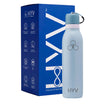

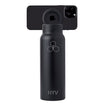





Under ₹100 you are buying single-wall plastic. That is genuinely fine for short-term, spare or one-off use, but it will not insulate, and thin plastic scratches quickly, which is where smells and staining start. Check for food-grade marking, a lid that seals, and a neck wide enough to clean.
Key Facts
- Under ₹100 means single-wall plastic — no insulation exists at this price.
- Thin plastic scratches, and scratches are where biofilm and smells anchor.
- A spare bottle at this price is a reasonable purchase; a daily bottle is a false economy.
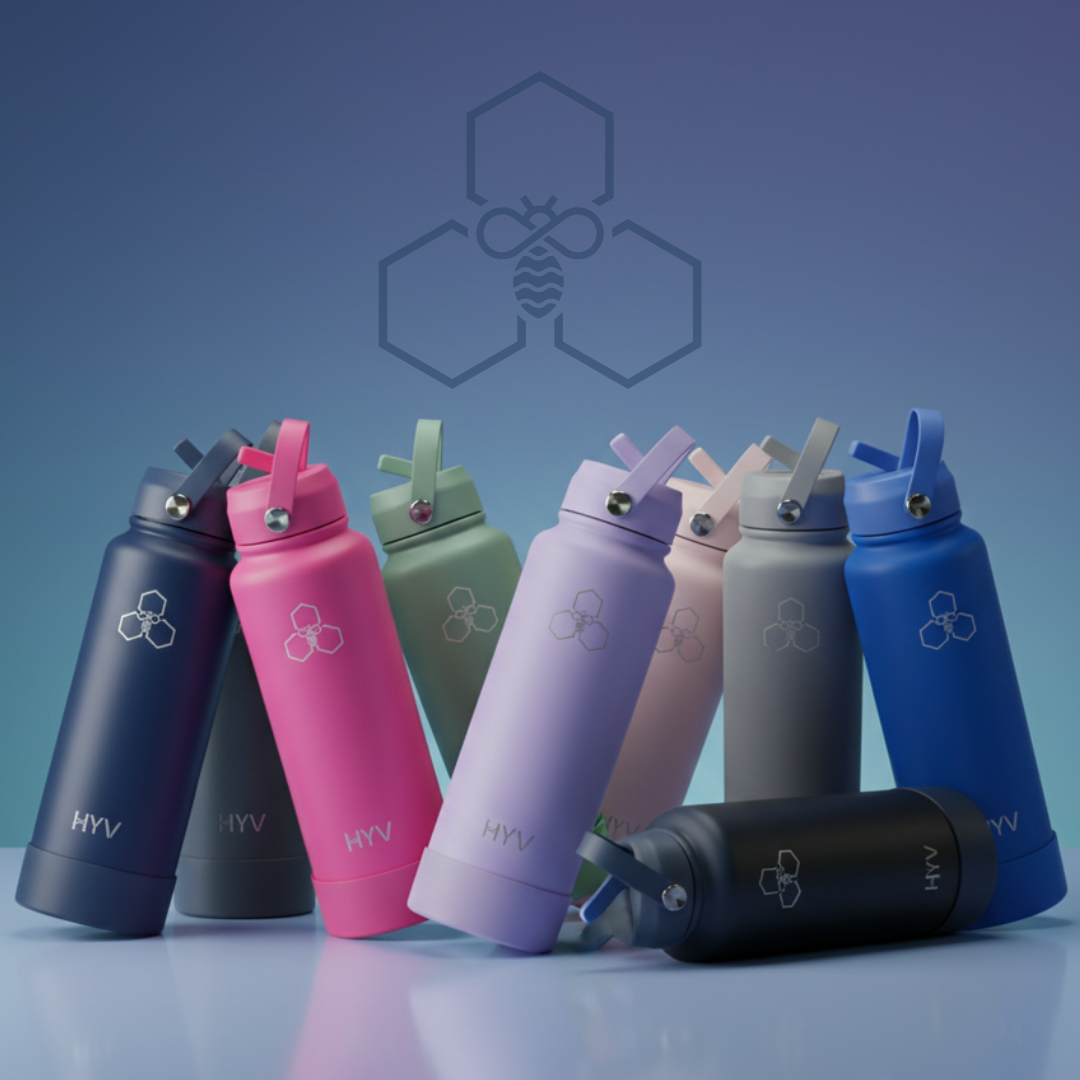
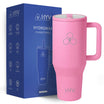
- HYV does not compete here — our range starts around ₹799.
Where HYV actually starts
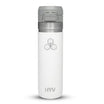
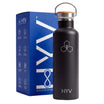
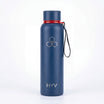
We should say this plainly rather than sell around it: HYV does not make anything at ₹100. Our entry water bottle is the HYV CoreFlow at ₹899 — 750 ml, double-walled stainless steel. If your ceiling is firm at ₹100, buy elsewhere and spend it well; if it can stretch, that is where the range begins.


Shop HYV insulated drinkware →
What you actually get for under ₹100
A single-wall plastic bottle, usually PET or a light polypropylene, with a screw cap. No insulation — vacuum insulation requires two steel walls and cannot be produced anywhere near this price. Expect a working bottle that holds water and nothing more.
That is not a criticism. There are plenty of situations where this is the correct purchase, and pretending otherwise would be dishonest.
When it is the right buy
- A spare for the car or a bag you will not mourn if it is lost.
- Events, travel days and one-off use where carrying something valuable is a nuisance.
- A temporary replacement while your main bottle is being cleaned or replaced.
- Children's outings where losing the bottle is a realistic outcome.
When it is a false economy
As an everyday bottle, the arithmetic works against you. Thin plastic scratches within weeks, and scratches hold biofilm and smells that washing does not fully remove — so the bottle gets replaced two or three times a year. Three ₹100 bottles a year for three years is ₹900, which is a certified steel bottle that would still be working.
The other cost is behavioural: a bottle that tastes stale is a bottle you stop carrying, and then you buy bottled water instead, which is where the real spend happens.
What to check even at this price
- Food-grade marking. The recycling triangle and a food-grade claim. Unmarked plastic of unknown origin is the one thing genuinely worth avoiding.
- A cap that seals. Fill it, invert it, hold it over a sink. Ten seconds saves a soaked bag.
- A neck you can reach into. Narrow-necked cheap bottles cannot be cleaned and go stale fastest.
- No strong plastic smell out of the packaging. If it smells in the shop, it will taste in the water.
Where we sit, plainly
We do not make a bottle under ₹100 and we are not going to. Our range starts at around ₹799 for insulated steel, which is a different product for a different purpose, and if your requirement is genuinely "under ₹100" then nothing we sell answers it.
The honest recommendation: buy the cheap bottle for the job that needs a cheap bottle, and if you find yourself replacing it two or three times a year, that is the point at which a certified bottle under ₹1,000 starts costing less rather than more.
We go into this properly in the honest ranking.
If you want the fuller picture, see the full comparison.
Frequently Asked Questions
Can you get an insulated water bottle under ₹100?
No. Vacuum insulation requires two steel walls and a sealed vacuum between them, and that construction cannot be manufactured at this price. Anything claiming it at ₹100 is not vacuum insulated.
Are cheap plastic bottles safe?
A food-grade marked bottle used for cool water and replaced when scratched is reasonable. The risks come from unmarked plastic, from reusing scratched bottles for months, and from putting hot liquids in thin plastic.
How long does a ₹100 bottle last?
Realistically a few months of daily use before scratching, staining or smell make it unpleasant. As an occasional spare it can last considerably longer, because the wear comes from use rather than time.
Is it cheaper to buy one good bottle?
For daily use, yes — replacing a cheap bottle two or three times a year for a few years costs more than one certified steel bottle that keeps working. For occasional use, the cheap bottle is the rational buy.

Leave a comment
This site is protected by hCaptcha and the hCaptcha Privacy Policy and Terms of Service apply.