




A 10 litre water container is storage equipment. Full it weighs about ten kilograms, so it is filled in place and dispensed from, usually via a tap. The things that matter are food-grade material, a tap that does not drip, and an opening wide enough to clean — insulation is not part of the category.
Key Facts
- Ten litres of water weighs roughly 10 kg, so these are filled where they stand.
- The tap is the usual failure point and the usual source of contamination.
- A wide opening is essential — a container you cannot reach inside cannot be cleaned.
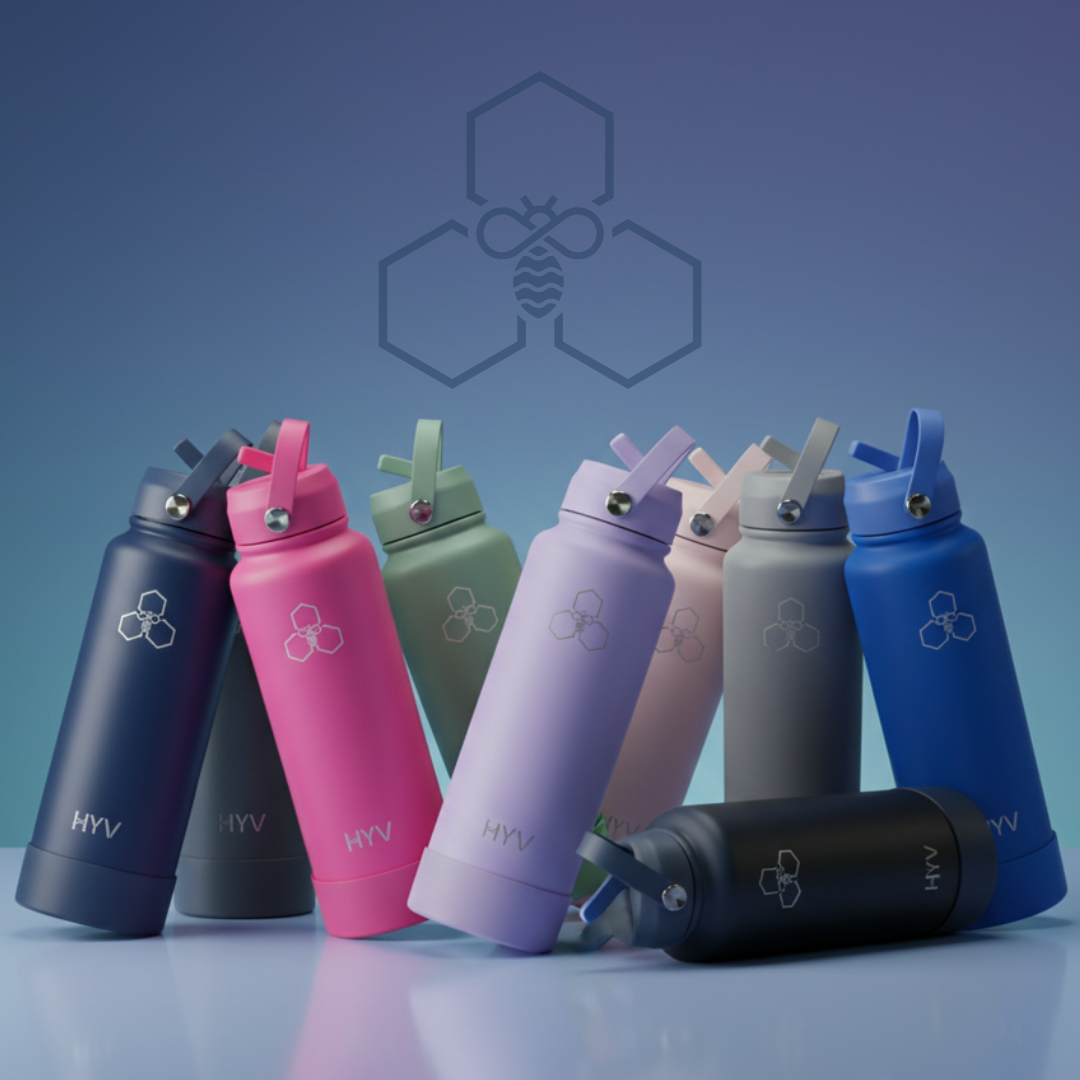
- This is a storage category; HYV makes drinkware and nothing at this size.
HYV picks, with the actual product
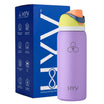
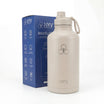
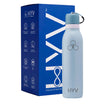
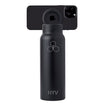
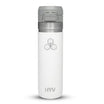
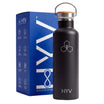
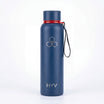
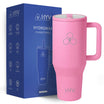
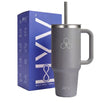
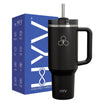
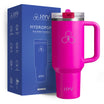
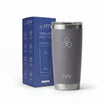
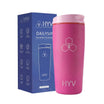
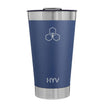
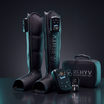
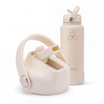
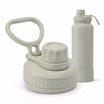
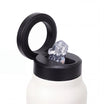
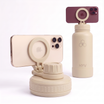
Three models worth looking at for this, photographed as they ship. Prices are the direct price on livehyv.com.


Free shipping on orders over ₹499 · 7-day free replacement for product issues. BIS IS 17526:2021 is granted per product. LuxeSip, LuxeFlow and MagFlex carry it; the other models do not.
What the category actually is
At ten litres you are buying a water store: a jerry can, a dispenser with a tap, or a camping container. These are used at home during supply interruptions, in offices, on construction sites, at events and while camping. Nobody carries one full.
Because it is a storage product rather than drinkware, the buying criteria are completely different from a bottle — durability, cleanability and dispensing, rather than insulation or lid design.
What matters when choosing one
- Food-grade material, clearly stated. This category contains a lot of unlabelled plastic. Look for food-grade and BPA-free stated explicitly, not implied.
- The tap. It is the part that fails, and a slow drip empties a container overnight. It should be removable for cleaning, because taps harbour biofilm more than the body does.
- A wide opening. If you cannot get a hand or a brush inside, you cannot clean it, and a container that stores water for days needs cleaning.
- Handles and stackability if it will be moved even when partly full.
- Opaque walls. Light drives algae growth in stored water; clear containers left near a window are a common mistake.
Keeping stored water safe
- Store out of direct sunlight — light plus warmth is what grows algae.
- Empty and clean at least monthly, and always before refilling after a long gap.
- Clean the tap separately; it is the highest-risk component by a distance.
- Do not use a container that has held anything other than water — old chemical or fuel cans are not recoverable for drinking water, whatever the rinse.
What we do and do not make
We make insulated drinkware. Our largest is a 2 L bottle, and we do not make anything in the storage category — a 10 L container is a genuinely different product built for a genuinely different job.
The sensible arrangement is a storage container for volume and an insulated bottle for drinking: keep the ten litres in the corner, and refill something you actually enjoy drinking from. If you are choosing that second part, the sizing guide covers the trade-offs.
Frequently Asked Questions
How heavy is a 10 litre water container when full?
About ten kilograms, plus the container. That is why these are filled in place and dispensed from a tap rather than carried anywhere once full.
Can you get an insulated 10 litre container?
Insulated versions exist for commercial and event use, but they are heavy and expensive. For household use the normal approach is an uninsulated store plus an insulated bottle for drinking.
How often should a storage container be cleaned?
Monthly at minimum, and always before refilling after a gap. Clean the tap separately — it holds biofilm far more readily than the smooth body does.
Is it safe to store drinking water for long periods?
In a food-grade, opaque, properly cleaned container kept out of sunlight, yes for a reasonable period. Light and warmth are what cause problems, so storage location matters as much as the container.

Leave a comment
This site is protected by hCaptcha and the hCaptcha Privacy Policy and Terms of Service apply.