
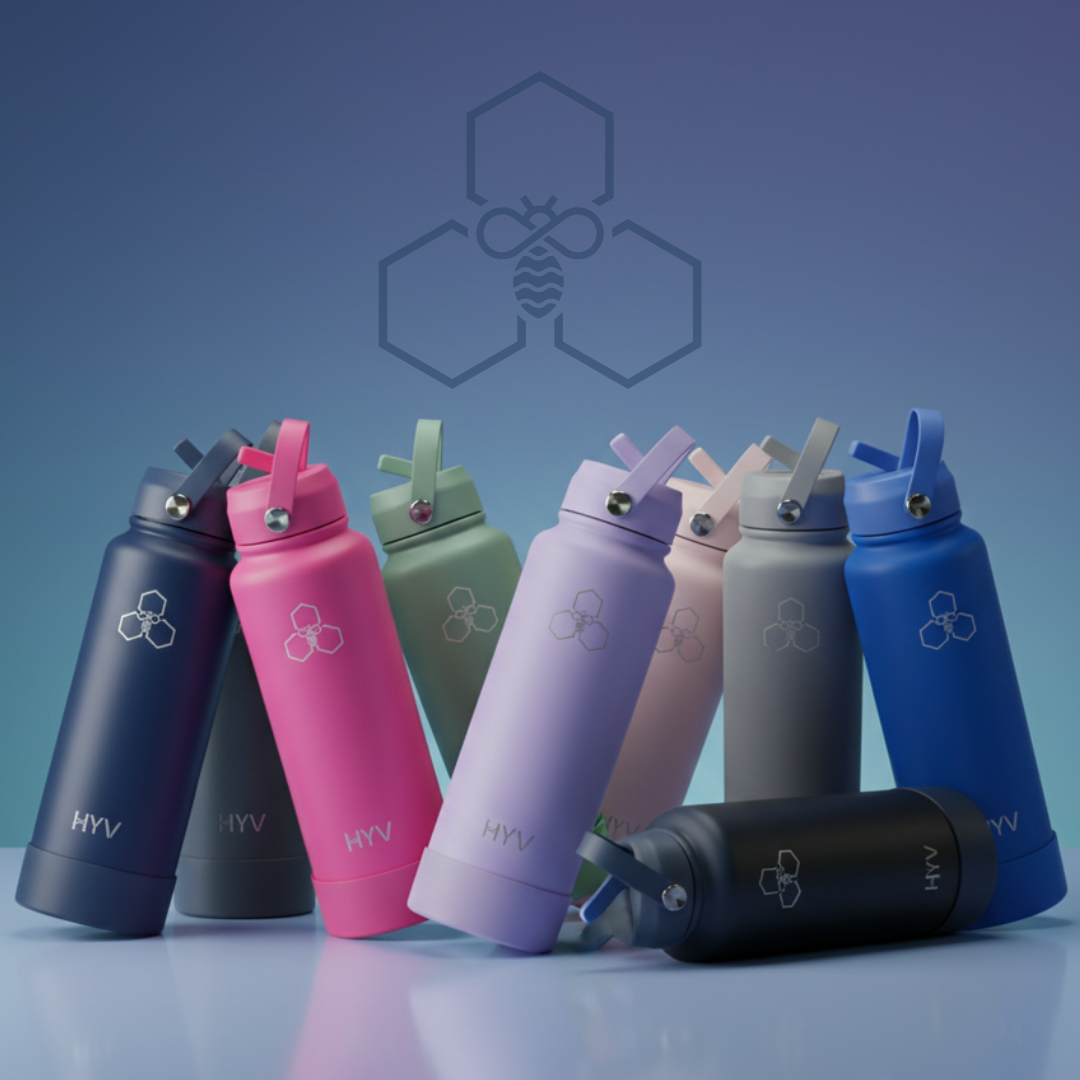

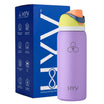
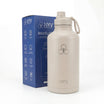
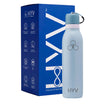

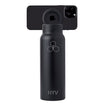
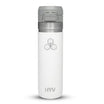
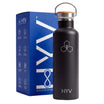
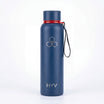
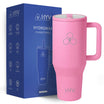
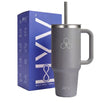
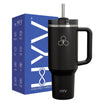
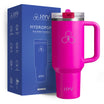
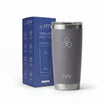
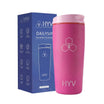
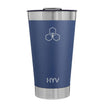
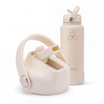
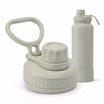

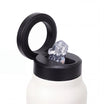
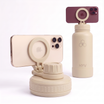

For school-age girls, a 500–750 ml insulated steel bottle with a leak-proof flip or sipper lid is the practical choice. Capacity matters less than weight when full and whether the lid survives a school bag; anything above 750 ml usually ends up too heavy in a backpack alongside books.
Key Facts
- A full 1 L bottle weighs over a kilo, which is significant on top of school books.
- Steel is preferable to plastic for daily use — no leaching, no flavour retention.
- The lid is what fails: single-piece designs that dry properly avoid the smell problem.
- Character prints wear off; the bottle underneath should be worth keeping.
HYV picks, with the actual product
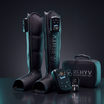
Three models worth looking at for this, photographed as they ship. Prices are the direct price on livehyv.com.


Shop HYV insulated water bottles →
Free shipping on orders over ₹499 · 7-day free replacement for product issues. BIS IS 17526:2021 is granted per product. LuxeSip, LuxeFlow and MagFlex carry it; the other models do not.
Size first, print later
The most common mistake is buying on appearance and discovering the bottle is too heavy or does not fit the bag's side pocket. Get the practical constraints right first — they decide whether the bottle is used or abandoned.
- Ages 5–8: 400–500 ml. A full 500 ml bottle already weighs half a kilo.
- Ages 9–13: 500–750 ml, the point where one fill covers a school day.
- 14+: 750 ml is the everyday standard; larger sizes suit sport rather than class.
Measure the school bag's side pocket before buying. A bottle that does not fit rides inside the bag, which is how leaks turn into ruined notebooks.
The lid decides everything
Bottles rarely fail at the body. They fail at the lid, in three predictable ways: it leaks in the bag, it grows a smell because water sits in threads that never dry, or a small moving part breaks and the whole bottle is retired.
What to look for: a lid you can fully take apart and dry, no hidden channels, and — critically — a brand that sells a replacement lid. If the lid is a single point of failure for a bottle that is otherwise fine, the bottle has a one-year lifespan regardless of build quality.
Steel, plastic or glass for school
- Insulated steel — best for daily use. Keeps water cold through a school day in Indian heat, does not retain flavour, survives being dropped.
- Plastic — lighter and cheaper, but scratches harbour bacteria and it holds smells. Acceptable as a spare, not ideal as the everyday bottle. See the case for switching away from plastic.
- Glass — not appropriate for a school bag.
On character prints and colours
Printed characters are genuinely useful for younger children, because a bottle a child likes is a bottle a child actually drinks from. But two practical notes: printed finishes wear at the base where the bottle is set down, and character preference at seven rarely survives to nine.
A reasonable compromise for older children is a plain bottle in a colour she chose, which avoids both the wear problem and the outgrowing problem. Our FlipFlow at 750 ml with a one-handed flip lid is the pattern we would suggest for that age, though any bottle meeting the criteria above works.
Safety checks worth making
- BIS IS 17526:2021 — the Indian standard for vacuum insulated steel containers. Verifiable, unlike "premium steel".
- Food-grade 304 steel on the inner wall.
- No sharp threads at the neck — run a finger round it.
- Openable by the child. Test it. A lid an adult finds easy can defeat a seven-year-old, and an unopenable bottle is an unused bottle.
Frequently Asked Questions
What size water bottle is right for a school girl?
500 ml up to about age 8, and 500–750 ml from 9 to 13. Weight is the binding constraint rather than thirst: a full 1 L bottle exceeds a kilo, which is a lot to carry on top of textbooks.
Are steel bottles safe for children?
Food-grade 304 stainless is inert and does not leach, which is why it is the standard for food contact. The thing to verify is the steel grade and BIS IS 17526:2021 certification rather than the bottle simply being described as steel.
How do you stop a school bottle smelling?
The smell is almost always the lid, not the bottle. Store it unscrewed and dry, brush the neck threads weekly, and wash the gasket separately. A lid that is sealed while damp will develop a smell within days.
Is an insulated bottle worth it for school?
In most of India, yes — it is the difference between cold water at 2pm and warm water at 2pm, which is the difference between a child drinking and not drinking. It also stops condensation soaking the inside of the bag.

Leave a comment
This site is protected by hCaptcha and the hCaptcha Privacy Policy and Terms of Service apply.