
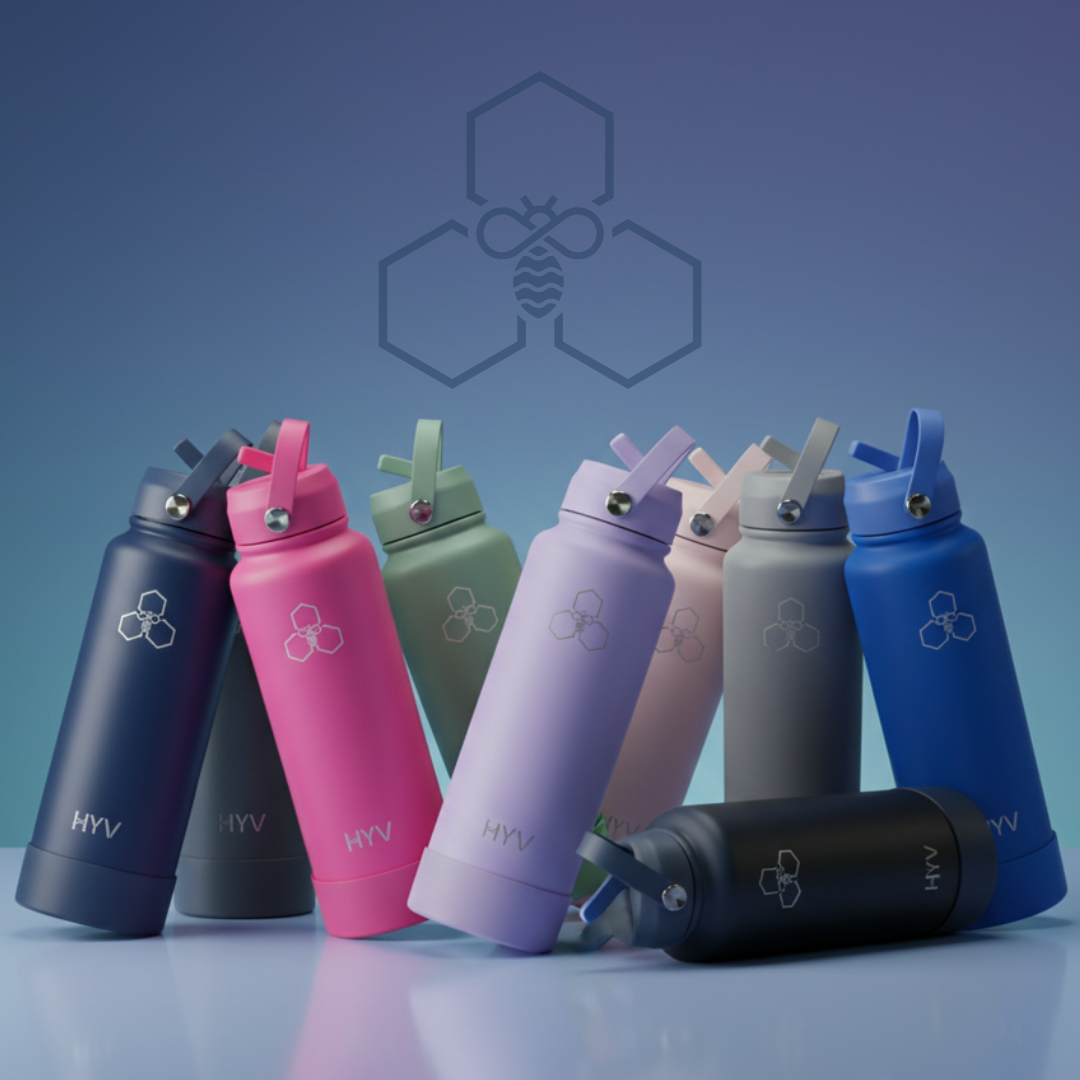




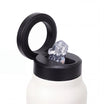
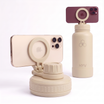
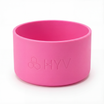

A steel sipper bottle pairs a stainless body with a lid you drink through — usually a spout or a straw — so you can drink without unscrewing anything. The body is rarely the problem; sipper lids have more parts than plain lids, so cleanability and whether a replacement is available matter more than usual.
Key Facts
- Sipper lids have more parts, so they need more deliberate cleaning.
- A spout sipper travels better; a straw sipper suits a desk.
- Check whether the lid is rated for hot liquids — many are cold-only.
- Replaceable lids matter more on sippers, because the lid is the wearing part.
HYV picks, with the actual product
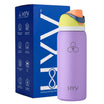
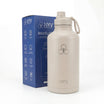
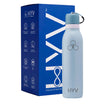
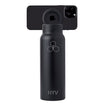
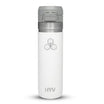
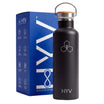
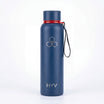
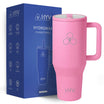
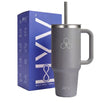
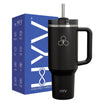
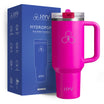
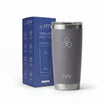
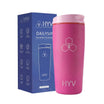
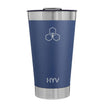
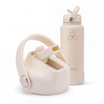
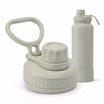
Three models worth looking at for this, photographed as they ship. Prices are the direct price on livehyv.com.


Free shipping on orders over ₹499 · 7-day free replacement for product issues. BIS IS 17526:2021 is granted per product. LuxeSip, LuxeFlow and MagFlex carry it; the other models do not.
The types of sipper lid
- Spout sipper. A small raised opening you drink from directly, usually with a cover that flips or screws shut. Travels well and seals reliably.
- Straw sipper. An internal straw so you drink without tilting the bottle. Best where the bottle stays put — a desk or a car — because it removes the effort from each sip.
- Push-button. A button opens the spout one-handed. Convenient, and the most mechanism to keep clean.
For children, a spout or straw with a locking cover is the practical choice, since it survives a school bag.
What to check
- Can it be taken apart? Sipper lids have gaskets and channels. If you cannot reach every surface with a brush, it will develop a smell.
- Does the cover lock? An unlocked spout in a bag is a leak waiting to happen.
- Is a replacement lid sold? The lid is the wearing part on a sipper, and a bottle whose lid cannot be replaced has the lid's lifespan.
- Hot liquid rating. Many sipper and straw lids are specified for cold only.
- Steel grade and certification. Food-grade 304 inner wall, and BIS IS 17526:2021 if it claims insulation.
Insulated or single wall
Steel sippers come both ways and the difference is large. Single-wall steel is lighter and cheaper but offers no temperature retention — the benefit is only that it is not plastic. Vacuum insulated keeps water cold through a working day and stays dry on the outside.
For school and office use in most of India, insulated is worth the difference, mostly because cold water gets drunk and warm water does not.
Keeping a sipper clean
The routine that prevents almost every problem: rinse and leave it open to dry daily; brush the spout, threads and gasket weekly; and wash the straw separately with a straw brush. Storing a sipper sealed while damp is the reliable way to grow a smell.
The full cleaning method is here. Our sipper-lidded option is LuxeSip, with replacement lids sold separately.
Frequently Asked Questions
What is a sipper water bottle?
A bottle with a lid you drink through — a spout, straw or push-button opening — so you do not unscrew anything to take a sip. The body is usually steel or plastic; the lid is what defines it.
Are steel sippers good for school?
Yes, with a locking cover so it survives a bag. Steel avoids the scratching and smell retention that makes cheap plastic sippers unpleasant within months.
Can you put hot drinks in a sipper bottle?
Only if the lid is rated for it. Many sipper and straw lids are specified for cold liquids because heat softens seals and pressure can build behind a closed valve. Check before pouring tea.
How do you clean a sipper lid properly?
Take it apart, brush the spout and threads, and wash the gasket separately. Store it unscrewed and dry — a sealed damp lid develops a smell within days, and that is almost always where the smell comes from.
Shop the shortlist
- See the steel bottles — 304 food-grade stainless, double-wall vacuum, 750 ml to 2 L.

Leave a comment
This site is protected by hCaptcha and the hCaptcha Privacy Policy and Terms of Service apply.