


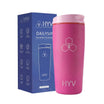
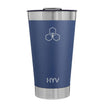
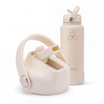


"SS" simply means stainless steel, and on its own it tells you very little. What matters is the grade — food-grade 304 (also written 18/8) is the standard worth having for the inner wall — and whether the bottle is single-wall or genuinely vacuum insulated.
Key Facts
- SS is not a specification; the grade is.
- 304 / 18/8 is the food-contact standard worth insisting on.
- 202 grade is cheaper, less corrosion-resistant, and common in unlabelled bottles.
- SS alone says nothing about insulation — single wall and vacuum are both "SS".
HYV picks, with the actual product
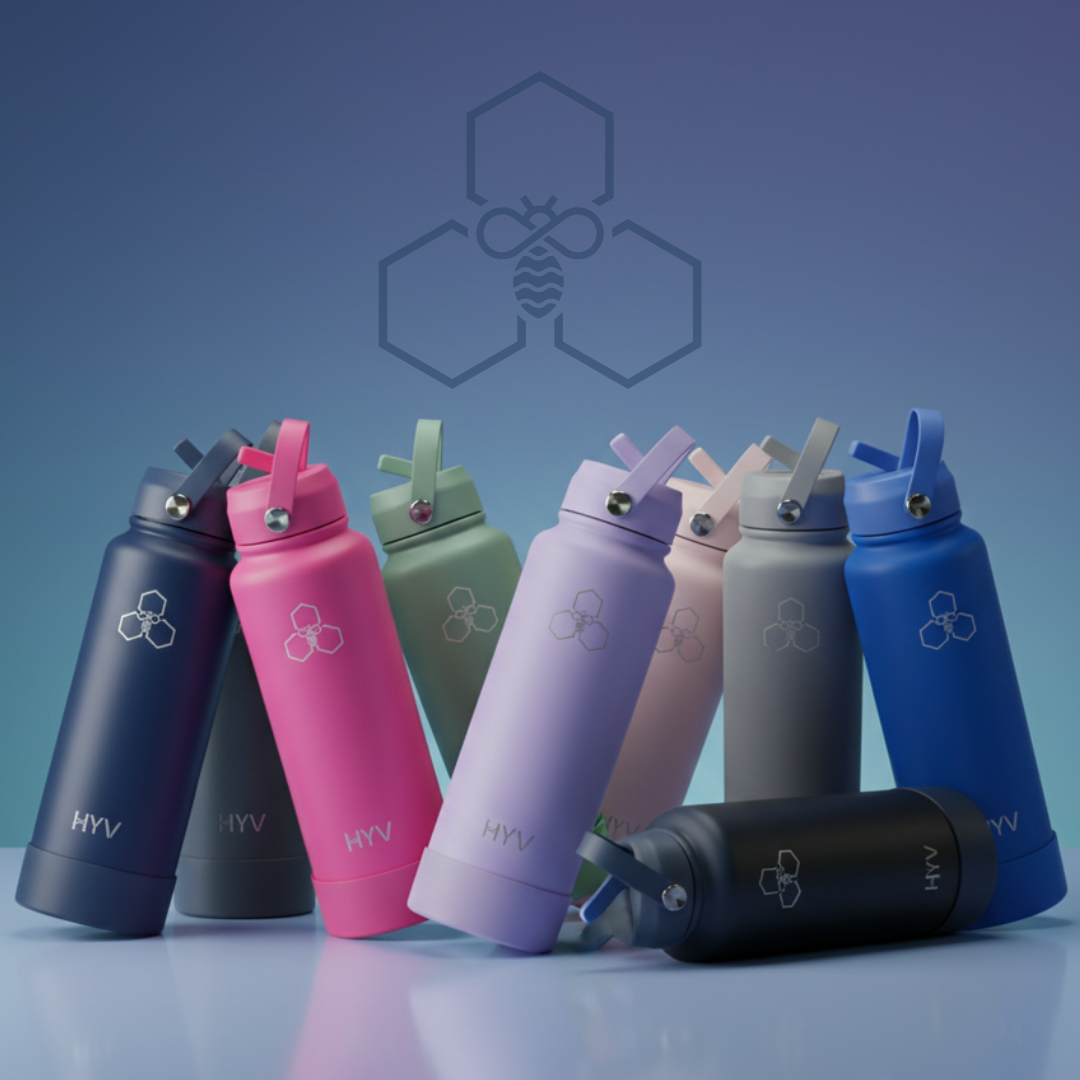
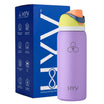
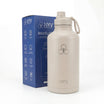
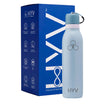
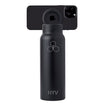
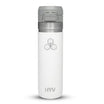
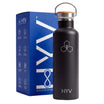
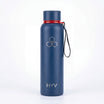
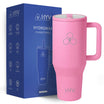
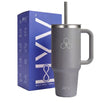
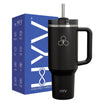
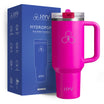
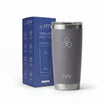
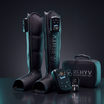
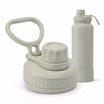
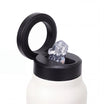
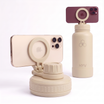
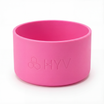
Three models worth looking at for this, photographed as they ship. Prices are the direct price on livehyv.com.


Shop HYV insulated water bottles →
Free shipping on orders over ₹499 · 7-day free replacement for product issues. BIS IS 17526:2021 is granted per product. LuxeSip, LuxeFlow and MagFlex carry it; the other models do not.
What the letters and numbers mean
- SS — stainless steel. A family of alloys, not a quality claim.
- 304, or 18/8 — the food-grade austenitic standard: roughly 18% chromium, 8% nickel. Corrosion-resistant, inert, no flavour transfer. This is what you want touching your water.
- 316 — a step up in corrosion resistance, mostly relevant for marine or laboratory use. Rarely necessary in a water bottle.
- 202 — a cheaper alloy with less nickel. More prone to pitting and staining over time. Common in unbranded bottles and rarely stated openly.
If a listing says "SS" and no number, that absence is itself informative.
SS says nothing about insulation
This is the most common confusion in the category. A single-wall steel bottle and a double-wall vacuum insulated bottle are both accurately described as "SS water bottle", and they perform completely differently.
- Single wall — one layer of steel. No insulation; water reaches room temperature within an hour or two. Light and cheap.
- Double wall, air gap — two layers with air between. Slightly better, not dramatically.
- Vacuum insulated — two layers with the air removed. This is the construction that holds ice through a day.
The quickest test: fill with ice water and wait ten minutes. A vacuum bottle stays completely dry outside.
How to check what you are buying
- Look for a stated grade. "Food-grade 304 stainless" or "18/8" printed on the product or listing.
- Check for BIS IS 17526:2021 if insulation is claimed — it is the Indian standard for vacuum insulated stainless steel containers and it is verifiable per product.
- Weigh it in your hand. Two steel walls cannot be light.
- Look at the inner wall. It should be smooth and uniform; visible weld lines or roughness at the base are a quality signal.
The full stainless steel buying guide goes into the details.
Frequently Asked Questions
What does SS mean in water bottles?
Stainless steel. It is a material family rather than a specification, which is why the grade matters far more than the letters — food-grade 304, also written 18/8, is the standard worth having.
Is 304 or 202 steel better for a bottle?
304, clearly. It has more nickel, resists corrosion and pitting far better, and is the recognised food-contact grade. 202 is cheaper and common in unlabelled bottles.
Are all SS bottles insulated?
No — and this is the most common misunderstanding. A single-wall steel bottle is accurately called an SS bottle and offers no temperature retention at all. Insulation requires two walls with a vacuum between them.
Is stainless steel safe for drinking water?
Food-grade 304 is inert, does not leach and holds no flavour, which is why it is the standard for food contact. The risk in cheap bottles is unnamed steel of unknown grade rather than stainless steel as such.

Leave a comment
This site is protected by hCaptcha and the hCaptcha Privacy Policy and Terms of Service apply.