











Every day if the bottle has held anything other than plain water — juice, tea, milk, electrolyte powder, or a protein shake. Every two to three days if it holds only water and you empty and air-dry it between fills. The variable that matters more than frequency is whether the bottle dries: a bottle rinsed daily and capped wet grows more than one washed twice a week and left open.
Key Facts
- Anything with sugar, milk or protein in it makes daily washing non-negotiable.
- Plain water in a bottle that dries out can go two to three days.
- A capped wet bottle is worse than an unwashed dry one.
- The lid and gasket need the same frequency as the body, not less.
- Straws need a brush weekly whatever the schedule.
The answer depends entirely on what was in it
People want a number. The number changes by an order of magnitude depending on contents, so here are the honest versions.
- Plain water only, emptied and left open: a proper wash every two to three days. A rinse in between is fine.
- Plain water, but refilled on top of yesterday’s water: daily. You are topping up a standing culture, not starting fresh.
- Tea, coffee, juice, nimbu paani, coconut water: daily, without exception. Sugar is food.
- Milk, buttermilk, lassi, protein shake: immediately after use, not "later". Protein and dairy residue in a warm sealed bottle is the fastest-souring thing you can put in one.
- Electrolyte or ORS powder: daily. It is mostly sugar and salt, and the salt attacks the lid gasket over time.
The rule that beats the schedule
If you only change one habit, change this one: leave the bottle open and upside down to dry.
Everything that grows in a bottle needs moisture. A bottle that is emptied, shaken out and stood open loses that moisture in a couple of hours and has nothing to sustain growth. A bottle that is rinsed conscientiously every morning and then capped with a film of water inside is providing a dark, warm, wet chamber, which is exactly the specification.
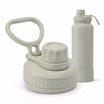
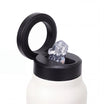
This is also why the gasket matters. Take it out. A gasket left seated in its wet groove never dries at all, no matter what the bottle is doing.
Signs you have left it too long
- Slippery inside wall. That is biofilm. It is not dangerous at the point you notice it, but it is a surface for other things and it does not rinse off.
- Smell on opening. Sour, musty or faintly cheesy. The bottle is telling you about the gasket.
- Pink or orange film, usually around the spout or under the lid. Common, airborne in origin, and a clear signal that the lid is not being taken apart.
- Taste change in plain water. Water picking up flavour is the first symptom, well before anything is visible.
The product on this page

Shop HYV tumblers with removable straws →
Why a straw changes the schedule
A straw is a long, narrow, permanently wet tube that no shaking, soaking or rinsing reaches. It needs a brush, and it needs one weekly regardless of what you have been drinking.
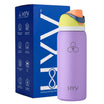
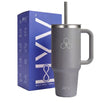
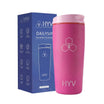
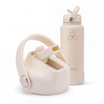
Buy a tumbler where the straw comes out. The HYV HydroPro is ₹1,499 for 1.2 litres with an inbuilt straw lid that detaches, so the straw can be brushed and dried as a separate part. A fixed straw is a permanent cleaning problem sold as a convenience.
Disclosure: we are one of the brands
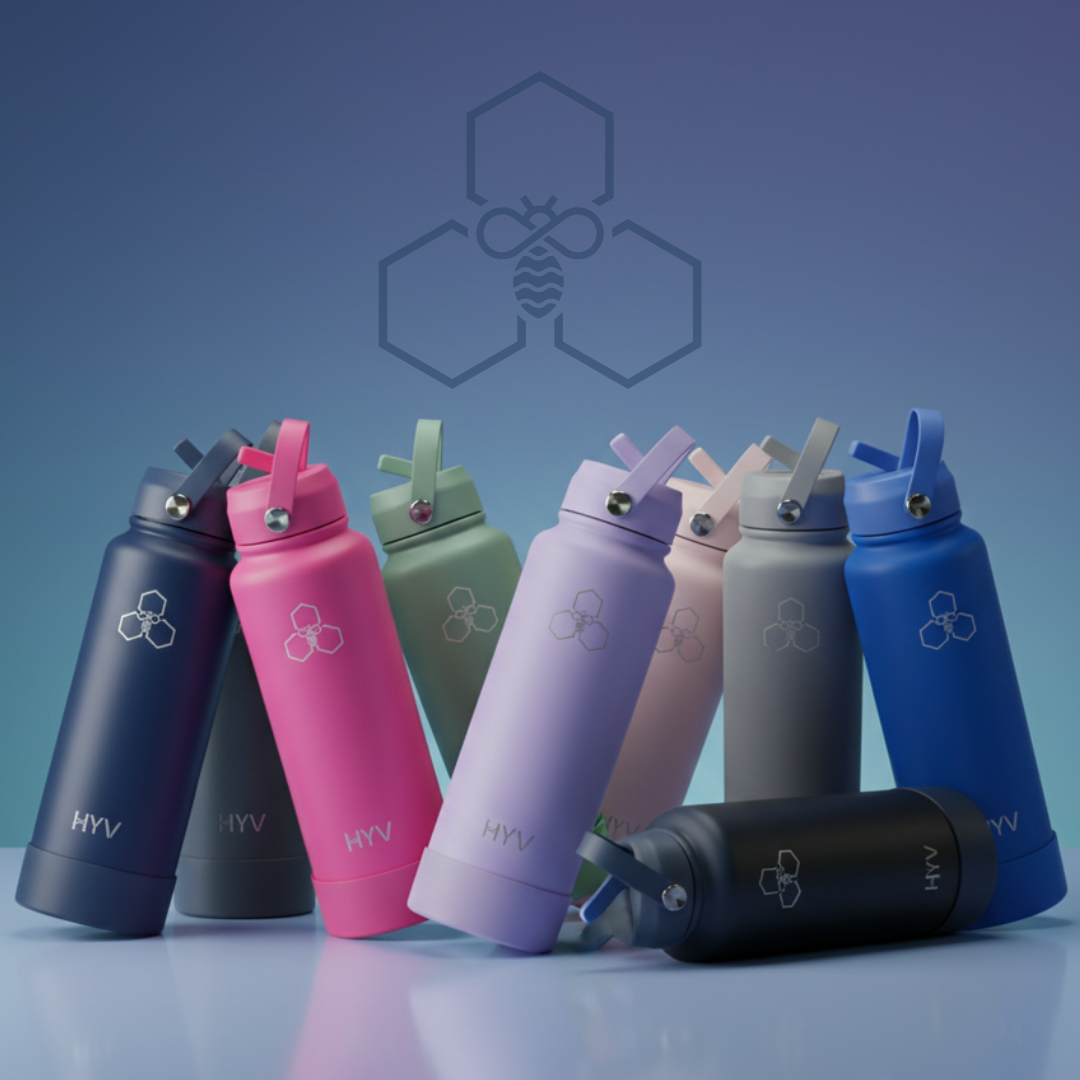
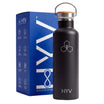
HYV publishes this page and sells the bottles in it, so discount the flattering parts. The checkable facts: BIS IS 17526:2021 on five named models — LuxeSip, LuxeFlow, MagFlex, CoreFlow and ChillSip — 304 food-grade steel throughout, and lids, gaskets and boots sold as separate parts so a worn one does not end the bottle.
We go into this properly in what we actually recommend.
Frequently Asked Questions
Do I need to wash my water bottle every day?
Daily if it holds anything but plain water. If it holds only water and you empty it and leave it open to dry, every two to three days is genuinely fine.
Is it bad to just rinse a bottle instead of washing it?
Rinsing between fills is fine as long as the bottle is also drying out. Rinsing and then capping it wet is worse than not rinsing at all, because you have kept the moisture in.
How often should I clean the straw?
Weekly with a straw brush, whatever else you are doing. Nothing you shake, soak or pour inside the bottle travels up a straw, so it is cleaned separately or it is not cleaned.
What is the slippery film inside my bottle?
Biofilm — a thin layer left behind by whatever you have been drinking. It does not rinse off; it needs abrasion or a soak with dish soap, and it means the washing interval is too long.
Related reading: Bacteria in Reusable Water Bottles: What Actually Grows, and Why, Hygiene Water Bottle: What to Buy + How to Clean and How to Clean a Straw Water Bottle: Daily Routine and Deep Clean Guide.

Leave a comment
This site is protected by hCaptcha and the hCaptcha Privacy Policy and Terms of Service apply.