


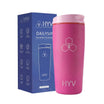
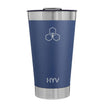
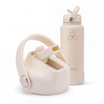


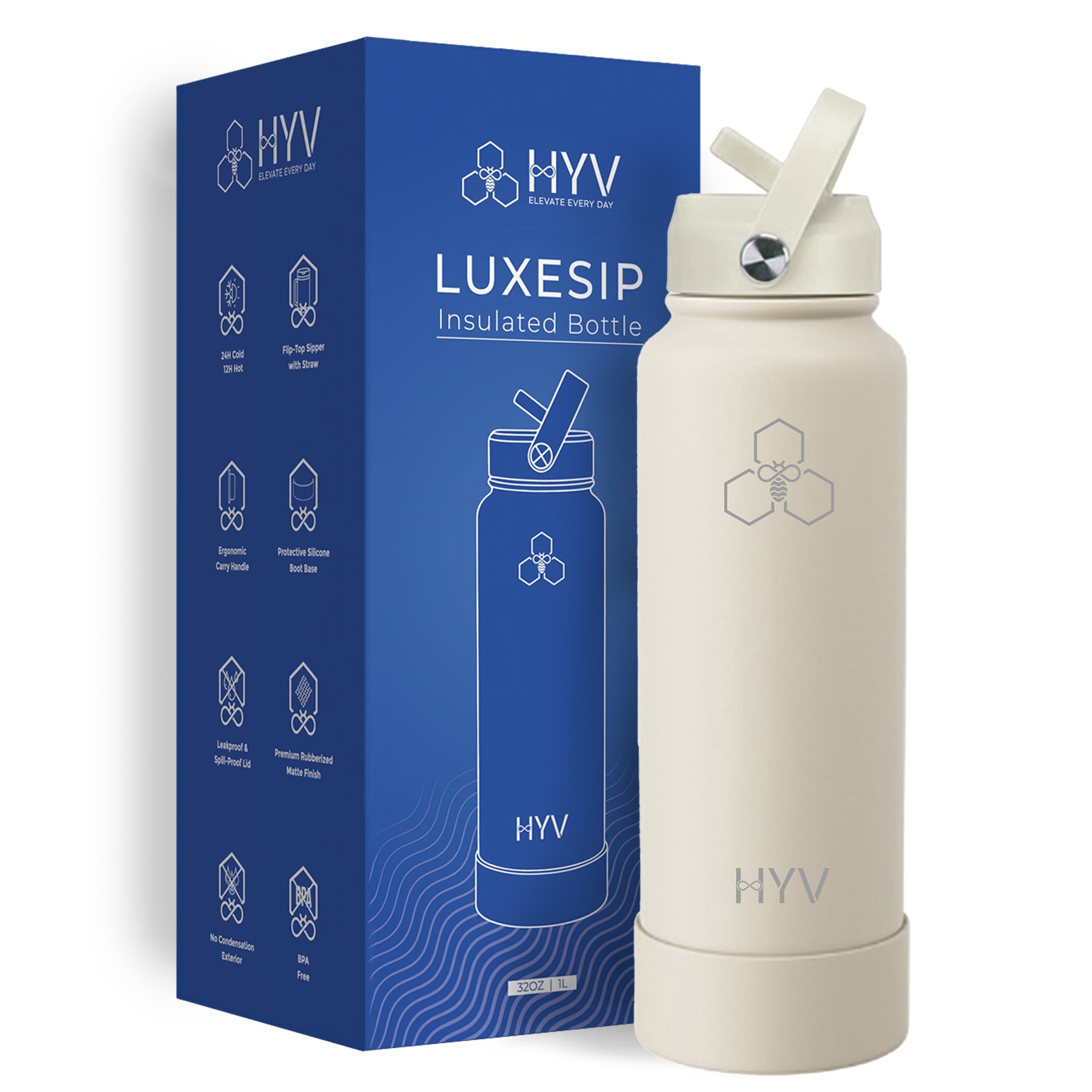
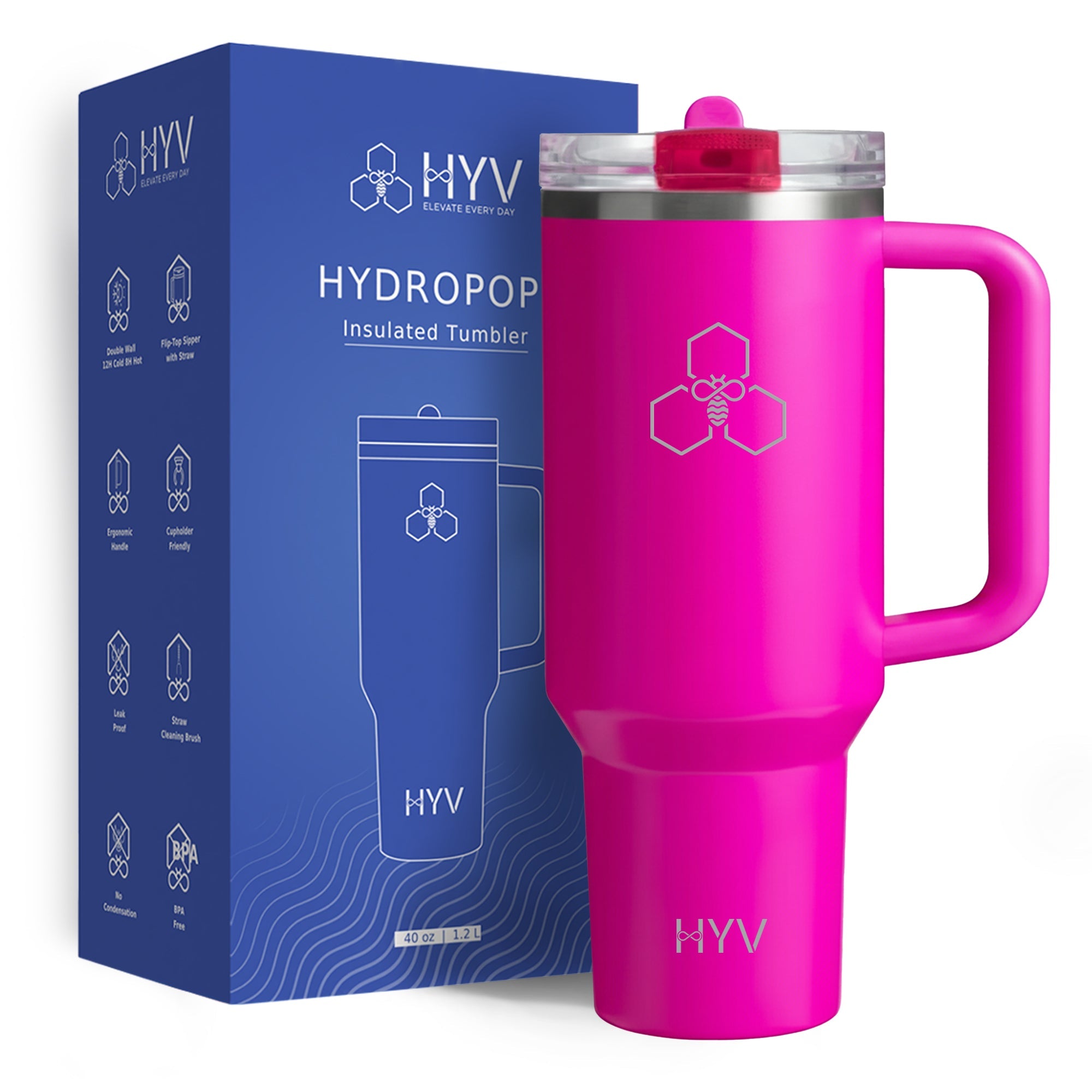
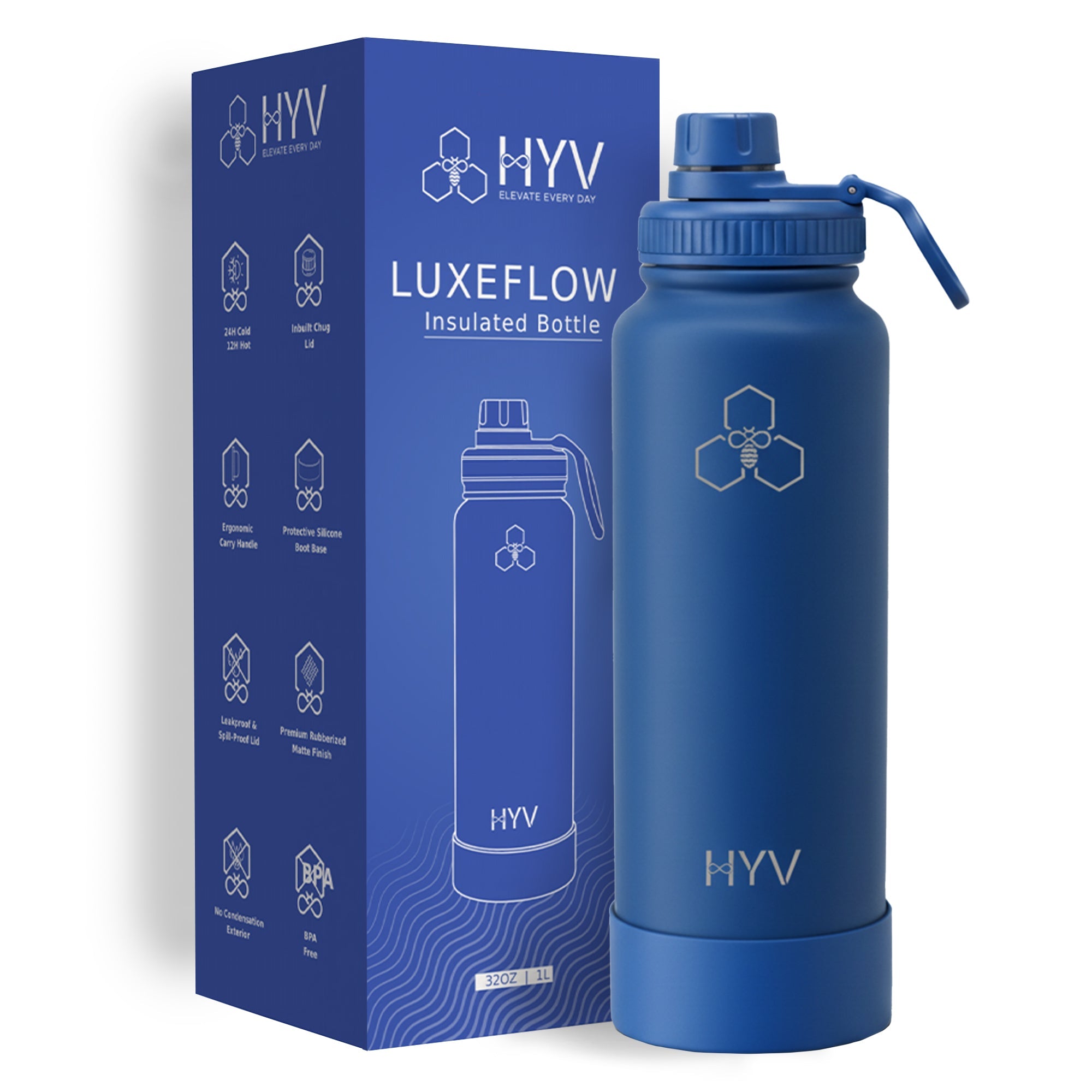
"Hygienic" water bottles are those that resist microbial growth — the top materials are 304 stainless steel (chemically inert, no biofilm formation) and glass (fully inert, dishwasher-safe). BIS IS 17526:2021 certified insulated steel bottles are the top hygienic picks — verified food-grade steel + easy-clean design. For any bottle, hygiene is 80% about cleaning routine (weekly wash with dish soap, monthly deep clean with baking soda + vinegar). Skip: cheap plastics without BPA-free certification, worn silicone gaskets, straws left unwashed.
Key Facts
- Most hygienic materials: 304 stainless steel, glass, food-grade silicone.
- BIS IS 17526:2021 verifies material safety.
- Hygiene is 80% cleaning routine, 20% material.
- Weekly wash + monthly baking-soda deep clean keeps any bottle safe.
HYV picks, with the actual product
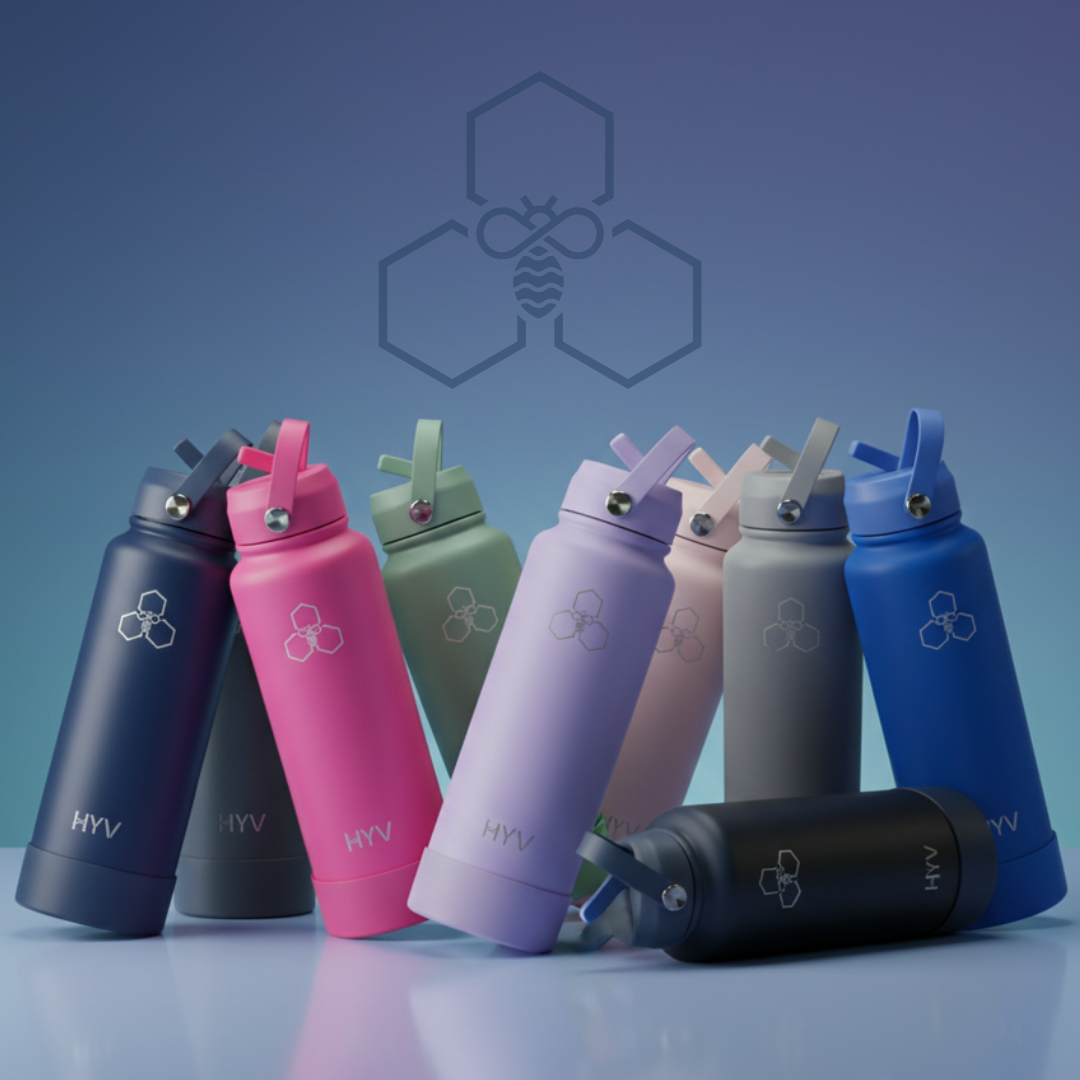
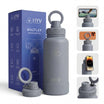
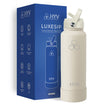
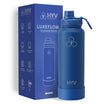
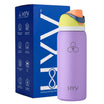
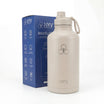
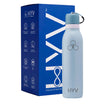
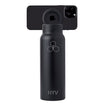
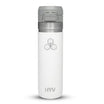
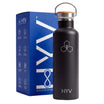
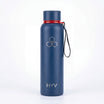
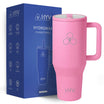
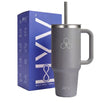
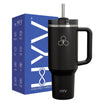
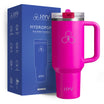
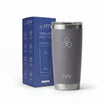
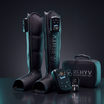
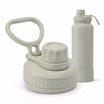
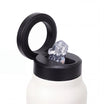
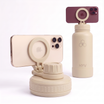
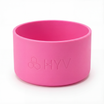
Three models worth looking at for this, photographed as they ship. Prices are the direct price on livehyv.com.


Shop HYV insulated water bottles →
Free shipping on orders over ₹499 · 7-day free replacement for product issues. HYV makes BIS-certified bottles.
What makes a bottle hygienic
- Chemically inert material — 304 stainless steel or glass. No leaching, no biofilm.
- Wide mouth or removable lid — for full hand+brush access.
- Replaceable gaskets — silicone seals wear and harbor bacteria if not replaced.
- Smooth interior — no seams or grooves for residue.
Cleaning routine for hygiene
- Daily: Rinse with hot water after each use. Empty the bottle if not drinking within 24h.
- Weekly: Wash with dish soap + bottle brush. Sanitize lid and gasket separately.
- Monthly: Deep clean with 2 tbsp baking soda + 1 cup warm water, shake, soak 30 min, rinse. Follow with white vinegar rinse for odor removal.
- Quarterly: Replace silicone gaskets if visibly worn or discolored.
Top hygienic picks India 2026
- HYV LuxeSip 1L — ₹1,699, wide mouth for full-hand access.
- HYV MagFlex 1L — ₹1,899, wide mouth, replaceable gasket.
- Borosil glass 1L — ₹800, fully dishwasher-safe.
- Milton Thermosteel Flip Lid 1L — ₹850.
Hygiene red flags
- Persistent odor after washing — usually silicone gasket needs replacing.
- Cloudy or discolored interior — biofilm; needs baking soda deep clean.
- Slimy interior — bacteria; discard and replace bottle.
- Sour taste — deep clean immediately.
Frequently Asked Questions
What is the most hygienic water bottle?
BIS-certified insulated 304 stainless steel or glass — chemically inert, no biofilm. Cleaning routine matters as much as material.
How often should I clean my water bottle?
Rinse daily, wash weekly with dish soap, deep clean monthly with baking soda.
Price tiers and what each genuinely buys in India
| Tier | What you get | What you give up |
|---|---|---|
| Under ₹400 | BPA-free plastic, sports and school bottles | All insulation; 2-3 year life |
| ₹400-800 | Entry insulated steel, basic double-wall | Certification; vacuum often fails in 12-24 months |
| ₹800-1,200 | Mainstream insulated from established brands | Full-range certification; premium lid engineering |
| ₹1,200-2,000 | Engineered lids, powder-coat finish, real warranty | Little — this is the value sweet spot |
| ₹2,500-6,000 | Imported premium; brand cachet, refined lids | Roughly 3x the price for equivalent retention |
Retention is physics and converges across properly built bottles. What the imported tier buys is brand, colour drops and lid refinement — not more hours of cold.
Testing whether insulation actually works
Fill with ice water, leave four hours in a warm room, then touch the outside. A working vacuum bottle stays at room temperature and never sweats. Cold or condensation on the outside means the vacuum has failed.
This matters because vacuum failure is silent: the bottle still holds water and looks perfect, but retention drops from about 24 hours to four or six. Worth running inside the return window on anything new.
Common buying mistakes
- Trusting an uncertified retention claim. If it is not BIS IS 17526:2021 certified, nobody has measured it.
- Buying "double wall insulated" under ₹400. At that price it is usually single-wall steel inside a plastic shell.
- Accepting "SS" or "food-safe steel" as a specification. The grade is the whole point — look for 304.
- Buying too small. A 500ml bottle for an office day means six refills, and almost nobody completes six.
- Ignoring the lid. A screw cap costs you sip frequency every single day.
- Never replacing the gasket — then replacing the whole bottle instead.


Leave a comment
This site is protected by hCaptcha and the hCaptcha Privacy Policy and Terms of Service apply.