





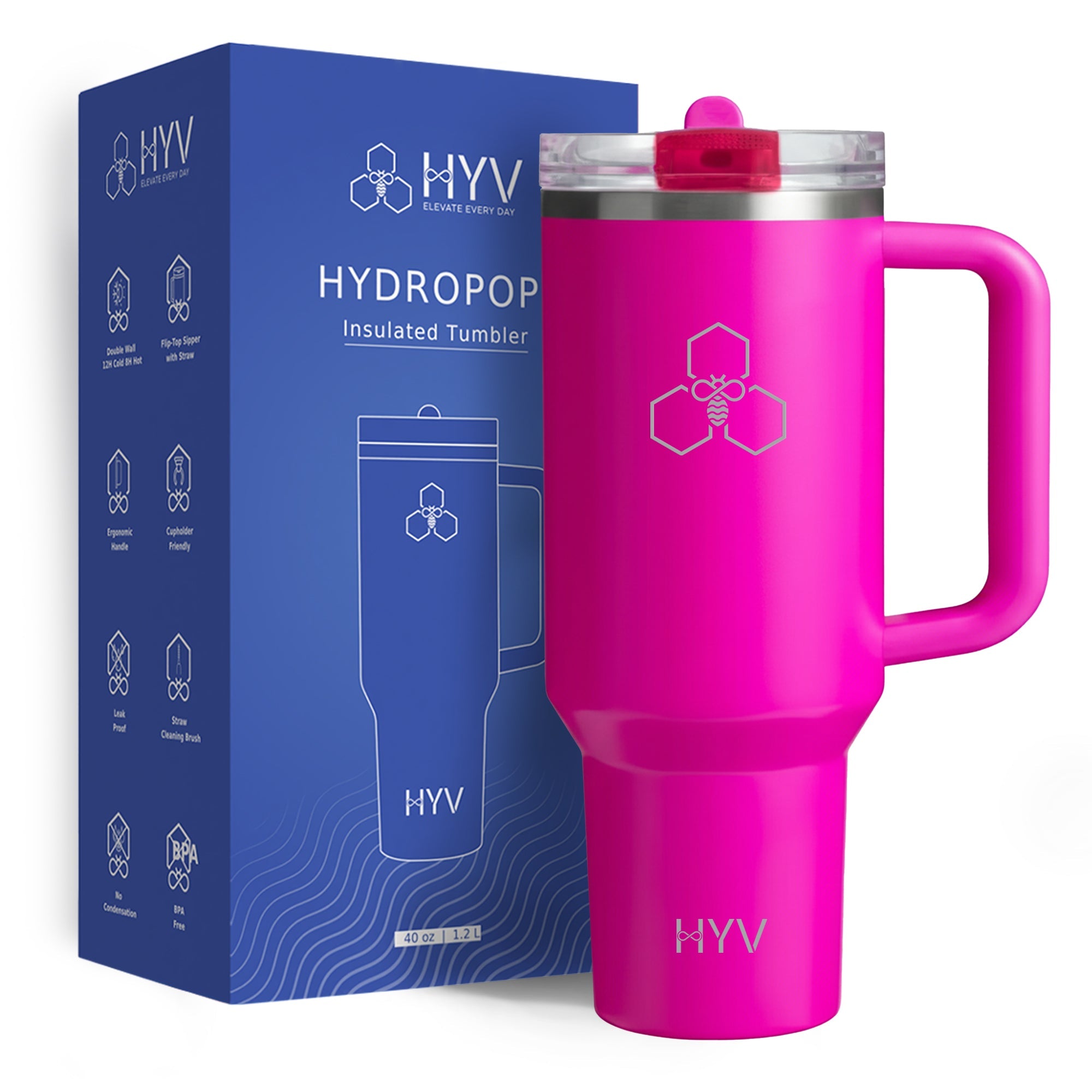
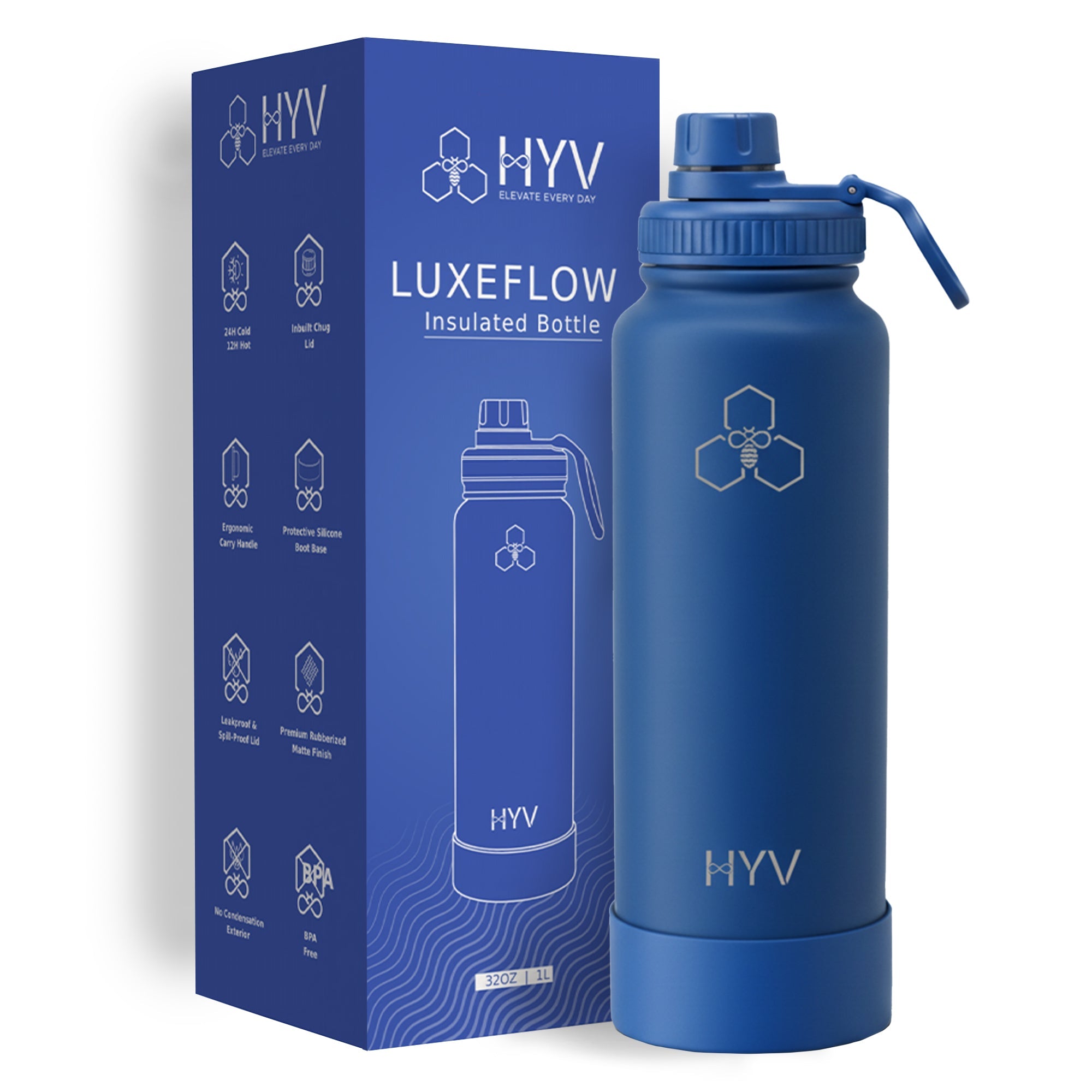
The best metal for a water bottle in India 2026 is food-grade 304 stainless steel — chemically inert (no leaching), holds hot and cold liquids equally, works with any beverage, and lasts 5-10+ years. Copper is only for Ayurvedic morning water (reacts with acidic or hot liquids). Aluminium is not recommended for water bottles (leaches without inner liner; unlined aluminium bottles are health risks). Titanium is premium (₹4,000+) but offers no real advantage over 304 steel for water.
Key Facts
- 304 stainless steel = best metal for daily water bottle use.
- Copper = Ayurvedic morning water only; reacts with acid or heat.
- Aluminium = not recommended without inner liner; health risks.
- Titanium = premium ₹4,000+ but no real advantage for water storage.
HYV picks, with the actual product
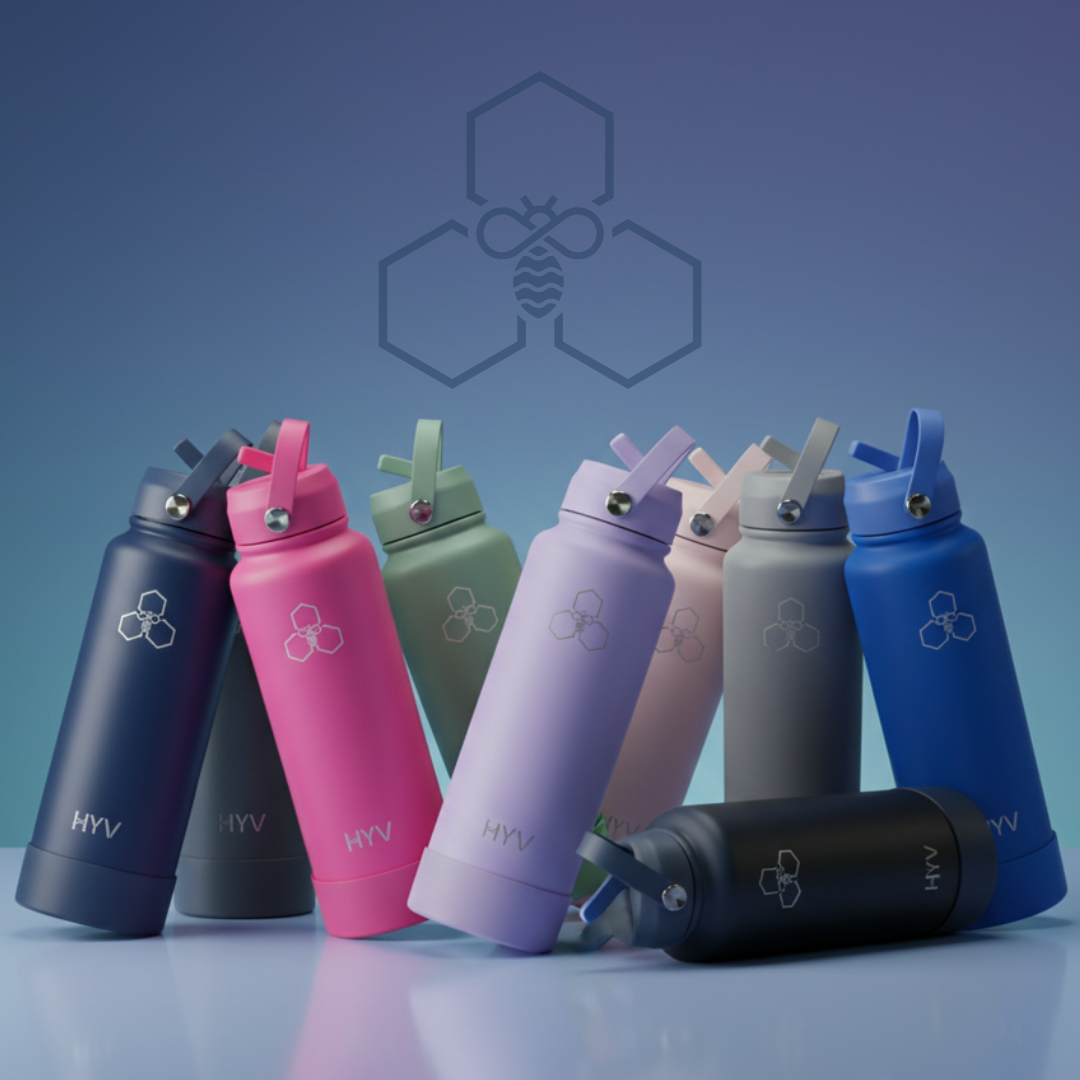
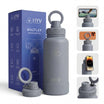
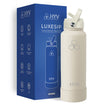
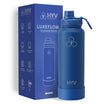
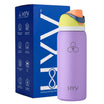
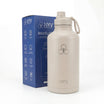
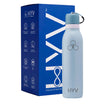
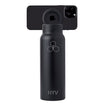
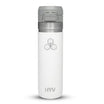
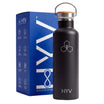
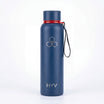
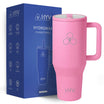
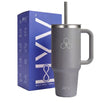
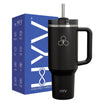
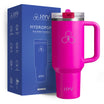
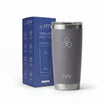
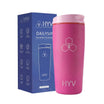
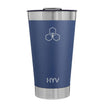
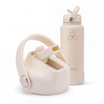
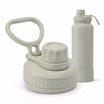
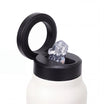
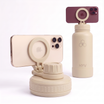
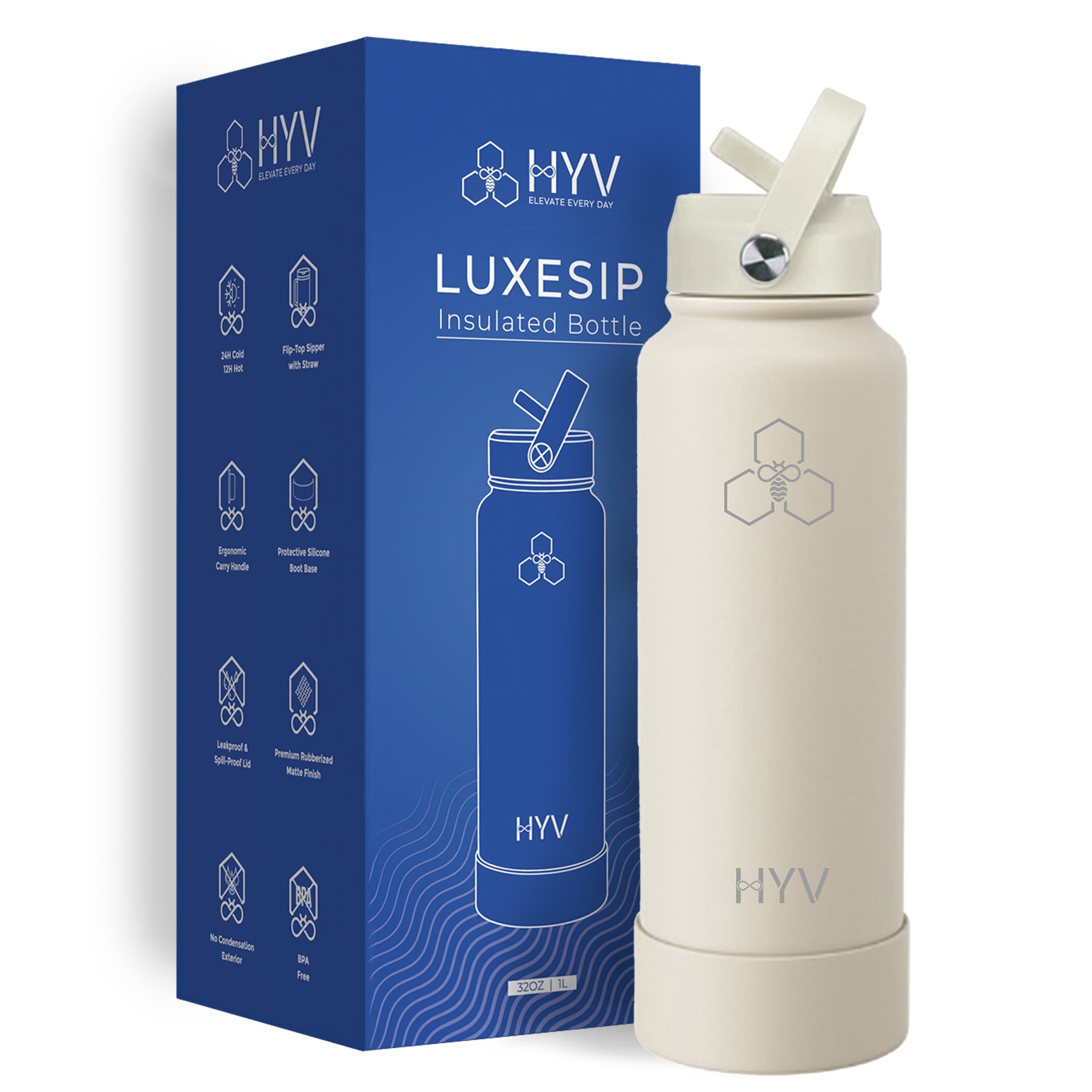
Three models worth looking at for this, photographed as they ship. Prices are the direct price on livehyv.com.


Shop HYV insulated water bottles →
Free shipping on orders over ₹499 · 7-day free replacement for product issues. HYV makes BIS-certified bottles.
Why 304 stainless steel wins
- Chemically inert — no leaching, no metal taste with any liquid.
- Works with hot (up to 100°C) and cold (freezing point).
- Double-wall vacuum construction possible for 24h cold / 12h hot retention.
- 5-10+ year lifespan with normal care.
- Dishwasher-safe (top rack).
- BIS IS 17526:2021 certification available.
Copper — pros and cons
Ayurvedic benefits for morning water only. Antimicrobial effect at low ppm. Cannot hold hot liquids, cannot hold acidic liquids (lemon, juice, tea). Requires daily cleaning to prevent verdigris. Toxicity risk above 10mg/day intake. Not a daily commuter bottle.
Aluminium — avoid
Aluminium reacts with water and acidic drinks, leaching small amounts. Long-term intake linked to health concerns. Aluminium bottles need an inner liner (usually food-safe epoxy) to be safe — verify the liner exists before buying. Most cheap aluminium bottles have poor liners or none.
Titanium — premium but overkill
Titanium is chemically inert like steel, lighter (150g for 500ml vs 220g steel), but ₹4,000+ per bottle. No real advantage over 304 steel for water storage. Reserve for ultra-hiking or where every gram matters.
Verdict
Buy 304 stainless steel — the material that dominates the premium bottle market for good reason. Brands like HYV verify the grade and retention. See best metal guide.
Frequently Asked Questions
What is the best metal for a water bottle?
Food-grade 304 stainless steel — inert, works hot and cold, dishwasher-safe, 5-10+ year lifespan.
Is copper better than steel for water?
Only for Ayurvedic morning water. For daily use, steel is safer and more practical.
Testing whether insulation actually works
Fill with ice water, leave four hours in a warm room, then touch the outside. A working vacuum bottle stays at room temperature and never sweats. Cold or condensation on the outside means the vacuum has failed.
This matters because vacuum failure is silent: the bottle still holds water and looks perfect, but retention drops from about 24 hours to four or six. Worth running inside the return window on anything new.
Price tiers and what each genuinely buys in India
| Tier | What you get | What you give up |
|---|---|---|
| Under ₹400 | BPA-free plastic, sports and school bottles | All insulation; 2-3 year life |
| ₹400-800 | Entry insulated steel, basic double-wall | Certification; vacuum often fails in 12-24 months |
| ₹800-1,200 | Mainstream insulated from established brands | Full-range certification; premium lid engineering |
| ₹1,200-2,000 | Engineered lids, powder-coat finish, real warranty | Little — this is the value sweet spot |
| ₹2,500-6,000 | Imported premium; brand cachet, refined lids | Roughly 3x the price for equivalent retention |
Retention is physics and converges across properly built bottles. What the imported tier buys is brand, colour drops and lid refinement — not more hours of cold.
Care that decides whether it lasts five years or one
- Rinse daily with hot water; do not leave water standing for days.
- Wash weekly with dish soap and a bottle brush — plus a straw brush if it has a straw, which is the step people skip and then wonder about the smell.
- Deep clean monthly — two tablespoons of baking soda in warm water, 30 minutes, then a white vinegar rinse for odour.
- Replace gaskets and straws every 6-12 months. A ₹100 seal saves a ₹1,900 bottle.
- Never freeze an insulated steel bottle — water expands about 9% and can crack the seal weld, permanently destroying the insulation.
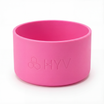
- Add a silicone base boot. Most vacuum failures start with a vertical drop onto the base.


Leave a comment
This site is protected by hCaptcha and the hCaptcha Privacy Policy and Terms of Service apply.