




Custom copper bottles in India for corporate gifting typically start at 25-100 pieces MOQ, ₹400-1,200 per unit for pure copper with laser engraving. Popular methods: laser engraving (permanent, deep etch — best for logos), embossing (raised design — heritage feel), and pad printing (multi-colour surface print — less durable on copper). Copper bottles are popular for festive corporate gifting (Diwali, employee anniversaries) due to Ayurvedic wellness positioning. Lead time: 7-14 days for premium suppliers.
To place an order: single-bottle name etching and bulk logo engraving are both explained on the personalised water bottles page, with prices, minimums and turnaround.
Key Facts
- MOQ: 25-100 pieces for premium engraved copper.
- Price: ₹400-1,200 per unit depending on customization method.
- Methods: laser engrave (best), emboss (heritage), pad print (mass).
- Popular for Diwali + employee anniversary corporate gifting.
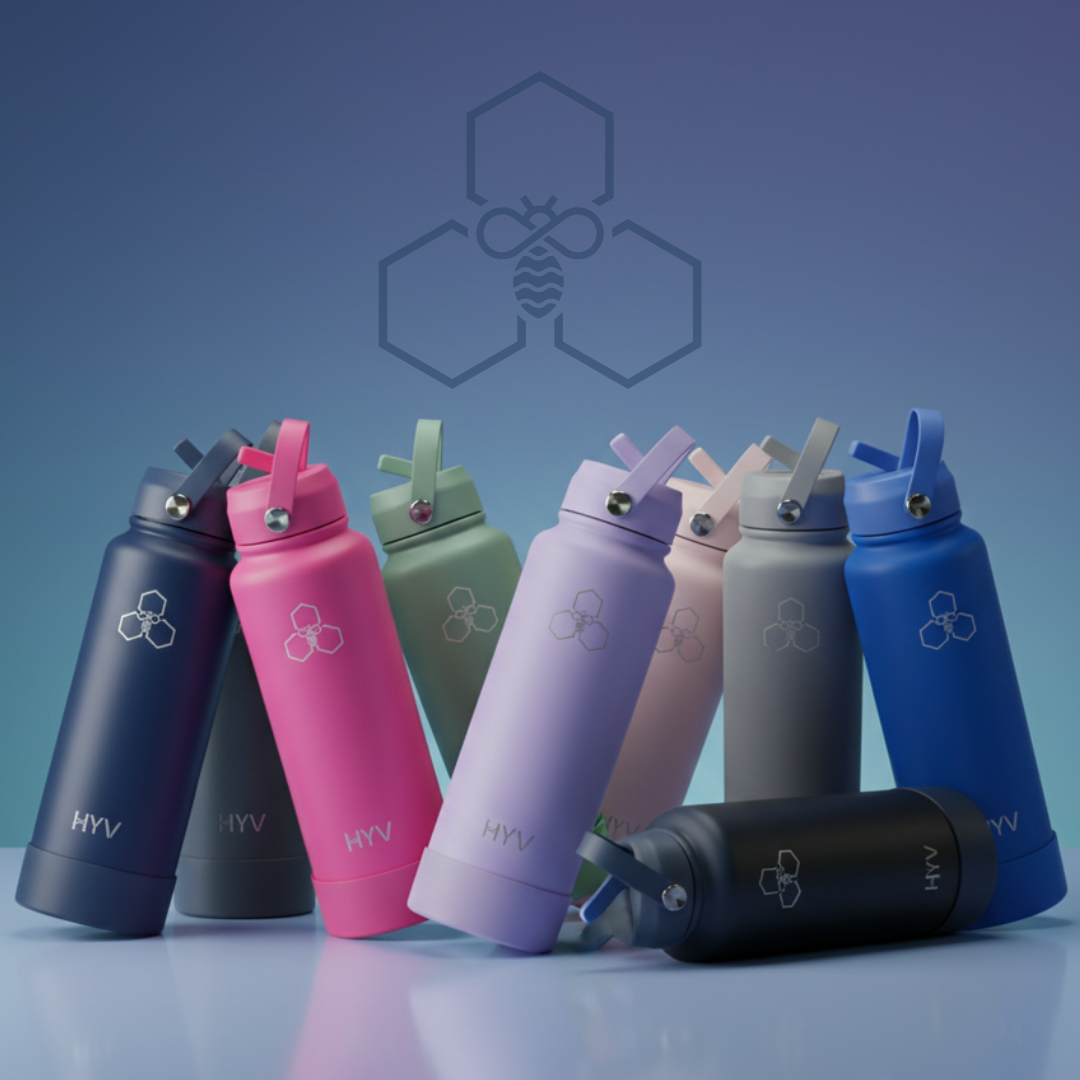
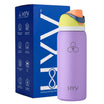
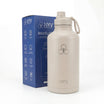
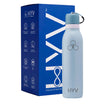
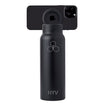
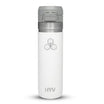
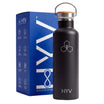
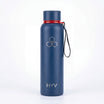
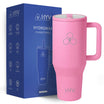
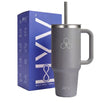
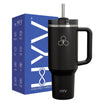
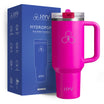
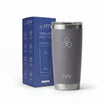
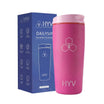
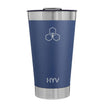
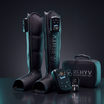
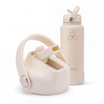
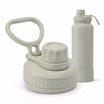
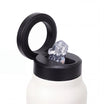
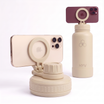
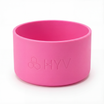
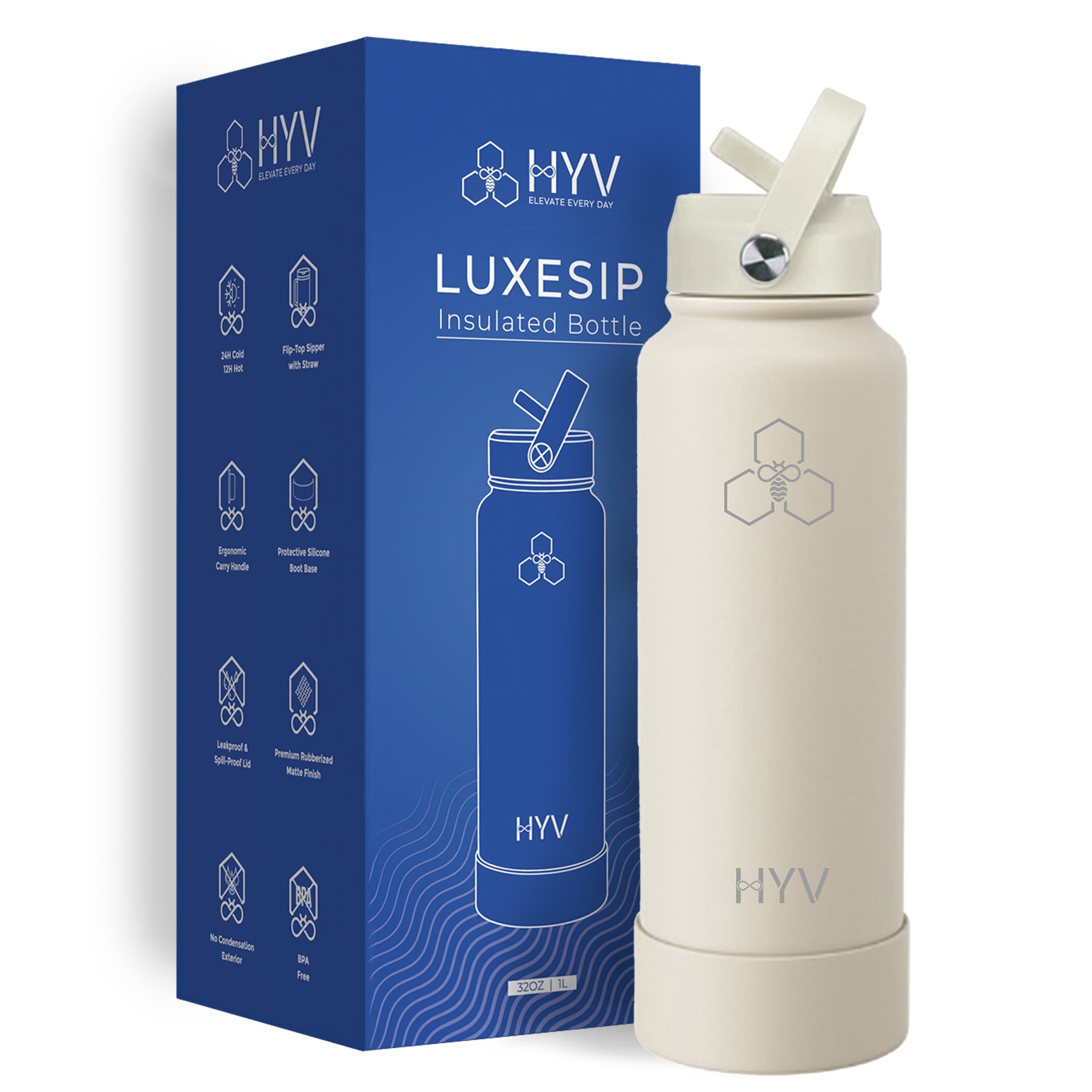
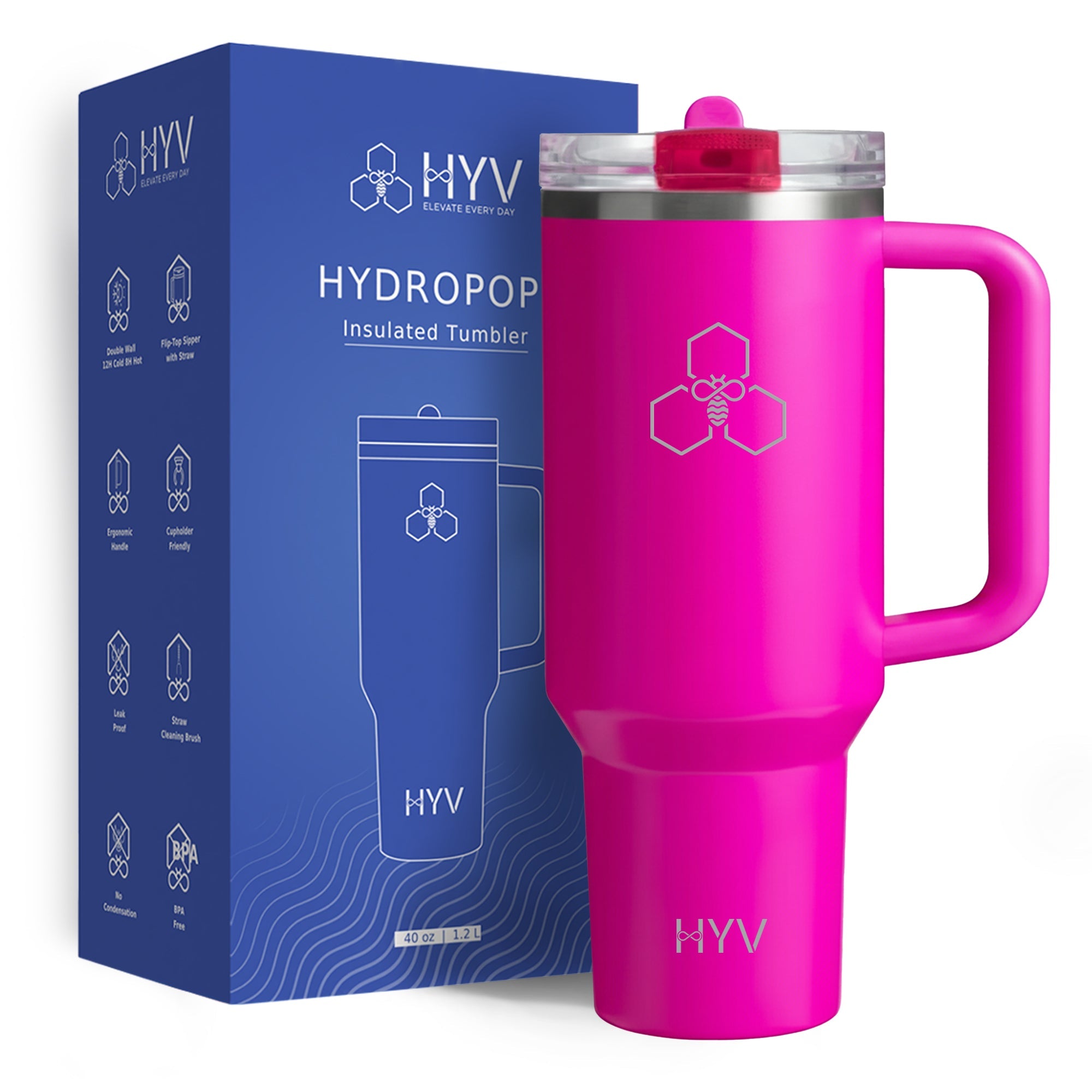
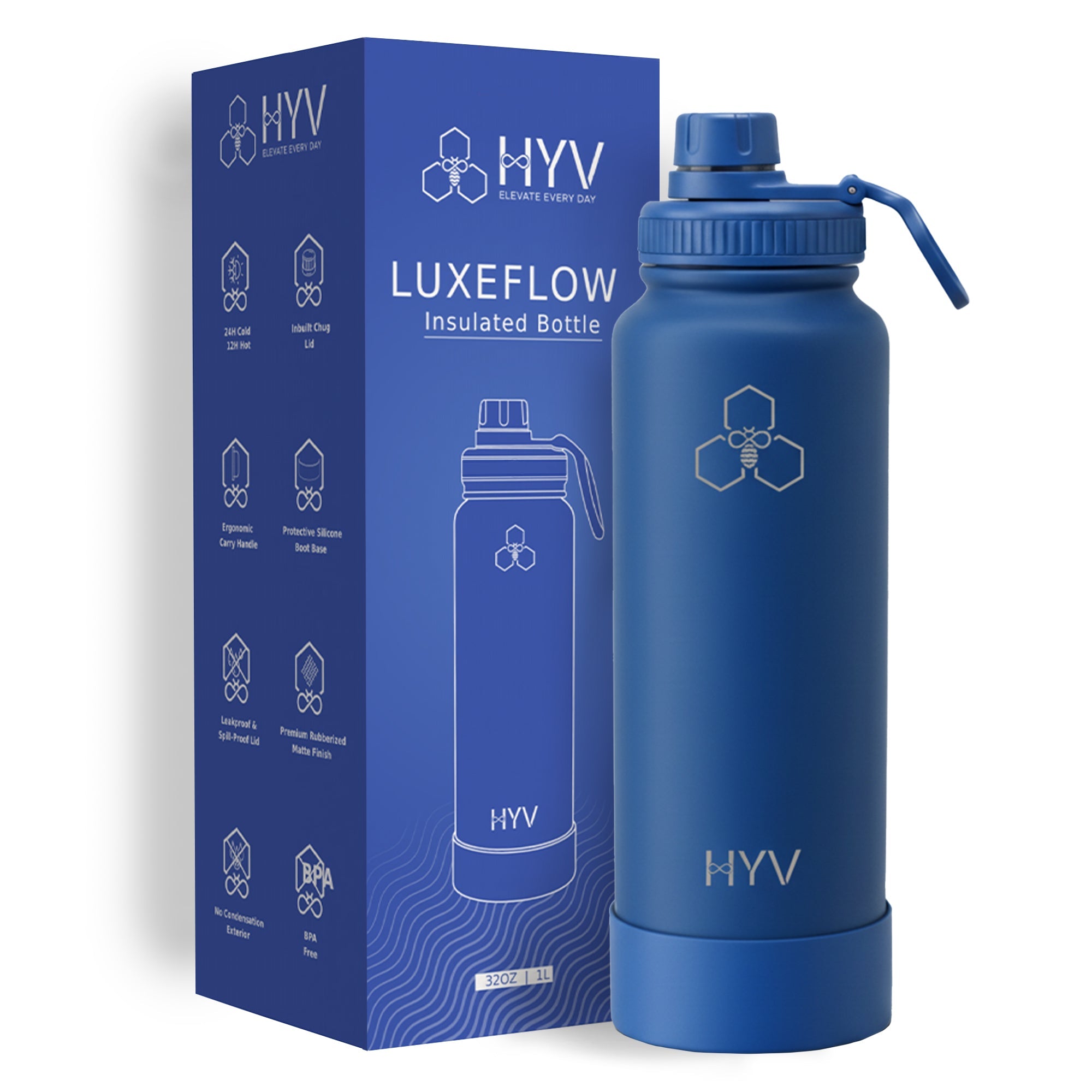
HYV picks, with the actual product
Three models worth looking at for this, photographed as they ship. Prices are the direct price on livehyv.com.


Shop HYV insulated water bottles →
Free shipping on orders over ₹499 · 7-day free replacement for product issues. HYV makes BIS-certified bottles.
Customization methods on copper
- Laser engraving — permanent, deep etch. Reveals rose-gold undertone. Standard for premium.
- Embossing — raised design pressed into the metal. Heritage/traditional feel.
- Pad printing — multi-colour surface print. Less durable — wears in 12-18 months of use.
- Screen printing on lid — safer for logos with colour.
MOQ, pricing, lead time
- Premium engraved: 50-100 MOQ, ₹700-1,200 per unit, 7-14 day lead.
- Mid-tier engraved: 200-500 MOQ, ₹400-700 per unit, 14-21 day lead.
- Volume (5,000+): ₹300-500 per unit, 21-30 day lead.
Popular use cases
- Diwali corporate gifting — copper is auspicious in Hindu tradition; strong festive fit.
- Employee anniversary gifts — engraved with name + tenure.
- Wedding return gifts — copper pooja bottle sets.
- Wellness brand gifting — pairs with Ayurvedic positioning.
What to specify in brief
- Quantity + delivery timeline.
- Bottle spec (size, pure copper vs plated, capacity).
- Customization method + logo file (vector .ai or .svg).
- Packaging (velvet pouch, kraft box, wooden gift box).
See corporate gifting water bottles India.
Volumes, lead times and what moves them
| Order size | Typical unit price | Lead time | Customisation |
|---|---|---|---|
| 25–100 | ₹1,200–2,000 | 7–10 business days + 2–3 days delivery | Laser engraving |
| 100–500 | ₹1,000–1,700 | 7–10 business days + 2–3 days delivery | Engraving or UV print |
Prices are indicative for insulated steel and move with specification, colourway and packaging. Lead times quoted in August do not hold in October — the fortnight before Diwali is the worst time to discover that.
What pushes a quote up: Pantone matching below the threshold where it is standard, custom packaging, split deliveries to many addresses, and late artwork changes. What pulls it down: a single colourway, one delivery point, and a decision made early enough that the supplier is not paying for expedited production.
Where corporate gifting programmes usually go wrong
- Budgeting GST as recoverable. It generally is not on gifts — this alone can blow a per-head budget by more than a tenth.
- Ordering late. Personalisation is a production step, and the festive fortnight is not the time to discover it.
- Collecting addresses after ordering. For a distributed team this is the longest pole and it is nearly always started too late.
- Over-branding. The gift becomes a uniform, and it stays at the desk it was handed out at.
- Ignoring the ₹5,000 aggregate. It is annual and cumulative across every gift in kind, not per occasion.
The finance questions that come up every year
- GST input credit. Input tax credit is generally not available on goods disposed of by way of gift. Budget GST-inclusive rather than assuming recovery — this is the single most common budgeting error in corporate gifting.
- Employee perquisite. Gifts in kind up to ₹5,000 per employee per financial year are generally outside perquisite treatment, with the excess added to taxable salary. It is an annual aggregate, so a Diwali gift plus a joining kit plus a work-anniversary gift count together.
- GST rate. Insulated steel drinkware sits under HSN 9617 at 18%. Glass falls under 7010 and PET under 3923, both at 18% — two similar-looking hampers can carry different tax depending on contents.
- Invoicing. Confirm the supplier can issue a GST invoice against your GSTIN before you order, not after delivery.
This is general information from a supplier, not tax advice — confirm the treatment with your own finance team, whose reading of your circumstances is the one that counts.
More questions
What is the minimum order for customised corporate drinkware?
Commonly 25 units for laser engraving on stock products. Engraved orders from stock ship in 7–10 business days, plus 2–3 days delivery; made-to-order colours take 60–90 days.
Can we claim GST input credit on corporate gifts?
Generally no — input tax credit is not available on goods disposed of by way of gift. Budget GST-inclusive. Insulated steel drinkware sits under HSN 9617 at 18%, and glass and PET are also 18%, so the rate no longer varies with what goes in a hamper.
How much should a corporate gift cost per person?
₹800 to ₹1,500 is the band where a gift reads as considered without creating an obligation to reciprocate. Client gifting typically runs higher, at ₹1,500 to ₹3,000.
Frequently Asked Questions
Where to get custom copper bottles in India?
Corporate gifting suppliers, specialty copper manufacturers in Moradabad, and premium brands with corporate gifting arms.
What is the MOQ for custom copper bottles?
50-100 for premium engraved; 200-500 for mid-tier; 5,000+ for wholesale rates.
Working with HYV directly
- OEM and contract manufacturing — production under your own brand.
- Private label and white label drinkware — four routes, from logo engraving upward.
- Corporate gifting by budget — branded orders from 25 units.
- Become a distributor or reseller — regional, retail, gifting and export partners.
- Bulk personalised bottles — names, monograms and logos, engraved or UV printed.
- Wholesale and bulk buying — trade pricing from 25 units.
- Customise your own bottle — HYV Studio, from a single unit.


Leave a comment
This site is protected by hCaptcha and the hCaptcha Privacy Policy and Terms of Service apply.