

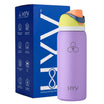
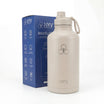
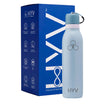

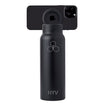
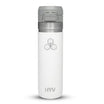
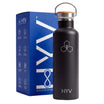
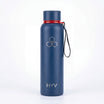
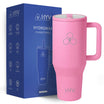
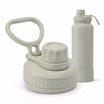

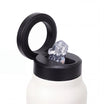
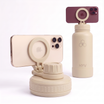

A "copper insulated bottle" typically means copper-plated stainless steel outer + insulated double-wall interior — the copper is decorative/reflective on the outside, but the inner drink-contact surface is steel. Pure copper is NOT insulated (single-wall, water hits ambient temperature within an hour). If you want both copper Ayurvedic benefits AND insulated retention, buy a copper bottle (single-wall, morning use only) AND a separate insulated steel bottle. Copper-plated steel bottles offer no Ayurvedic benefit — the copper doesn't touch the water.
Key Facts
- "Copper insulated" usually = copper-plated steel outer + insulated steel inner.
- Copper doesn't touch water — no Ayurvedic benefit from the copper layer.
- Pure copper is single-wall — no insulation possible.
- For both benefits: buy separate copper bottle + insulated steel bottle.
HYV picks, with the actual product
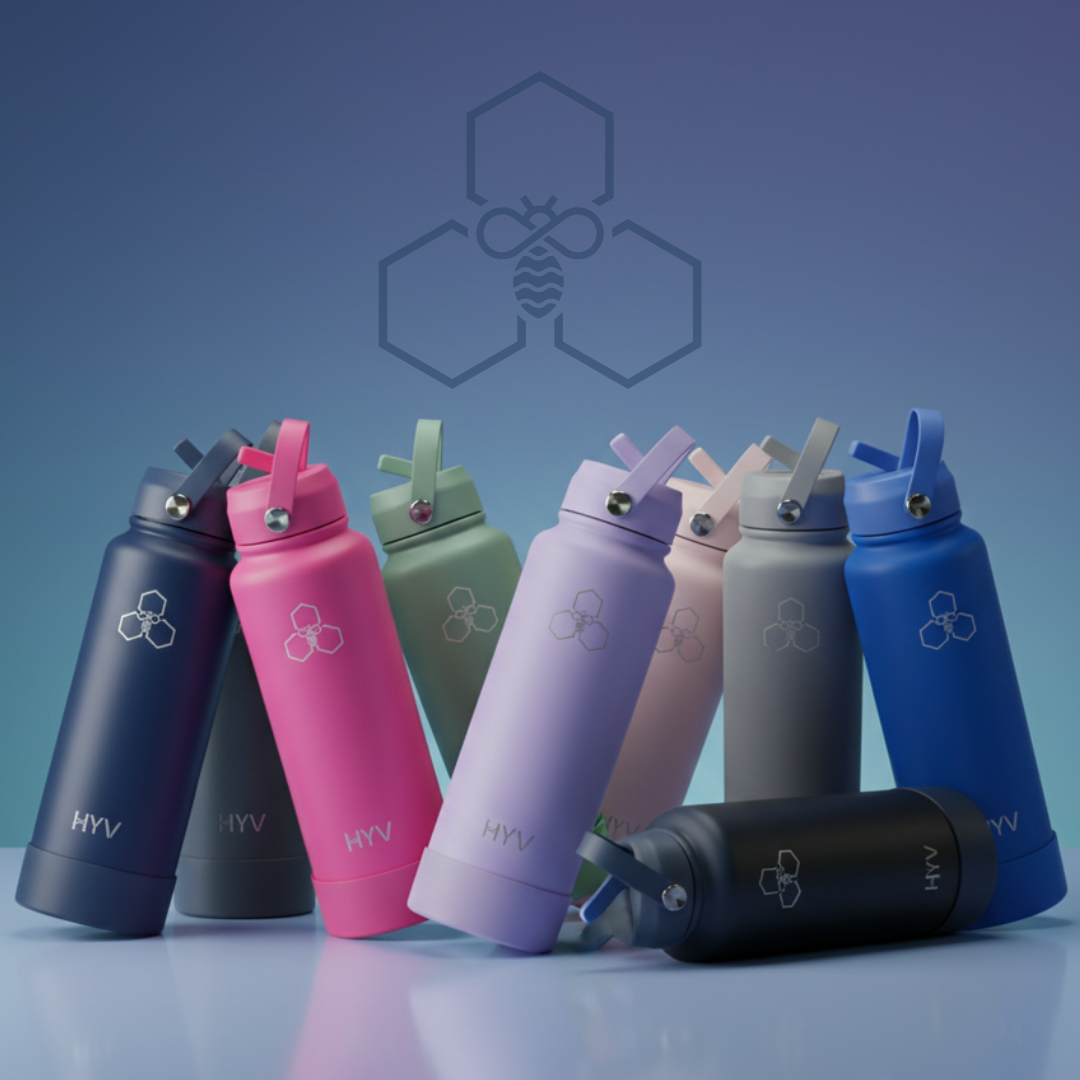
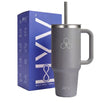
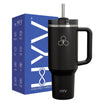
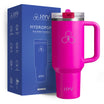
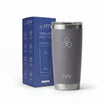
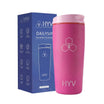
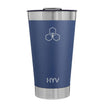
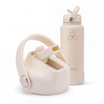
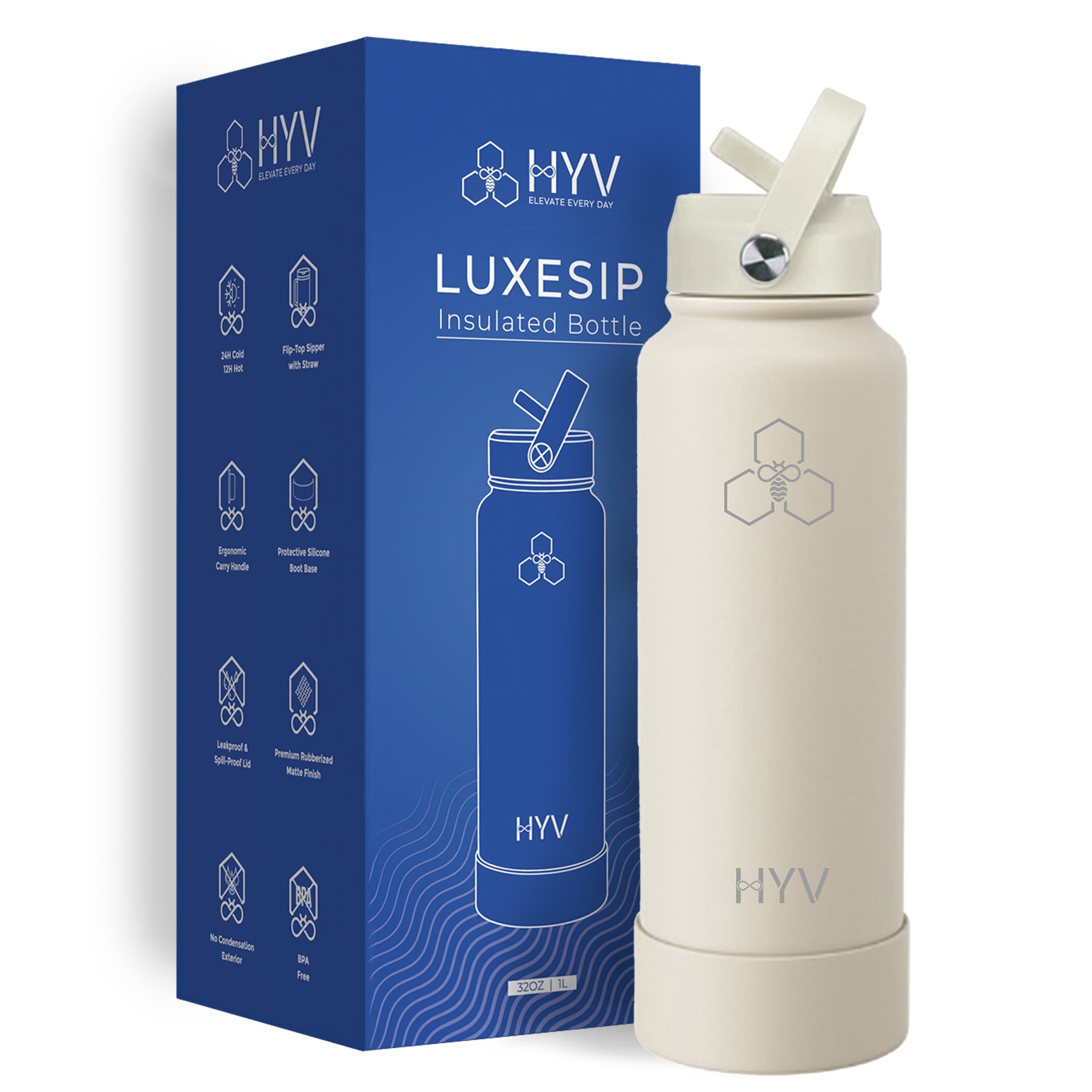
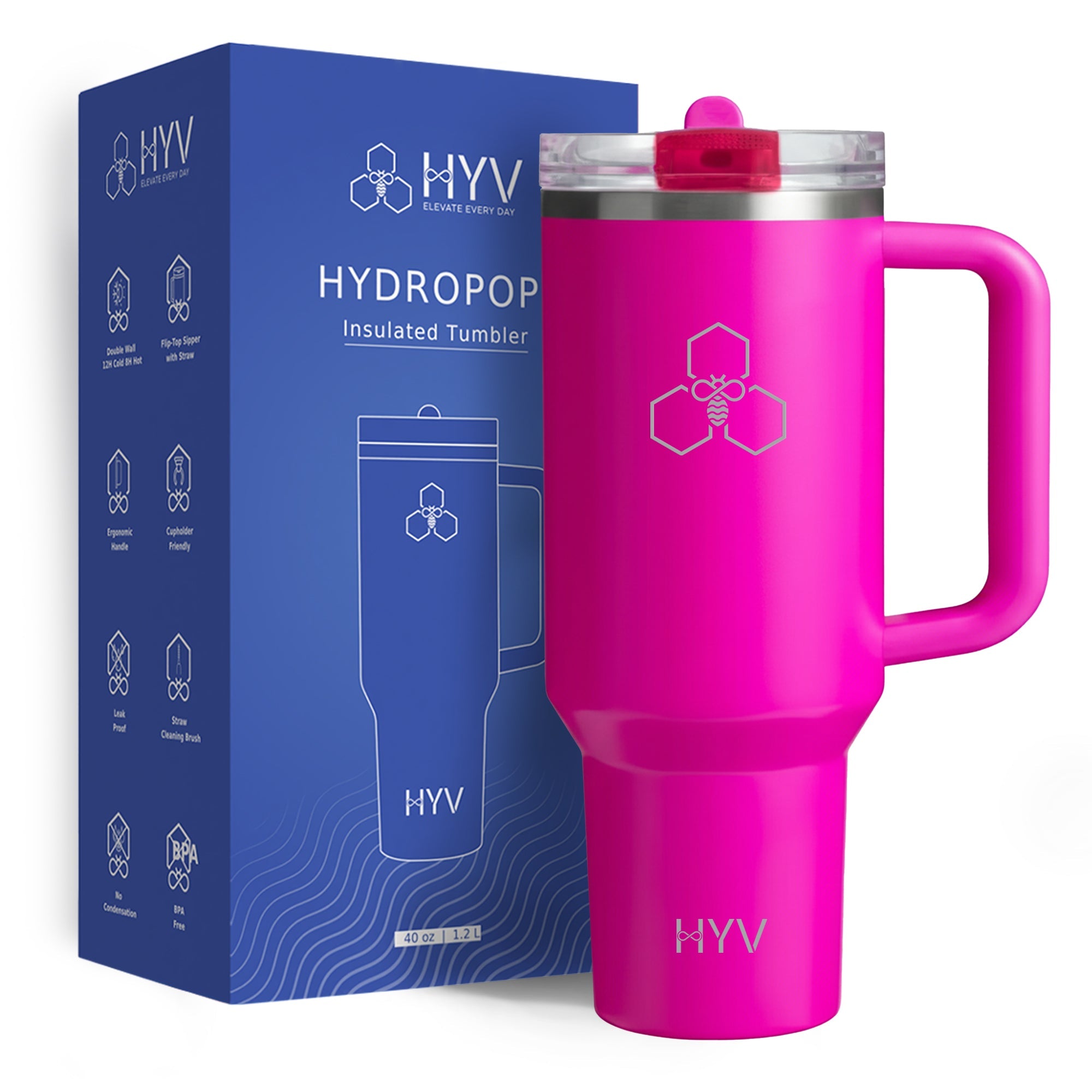
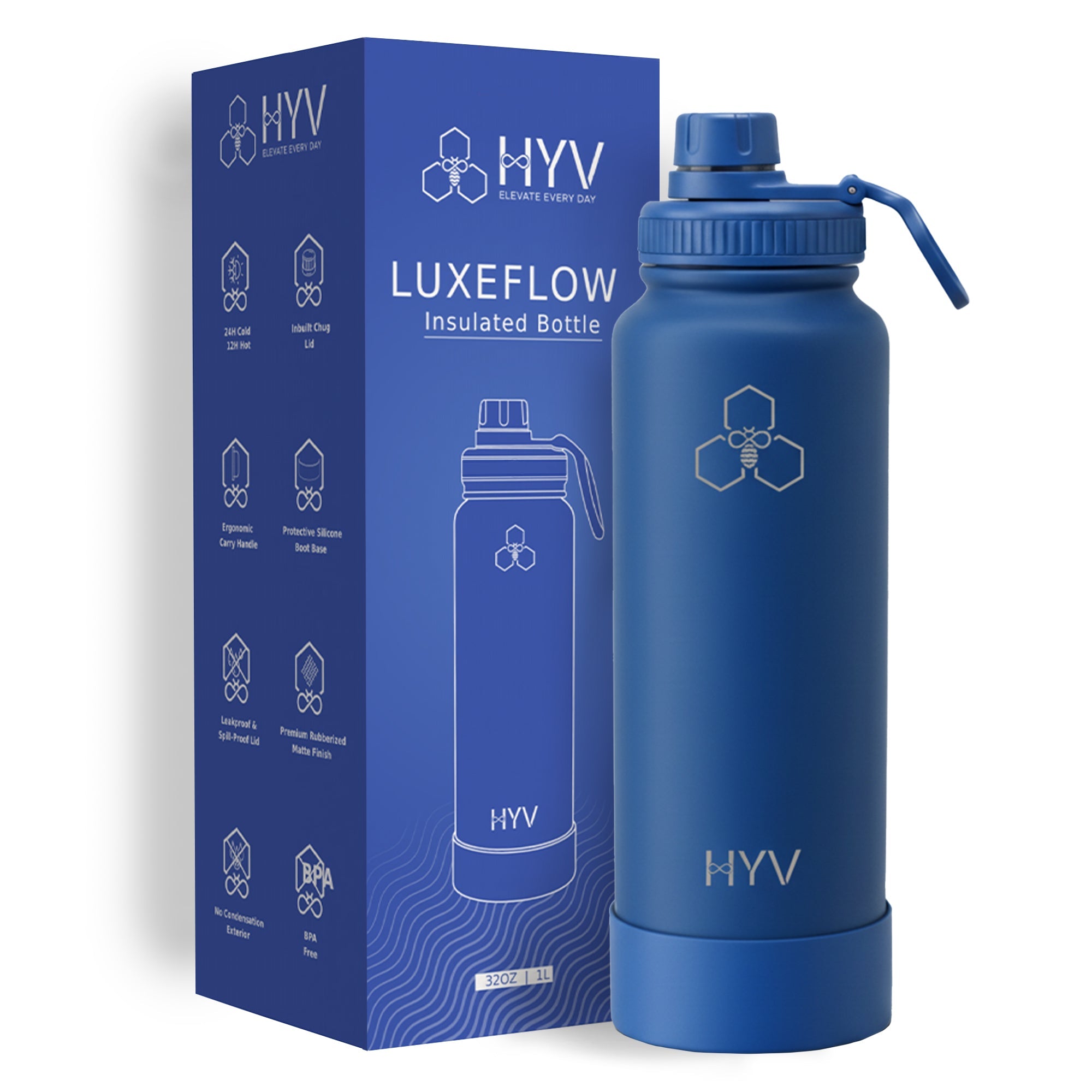
Three models worth looking at for this, photographed as they ship. Prices are the direct price on livehyv.com.


Shop HYV insulated water bottles →
Free shipping on orders over ₹499 · 7-day free replacement for product issues. HYV makes BIS-certified bottles.
What "copper insulated" actually means
Marketing shorthand for one of two constructions:
- Copper-plated steel outer + double-wall vacuum + steel inner. Copper is decorative/reflective on outside; drink contacts steel. Insulated retention works; Ayurvedic benefit does not (copper doesn't touch water).
- Rare: copper outer + copper inner + vacuum layer. Extremely rare. Not commercially manufactured in India — copper is too soft and expensive.
Why pure copper CANNOT be insulated
Copper is soft, expensive, and reacts with hot liquids. Double-wall vacuum-insulated construction requires two rigid walls with a sealed vacuum gap. Manufacturing this in copper alone is not commercially viable. Every "insulated copper bottle" on the market is either copper-plated steel or single-wall copper mislabeled.
The right setup — two bottles
- Morning copper ritual: Pure copper 500ml bottle (₹500-1,500) for the Ayurvedic 6-8 hour water. See copper vs steel.
- Daily hydration: insulated steel bottle — HYV LuxeSip 1L ₹1,699. Cold water 24h.
What to avoid
Beware of "copper insulated" bottles ₹500-1,000 on Amazon India marketed as offering both benefits. They're copper-plated steel — no Ayurvedic effect, mediocre insulation. If you want either benefit, buy the dedicated bottle for that benefit.
Frequently Asked Questions
What is a copper insulated bottle?
Usually copper-plated stainless steel outer with double-wall insulation and steel inner. Copper doesn't touch the water.
Is copper insulated bottle worth buying?
Not really — no Ayurvedic benefit (copper doesn't touch water). Buy separate copper bottle + insulated steel bottle if you want both.
What each material is genuinely good and bad at
| Material | Insulates | Lifespan | Watch for |
|---|---|---|---|
| Insulated 304 steel | ~24h cold / ~12h hot | 5-10 yrs | Vacuum failure after a base drop |
| Single-wall steel | No | 5-10 yrs | Sweats in humidity |
| Copper | No | 5+ yrs | Reacts with acid and heat; daily cleaning |
| Borosilicate glass | No | Indefinite if unbroken | Breaks; heavy |
| BPA-free plastic | No | 2-3 yrs | Degrades; never leave in a hot car |
| Ceramic | No | Indefinite if unbroken | Heavy; breakable |
Does the material leach into your water?
Food-grade 304 stainless is chemically inert at drinking temperatures. It does not meaningfully leach, does not change water pH, and does not impart a taste when the grade and finish are right. Trace migration can occur with strongly acidic liquids left for weeks, but not in normal use.
If a steel bottle tastes metallic, the cause is almost always one of three things and none of them is 304 leaching: a lower-grade alloy such as 201, residue and biofilm that has not been cleaned out, or a perished silicone gasket holding odour. Deep clean it, replace the gasket, and if the taste persists the grade was the problem.
Glass and borosilicate are fully inert. Copper is the genuine exception — it reacts with anything acidic, which is why lemon water, juice and buttermilk should never be stored in it.
For teams and businesses
- Promotional drinkware — trade shows, conferences and branded giveaways.


Leave a comment
This site is protected by hCaptcha and the hCaptcha Privacy Policy and Terms of Service apply.